India · Goa
Where to Stay in Madgaon, Goa
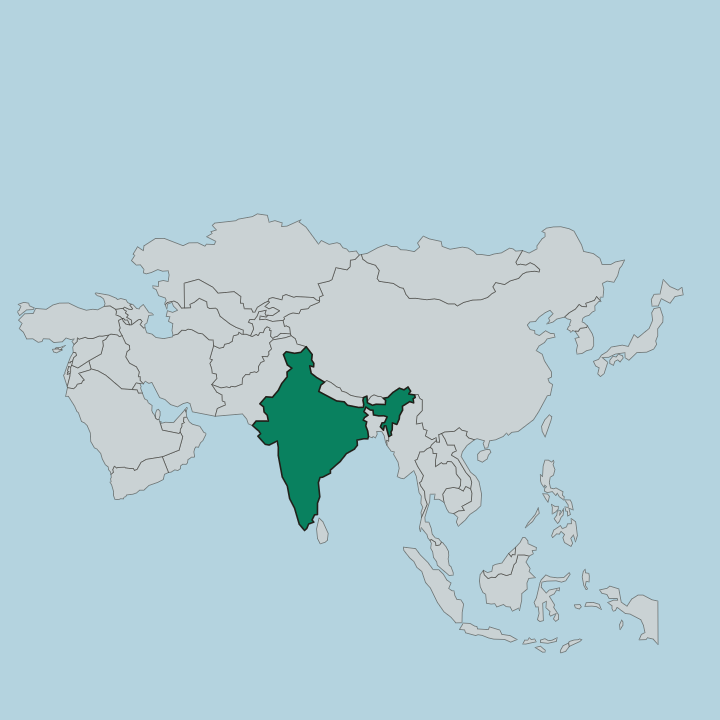
Margao is the commercial heart of Goa in western India, an old Portuguese-Catholic town of white churches and mansions near the southern beaches.
Hotel links are affiliate links: booking through them may earn us a commission, at no extra cost to you. It never affects how places are ranked. How this works


Where to stay in Madgaon
How the choice of base plays out on the ground.
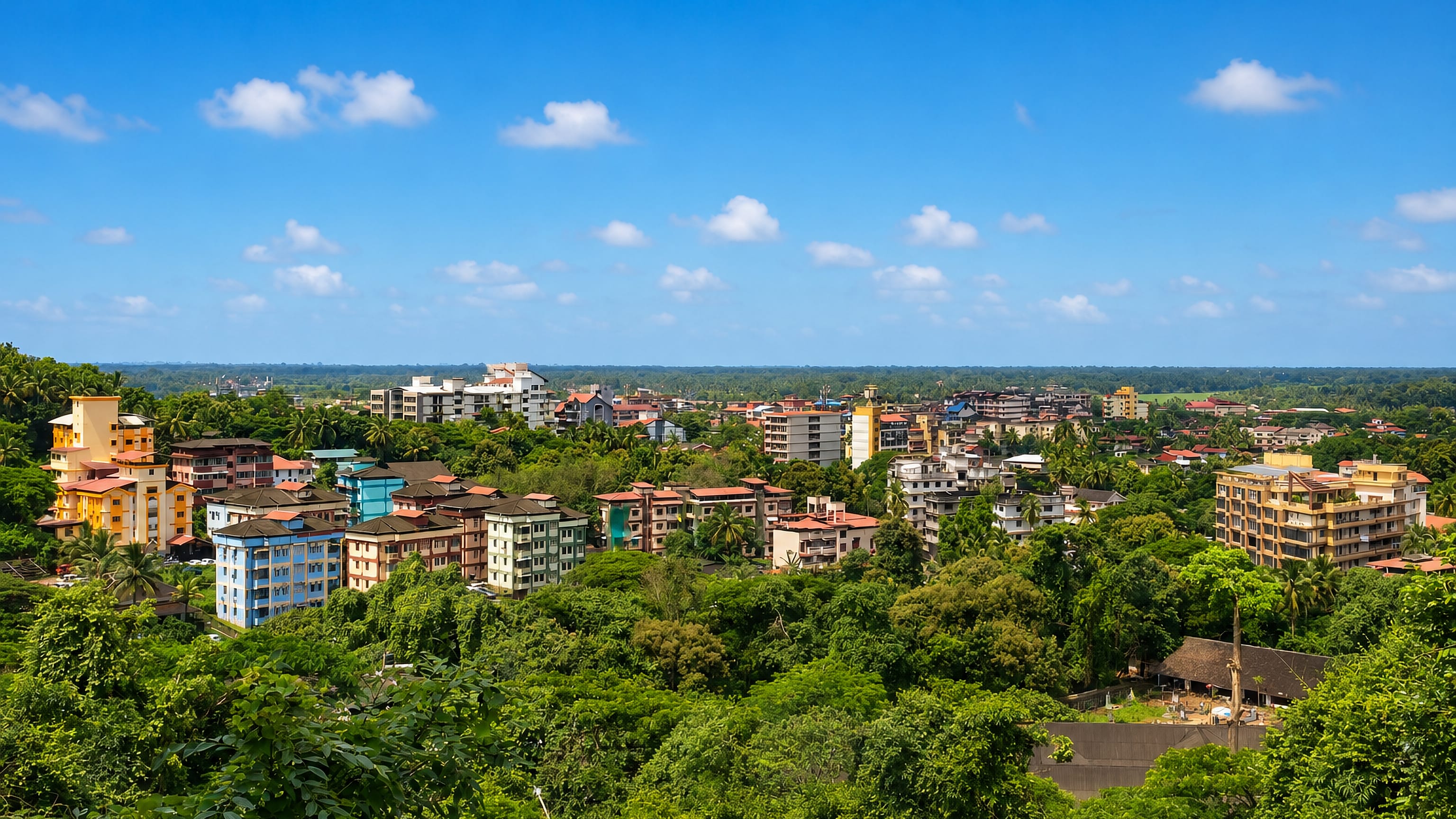
Where you stay in Margao turns on the town or the beaches. The streets around the church keep the market, the mansions, and the shops within a walk, and staying downtown suits anyone here for the town. The white church rises over the square.
Old houses line the lanes. Out toward Colva and the coast, the plain gives way to palm groves, sands, and beach resorts. A room by the sea trades the town for the long beaches, the fishing boats, and the warm shallows of the south.
Palms lean over the white sand. Stay downtown for the church, or by the coast for the beach. Margao stands only a short way inland from the sand.
Find hotels in Madgaon
Direct booking searches for these neighbourhoods.
The town
Around the church in the old townFind hotels in The townStays wanting the beaches and resortsColva and the coast
Out toward the southern sandsFind hotels in Colva and the coastHotel links are affiliate links: booking through them may earn us a commission, at no extra cost to you. It never affects how places are ranked. How this works
Things to do in Madgaon
Ranked by global recognition; descriptions from Wikidata (CC0).
Museums & Galleries
2- Big Foot Museum
- Ashvek Vintage World
Churches & Religious Sites
2- Church of the Saviour of the World Heritage
- Holy Spirit Church, Margao
Castles & Historic Sites
1- Excavated site in Chandor Heritage
Landmarks & Notable Places
1- Menezes Braganza House
worth knowingacross 4 categories in Madgaon
About Madgaon
Margao is the market town of southern Goa.
What is Madgaon known for?
On the plain of the Sal river a little inland from the sea, it grew as the trading centre of the old Portuguese province, and it keeps a great white Baroque church over its square, the grand old Portuguese houses of its Latin quarter, one of the busiest markets in the land, and the long beaches of Colva and Benaulim nearby. Palm groves ring the town. The warm sea lies to the west.
What are the main landmarks in Madgaon?
The Church of the Holy Spirit crowns the square at Margao. The great white Baroque church on the Largo, its facade rising over the old town, looks out across the square, the emblem of the city, above the market. An old mansion stands nearby.
The grand Portuguese houses of the Latin quarter keep their carved balconies and courtyards, while the busy market, the old chapels, and the beaches of Colva mark the country around Margao.
What is the history of Madgaon?
Margao was an old Hindu town before the Portuguese came. A temple town stood on the Sal in the days of the Hindu kings, with fine temples and a great tank, until the Portuguese took Goa and pulled the temples down. The town was made Catholic.
The Portuguese built churches in place of the temples and made Margao a centre of their province, its people turning to the new faith. It grew rich as the market of the south. Portuguese planters and traders built grand houses of laterite and wood around the church, and Margao became the commercial heart of Goa, its market drawing the whole country around.
The Portuguese left at last. When Goa joined India in the last century, the town kept its churches, its old mansions, and its Catholic feasts, and it grew as a busy modern town by the sea. The white church still crowns the square.
Margao keeps its church and its market on the Goan plain.
Where is Madgaon?
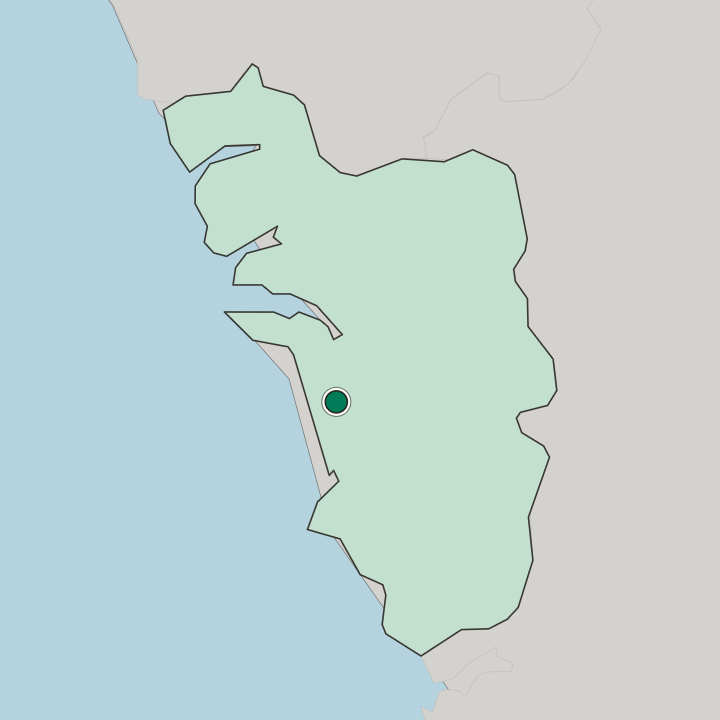
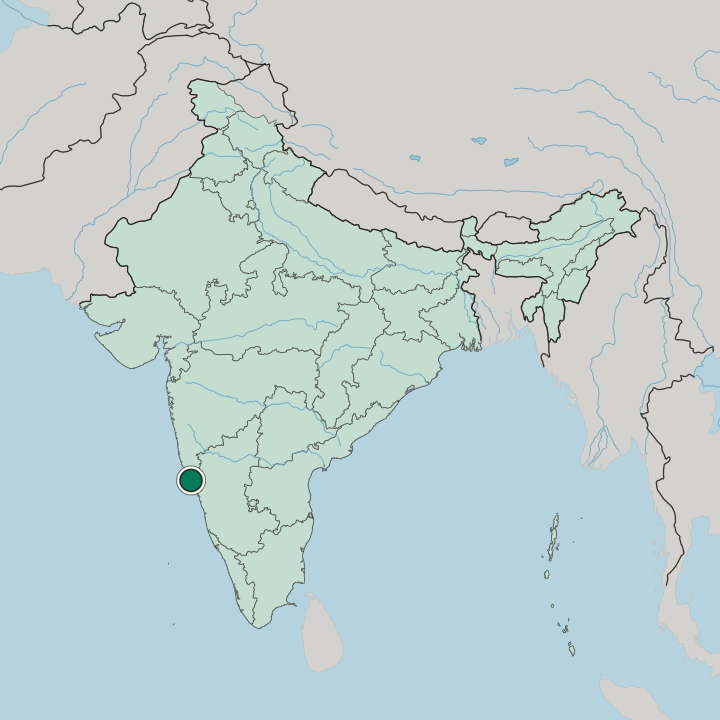
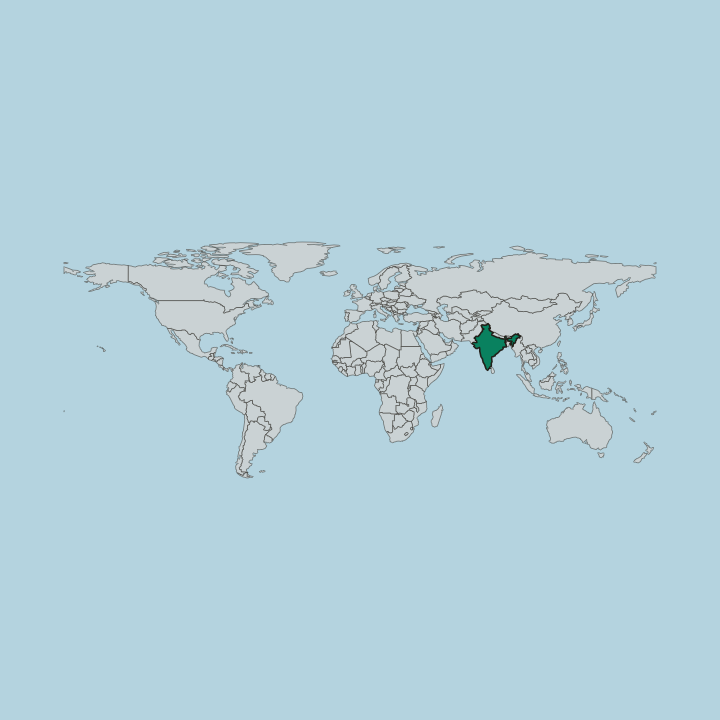
Margao lies in the south of Goa in western India, on a coastal plain by the Sal river. The town sits a few miles inland from the Arabian Sea, on the flat green country of paddy and palm behind the long southern beaches, with low wooded hills rising to the east. Palm and paddy spread around.
The sea lies west past the sands.
What is the climate of Madgaon?
Margao has a hot, wet tropical climate. Warm weather holds all year on the coast, and the monsoon brings heavy rain in the middle of the year, with dry sunny months in the cool season. The heat hangs damp in the monsoon.
The dry season draws the crowds.
How do you get to Madgaon?
Margao lies in south Goa, on the main line and highway down the coast. Trains and buses run to it from Panaji and across the state, and the state's main station stands in the town. Roads run out to the southern beaches.
Panaji lies north up the coast.
Common questions
What is the best area to stay in Madgaon?
The town: Visitors here for the church, market, and mansions. Colva and the coast: Stays wanting the beaches and resorts.
Good for
More cities in Goa
Updated October 2026