India
Goa, India — Towns & Travel Guide
Goa is India's smallest state, a strip of Arabian Sea coast where Portuguese churches sit above palm-backed beaches.
Hotel links are affiliate links: booking through them may earn us a commission, at no extra cost to you. It never affects how places are ranked. How this works


Towns & cities in Goa
Pick a town or city — each links to where to stay.

 India
India
Vasco da Gama
Vasco da Gama is a port city at the western tip of the Mormugao peninsula, at the mouth of the Zuari River in Goa, India.Where to stay →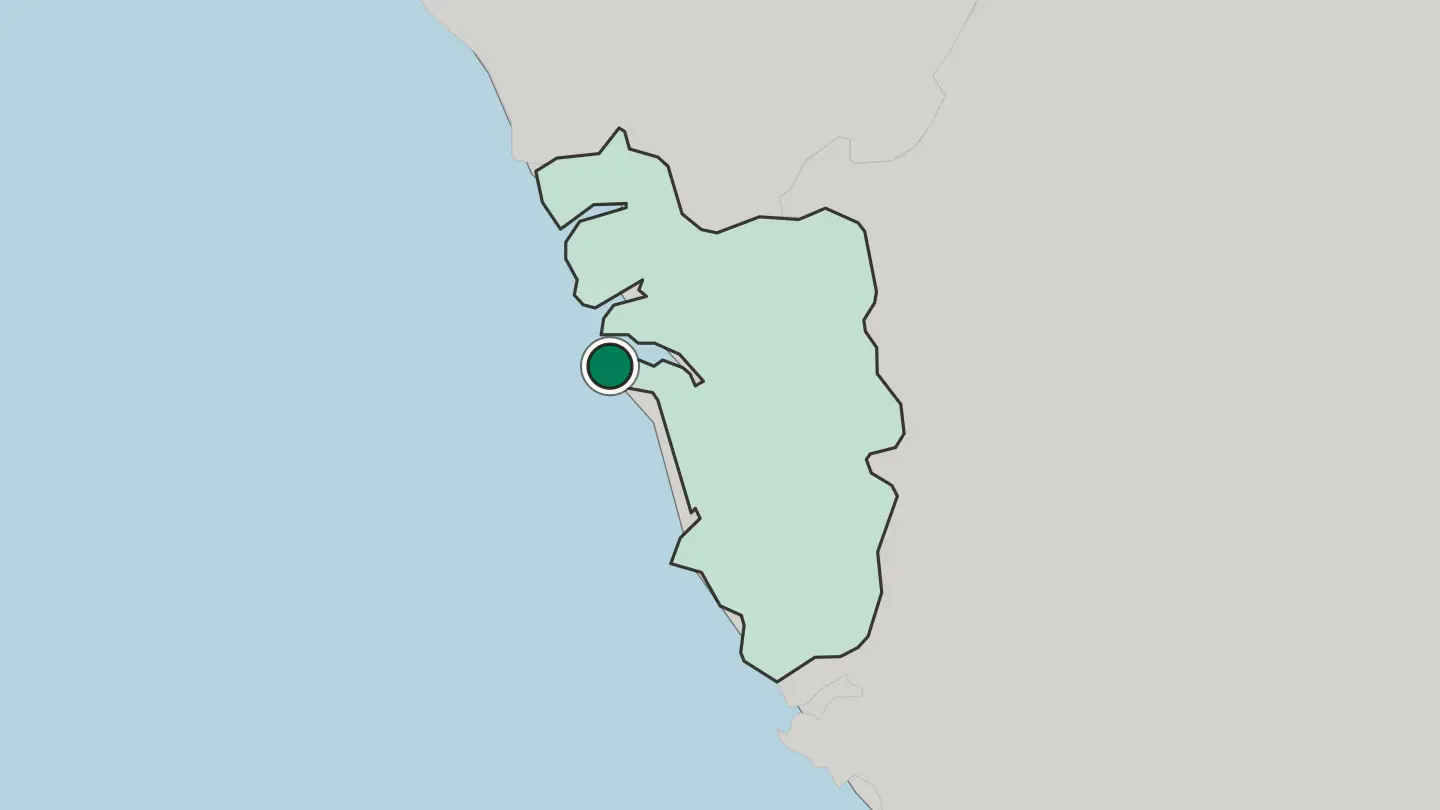
 India
India
Madgaon
Margao is the commercial heart of Goa in western India, an old Portuguese-Catholic town of white churches and mansions near the southern beaches.Where to stay →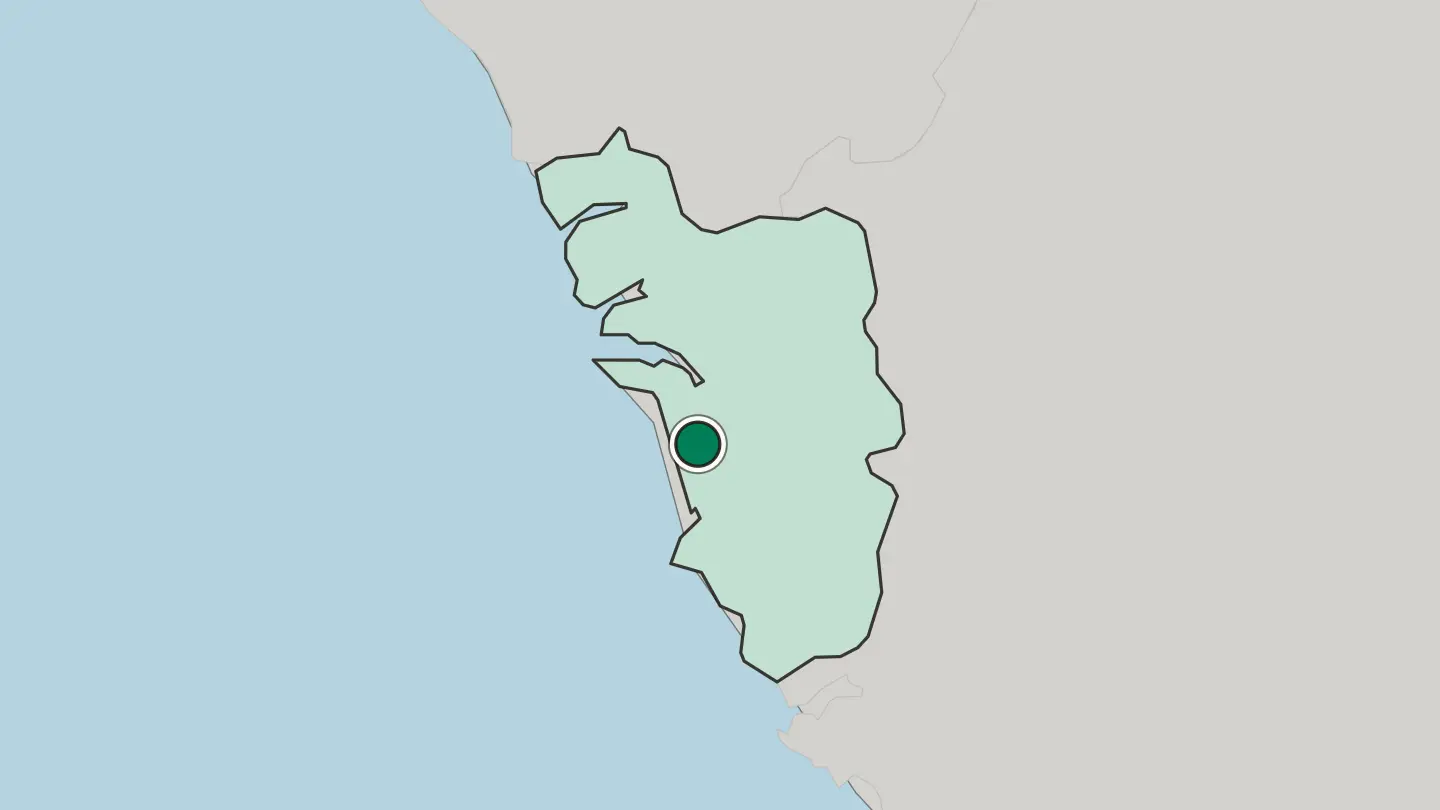
 India
India
Panjim
Panjim, also written Panaji, is the capital of Goa, a low-rise river city on the Mandovi estuary in the Tiswadi taluka.Where to stay →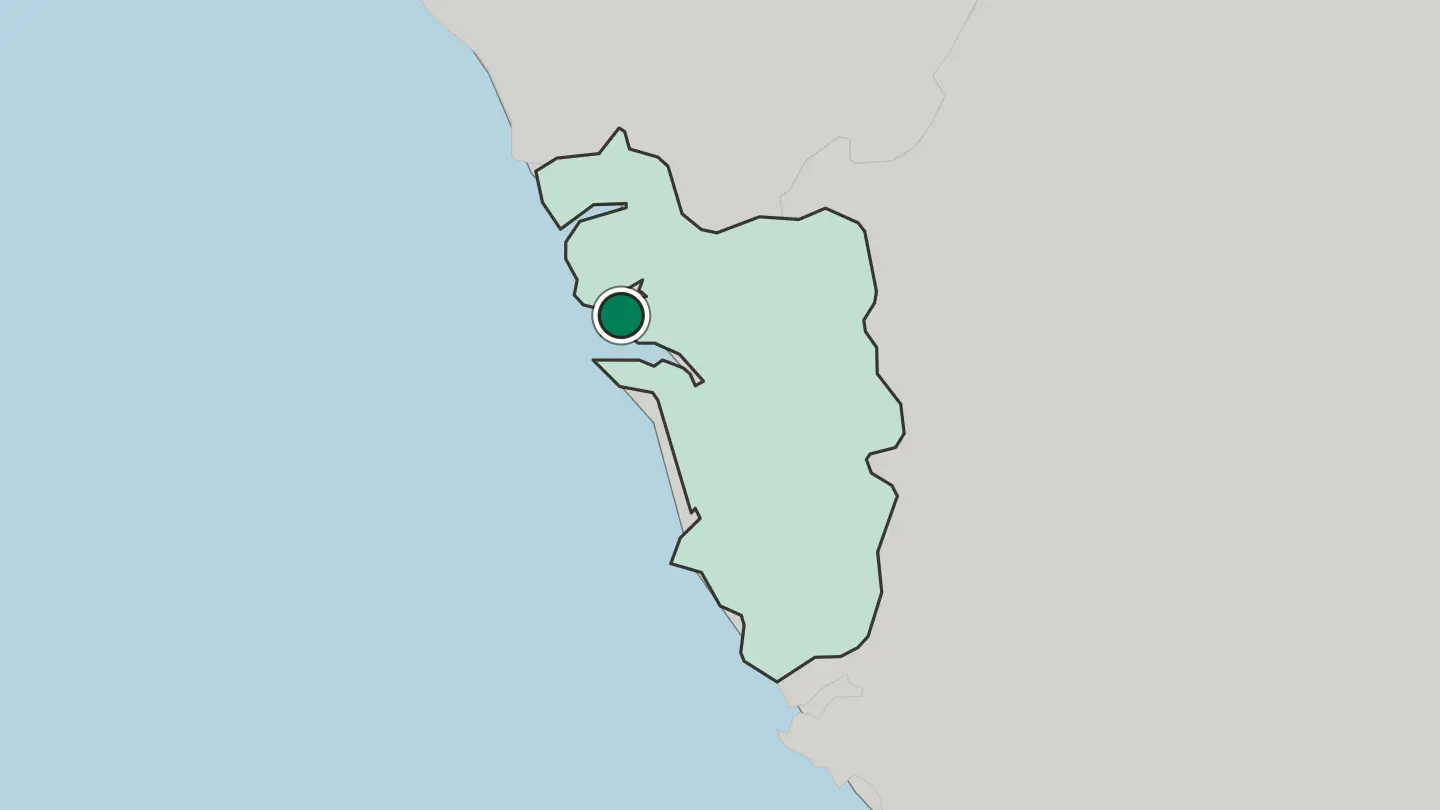
Hotel links are affiliate links: booking through them may earn us a commission, at no extra cost to you. It never affects how places are ranked. How this works
About Goa
What is Goa known for?
Beaches and four and a half centuries of Portuguese rule define Goa. The state covers little ground. A 160 km shore runs down the Arabian Sea, lined with sand and coconut palms, and the coast splits into a busy northern half and a calmer southern one.
Inland, Old Goa keeps the churches the Portuguese left behind, including the Basilica of Bom Jesus, where the remains of St Francis Xavier still lie. Panaji, the capital, sits on the Mandovi river a little upstream from the sea.
Where is Goa?
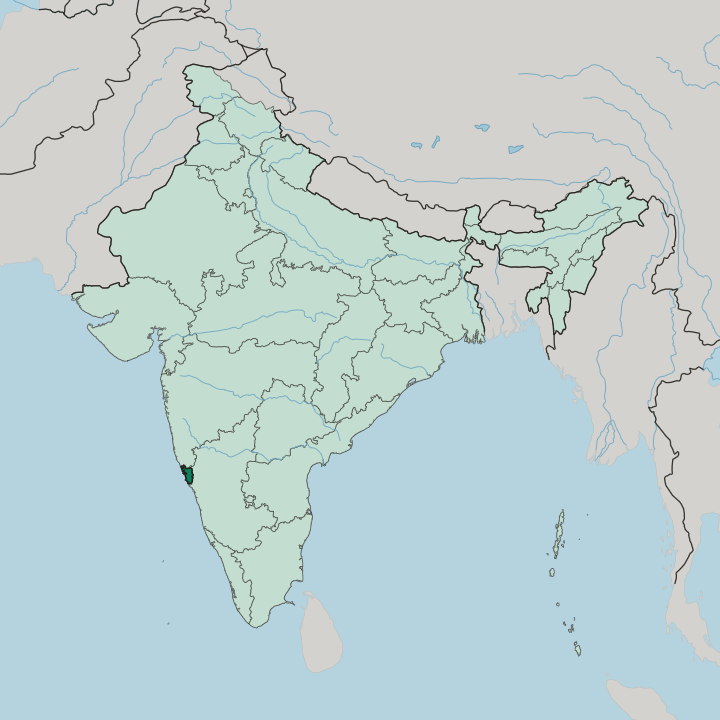
Goa lies on the Konkan coast of western India, a narrow band pinned between the Arabian Sea and the hills inland. It is the smallest state in the country. The Terekhol river marks the northern boundary with Maharashtra, while Karnataka wraps the state along its eastern and southern edges.
The whole western side is open sea. Behind the beaches the land rises quickly, and low forested plateaus climb east into the Western Ghats, the range that walls Goa off from the Deccan Plateau beyond. Two rivers order the middle of the state.
The Mandovi and the Zuari both fall from the Western Ghats and run west to the Arabian Sea, and between them they drain most of Goa's area before meeting the sea near Mormugao harbour. Panaji, the capital, stands on the Mandovi near its mouth. The coast itself is a run of sandy bays, rocky headlands, and river estuaries stretching roughly 160 km from the Terekhol in the north to the Karnataka line in the south.
Nowhere in the state sits far from either the water or the Ghats.
What is Goa like?
Goa carries a double inheritance, Indian and Portuguese, and neither side ever quite absorbed the other. Konkani is the state language and the thread that ties Goans together, whatever their faith. Hindu and Catholic communities have lived side by side here for centuries, and the calendar shows it: the pre-Lenten Carnival and the spring Shigmo processions fall within weeks of each other, and both fill the streets.
Locals call the pace susegad. It is a Konkani word for an unhurried, contented way of taking life at ease. The food is its own argument for coming.
Coconut, chilli, and vinegar run through the cooking, and pork dishes like vindaloo and sorpotel carry an unmistakable Portuguese accent that you will not find elsewhere in India. Feni, the local spirit, is distilled from cashew fruit or from the sap of toddy palms. Old Goa's baroque churches and the tiled Portuguese houses of Panaji's Fontainhas quarter are the built half of the same story.
Church feasts and markets keep it living. Goa behaves like its own country.
What is the history of Goa?
Portugal took the harbour of Old Goa in 1510, when Afonso de Albuquerque seized it, and held the territory for more than four hundred years as the seat of its Asian empire. Trade in spices made the old city rich, and the missionaries built the churches that still stand. Rule ended abruptly.
Indian forces entered in December 1961 and Portuguese control collapsed within days, folding the territory into India. Goa became a full state of the union in 1987, the newest and one of the smallest.
What is the climate of Goa?
Goa runs on the monsoon. Its tropical climate splits cleanly into a wet half and a dry half, and the divide is stark. From June to September the south-west monsoon rolls in off the Arabian Sea and drops the bulk of the year's rain, turning the Western Ghats green and shuttering many beach shacks.
The dry months from November to March are warm, clear, and the reason most visitors come. Heat and humidity build again through April and May before the rains return.
How do you get to Goa?
Most visitors reach Goa by plane. Goa has two airports: Dabolim, near Vasco da Gama in the south, and the newer Mopa field in the north, which shortens the run to the northern beaches. Trains on the Konkan railway link the state down the coast to Mumbai and beyond, and the highway follows the same corridor by road.
From the airports it is a short drive to either coast, since the state is small and the sea is never far. Panaji, on the Mandovi, sits roughly midway between the two.
Common questions
What is the best area to stay in Goa?
Calangute: North Goa's busiest beach nightlife. Anjuna: flea-market browsing and the hippie North. Palolem: quiet South Goa beach days. Panaji: the capital and its Portuguese quarter.
Good for
More regions in India
Updated September 2026