India · Goa
Where to Stay in Panjim, Goa
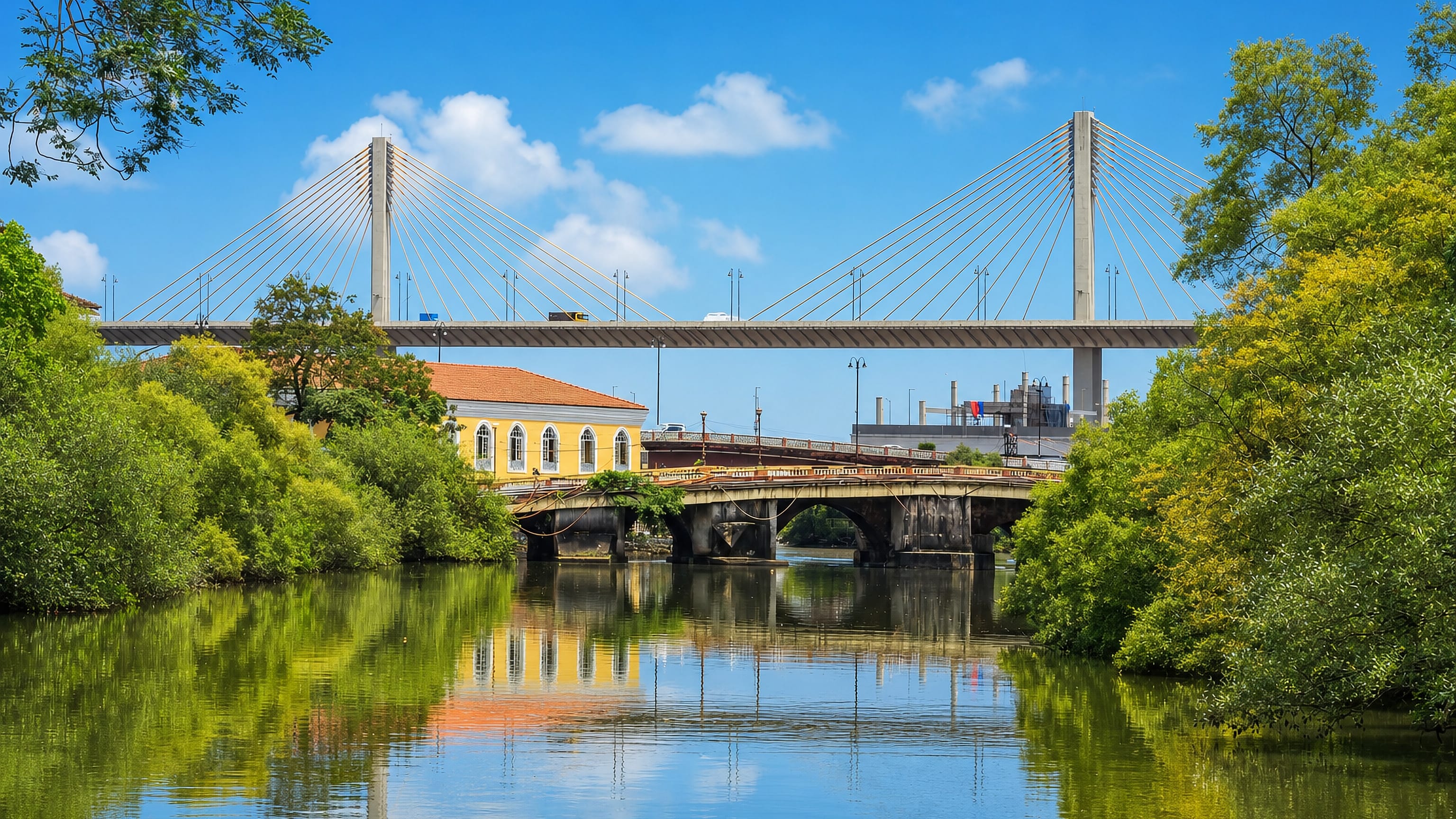
Panjim, also written Panaji, is the capital of Goa, a low-rise river city on the Mandovi estuary in the Tiswadi taluka.
Hotel links are affiliate links: booking through them may earn us a commission, at no extra cost to you. It never affects how places are ranked. How this works


Where to stay in Panjim
Where visitors usually base themselves, and why.
The Latin Quarter takes most first visits, a run of low-rise and red-roofed streets around Saint Sebastian's Chapel where the lanes stay too narrow for much traffic. Rooms in the quarter are scarce. Hotels here are small, and the walk to Our Lady of the Immaculate Conception Church or the Goa State Museum takes minutes rather than a ride.
Reserve a room early. Along the Mandovi, the riverfront blocks hold the larger and plainer hotels, with rooms facing the water and the road out towards North Goa. The trade-off is traffic.
Anyone here for the exhibition side of the capital gains little by moving, since the Goa Science Centre and Sunaparanta, Goa Centre for the Arts, sit within the same walkable stretch of the city. Margão and Mormugão, the other large centres in Goa, carry their own beds, and travellers working through the state often shift base between them rather than commuting back into Tiswadi each evening. Panjim rewards the slower plan.
A capital this size can be covered in a couple of days, though the Latin Quarter and the churches repay a longer stay than that.
Find hotels in Panjim
Direct booking searches for these neighbourhoods.
Latin Quarter
Low-rise and red-roofed streets around Saint Sebastian’s Chapel, minutes from Our Lady of the Immaculate Conception Church. Lodging is scarce in this area; reserve in advance.Find hotels in Latin Quarterlarger hotels and an early road out towards North GoaMandovi riverfront
Rooms facing the Mandovi estuary, with the Goa State Museum and the Goa Science Centre close in.Find hotels in Mandovi riverfronttrips that work the rest of Goa rather than the capitalMargão
The largest centre in Goa after Panjim, with its own beds and an easier reach across the state.Find hotels in MargãoHotel links are affiliate links: booking through them may earn us a commission, at no extra cost to you. It never affects how places are ranked. How this works
About Panjim
The old streets stay low-rise.
What is Panjim known for?
Panjim carries its Portuguese India inheritance in its churches and in the narrow Latin Quarter lanes that sit a short walk from the Mandovi waterfront. Our Lady of the Immaculate Conception Church anchors the centre, and Saint Sebastian's Chapel stands deeper in the quarter. The Goa State Museum, the Goa Science Centre, and Sunaparanta, Goa Centre for the Arts, cover the exhibition side of a capital small enough to cross on foot.
What are the main landmarks in Panjim?
Five names carry most visits. Our Lady of the Immaculate Conception Church is the one almost every itinerary reaches, with Saint Sebastian's Chapel a quieter stop inside the Latin Quarter itself. The Goa State Museum holds the state collections, and the Goa Science Centre works a different audience entirely.
Sunaparanta, Goa Centre for the Arts, rounds out the list.
What is the history of Panjim?
The date that matters is 1843. Panjim took the seat of Portuguese India in that year, which turned a settlement on the Mandovi estuary into the administrative centre of the territory. Street plans followed the offices.
The lanes of the Latin Quarter and the church fronts above them date from that century of building, and both outlasted the end of Portuguese rule in Goa. Low-rise building held on, and red roofs still cover much of the old town. Panjim kept its function afterwards, serving as the capital of Goa within India and the headquarters of the North Goa district, with the Tiswadi taluka around it.
Growth stayed modest. The city remains the largest urban agglomeration in Goa, ahead of Margão and Mormugão. The Goa State Museum keeps the record of that sequence, and Our Lady of the Immaculate Conception Church, Saint Sebastian's Chapel, and the houses between them stand as the built version of it.
Later additions changed the mix. Sunaparanta, Goa Centre for the Arts, and the Goa Science Centre belong to a different century of building from the churches, and their presence marks the shift from an administrative town to a capital that also programmes exhibitions.
Where is Panjim?
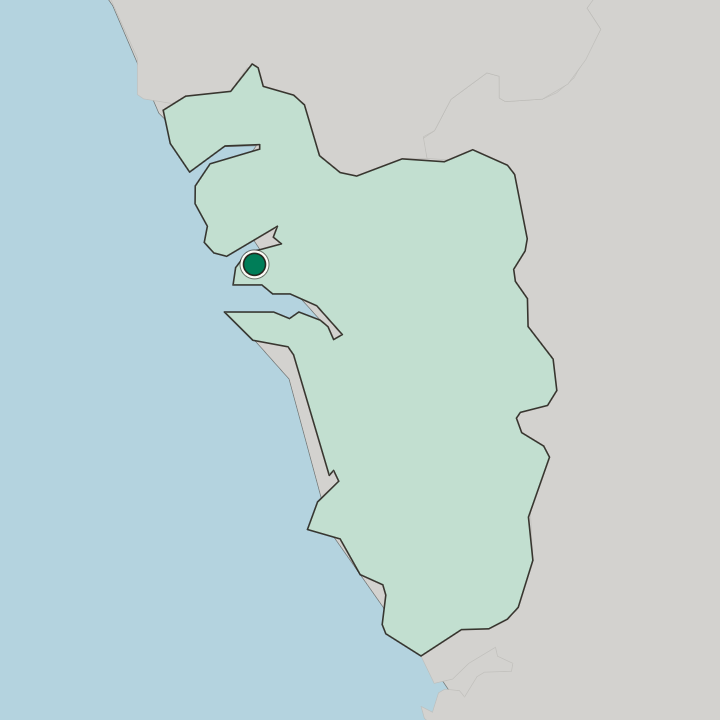
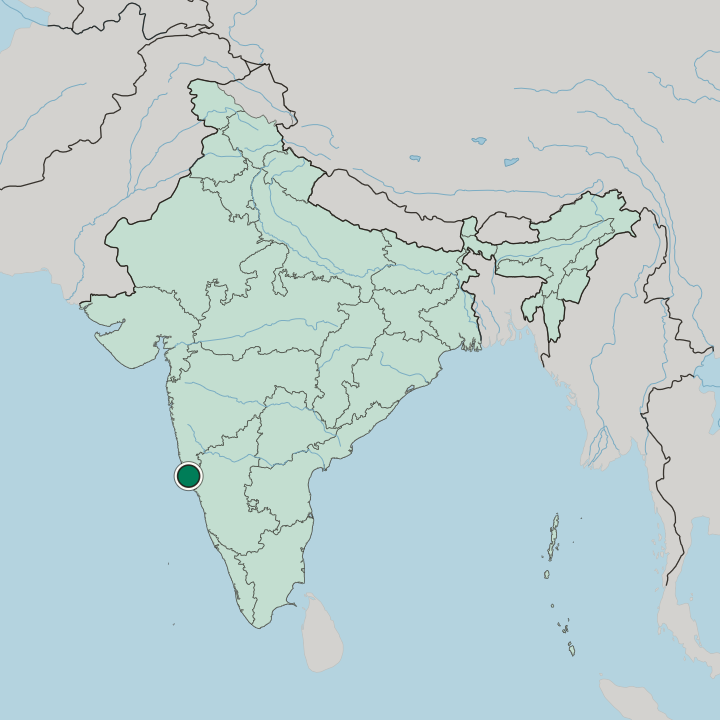
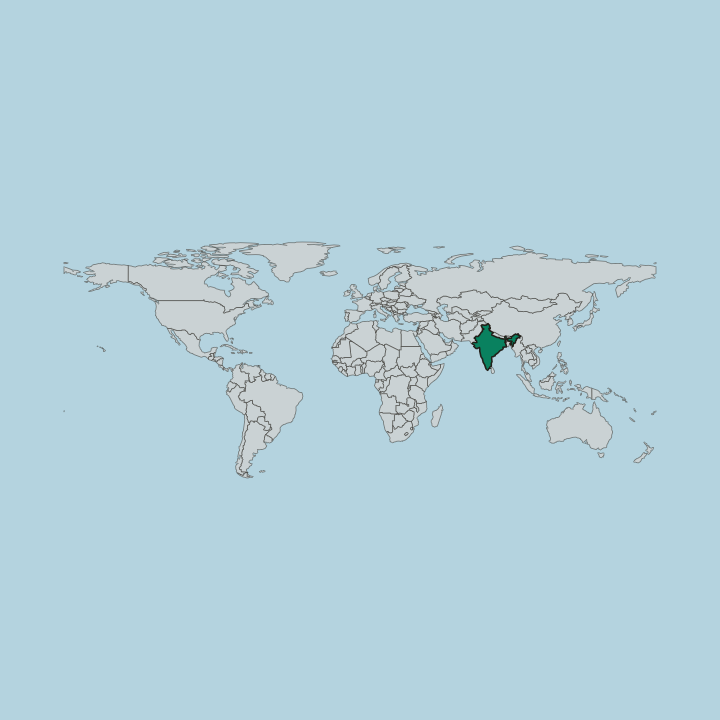
The estuary runs along one side. Panjim spreads over about 36 square kilometres of the Tiswadi taluka, with the Mandovi estuary along one flank and the rest of the North Goa district around it. Margão and Mormugão sit elsewhere in Goa, the two other centres of any size.
The city falls within the tropical band, and the estuary rather than any hill line gives it the one clear edge on a map.
What is the climate of Panjim?
Panjim sits well inside the tropics, so the year divides into wet and dry rather than into warm and cold months. The Mandovi keeps the air damp. Humidity off the estuary holds through the hot months, and the difference between a lane in the Latin Quarter and the open Mandovi front is felt more in shade than in temperature.
Rain comes in season.
How do you get to Panjim?
Arrivals come across the Mandovi. The estuary crossing carries the traffic into Panjim from the rest of the North Goa district, and the roads out of the capital run on towards Margão and Mormugão. Within Panjim itself the Tiswadi taluka is small, and most of the old core, including the Latin Quarter and the Goa State Museum, is reachable on foot from a single base.
Nothing in the old core is far.
Common questions
What is the best area to stay in Panjim?
Latin Quarter: walkers who want the old Panjim lanes at the door. Mandovi riverfront: larger hotels and an early road out towards North Goa. Margão: trips that work the rest of Goa rather than the capital.
Good for
More cities in Goa
Updated September 2026