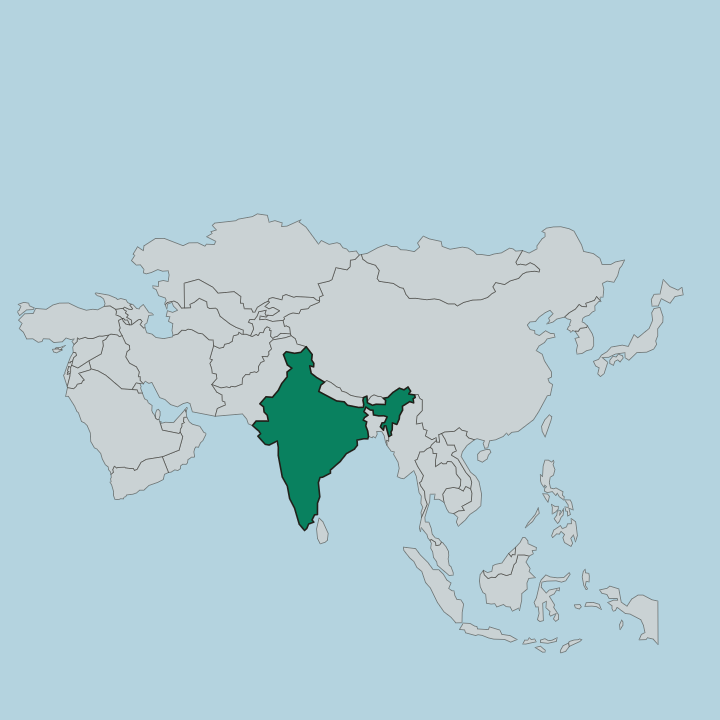
India · National Capital Territory of Delhi
Where to Stay in New Delhi, National Capital Territory of Delhi
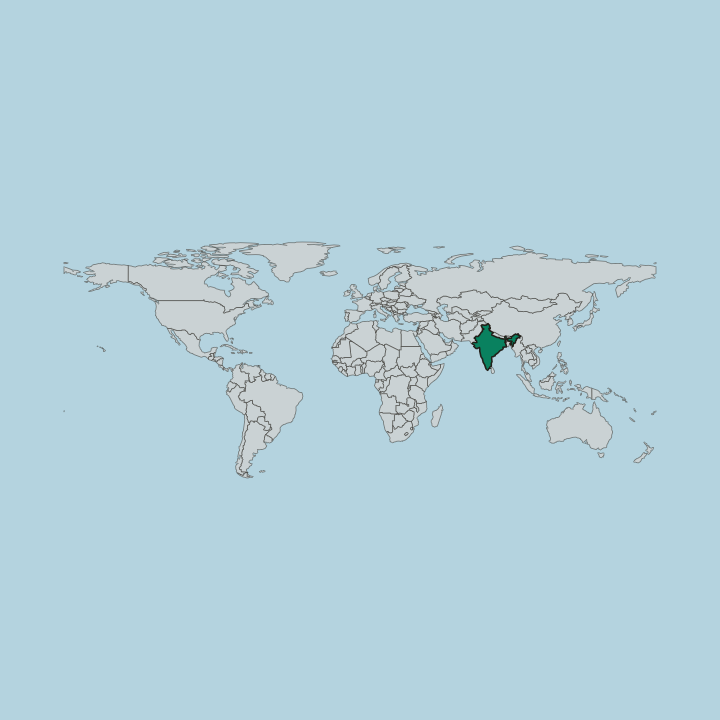
New Delhi is the capital of India, the seat of its government laid out across Lutyens' Delhi in the National Capital Territory of Delhi.
Hotel links are affiliate links: booking through them may earn us a commission, at no extra cost to you. It never affects how places are ranked. How this works


Where to stay in New Delhi
The right area depends on your trip — here's what each neighbourhood is best for.
 New DelhiIndia
Raisina Hill
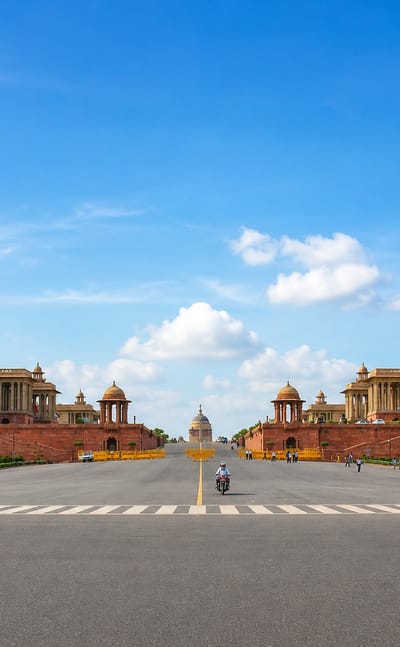
Raisina Hill is the government quarter of New Delhi, the ridge holding Rashtrapati Bhavan above the ministries.Where to stay → New DelhiIndia
Connaught Place
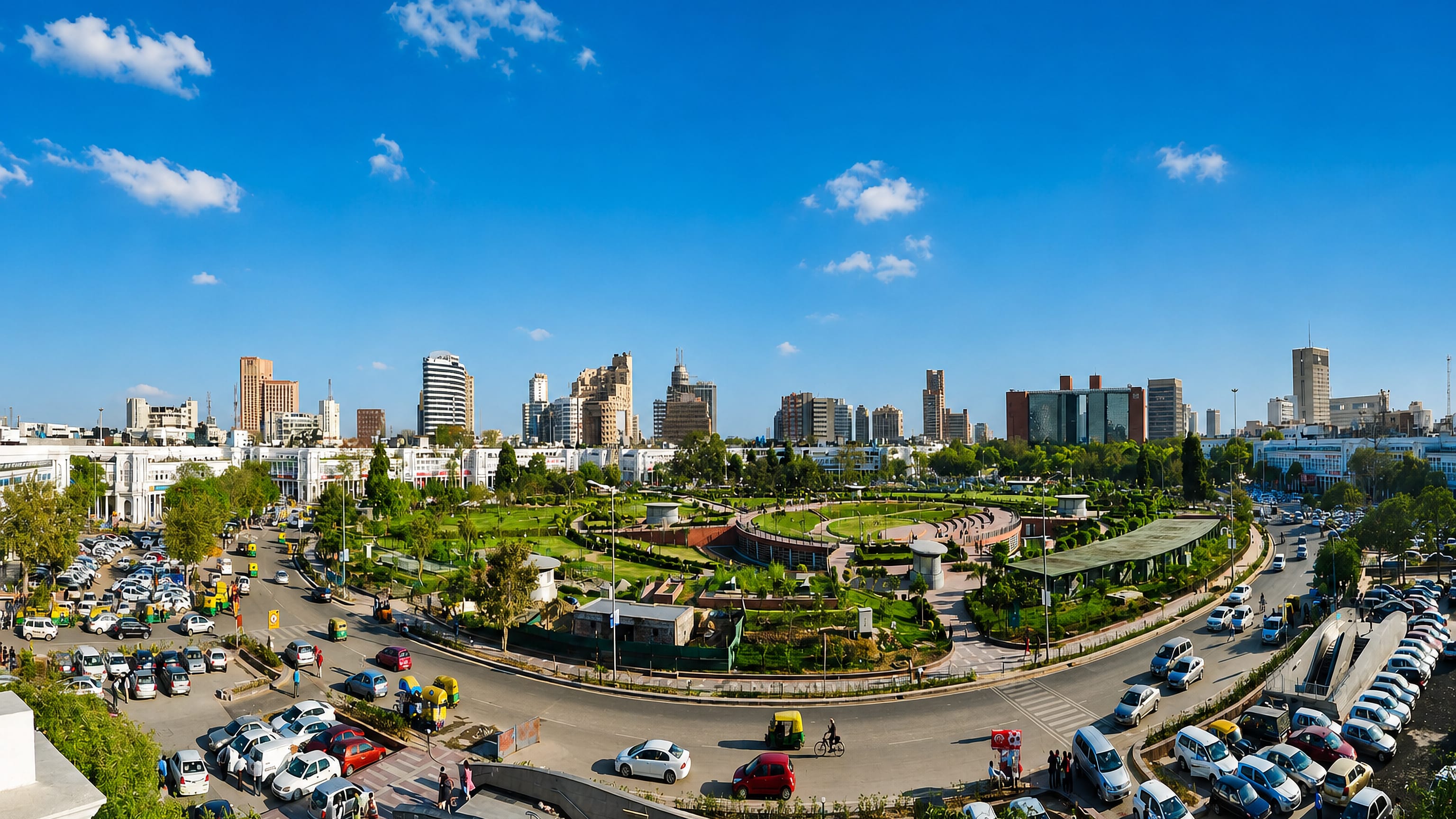
Connaught Place is the circular colonnaded business district at the heart of New Delhi, built in Georgian style.Where to stay →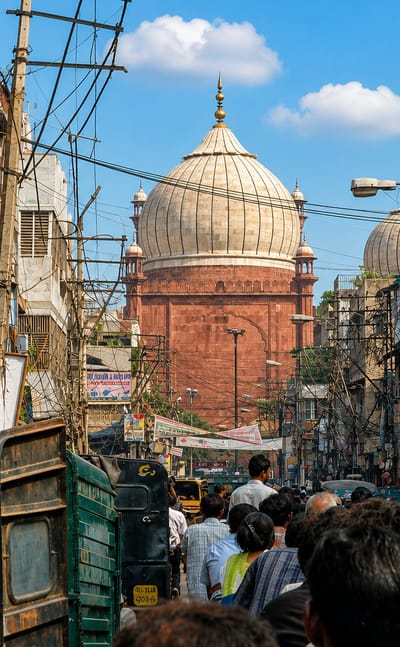 New DelhiIndia
Chawri Bazar
Chawri Bazar is one of the oldest market districts of New Delhi, near the poet's house at Ghalib ki Haveli.Where to stay → New DelhiIndia
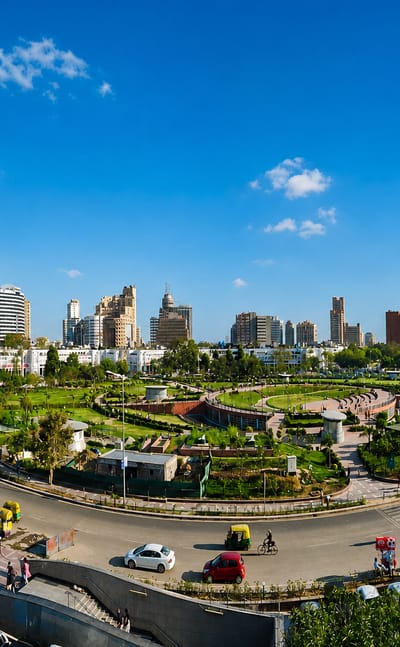
Nizamuddin East
Nizamuddin East is a leafy residential colony of New Delhi, laid out beside Mathura Road on the city's eastern side.Where to stay →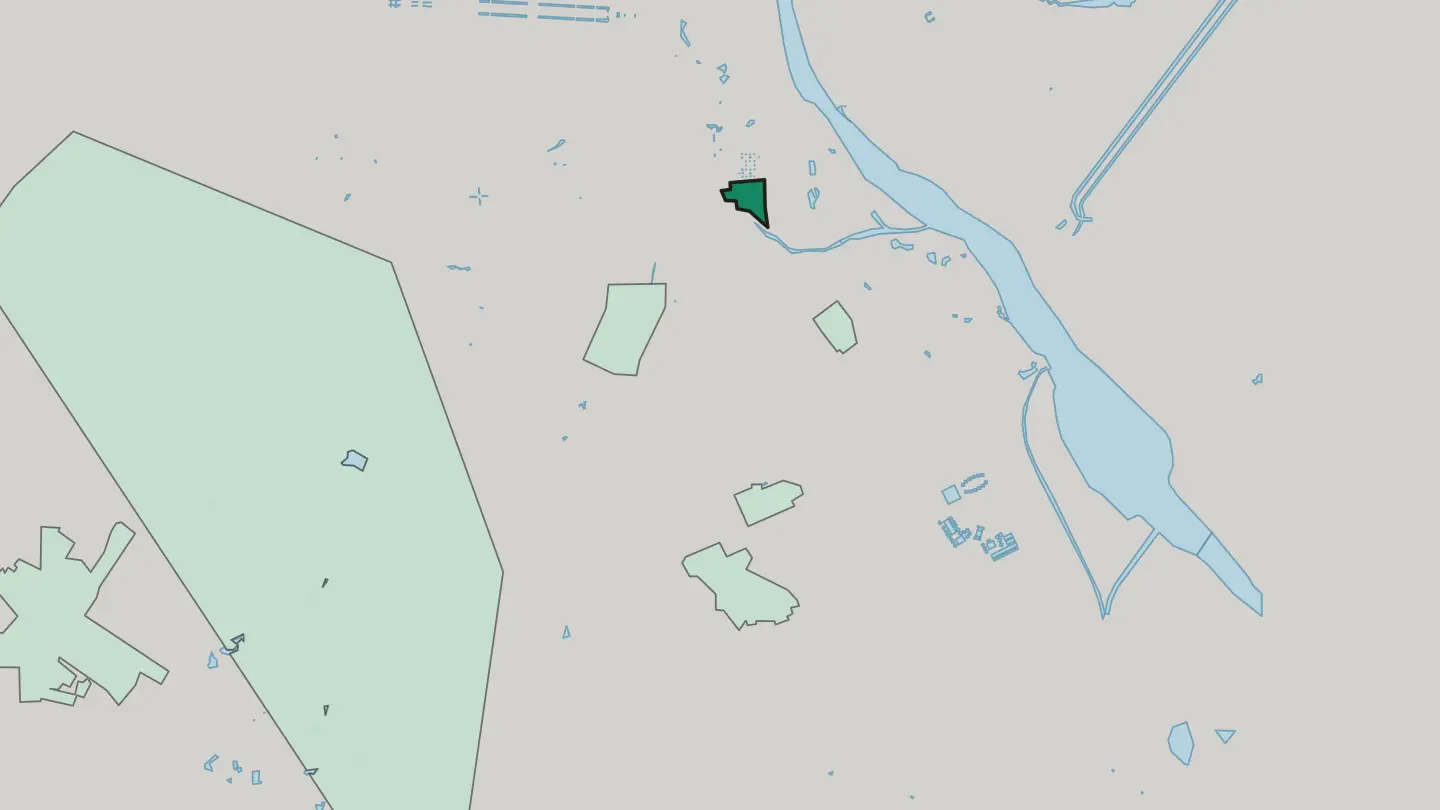
 New DelhiIndia
Defence Colony
Defence Colony is a planned New Delhi neighbourhood laid out in the 1960s for veterans of the Indian Armed Forces.Where to stay →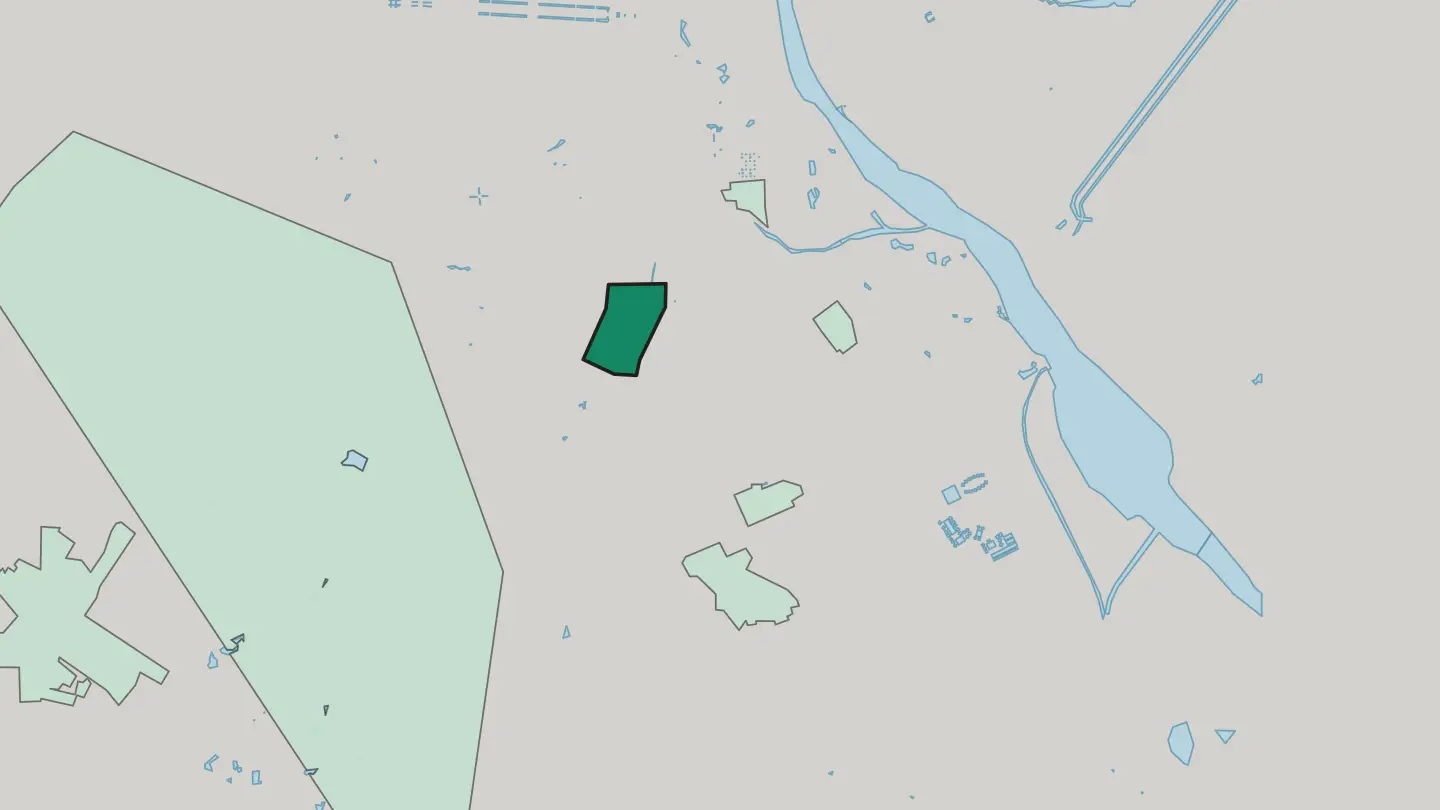 New DelhiIndia
Maharani Bagh
Maharani Bagh is a gated, upscale residential enclave of New Delhi, set within New Friends Colony in South East Delhi.Where to stay →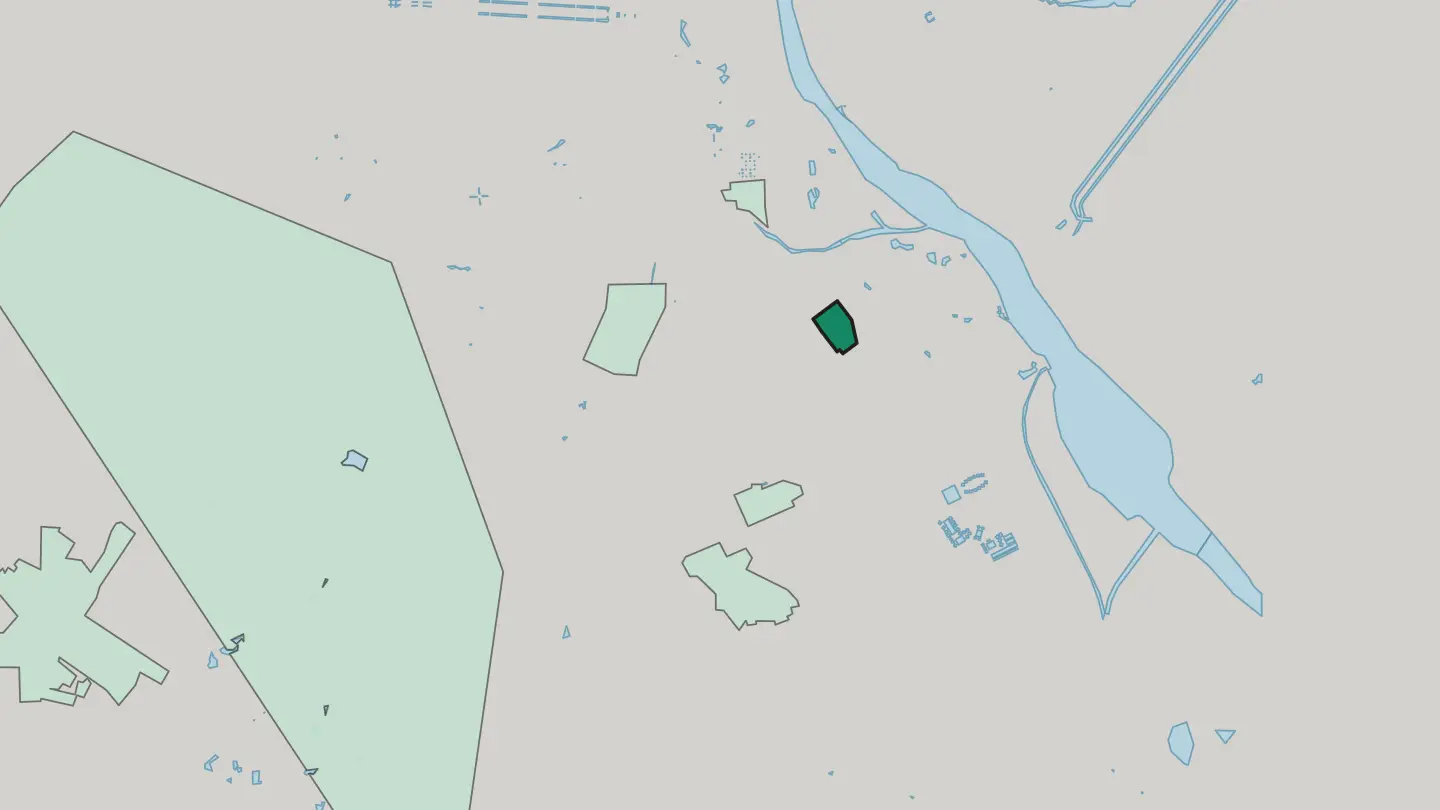 New DelhiIndia
Ber Sarai
Ber Sarai is a compact residential neighbourhood of New Delhi, set among the heritage sites of the Hauz Khas belt.Where to stay → New DelhiIndia
Nehru Place
Nehru Place is a large commercial centre in South Delhi, a working district of offices and traders within New Delhi.Where to stay →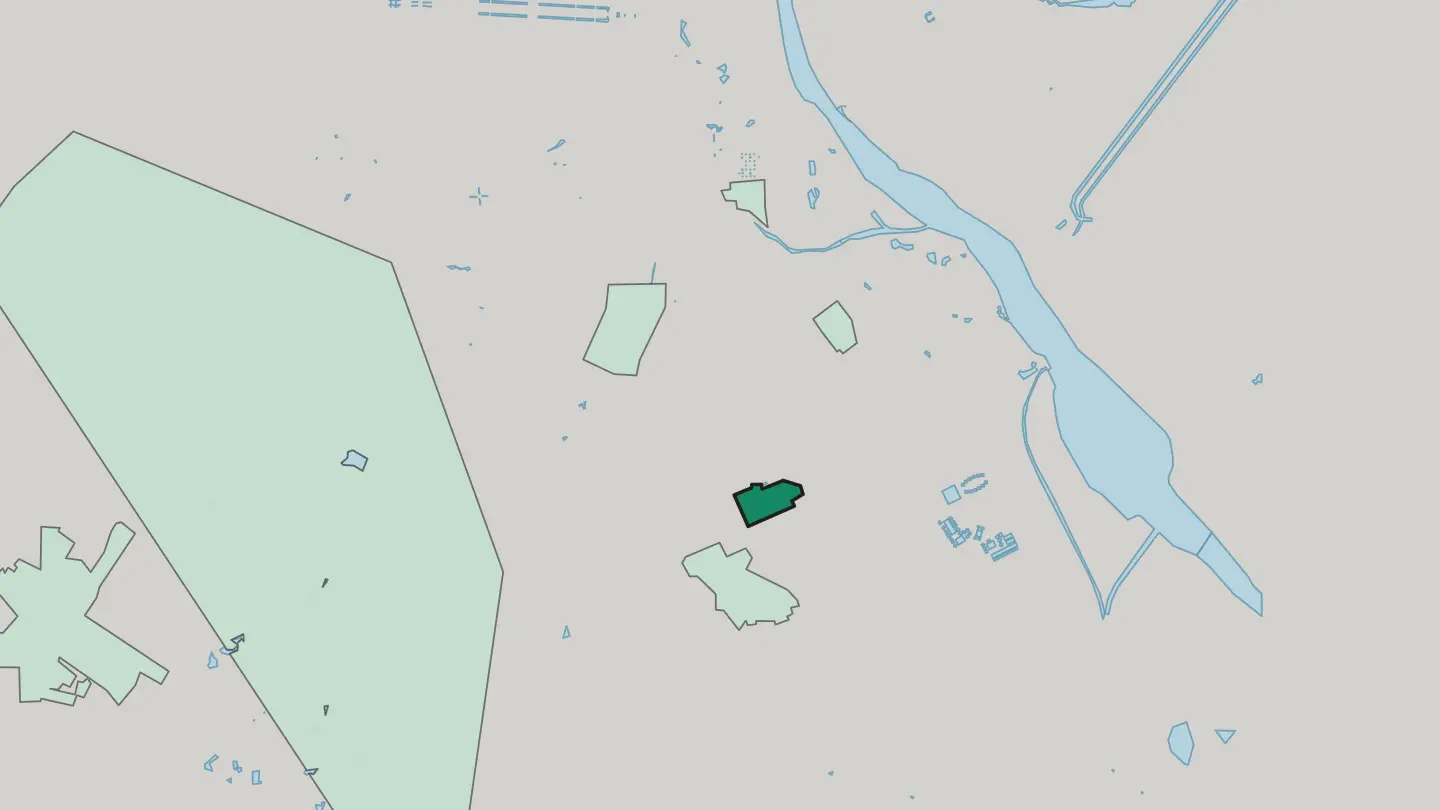 New DelhiIndia
Chittaranjan Park
Chittaranjan Park is a residential neighbourhood of New Delhi, India, best known for the Kiran Nadar Museum of Art.Where to stay →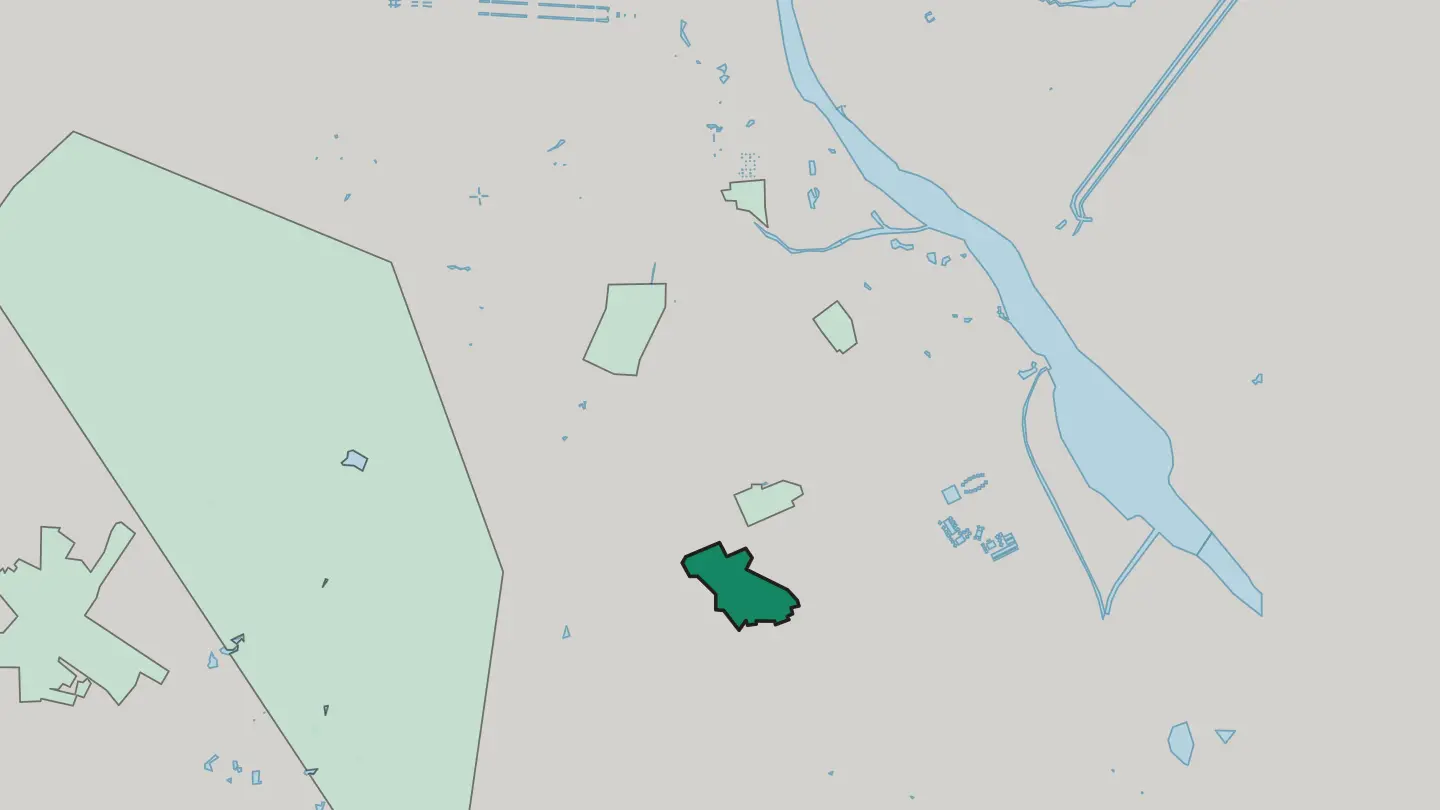 New DelhiIndia
Govindpuri
Govindpuri is a residential neighbourhood of New Delhi, India, ringed by the playing fields of the DDA Netaji Subhash Sports Complex.Where to stay →New DelhiIndiaShaheen Bagh
Shaheen Bagh is a residential neighbourhood of New Delhi, set beside the memorial grounds of the Rashtriya Dalit Prerna Sthal and Green Garden.Where to stay →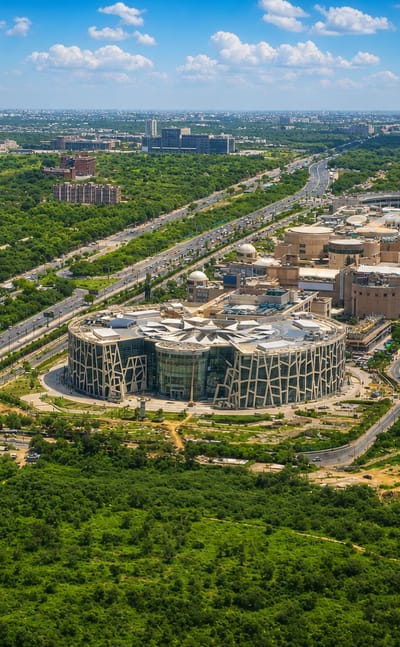 New DelhiIndia
Vasant Kunj
Vasant Kunj is a planned residential and mall district on the Aravalli edge of New Delhi, built around a circular glass shopping complex.Where to stay →Hotel links are affiliate links: booking through them may earn us a commission, at no extra cost to you. It never affects how places are ranked. How this works
Find hotels in New Delhi
Direct booking searches for these neighbourhoods.
Lutyens' Delhi
The grandest hotels line the avenues around the Rashtrapati Bhavan and Sansad Bhavan, steps from the National Museum and the National Gallery of Modern Art.Find hotels in Lutyens' Delhicheaper rooms across the capital territoryBeyond Lutyens' Delhi
The rest of the New Delhi district and the wider National Capital Territory of Delhi hold plainer rooms a drive from the government core. Beds are limited here, so book early.Find hotels in Beyond Lutyens' DelhiHotel links are affiliate links: booking through them may earn us a commission, at no extra cost to you. It never affects how places are ranked. How this works
Things to do in New Delhi
Ranked by global recognition; descriptions from Wikidata (CC0).
Museums & Galleries
3- Gandhi Smriti Heritage
- Teen Murti Bhavan Heritage
- National War Memorial
Churches & Religious Sites
3- Sacred Heart Cathedral, New Delhi Heritage
- St. Mary's Orthodox Cathedral Hauz Khas
- St. Luke's Church, New Delhi
Castles & Historic Sites
1- Gyarah Murti
Stadiums & Sports
3- Thyagaraj Sports Complex
- SPM Swimming Pool Complex
- DDA Netaji Subhash Sports Complex
Landmarks & Notable Places
1- Vice President House
worth knowingacross 5 categories in New Delhi
About New Delhi
New Delhi is known as the seat of the Government of India.
What is New Delhi known for?
The three branches of the state meet here, in the Rashtrapati Bhavan, in Sansad Bhavan, and in the Supreme Court, all set along the avenues of Lutyens' Delhi. Government defines it. Beyond the offices stand the national collections, from the National Museum and the National Gallery of Modern Art to Gandhi Smriti and the National War Memorial.
The capital wears its institutions openly.
What are the main landmarks in New Delhi?
New Delhi's landmarks cluster along the avenues of Lutyens' Delhi. The Rashtrapati Bhavan, Sansad Bhavan, and the National War Memorial mark the ceremonial core, while the national collections gather close by. The museums run deep.
Within a short radius stand the National Museum, the National Gallery of Modern Art, Gandhi Smriti, Teen Murti Bhavan with the Prime Ministers Museum & Library, and Sacred Heart Cathedral. Culture keeps its own address here at Triveni Kala Sangam.
What is the history of New Delhi?
New Delhi was founded in 1911 as a planned capital. The new city rose beside the older settlements of Delhi, laid out on a grid of broad avenues and roundabouts that came to be known as Lutyens' Delhi. It began as an act of design.
Rather than spreading outward from a market or a fort, the capital was drawn on paper first, its long axes fixed across the ground that would carry the seat of government. Government gave the young city its shape. Over the century that followed, New Delhi drew in the three branches of the Government of India, the Rashtrapati Bhavan, Sansad Bhavan, and the Supreme Court settling along its avenues, while the national museums and memorials gathered around them.
The institutions kept coming. The National Museum, Teen Murti Bhavan with the Prime Ministers Museum & Library, Gandhi Smriti, and the National War Memorial each took their place in the plan, turning the capital into a city of collections and offices alike. Civic administration caught up later.
The New Delhi Municipal Council took charge of the core, and the municipality settled within the wider New Delhi district of the National Capital Territory of Delhi. The plan of 1911 still holds. Its avenues, roundabouts, and vistas remain the frame on which the capital of India has been built.
Where is New Delhi?
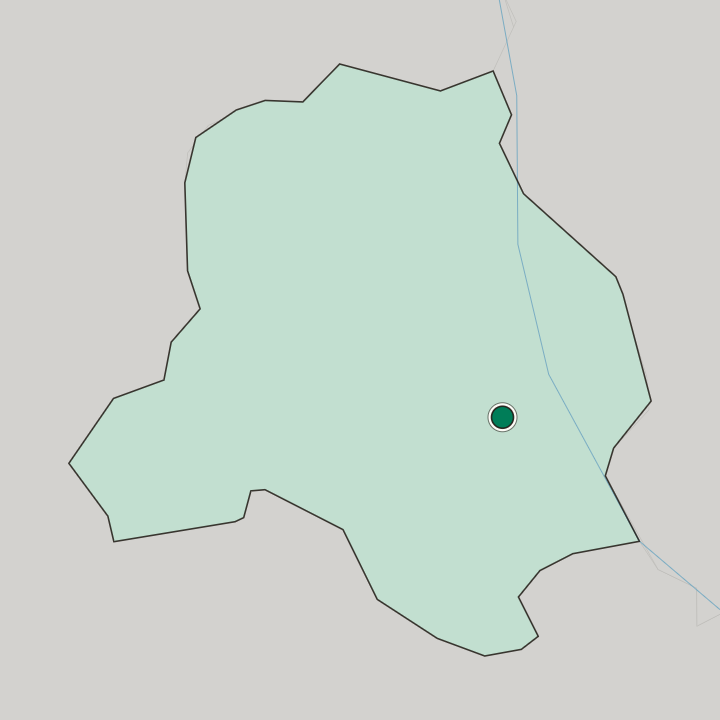
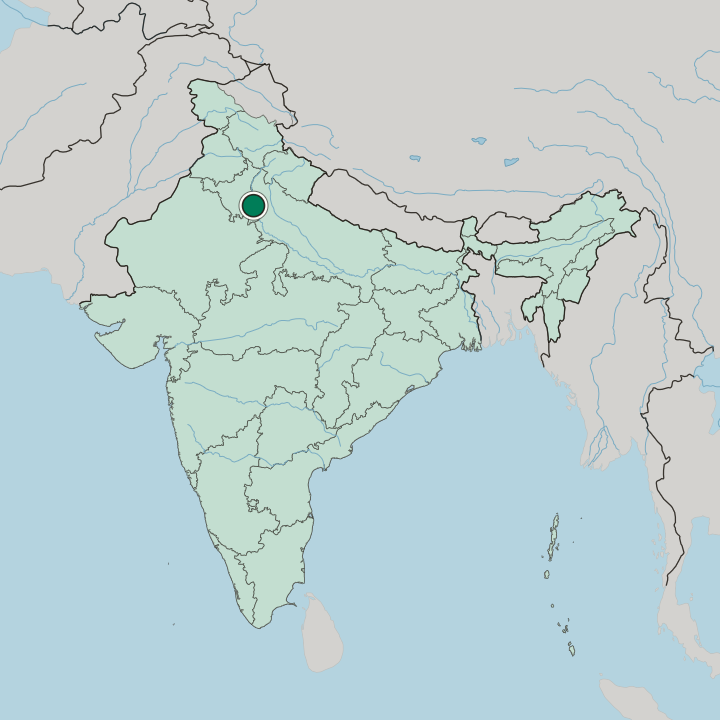
New Delhi occupies the planned core of the National Capital Territory of Delhi. The municipality covers Lutyens' Delhi and a few adjoining areas, and forms the central part of the wider New Delhi district that surrounds it. It lies well inland.
The capital stands away from any coast, set among the older quarters of Delhi, with the avenues of Lutyens' Delhi laid over the ground at the heart of the territory. India governs from this compact centre.
What is the climate of New Delhi?
New Delhi has a hot subtropical climate with sharply divided seasons. Long and very hot months build through spring and early summer, before the monsoon breaks and turns the air humid over the National Capital Territory of Delhi. Winters run cool.
Once the rains pass, the capital settles into a short and mild cool season, with chilly, hazy mornings across the territory before the heat returns. The range across the year is wide.
How do you get to New Delhi?
New Delhi is reached as the heart of the National Capital Territory of Delhi. As the capital of India and the seat of the Government of India, it draws road and rail routes from across the country toward the government quarter of Lutyens' Delhi. All roads seem to bend here.
Within the city, the wide avenues and roundabouts of the plan carry traffic between the Rashtrapati Bhavan, the museums, and the surrounding New Delhi district. Arrival puts the institutions at hand.
Common questions
What is the best area to stay in New Delhi?
Lutyens' Delhi: the government and museum quarter. Beyond Lutyens' Delhi: cheaper rooms across the capital territory.
Good for
More cities in National Capital Territory of Delhi
Updated October 2026