India · National Capital Territory of Delhi
Where to Stay in Delhi, National Capital Territory of Delhi
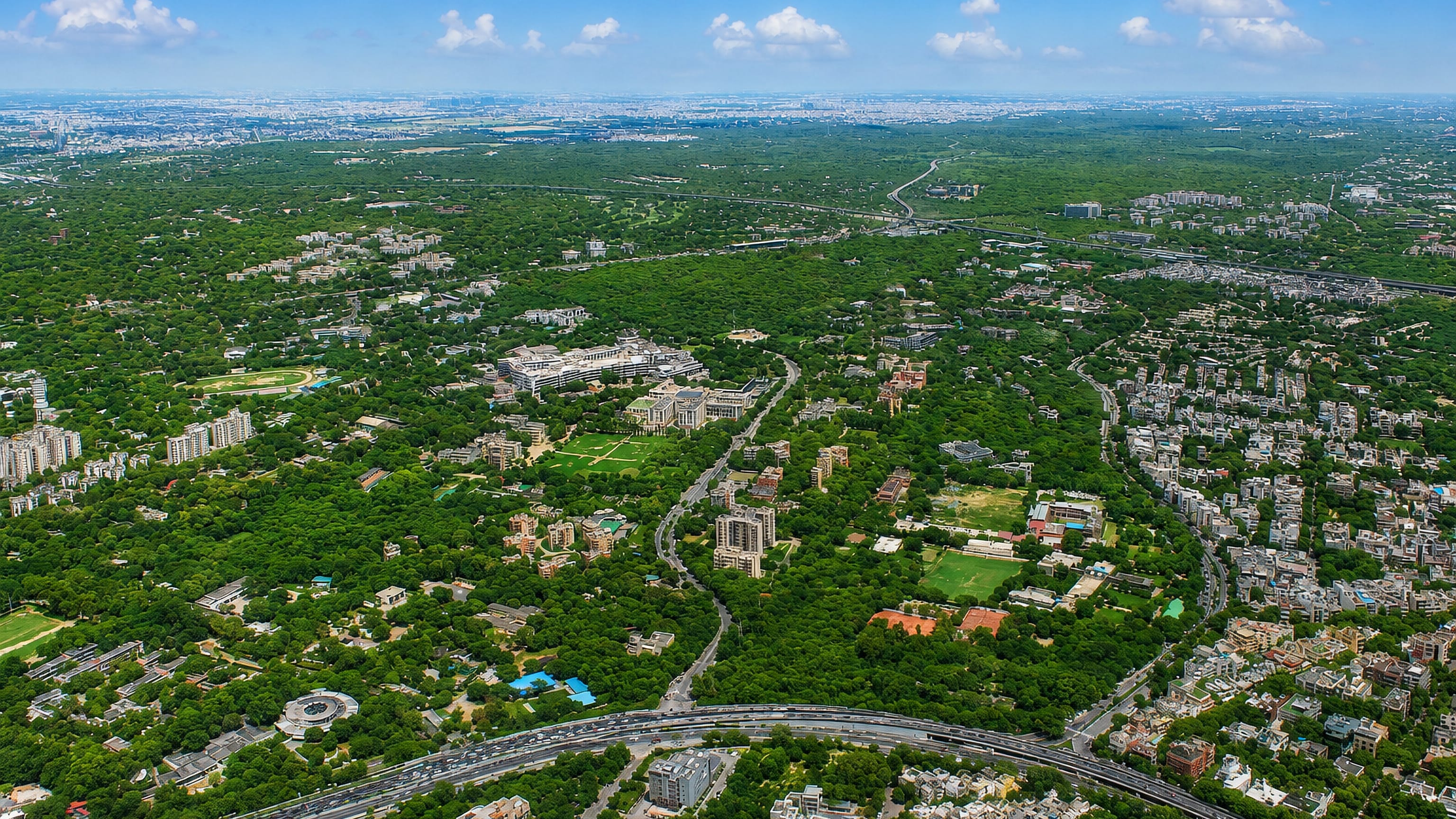
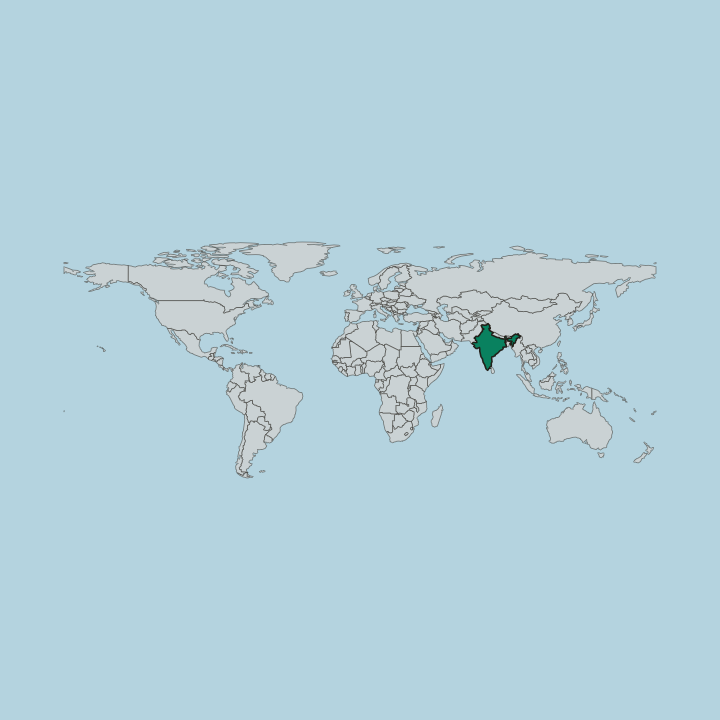
Old ramparts and river flats meet the modern grid in Delhi, the megacity of the National Capital Territory of Delhi, spread along the Yamuna.
Hotel links are affiliate links: booking through them may earn us a commission, at no extra cost to you. It never affects how places are ranked. How this works


Where to stay in Delhi
The right area depends on your trip — here's what each neighbourhood is best for.

 DelhiIndia
Old Delhi
Old Delhi is the walled quarter Shah Jahan laid out as Shahjahanabad in 1648, west of the Yamuna River. The Red Fort guards it, Chandni Chowk runs through.Where to stay →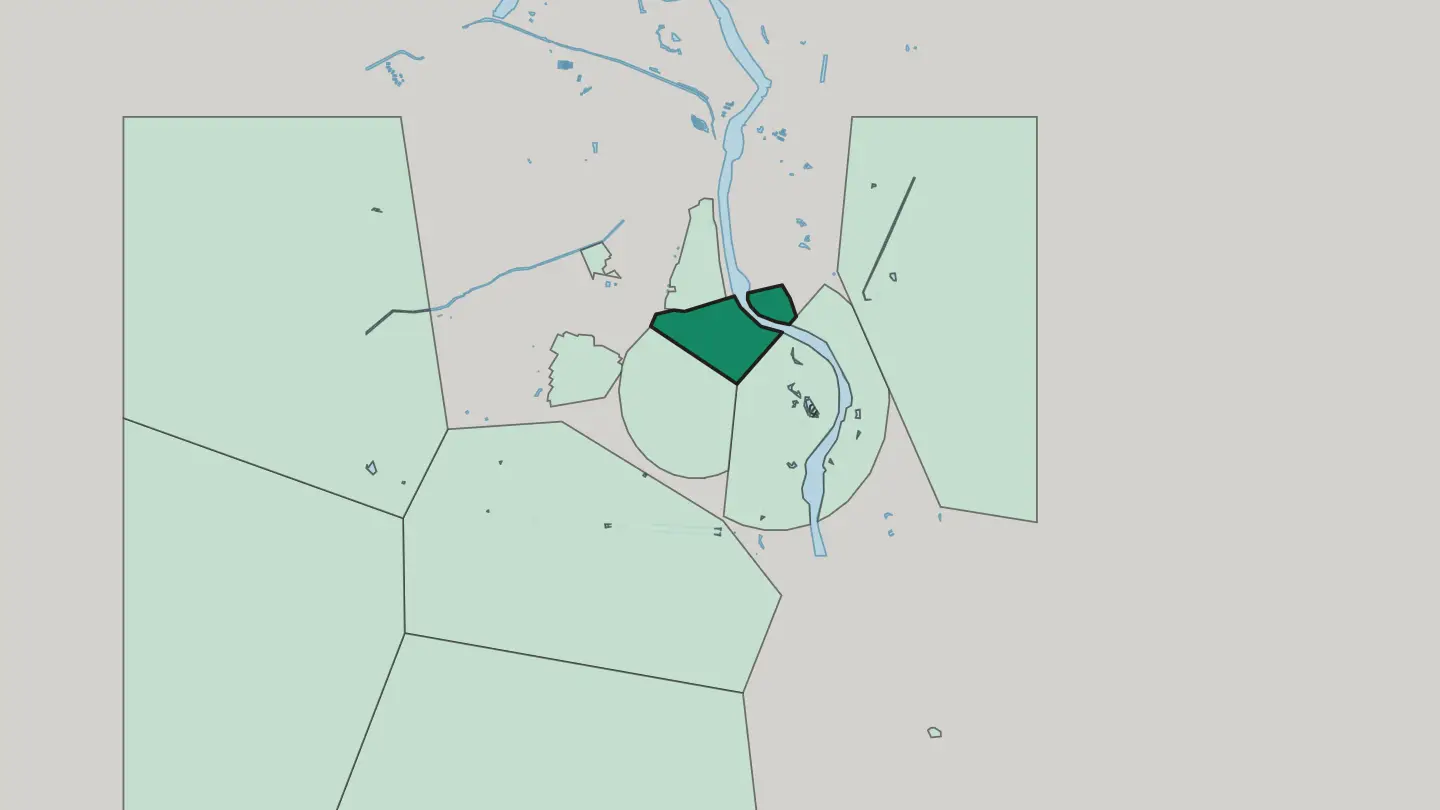
 DelhiIndia
Civil Lines
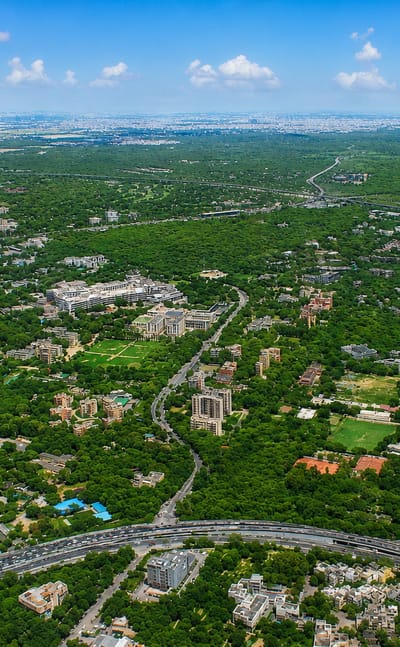
Civil Lines is a district of north Delhi, laid out under the Raj for colonial officers and long known as White Town, running toward Delhi University.Where to stay →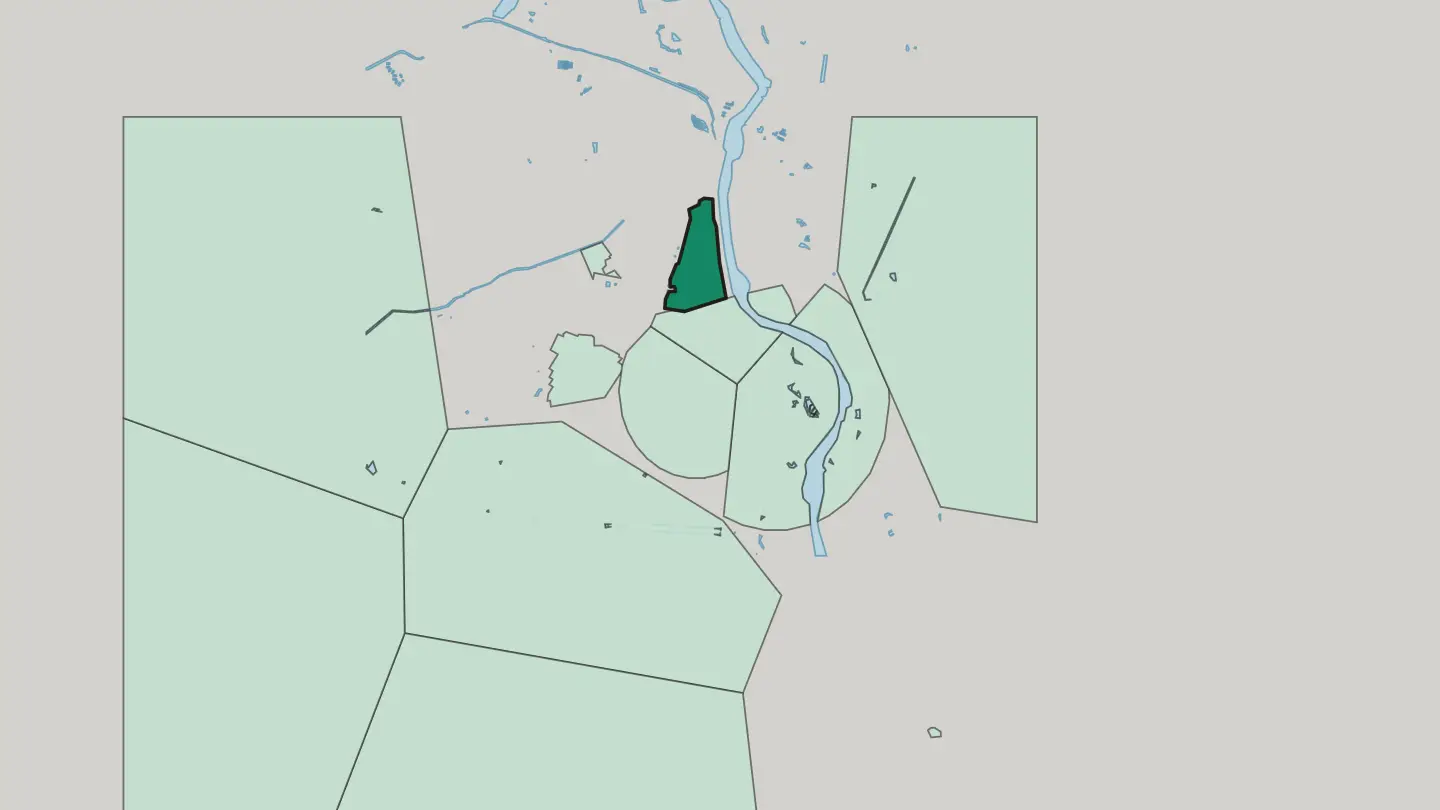 DelhiIndia
Garstin Bastion Road
Garstin Bastion Road, officially Swami Shraddhanand Marg, runs the southern edge of Old Delhi from Ajmeri Gate to Lahori Gate inside Shahjahanabad.Where to stay →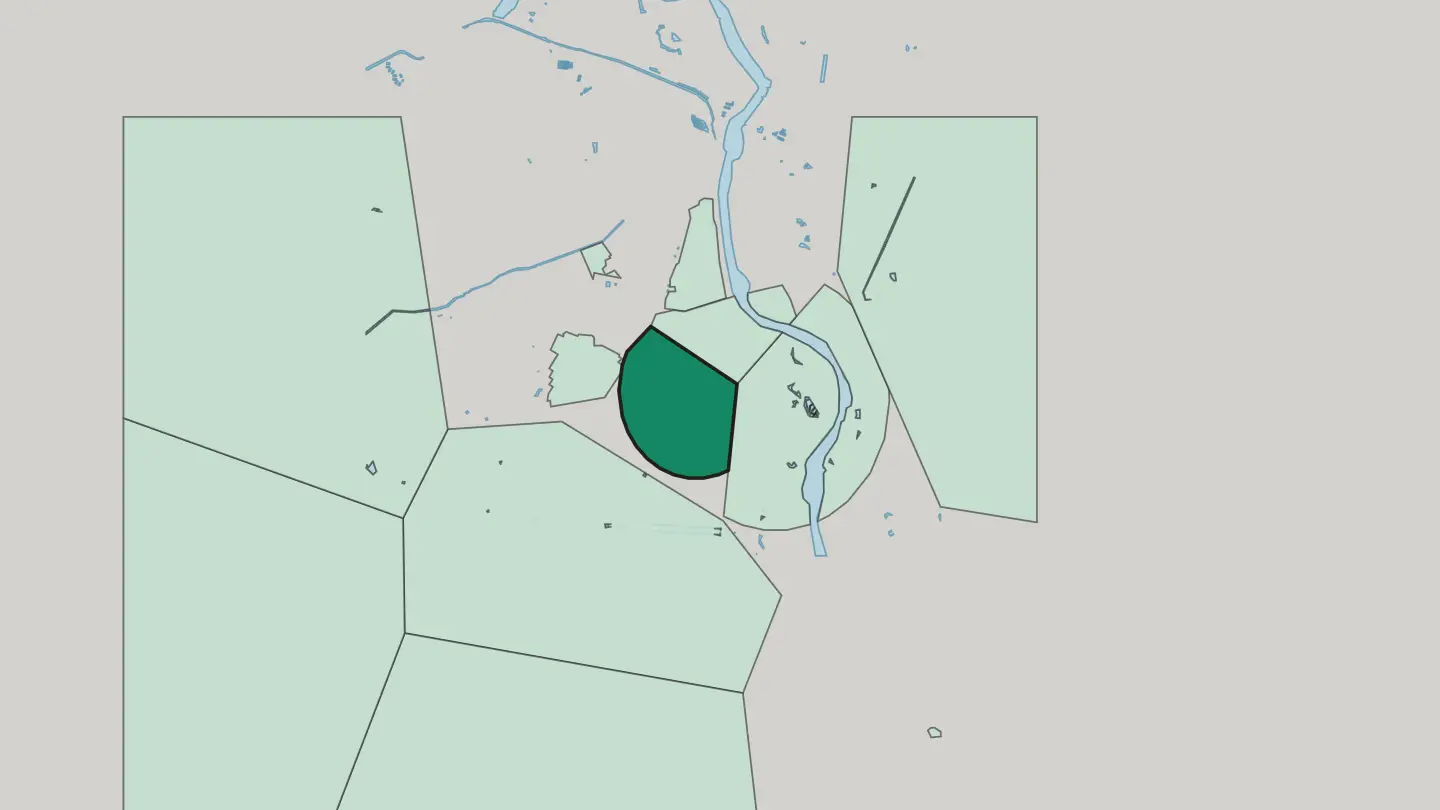 DelhiIndia
Shakti Nagar
Shakti Nagar is a quarter in north Delhi, west of the Delhi University North Campus below the wooded Northern Ridge. Kamla Nagar shops are near.Where to stay →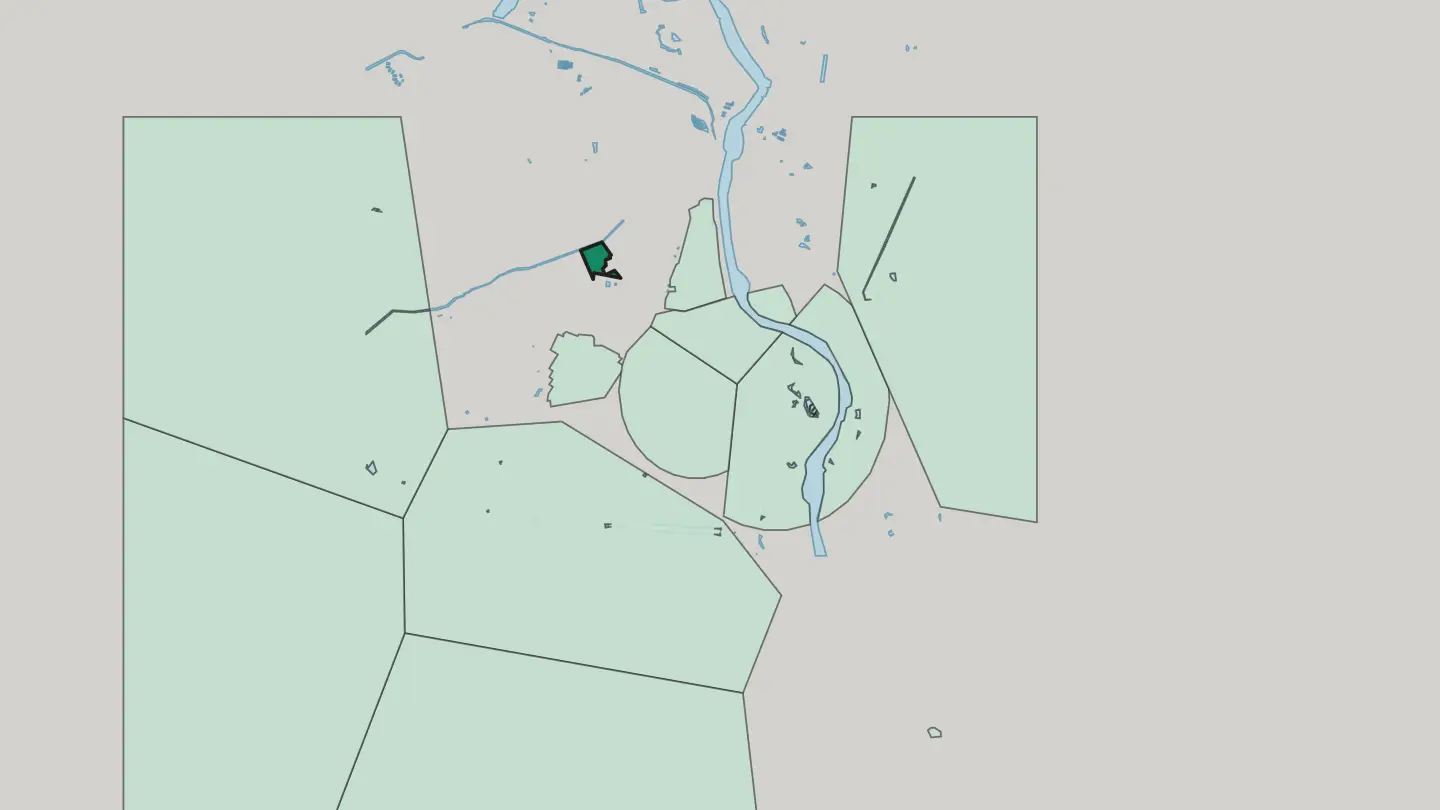
 DelhiIndia
Karol Bāgh
Karol Bāgh is a mixed residential and commercial quarter of Delhi, known for the shopping streets around Ajmal Khan Road and the Ghaffar Market.Where to stay →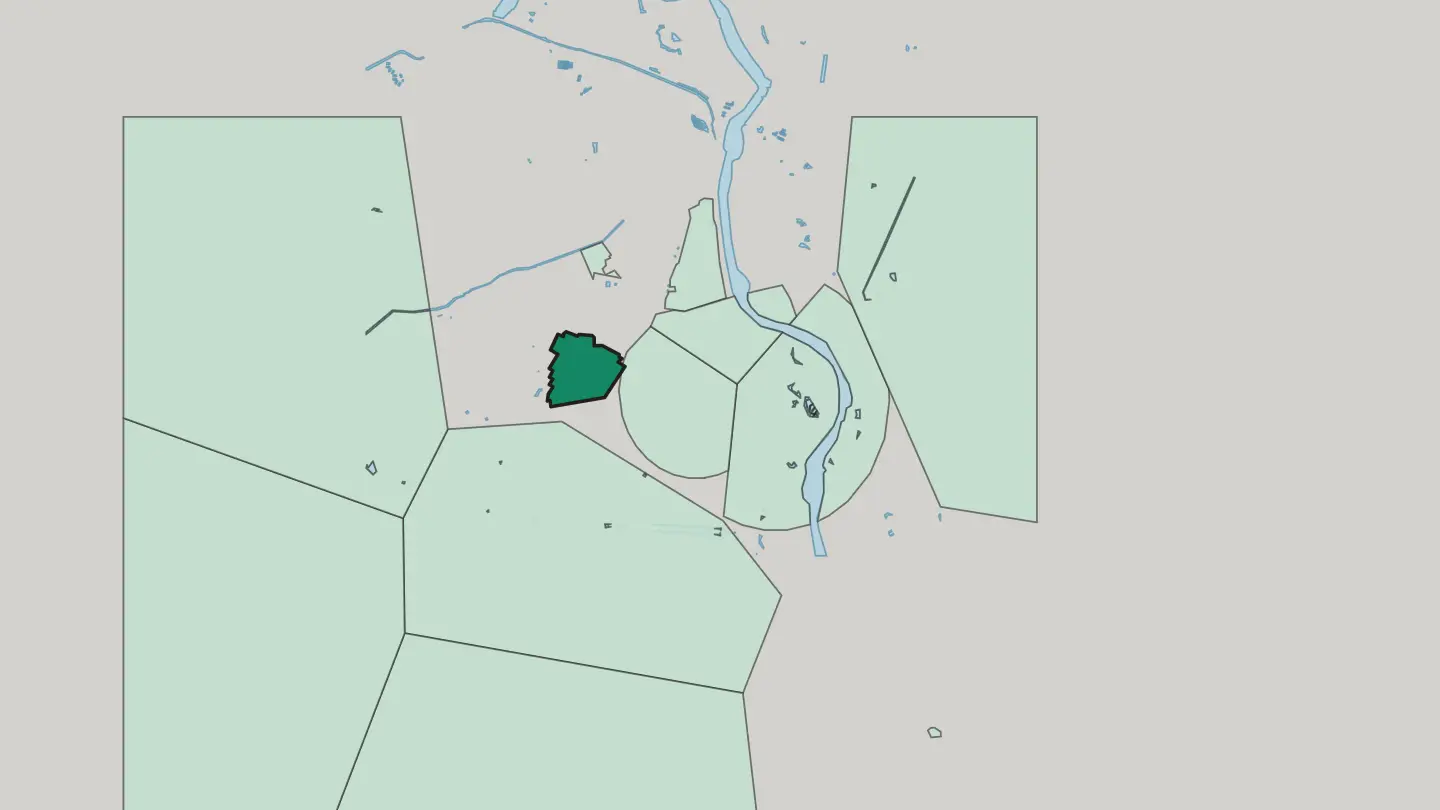
 DelhiIndia
Central Delhi district
Central Delhi is a district of the National Capital Territory of Delhi around the old walled city: Chandni Chowk, the Red Fort, and Raj Ghat.Where to stay →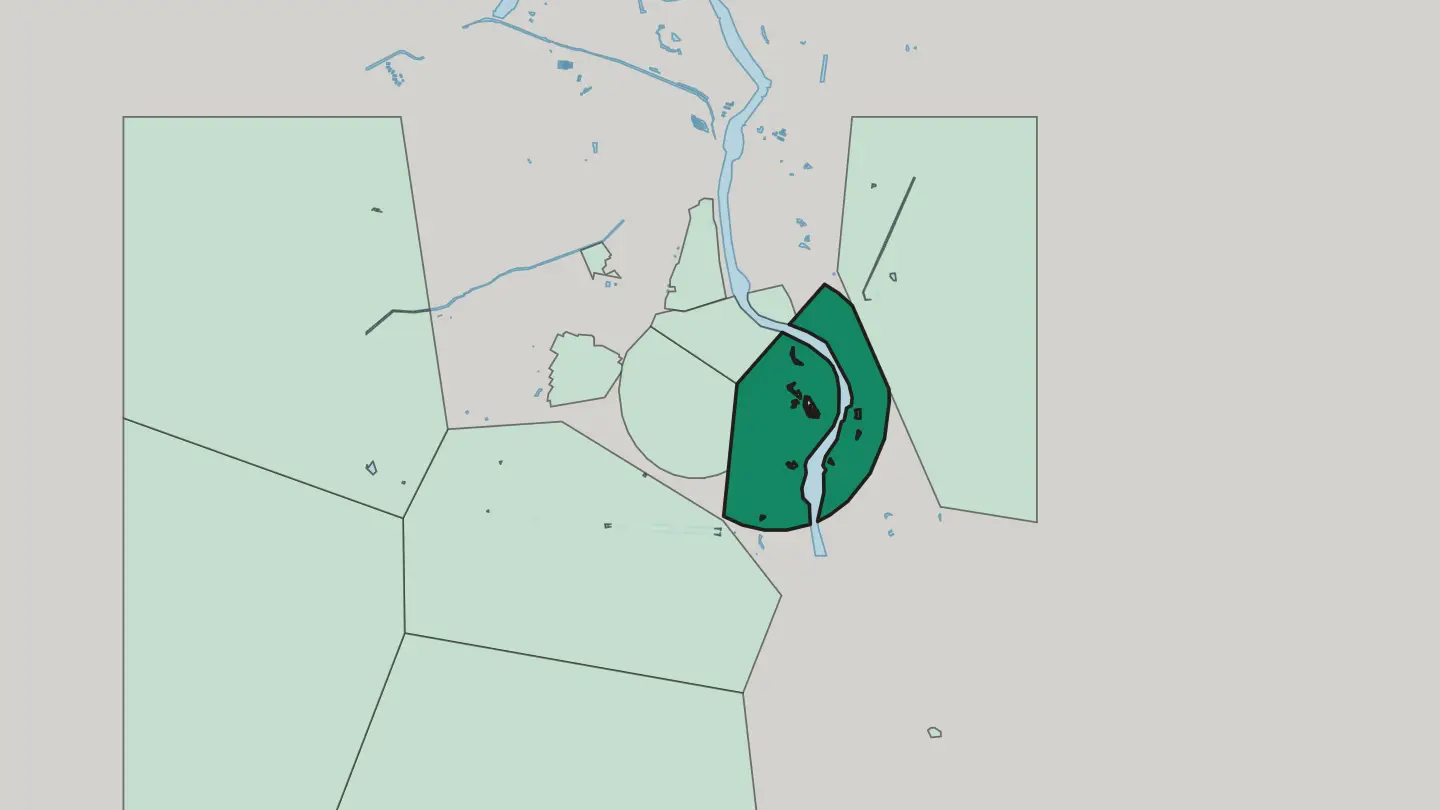 DelhiIndia
New Delhi district
The New Delhi district is one of eleven districts of Delhi, the planned imperial capital of Lutyens' Delhi, with the National Museum on Janpath.Where to stay →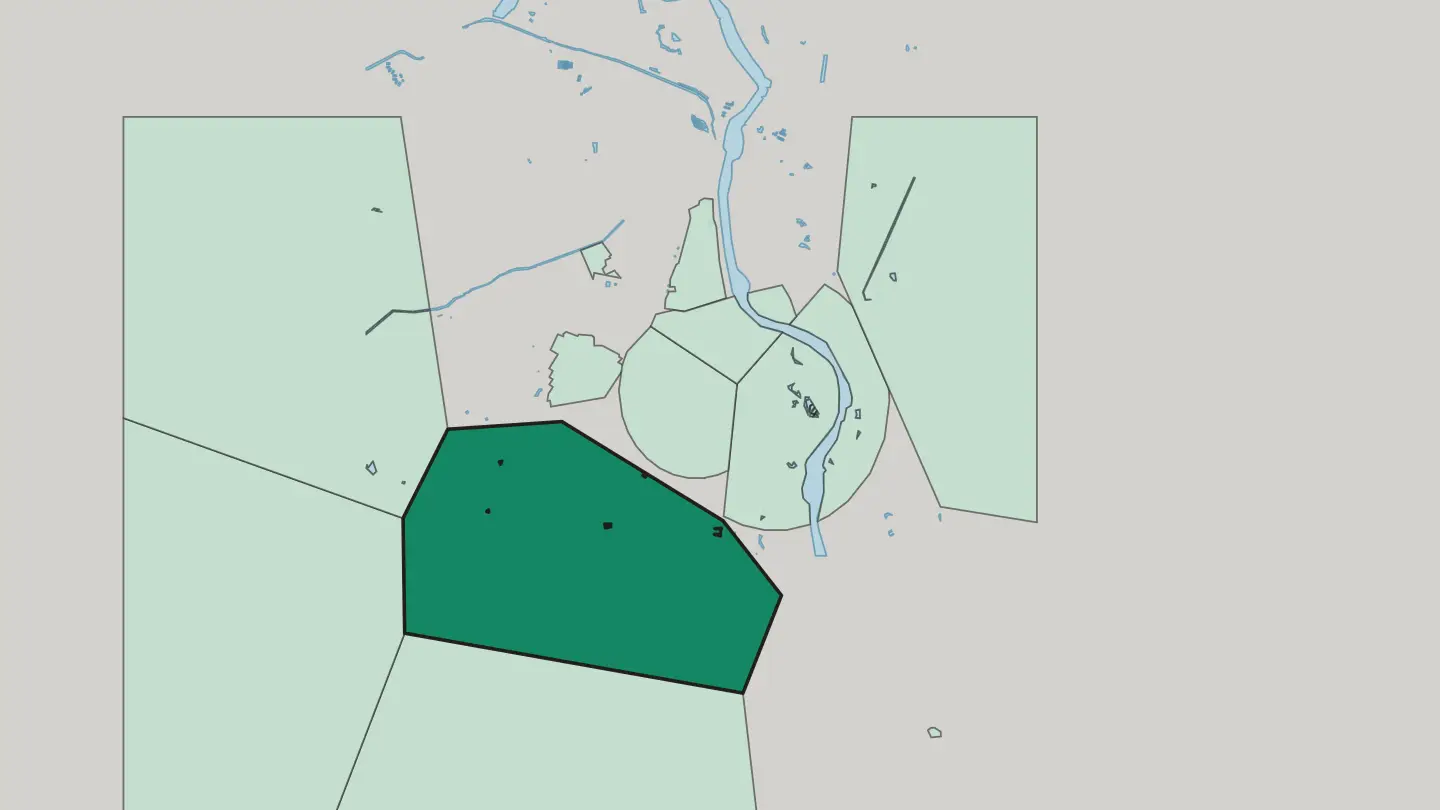 DelhiIndia
Shahdara district
Shahdara is a Delhi district on the east bank of the Yamuna, holding the Yamuna Sports Complex and Saint Sebastian's Church. Residential and industrial.Where to stay →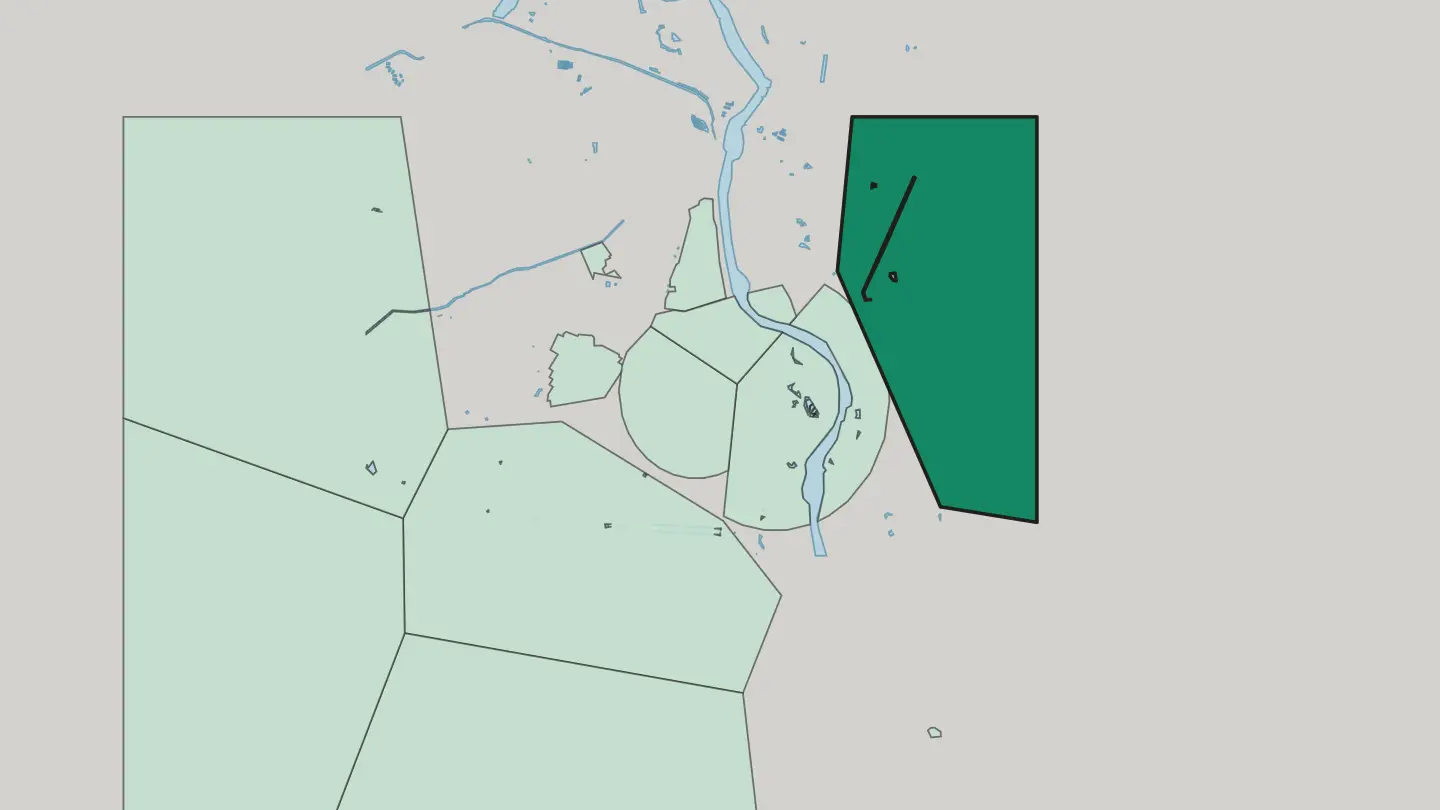 DelhiIndia
West Delhi district
West Delhi district covers the National Capital Territory of Delhi's west: Patel Nagar, Rajouri Garden, Punjabi Bagh, Janakpuri, Uttam Nagar, Tilak Nagar.Where to stay →DelhiIndiaSouth Delhi district
South Delhi covers the southern reach of the National Capital Territory of Delhi: Saket, Hauz Khas, Mehrauli. Chor Minar stands, the Sanskriti Museums too.Where to stay → DelhiIndia
Okhla
Okhla is an industrial locality in southeast Delhi, stretching to the Yamuna and the Noida boundary. DDA Netaji Subhash Sports Complex is here.Where to stay →DelhiIndiaSouth West Delhi district
South West Delhi is one of 11 districts of the National Capital Territory of Delhi, run from Kapashera, with the Sulabh International Museum of Toilets.Where to stay →Hotel links are affiliate links: booking through them may earn us a commission, at no extra cost to you. It never affects how places are ranked. How this works
Find hotels in Delhi
Direct booking searches for these neighbourhoods.
The old walled city
Dense layered heart around the Red Fort Archaeological Museum and the Ghalib ki Haveli, near the Mutiny Memorial at Kashmiri GateFind hotels in The old walled citySpacious stays near the capital's avenues and memorialsNew Delhi's planned quarter
Greener planned capital of New Delhi on broad avenues near the war memorials, roomier than the old cityFind hotels in New Delhi's planned quarterWooded, monument-dotted stays near the Flagstaff TowerThe ridge quarters
Wooded ridge ground above the plain around the Flagstaff Tower and the Mutiny MemorialFind hotels in The ridge quartersHotel links are affiliate links: booking through them may earn us a commission, at no extra cost to you. It never affects how places are ranked. How this works
Things to do in Delhi
Ranked by global recognition; descriptions from Wikidata (CC0).
Museums & Galleries
3- Gandhi Smriti Heritage
- Teen Murti Bhavan Heritage
- National Rail Museum
Churches & Religious Sites
3- Sacred Heart Cathedral, New Delhi Heritage
- St. James' Church, Delhi
- Central Baptist Church, Delhi
Castles & Historic Sites
3- Mutiny Memorial Heritage
- Mutiny Memorial at Kashmiri Gate Heritage
- Ludlow Castle, Delhi
Stadiums & Sports
2- Delhi University Stadium
- DDA Netaji Subhash Sports Complex
Landmarks & Notable Places
2- Chor Minar Heritage
- Flagstaff Tower Heritage
worth knowingacross 5 categories in Delhi
About Delhi
What is Delhi known for?
Delhi is known for its layered heritage, its museums, and its role as the seat of the National Capital Territory of Delhi. It holds New Delhi, the capital, within its bounds. Its history runs deep.
The Red Fort Archaeological Museum, the Ghalib ki Haveli, and the Partition Museum, Delhi trace the city's past, while the Dr. Ambedkar National Memorial and a cluster of colonial churches such as St. James' Church, Delhi mark its more recent centuries.
What are the main landmarks in Delhi?
Delhi's landmarks span forts, memorials, and churches. Beside the old fort, the Red Fort Archaeological Museum displays finds from the city's imperial past. The ridge holds the Flagstaff Tower and the Mutiny Memorial, colonial-era markers above the plain.
Churches such as St. James' Church, Delhi, St. Stephen's Church, Delhi, and the Central Baptist Church, Delhi line the older quarters, while the Ghalib ki Haveli preserves the home of a celebrated poet and the Indian War Memorial Museum records the wars.
What is the history of Delhi?
Delhi has served as a capital across many centuries and successive empires. Layers of that past survive in stone: the old fort and the finds gathered in the Red Fort Archaeological Museum, the poet's house at the Ghalib ki Haveli, and the ridge markers such as the Flagstaff Tower and the Mutiny Memorial that recall the colonial-era conflict. Empires rose and fell here.
Each left monuments, churches, and memorials that still stud the city, from St. James' Church, Delhi to the Mutiny Memorial at Kashmiri Gate. The modern administrative frame is younger than the monuments. Delhi became a union territory in 1956 and was reconstituted as the National Capital Territory of Delhi in 1995, and it holds New Delhi, the national capital, within its bounds.
Institutions of the newer era followed, among them the Partition Museum, Delhi, the Dr. Ambedkar National Memorial, and the National Charkha Museum. Straddling the Yamuna and bordered by Uttar Pradesh and Haryana, the territory carries a deep imperial past into a sprawling modern metropolis.
Where is Delhi?
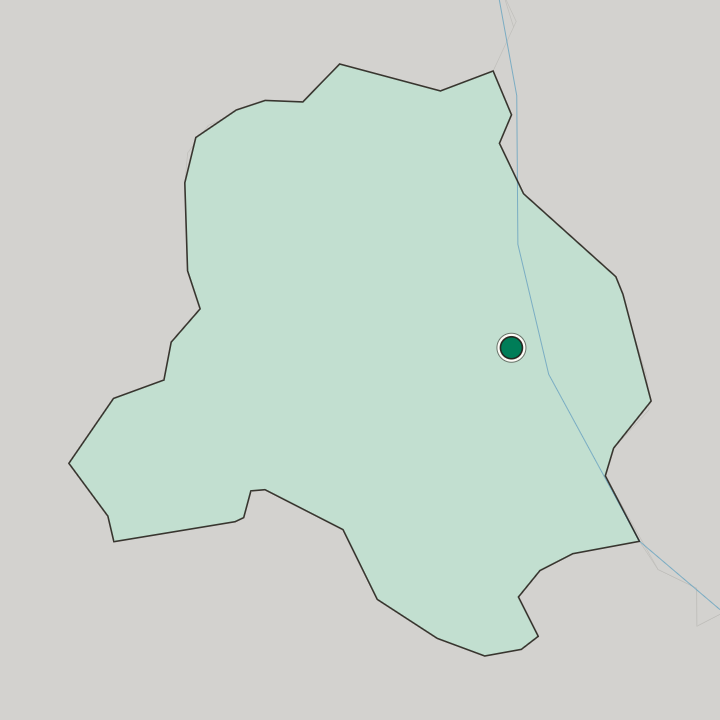
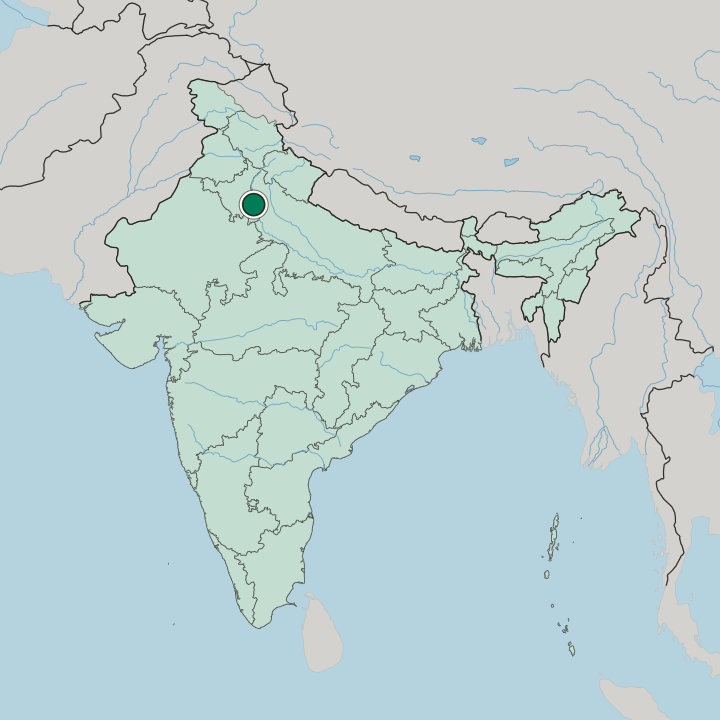
Delhi straddles the Yamuna river on the flat plains where the National Capital Territory of Delhi lies. Most of the city spreads west of the river. A low rocky ridge threads through the built-up area, rising just above the plain and carrying the Flagstaff Tower, and the territory borders Uttar Pradesh to the east and Haryana in the other directions.
The old core clusters near the river, while newer districts fan across the open ground beyond.
What is the climate of Delhi?
Delhi has a hot subtropical climate with sharply marked seasons. Summers on the open plain are long and scorching, with fierce heat before the rains. A monsoon season delivers the year's main downpours over the Yamuna basin.
Winters turn cool and often hazy, and the inland setting of the National Capital Territory of Delhi gives the city a far wider seasonal swing than the coasts to the south.
How do you get to Delhi?
Reaching Delhi is straightforward, as it is a major transit hub. Rail, road, and air all converge here. Trunk highways cross the plains from Uttar Pradesh and Haryana, the rail network links the city across the country, and its airport serves the wider National Capital Territory of Delhi with onward metro and road transfers.
Once here, distances are vast, so moving between the old walled city, New Delhi, and the ridge around the Flagstaff Tower usually means the metro or a local ride.
Common questions
What is the best area to stay in Delhi?
The old walled city: First-timers wanting the historic core around the Red Fort Archaeological Museum. New Delhi's planned quarter: Spacious stays near the capital's avenues and memorials. The ridge quarters: Wooded, monument-dotted stays near the Flagstaff Tower.
Good for
More cities in National Capital Territory of Delhi
Updated October 2026