India · Sikkim
Where to Stay in Gangtok, Sikkim
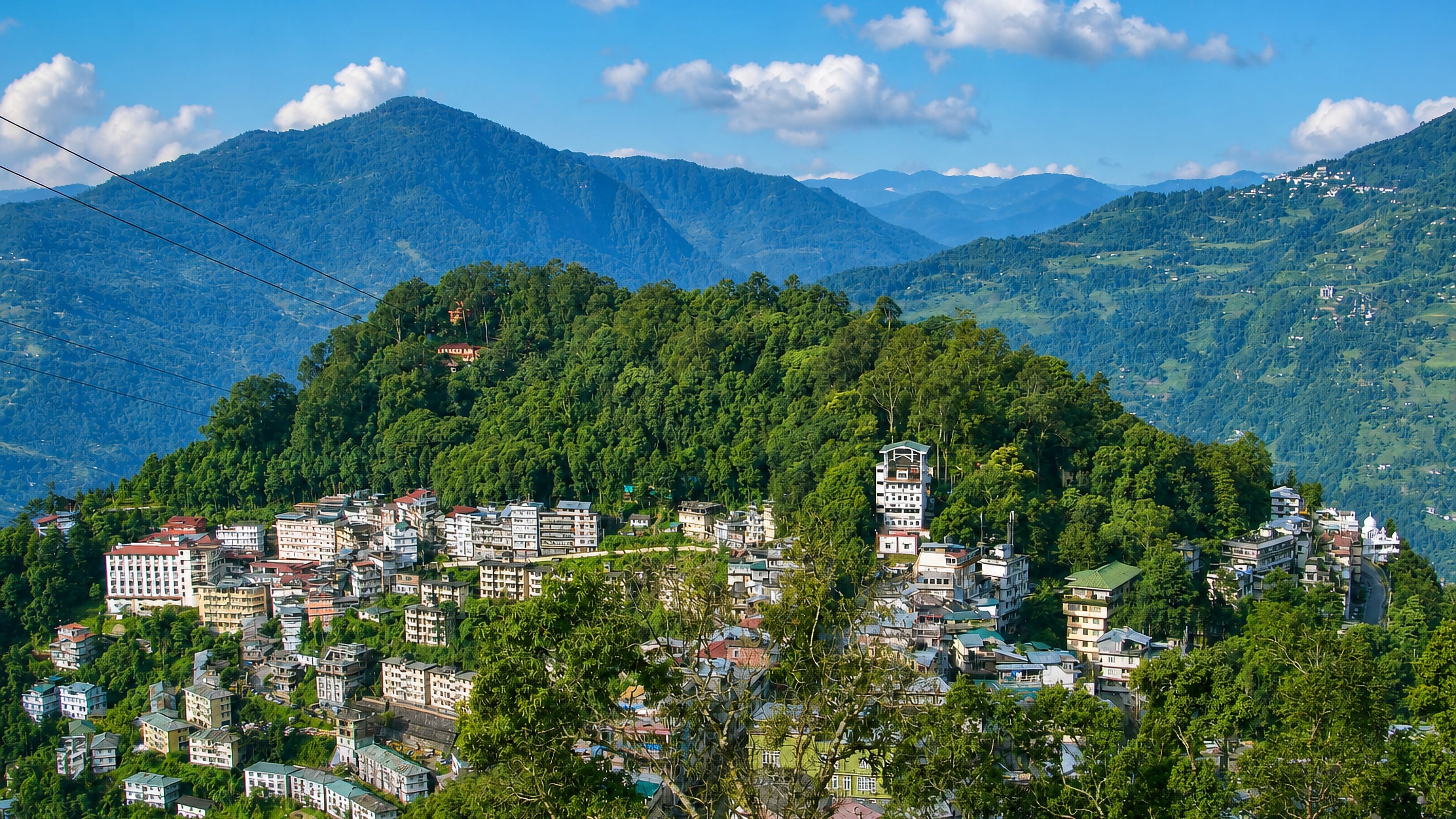
Ridgelines fall away on every side of Gangtok, the hillside capital of Sikkim, high in the eastern Himalayas.
Hotel links are affiliate links: booking through them may earn us a commission, at no extra cost to you. It never affects how places are ranked. How this works


Where to stay in Gangtok
Where the beds are, and what that means for the visit.
Gangtok drapes itself down a single long ridge in the eastern Himalayas, so where you stay is really a question of how high on the hillside you want to be. The upper town, along the pedestrianised main ridge, keeps you among the shops, viewpoints, and the widest outlooks over the peaks of Sikkim. Views open everywhere.
This upper level suits walkers who want the mountains close, with rooms that look out toward the snow line on clear mornings. Lower down the slope, quieter lanes fall away toward the monasteries and the greener edges of the city, closer to the Gonjang Monastery and the forest fringe. It is calmer.
A short climb removes the traffic of the market centre, and you trade the ridge-top crowds for birdsong and steep garden paths. Choose the upper ridge for views and shops. Choose the lower slopes for quiet, for the monasteries, and for the Sikkimese neighbourhoods that hold the older character of Gangtok.
Find hotels in Gangtok
Direct booking searches for these neighbourhoods.
Upper ridge town
The pedestrian main ridge of Gangtok holds the shops and the widest outlooks over the peaks of the eastern Himalayas.Find hotels in Upper ridge townQuiet stays near the monasteriesLower monastery slopes
Steep garden lanes fall toward the Gonjang Monastery and the Sikkimese neighbourhoods below the market ridge.Find hotels in Lower monastery slopesHotel links are affiliate links: booking through them may earn us a commission, at no extra cost to you. It never affects how places are ranked. How this works
About Gangtok
What is Gangtok known for?
Gangtok is known as the capital of Sikkim and the centre of the state's mountain tourism. It is a hill station. The city climbs a steep ridge in the eastern Himalayas, and its people blend Sikkimese, Nepalese, and Tibetan ancestry, giving the streets around the Gonjang Monastery a mix of cultures found across the higher hills.
The name means hillside. Travellers come for the peaks, the monasteries, and the clear mountain air of Sikkim.
What are the main landmarks in Gangtok?
Gangtok's landmarks are its monasteries and its mountain outlooks. The Gonjang Monastery stands on the slopes above the city, a working Buddhist site in the eastern Himalayas. Beyond it, viewpoints along the ridge open onto the snow peaks that ring Sikkim, and the steep streets themselves, lined with prayer flags, form part of the hill-station character.
The mountains dominate the horizon.
What is the history of Gangtok?
Gangtok grew from a small hillside settlement into the capital of Sikkim, high in the eastern Himalayas. Its name means hillside. As monasteries drew pilgrims and trade routes crossed the passes between the Tibetan plateau and the plains of India, the town gathered a mixed community of Bhutias, Lepchas, and Indian Gorkhas who together form the Sikkimese people.
The passes brought the world through. Buddhist foundations like the Gonjang Monastery anchored the town's religious life as it rose along the ridge. Gangtok became the seat of the surrounding district and the heart of Sikkim's administration.
Mountain trade, monastic life, and later tourism shaped its steep streets. The peaks framed it all. What began as a stop on the hill routes of the eastern Himalayas became the ridge-top capital that governs the state of Sikkim.
Where is Gangtok?
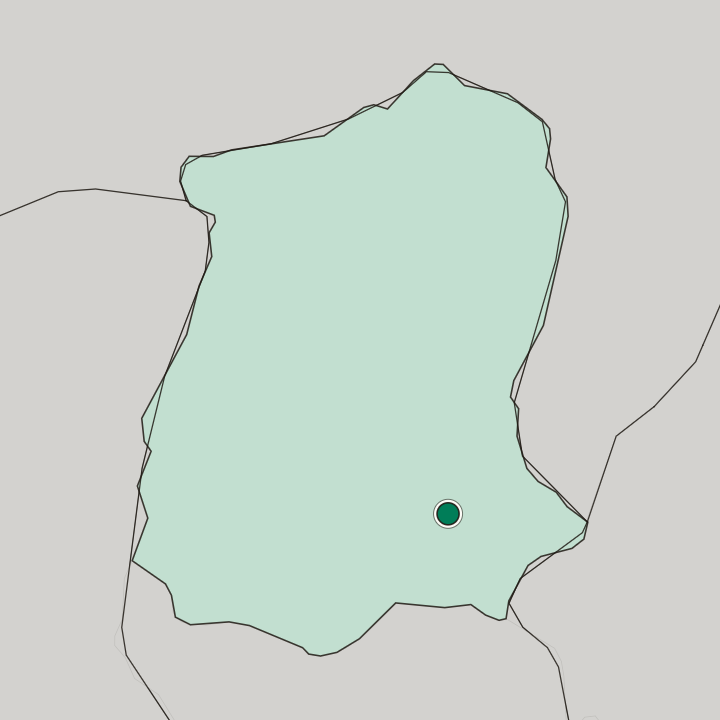
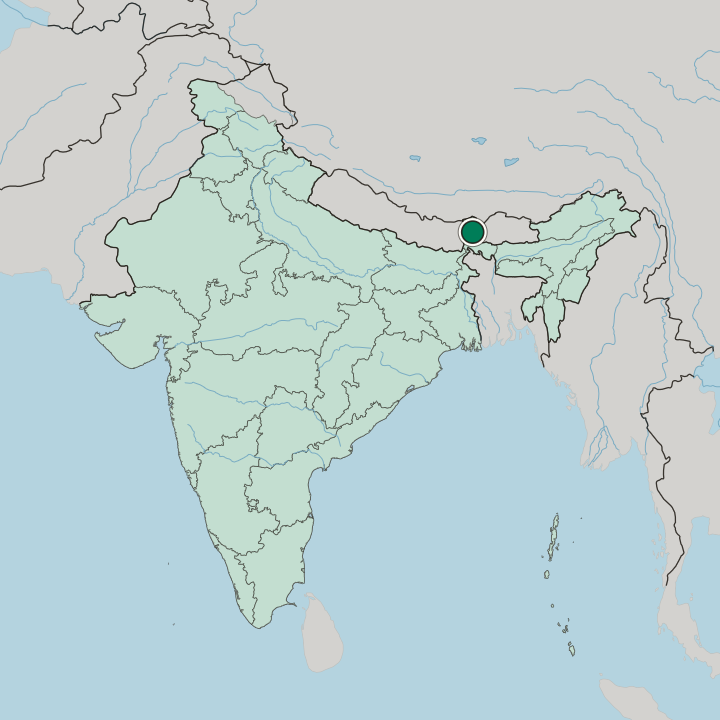
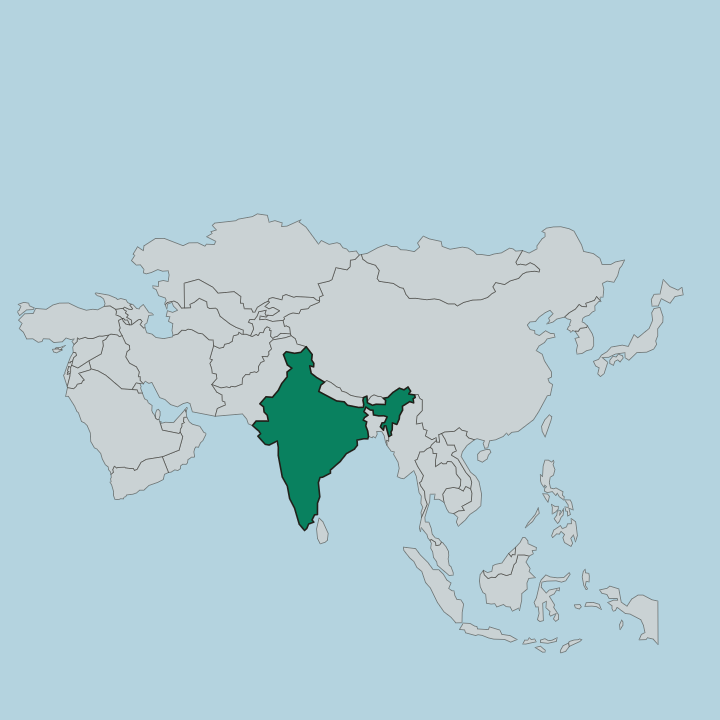
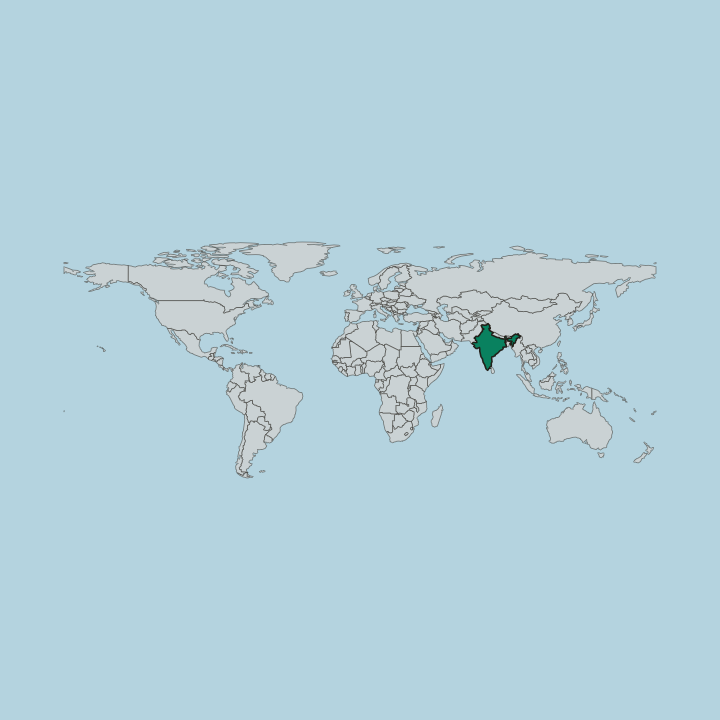
Gangtok sits on a steep ridge in the eastern Himalayas, high above the valleys of Sikkim. Snow peaks rise all around. The city runs along the crest and spills down both flanks, so its streets climb and drop sharply, and the higher Himalayan summits stand close on the northern skyline.
The land tilts everywhere. Its mountain position keeps it cool through the year.
What is the climate of Gangtok?
Gangtok has a mild temperate climate the year round, thanks to its height in the eastern Himalayas. Winters are cool and often misty. A strong monsoon then wraps the ridges of Sikkim in cloud and rain through the wet season, before clear, crisp air returns to reveal the surrounding Himalayan peaks.
The altitude keeps the heat away.
How do you get to Gangtok?
Gangtok is reached mostly by mountain road, climbing from the plains into the eastern Himalayas. The nearest railhead and airport lie below in the foothills. From there, winding highways carry travellers up through the valleys of Sikkim to the ridge, and shared jeeps run the steep routes between the hill towns.
The final approach is all switchbacks.
Common questions
What is the best area to stay in Gangtok?
Upper ridge town: Walkers who want the mountain views. Lower monastery slopes: Quiet stays near the monasteries.
Good for
Updated September 2026