India · State of Haryāna
Where to Stay in Ambāla, State of Haryāna
Ambāla sits on the border between Punjab and Haryana, a short run from Chandigarh, with the Ambala Kos Minar standing among its older markers.
Hotel links are affiliate links: booking through them may earn us a commission, at no extra cost to you. It never affects how places are ranked. How this works


Where to stay in Ambāla
How the choice of base plays out on the ground.
Rooms here suit a stop. Ambāla works as an overnight for people crossing between Punjab and Haryana or doing business with the district, and the central ground near the Ambala Kos Minar keeps that within a short walk of the offices. Haryana keeps the city on its side of the line, and the offices that go with a district headquarters are the reason most beds get used.
Chandigarh changes the calculation. Anyone who wants choice takes the shared capital instead, since it sits close enough that Ambāla becomes a stop on the way rather than the base. The edges suit drivers.
Ground toward the state line is easier to reach and leave than the middle of the city, which matters more here than any view, and it puts the Punjab side within minutes for anyone continuing that way. Ambala district spreads around all of it. Beds thin out quickly past the built-up area, so the city itself is the practical choice within the district.
Ambāla and Chandigarh are close enough that the two work as one decision, and the answer usually turns on whether the trip is administrative or not. Pick the centre if you came for the Kos Minar.
Find hotels in Ambāla
Direct booking searches for these neighbourhoods.
Ambala Kos Minar quarter
The ground around the Ambala Kos Minar keeps the city's one monument and its administration within the same few streets.Find hotels in Ambala Kos Minar quarterDrivers breaking a crossing between Punjab and HaryanaPunjab side of the state line
Ground toward the Punjab border is quicker to leave than central Ambāla for anyone continuing across the state line. Beds are limited here, so book early.Find hotels in Punjab side of the state lineTravellers who want the room choice of the capital shared by both statesChandigarh
Chandigarh, capital to both Punjab and Haryana, lies near enough to turn Ambāla into a stop rather than a base.Find hotels in ChandigarhHotel links are affiliate links: booking through them may earn us a commission, at no extra cost to you. It never affects how places are ranked. How this works
About Ambāla
Two states share the address.
What is Ambāla known for?
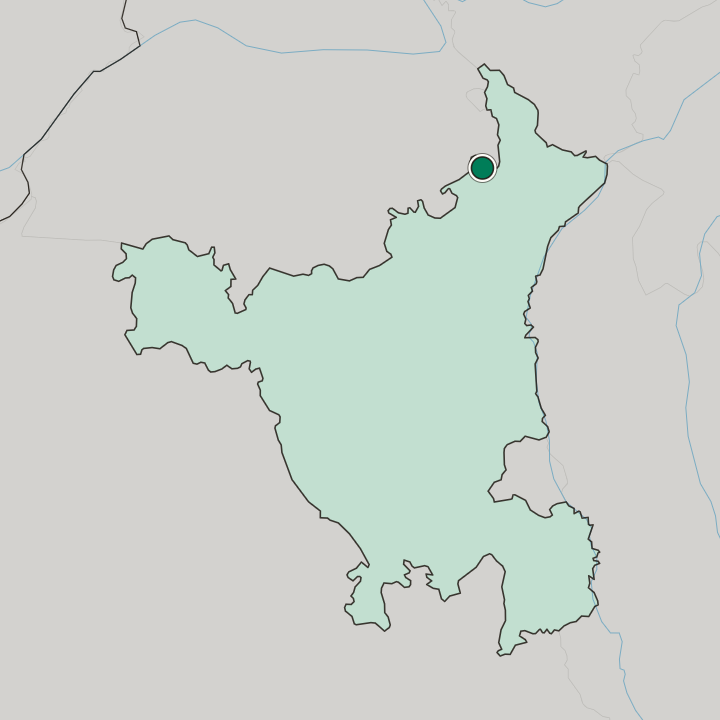
Ambāla is a city of Haryana, in North India, and a municipal corporation in its own right. It sits on the border between Punjab and Haryana, close enough to Chandigarh that the capital serving both states is the nearer big centre rather than a distant one. Ambala district runs its administration from the city.
The Ambala Kos Minar is its one catalogued monument.
What are the main landmarks in Ambāla?
Ambāla keeps one entry on the monument list. The Ambala Kos Minar stands as that entry, a tower marker of the sort raised to measure out the old road distances, and it carries the city's built record more or less alone. Everything else here is working fabric.
Streets, offices, and the administration of Ambala district do the rest.
What is the history of Ambāla?
The marker outlasted the road. Ambala Kos Minar still stands, a distance tower of the kind raised to count off travel along a route, and its presence is the plainest surviving evidence of the traffic that once passed this way. Ambāla grew on that traffic.
What survives of the older town is less a set of monuments than a position, held long enough that district administration eventually settled where the road already had. The city's older business was movement, and its later business is administration. Lines came later.
The border between Punjab and Haryana was drawn across country Ambāla already occupied, leaving the city on the Haryana side of a division whose two states went on to share a single capital at Chandigarh. Ambala district was organised around it. Chandigarh carries the state capital's weight, so the centre Ambāla answers to is close rather than remote.
The city holds the district headquarters and a municipal corporation of its own, which is a heavier administrative load than its built record would suggest, and much of what happens here follows from it.
Where is Ambāla?
Position is administrative before it is physical. Ambāla sits on the border between the states of Punjab and Haryana, which makes the city an edge of one state and a doorstep to the other at the same time. Chandigarh lies close by.
Ambala district surrounds the city and takes its name from it.
What is the climate of Ambāla?
Heat runs the calendar. Ambāla sits in the subtropical band shared by Punjab and Haryana, where the hot stretch is long and the cool one brief, and where the year is read by season rather than by month. Chandigarh, nearby, keeps the same pattern.
Ambala district takes the same swing from one edge of its ground to the other.
How do you get to Ambāla?
Roads bring almost everyone here. Traffic between Punjab and Haryana passes through Ambāla by definition of where the city sits, and Chandigarh is the nearest place with the pull of a capital, so most journeys here are short legs rather than long hauls. The Ambala Kos Minar marks the older version of the same movement.
Common questions
What is the best area to stay in Ambāla?
Ambala Kos Minar quarter: Overnights that want the Kos Minar and the district offices on one walk. Punjab side of the state line: Drivers breaking a crossing between Punjab and Haryana. Chandigarh: Travellers who want the room choice of the capital shared by both states.
More cities in State of Haryāna
Updated September 2026