India · State of Haryāna
Where to Stay in Bhiwāni, State of Haryāna
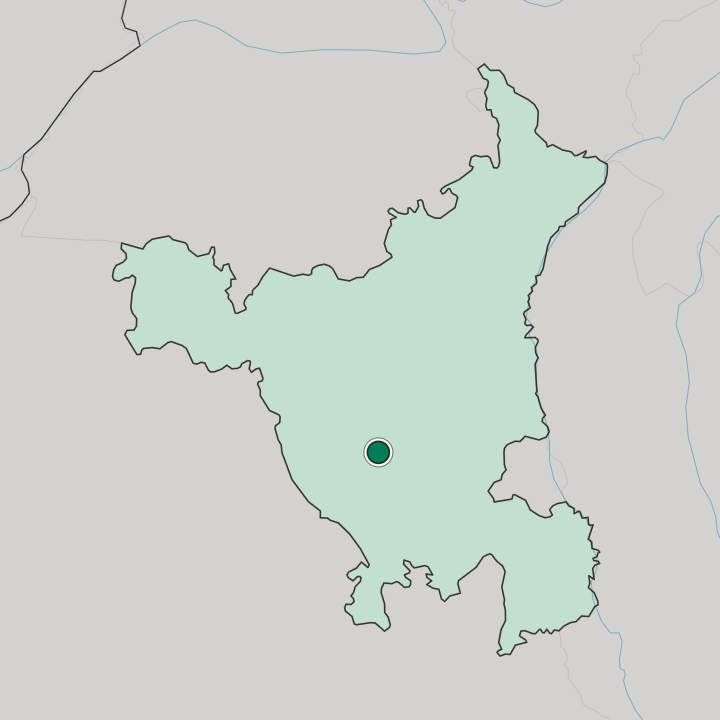
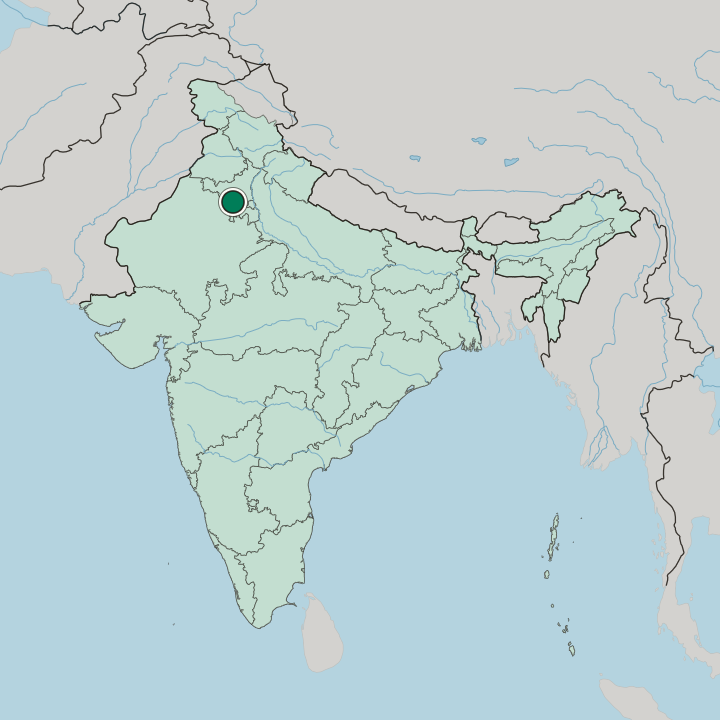
Bhiwāni is a city and municipal council of Bhiwani district in Haryana, a seat of spiritual learning about 128 kilometres west of New Delhi.
Hotel links are affiliate links: booking through them may earn us a commission, at no extra cost to you. It never affects how places are ranked. How this works


Where to stay in Bhiwāni
The practical side of choosing where to sleep.
Bhiwāni or New Delhi, that is the honest shape of the decision, because the city holds no distinct quarters to choose between. The municipal council area is where everything sits, so a room anywhere inside it puts a traveller near the offices and the institutions that give the place its character as a seat of spiritual learning. Options run thin in Bhiwāni.
Bhiwani district is not a leisure destination, and the rooms that exist here are built for people with business in Haryana rather than for holidays. New Delhi is 128 kilometres away, which changes the calculation. A trip that only needs to touch Bhiwāni can be run out and back from the capital in a day, and travellers who want a wide choice of accommodation usually do exactly that.
Staying here suits a different purpose. Anyone whose reason is the city itself, its political record or the learning the sources credit it with, gains from waking in Bhiwāni rather than arriving at midday from somewhere else. The names carry weight locally.
Bansi Lal, Banarsi Das Gupta and Hukum Singh are remembered across Haryana as chief ministers who came from this city, and a visitor following that thread will find it in Bhiwāni rather than in New Delhi.
Find hotels in Bhiwāni
Direct booking searches for these neighbourhoods.
The Bhiwāni municipal council area
The single built area of Bhiwāni, where the council offices and the institutions behind its name for spiritual learning sit together.Find hotels in The Bhiwāni municipal council areaStays tied to the district rather than to the city of BhiwāniElsewhere in Bhiwani district
The country beyond the municipal boundary of Bhiwāni, where beds are occasional and attached to local business rather than to visitors. Rooms are few around here — worth securing early.Find hotels in Elsewhere in Bhiwani districtThe capital's room choice with a day run west to BhiwāniNew Delhi
The national capital roughly 128 kilometres east, which carries the range of accommodation that Bhiwani district does not.Find hotels in New DelhiHotel links are affiliate links: booking through them may earn us a commission, at no extra cost to you. It never affects how places are ranked. How this works
About Bhiwāni
Politics and learning, in that order.
What is Bhiwāni known for?
Bhiwāni is described in the record as a seat of spiritual learning and as a centre of regional politics, and three former chief ministers of Haryana came from the city: Bansi Lal, Banarsi Das Gupta and Hukum Singh. The three are named together. That concentration is the distinguishing fact about the place, and it explains why a municipal council in Bhiwani district carries more weight across Haryana than its rank alone would suggest.
What are the main landmarks in Bhiwāni?
The record lists no monument. The standing of Bhiwāni rests on institutions and people rather than on a fort, a temple complex or a museum that the sources happen to name, which leaves a visitor without a fixed circuit to walk. Learning is the exception.
A city described as a seat of spiritual learning carries that character in places of study rather than in one building, and the names attached to Bhiwāni, among them Bansi Lal, Banarsi Das Gupta and Hukum Singh, belong to political history instead of to architecture.
What is the history of Bhiwāni?
Nothing in the record fixes a founding year for Bhiwāni. Bhiwāni enters it already established as a city and a municipal council within Bhiwani district, with the Devanagari form भिवानी standing as its official name and no charter date attached to either version. Two threads run through it.
One is spiritual learning, the character the sources give the place first, and the other is politics, which is what carried the name of Bhiwāni outward across Haryana. Three chief ministers came from one city. Bansi Lal, Banarsi Das Gupta and Hukum Singh all led Haryana and all counted Bhiwāni as home, which is an unusual concentration for a municipal council rather than a state capital, and it put the city at the centre of regional politics for a long stretch.
Distance helped. New Delhi lies roughly 128 kilometres to the east, close enough that political traffic between the two moved easily and far enough that Bhiwāni remained a Haryana town rather than a suburb of the capital. Learning came first, though.
The description of the place as a seat of spiritual learning sits alongside the political record in the sources, and a city known that way draws students and teachers as much as it produces officeholders.
Where is Bhiwāni?
New Delhi lies about 128 kilometres to the east. Bhiwāni sits within Bhiwani district on subtropical ground, and the record names no coast, no river and no range of hills anywhere near it. Haryana surrounds it.
What fixes the position of Bhiwāni is the road to New Delhi rather than any landform, and a city defined by that measurement belongs to the interior of Haryana rather than to any landscape with a name of its own.
What is the climate of Bhiwāni?
The record names no coast. Bhiwāni lies in the subtropical band with no water nearby to moderate it, which is the combination that produces a wide swing between the hot part of the year and the cold one. Extremes are the norm.
The same conditions run across the ground between Bhiwāni and New Delhi, roughly 128 kilometres of interior Haryana where the season a traveller arrives in counts for more than the exact town they stop in.
How do you get to Bhiwāni?
New Delhi is the reference point. Roughly 128 kilometres of road separate the national capital from Bhiwāni, which makes the city reachable in a single run and puts it inside the reach of anyone arriving in Haryana by way of the capital. Bhiwani district does the rest.
Local routes converge on the municipal council as the named centre of the district, so the last part of any journey here runs on a district road rather than on a long-distance corridor.
Common questions
What is the best area to stay in Bhiwāni?
The Bhiwāni municipal council area: Business with the council and the offices of Bhiwani district. Elsewhere in Bhiwani district: Stays tied to the district rather than to the city of Bhiwāni. New Delhi: The capital's room choice with a day run west to Bhiwāni.
More cities in State of Haryāna
Updated September 2026