India · State of Karnataka
Where to Stay in Belagavi, State of Karnataka
Belagavi is a city of northwest Karnataka in India, on the edge of the Western Ghats near Goa, known for its old fort and the warrior queen of Kittur.
Hotel links are affiliate links: booking through them may earn us a commission, at no extra cost to you. It never affects how places are ranked. How this works


Where to stay in Belagavi
Where visitors usually base themselves, and why.
Where you stay in Belagavi turns on the fort or the town. The lanes around the fort keep the citadel, the Jain temple, and the bazaars within a walk, and staying downtown suits anyone here for the old city. The old walls rise nearby.
Green ridges of the Ghats stand around Belagavi's edge. Out toward the Ghats and Kittur, the town gives way to the sugar country, the wooded hills, and the road to the waterfalls and Goa. A room out of town trades the streets for the green uplands, the forest ghats, and the quiet of the plateau.
The hills roll green to the west. Stay downtown for the fort, or out for the Ghats. The plateau city sits by the Western Ghats.
Find hotels in Belagavi
Direct booking searches for these neighbourhoods.
The fort and downtown
Around the citadelFind hotels in The fort and downtownStays wanting Kittur and the waterfallsToward the Ghats
Out on the plateauFind hotels in Toward the GhatsHotel links are affiliate links: booking through them may earn us a commission, at no extra cost to you. It never affects how places are ranked. How this works
About Belagavi
Belagavi is the border city of northwest Karnataka.
What is Belagavi known for?
In the hills at the edge of the Western Ghats in India, near the Goa and Maharashtra borders, it grew around an old oval fort, and it keeps the walls of the Belgaum fort with its Jain temple, the memory of the Rani of Kittur who fought the British, the sugarcane and foundries of the plateau, and the green ghats and waterfalls nearby. The green plateau spreads around. Old walls ring the fort.
What are the main landmarks in Belagavi?
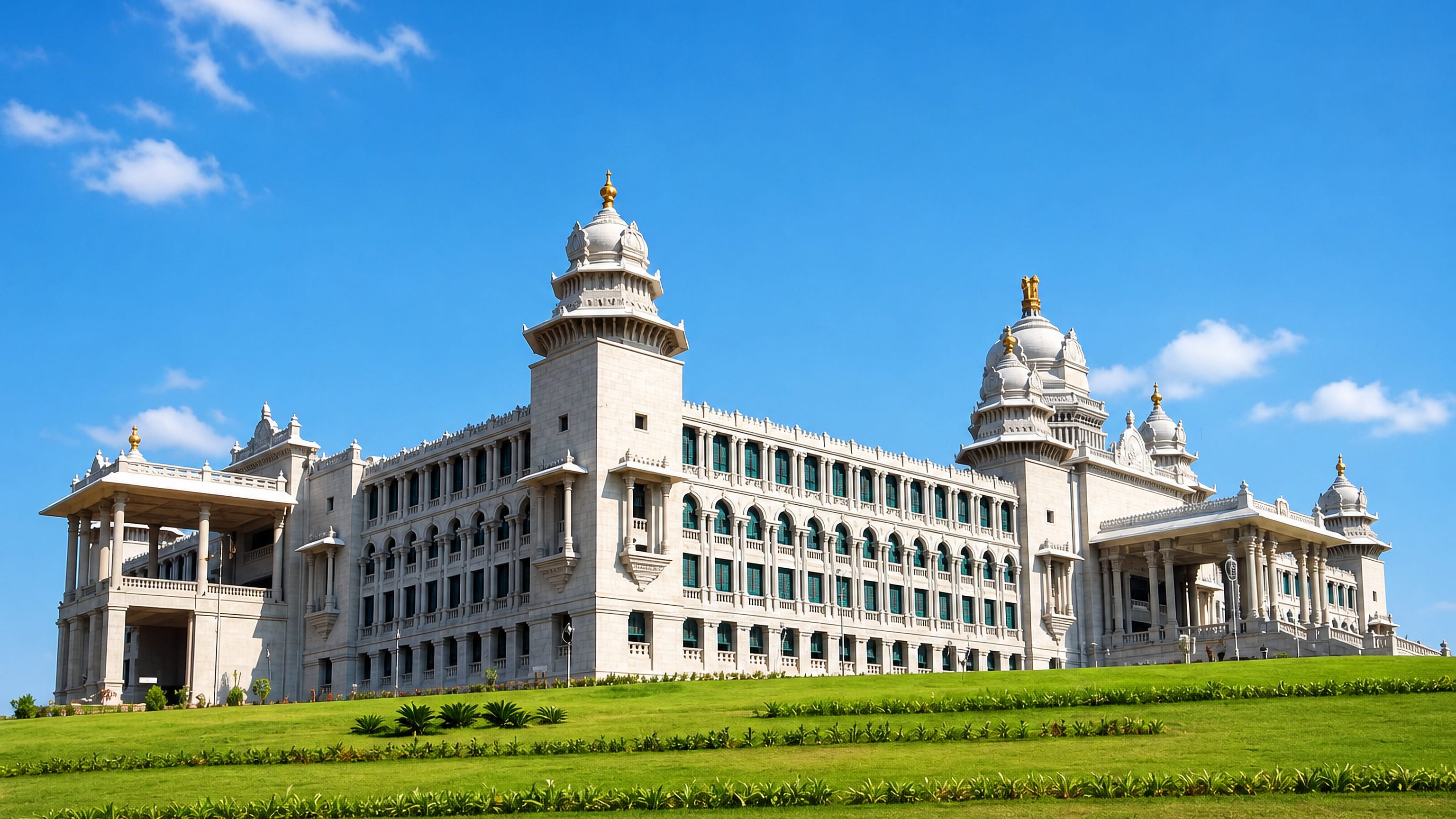
The Belgaum fort is the pride of Belagavi. The old oval fort with its moat, holding a Jain temple and a domed mosque within, is the emblem of the city, downtown. A queen's fort stands nearby.
The fort of Kittur, where the Rani fought the British, lies out on the plateau, while the Western Ghats, the Gokak falls, and the sugar country mark the country around Belagavi.
What is the history of Belagavi?
Belagavi grew around an old fort. A ratta chieftain raised the oval fort here in the twelfth century, and it passed through many hands, holding a Jain temple and a fine mosque within its walls. Nearby Kittur made history.
In eighteen twenty-four the Rani Chennamma of Kittur rose against the British, one of the first Indian rulers to do so, and her stand is honoured across the land. The plateau grew rich on cane and iron. Its rich uplands around Belagavi grew sugarcane, and the town filled with sugar mills and iron foundries, while its cool climate drew an army cantonment.
The Ghats held green wonders. West of the town the Western Ghats rose in forest and waterfalls, and Belagavi grew as the chief city of the northwest, keeping its fort, its cane, and its hills. The old fort still holds the town.
Belagavi keeps its plateau city by the Ghats.
Where is Belagavi?
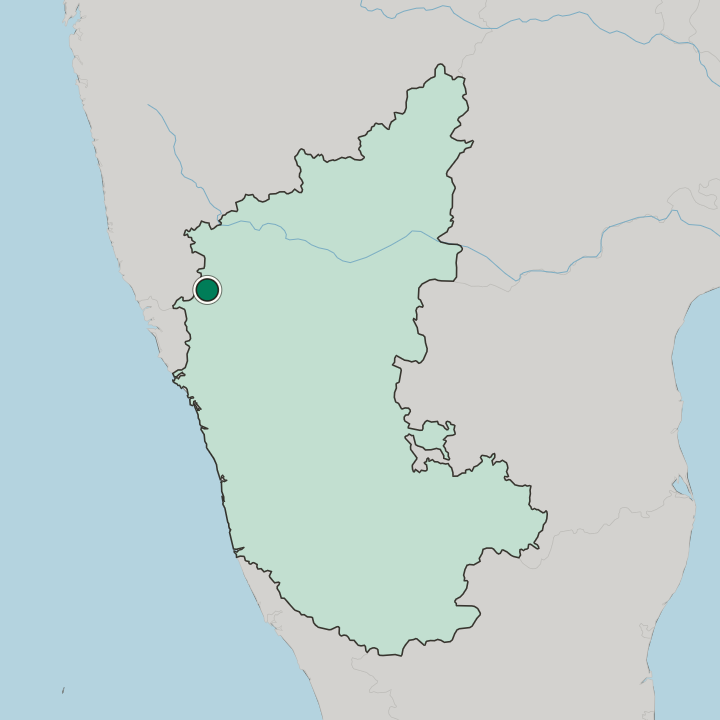
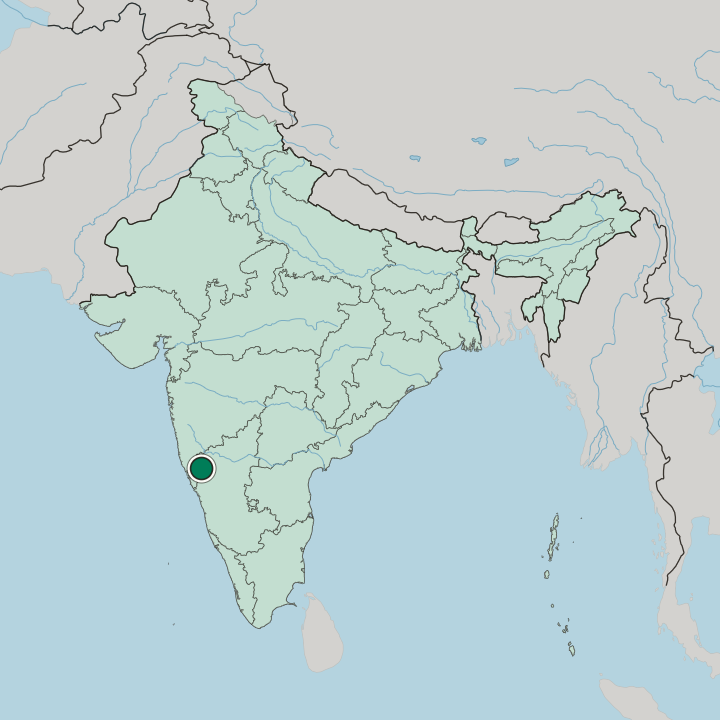
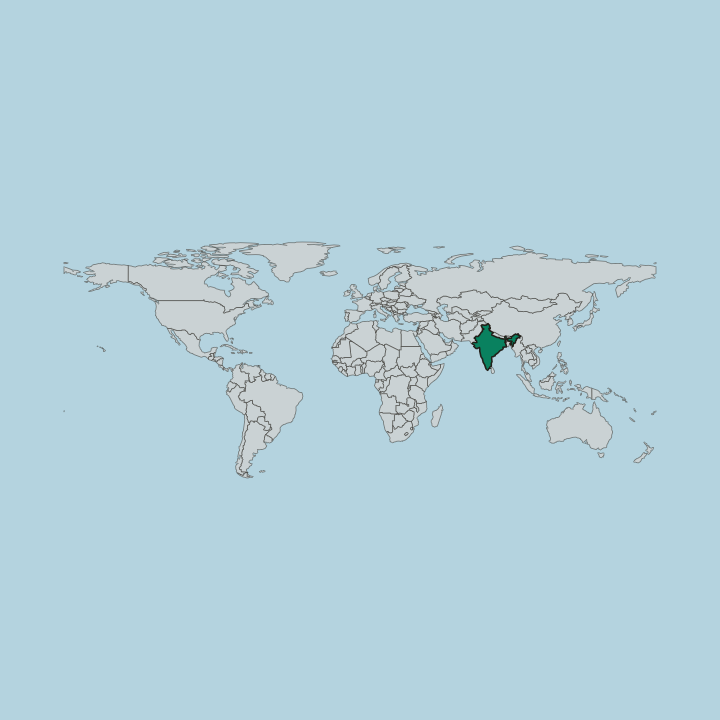
Belagavi lies in the northwest of Karnataka in India, on a high plateau at the edge of the Western Ghats. The city sits on rolling green uplands where the plains climb to the mountains, near the borders of Goa and Maharashtra, with the Ghats rising west and the Deccan spreading east. The plateau runs green and high.
Wooded hills roll to the west.
What is the climate of Belagavi?
Belagavi has a mild, wet upland climate. Warm days and cool nights hold much of the year, with a heavy monsoon off the Ghats and pleasant dry seasons between. The monsoon drenches the hills.
Cool air fills the plateau.
How do you get to Belagavi?
Belagavi lies in northwest Karnataka in India, on the road and rail between Pune and Bengaluru. Trains run to it across the plateau from both cities, and roads climb west to Goa and the Ghats. Sugar trucks fill the roads.
Pune lies north up the line.
Common questions
What is the best area to stay in Belagavi?
The fort and downtown: Visitors here for the fort and Jain temple. Toward the Ghats: Stays wanting Kittur and the waterfalls.
Good for
More cities in State of Karnataka
Updated September 2026