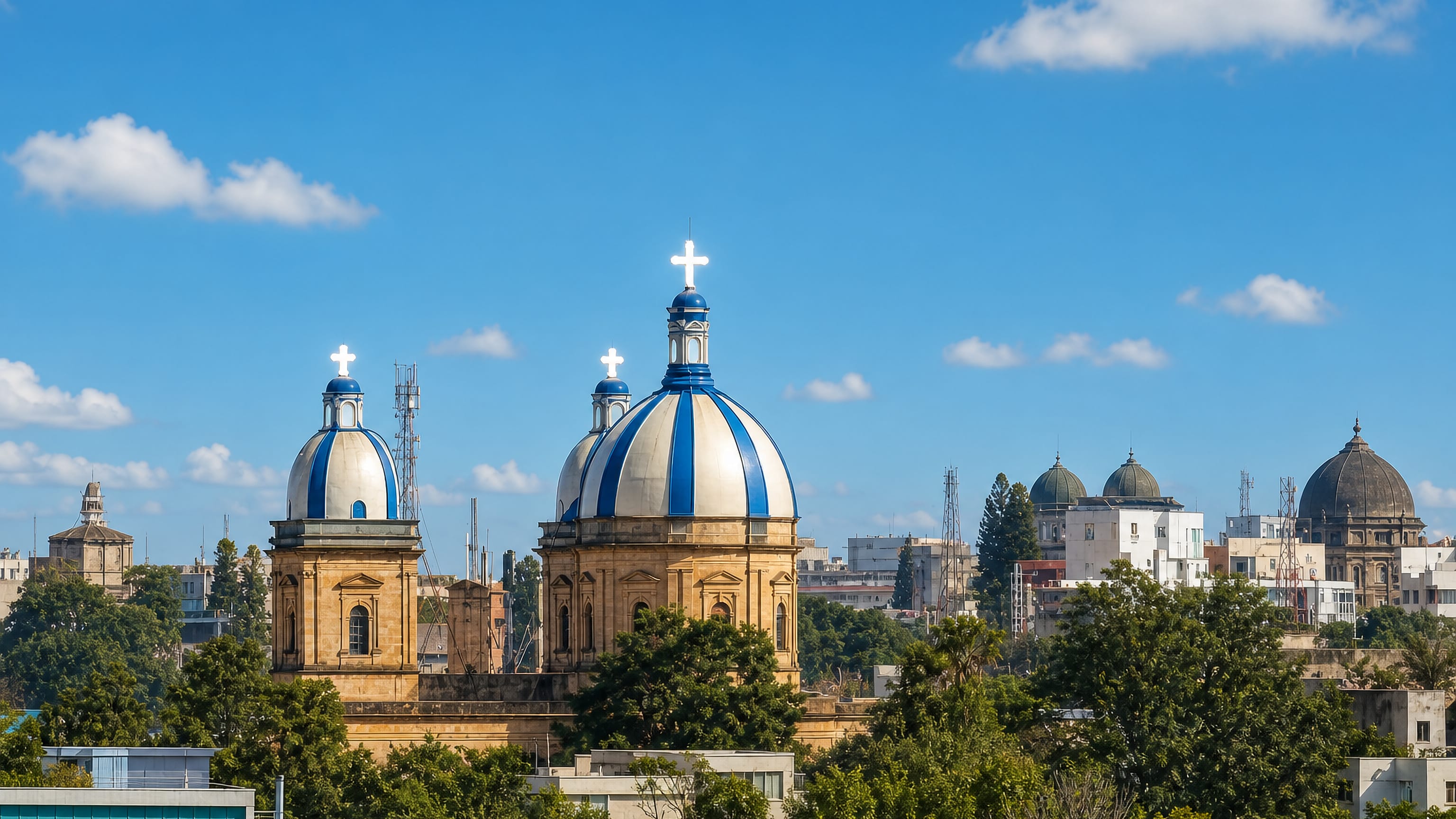
India · State of Karnataka
Where to Stay in Bengaluru, State of Karnataka
Cool air and green streets run through Bengaluru, capital of Karnataka on the Deccan Plateau, long known as India's Garden City.
Hotel links are affiliate links: booking through them may earn us a commission, at no extra cost to you. It never affects how places are ranked. How this works


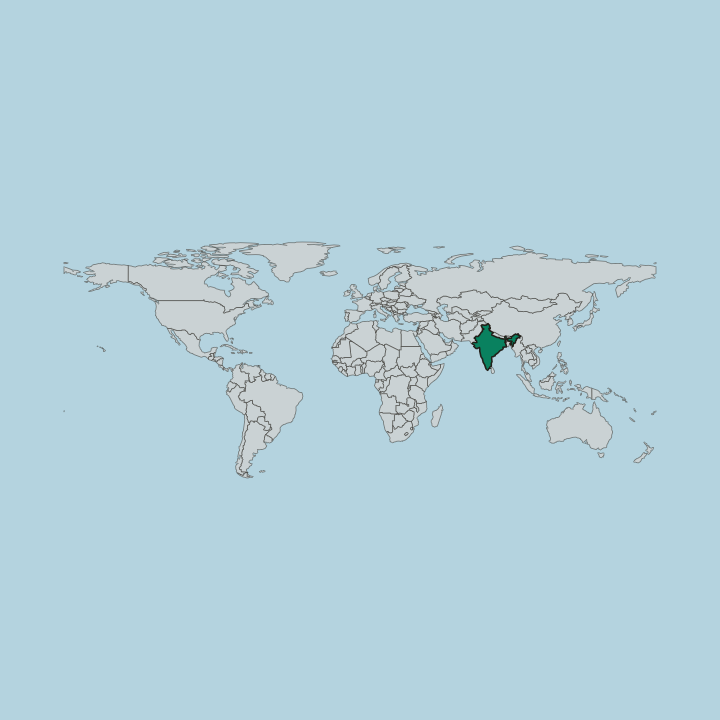
Where to stay in Bengaluru
Where you base yourself shapes the visit — here's the character of each area.
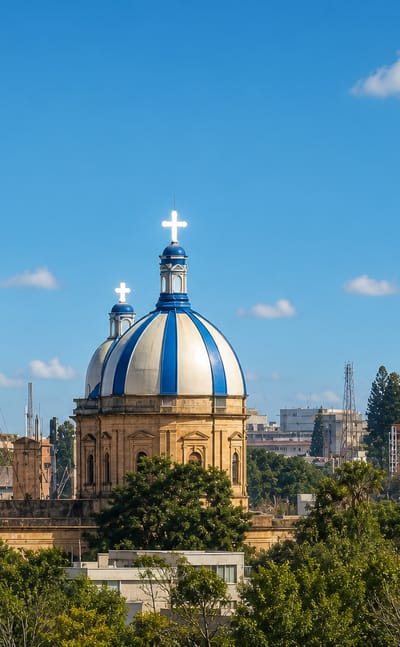
 BengaluruIndia
Halasuru
Halasuru, or Ulsoor, is one of Bengaluru's oldest quarters, wrapped around Ulsoor Lake at the eastern end of Mahatma Gandhi Road.Where to stay →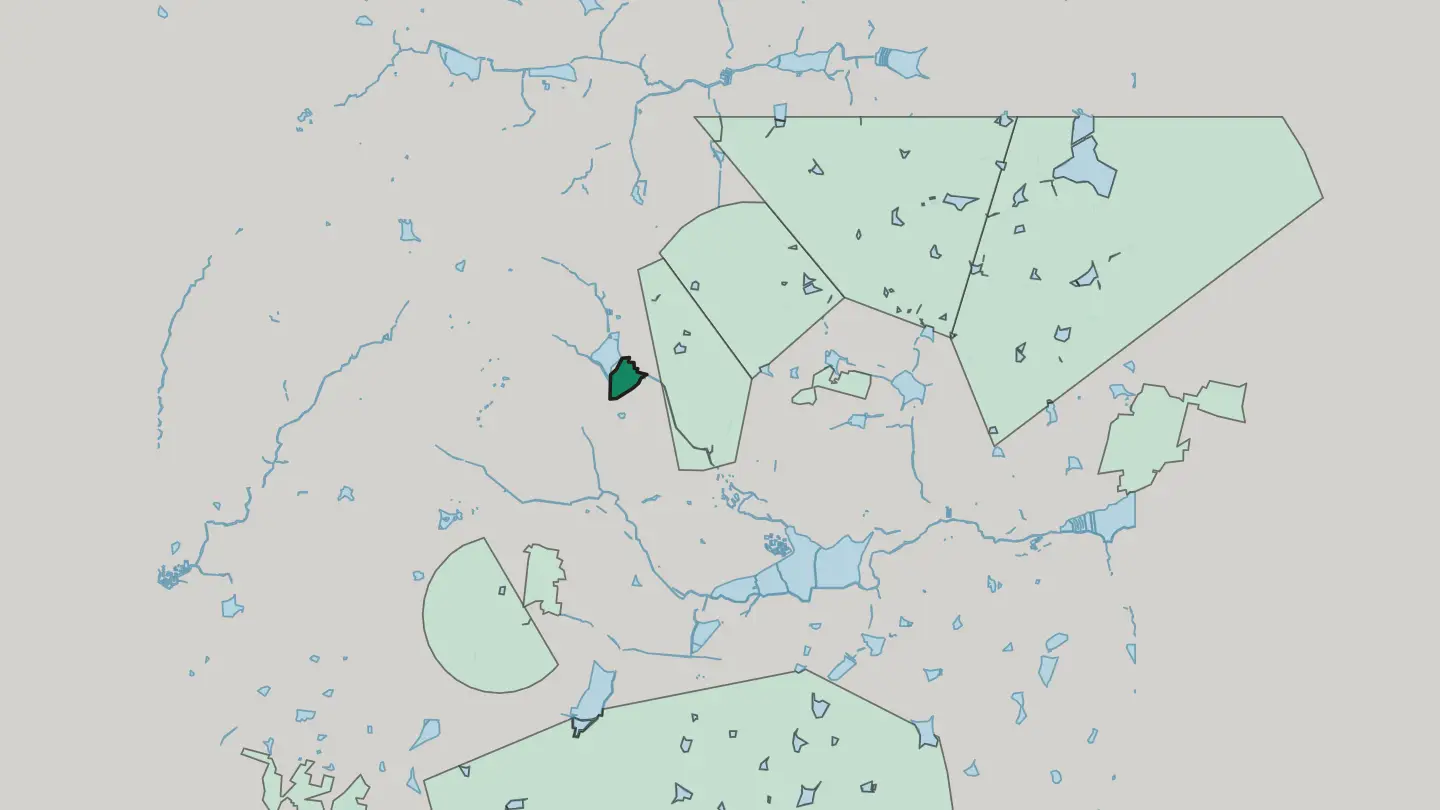 BengaluruIndia
Binnamangala, Bangalore
Binnamangala is an early settlement inside Bengaluru, a former village folded into the growing city near Ulsoor.Where to stay →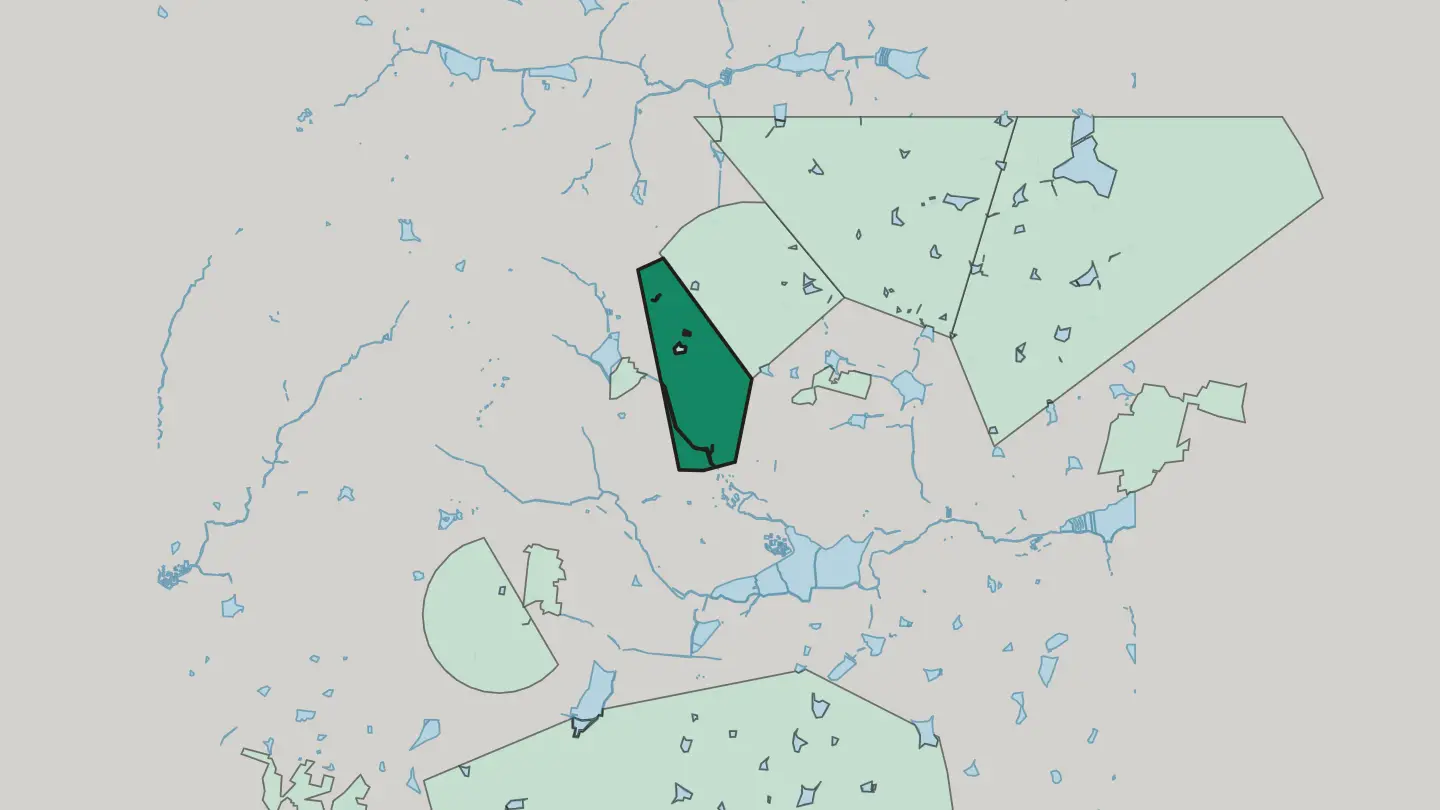 BengaluruIndia
S. G. Palya
S. G. Palya is a compact residential neighbourhood in south-east Bengaluru, gathered around the Infant Jesus Church.Where to stay →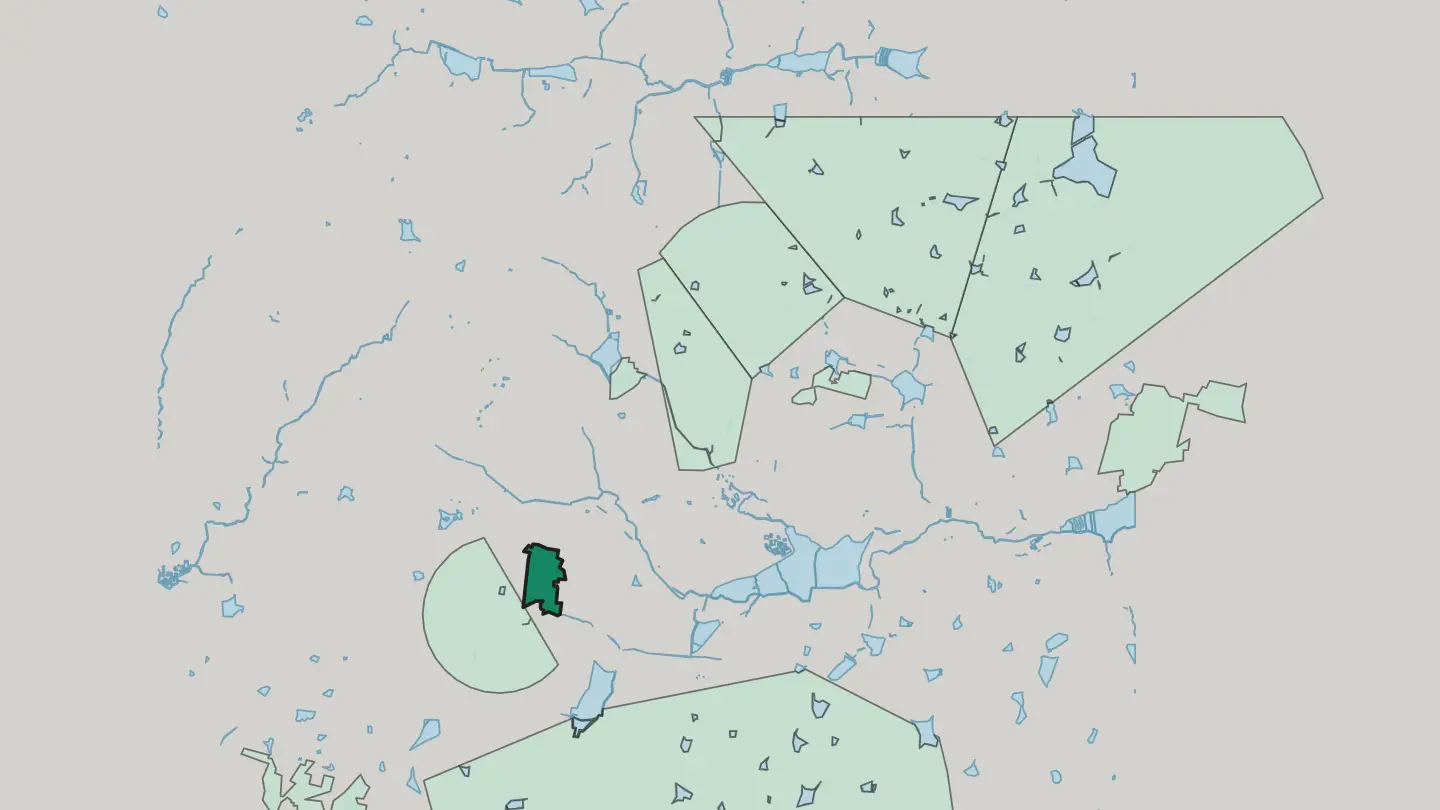
 BengaluruIndia
Jayanagar
Jayanagar is a planned southern district of Bengaluru, in the Indian state of Karnataka, laid out in 1948.Where to stay →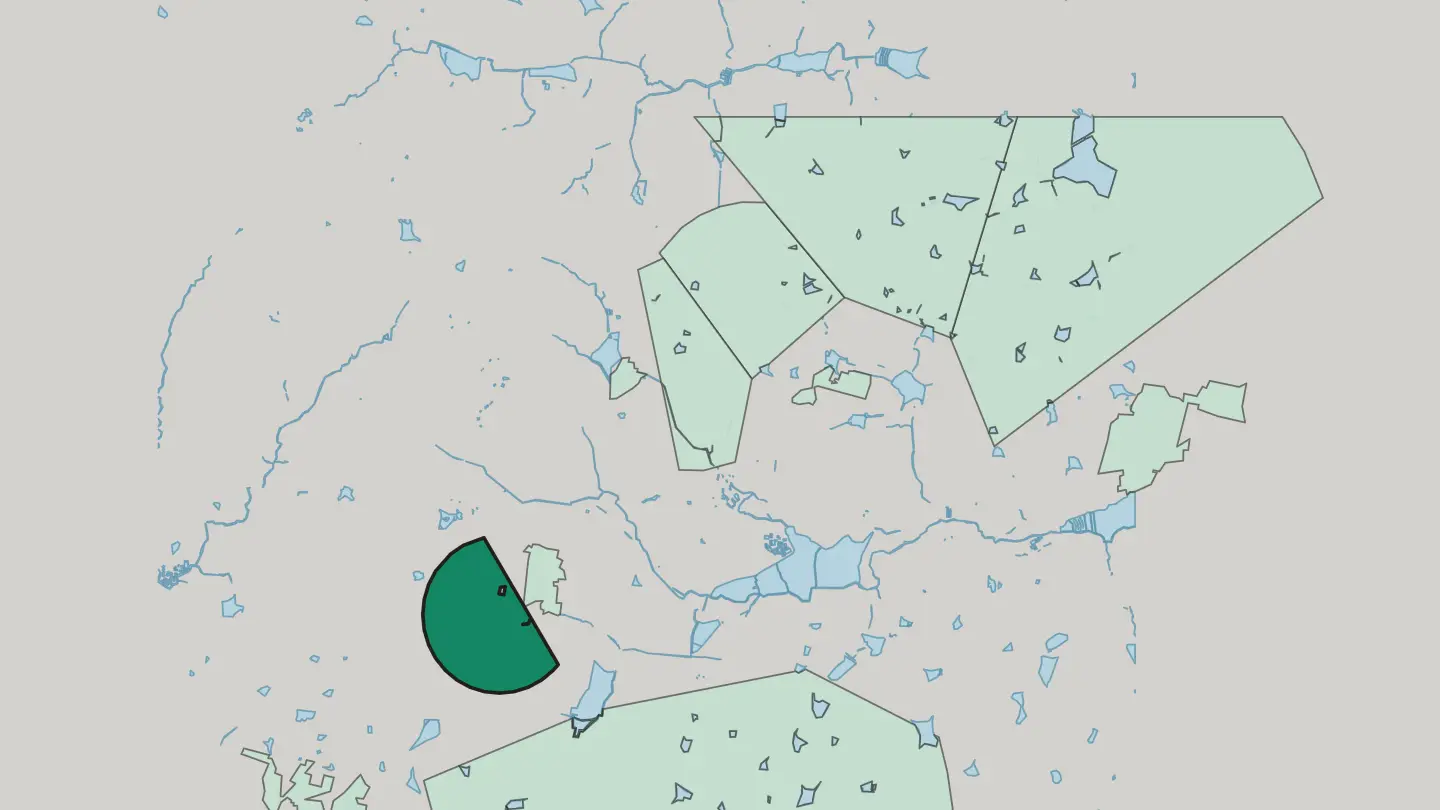 BengaluruIndia
Baiyyappanahalli
Baiyyappanahalli is a residential neighbourhood on the eastern side of Bengaluru, close to Ulsoor and its Ramakrishna Math.Where to stay →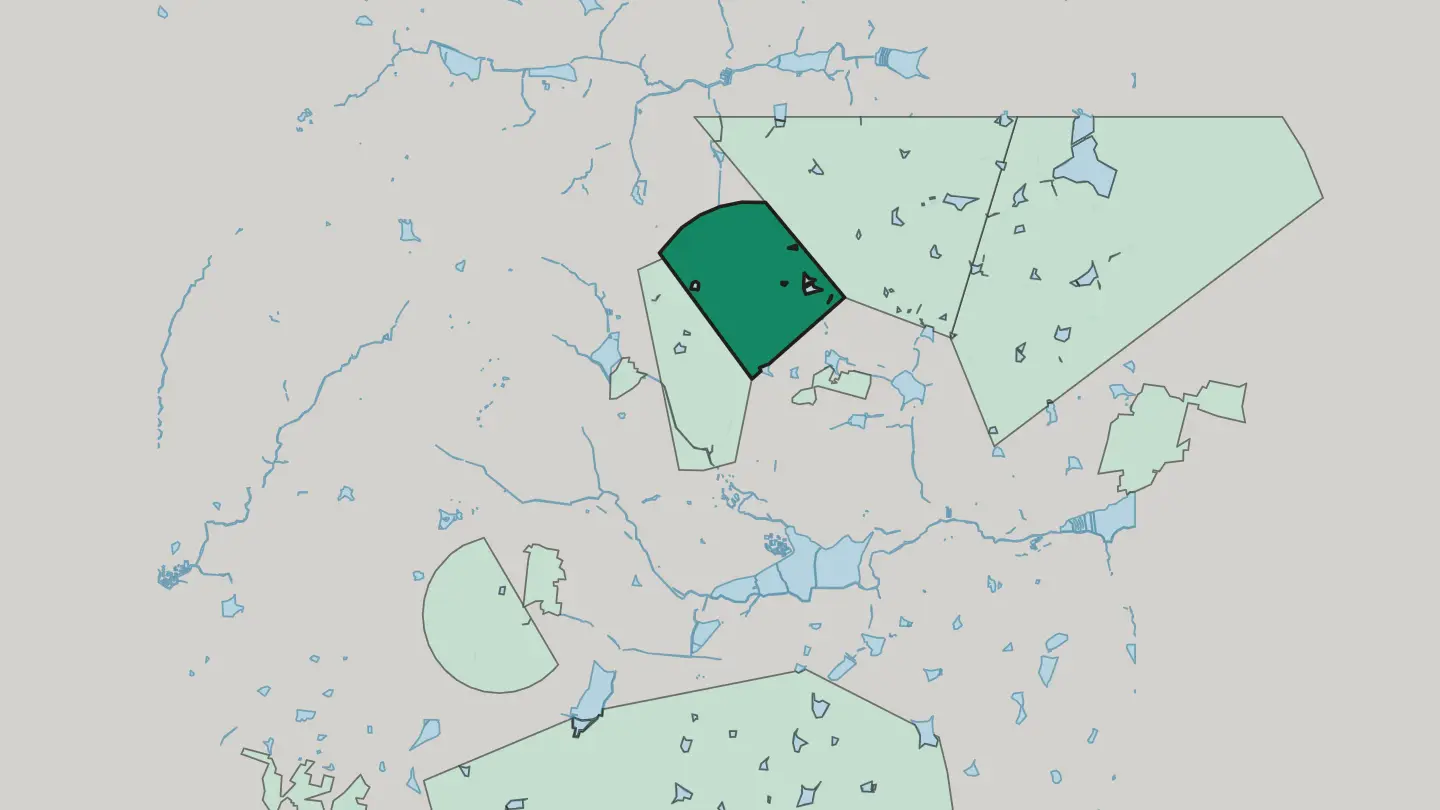 BengaluruIndia
G. M. Palya
G. M. Palya is a residential neighbourhood of Bengaluru, part of the C. V. Raman Nagar constituency in East Bengaluru.Where to stay →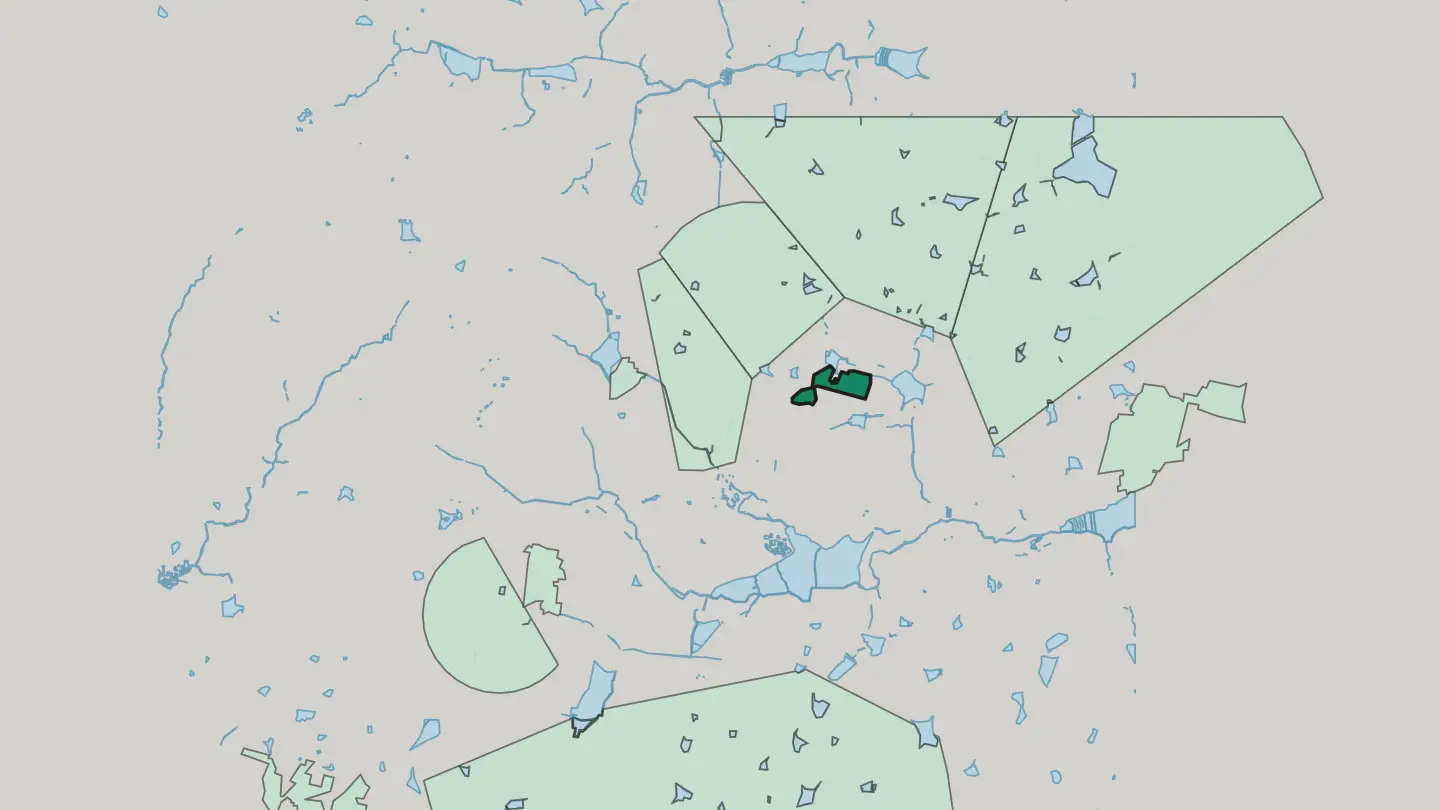
 BengaluruIndia
Ramamurthy Nagar
Ramamurthy Nagar is an eastern district of Bengaluru, in the Indian state of Karnataka.Where to stay →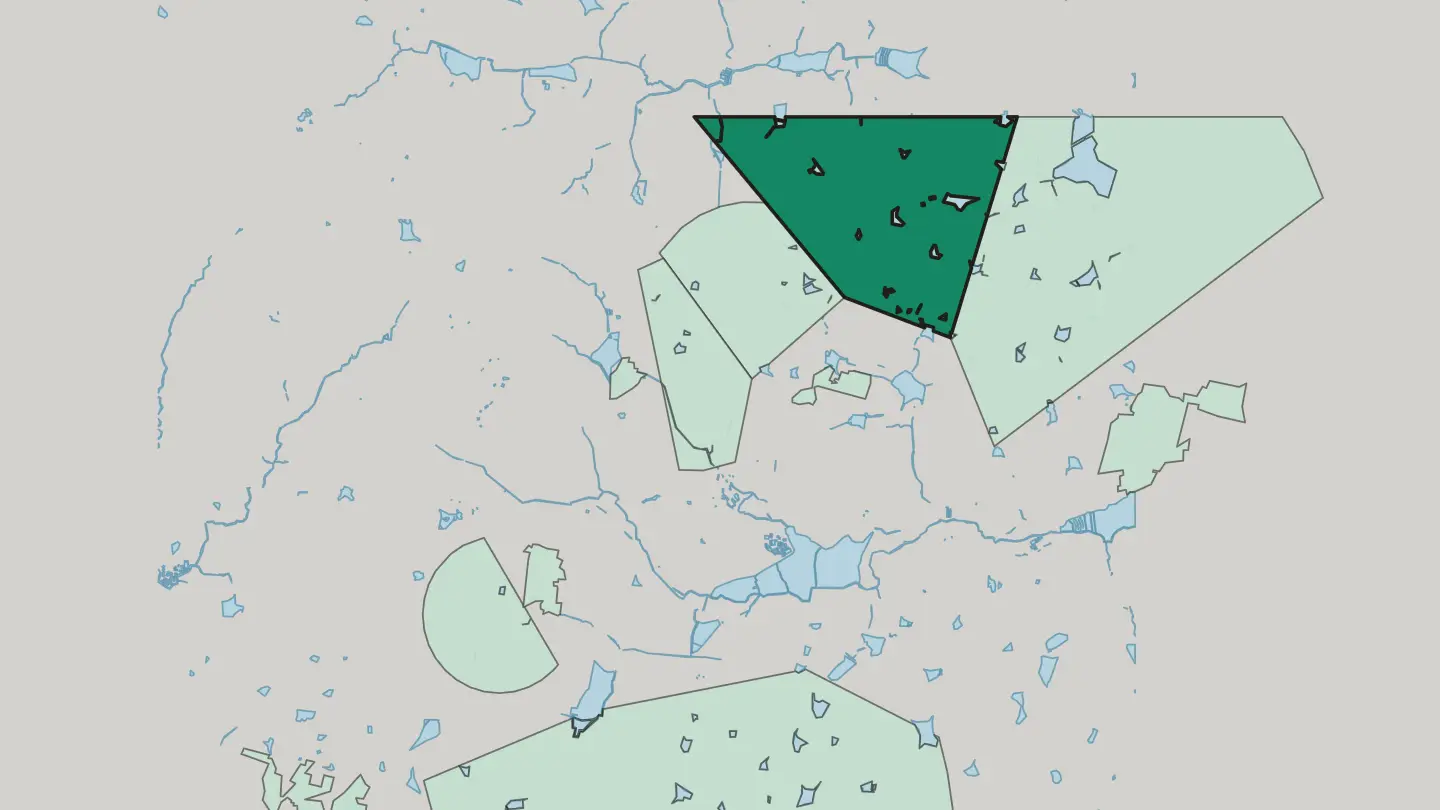 BengaluruIndia
Akshay Nagar
Akshay Nagar is a residential neighbourhood in the southern reaches of Bengaluru, part of the wider Karnataka capital in India.Where to stay →BengaluruIndiaAnjanapura
Anjanapura is a residential neighbourhood on the southern side of Bengaluru, the capital of the Indian state of Karnataka.Where to stay →BengaluruIndiaKadugodi
Kadugodi is an eastern district of Bengaluru, in the Indian state of Karnataka, on the city's Whitefield fringe.Where to stay → BengaluruIndia
Whitefield
Whitefield is an eastern district of Bengaluru, in the Indian state of Karnataka.Where to stay →BengaluruIndiaGangamma Circle
Gangamma Circle is a residential neighbourhood of Bengaluru, India, built around a busy road junction.Where to stay →Hotel links are affiliate links: booking through them may earn us a commission, at no extra cost to you. It never affects how places are ranked. How this works
Find hotels in Bengaluru
Direct booking searches for these neighbourhoods.
Central Bengaluru
The centre keeps the Government Museum, the National Gallery of Modern Art, and the tree-lined avenues that made the Garden City.Find hotels in Central BengaluruTravellers wanting a quiet, residential base near a historic tankUlsoor
Ulsoor's lanes gather around the Ramakrishna Math and its old tank, away from the downtown traffic.Find hotels in UlsoorVisitors after temples, markets, and leafy streets on footMalleshwaram
Malleshwaram keeps its old grain around the Malleshwaram inscriptions and hero stones, with temples and produce markets close by.Find hotels in MalleshwaramHotel links are affiliate links: booking through them may earn us a commission, at no extra cost to you. It never affects how places are ranked. How this works
Things to do in Bengaluru
Ranked by global recognition; descriptions from Wikidata (CC0).
Museums & Galleries
3- Government Museum, Bengaluru
- Karnataka Chitrakala Parishath College of Fine Arts
- National Gallery of Modern Art, Bengaluru
Churches & Religious Sites
3- St. Mary's Basilica, Bangalore
- Infant Jesus Church, Bangalore
- St. Mark's Cathedral, Bangalore
Castles & Historic Sites
3- Malleshwaram inscriptions and hero stones
- Agara inscriptions and hero stones
- Inscription Stones of Bengaluru
Stadiums & Sports
1- KBA Stadium
worth knowingacross 4 categories in Bengaluru
About Bengaluru
What is Bengaluru known for?
Bengaluru is known as India's Garden City and as the Silicon Valley of India, capital of Karnataka on the Deccan Plateau. Its parks and tree-lined avenues earned the first name, and the software industry the second. Bengaluru's museums gather close to the middle of the city.
The Government Museum, the Visvesvaraya Industrial and Technological Museum, and the National Gallery of Modern Art gather art, science, and history within a short walk of one another. Churches and shrines fill the older quarters.
What are the main landmarks in Bengaluru?
Bengaluru scatters its landmarks across the central district and the old neighbourhoods on the Deccan Plateau. The Government Museum, the Visvesvaraya Industrial and Technological Museum, and the National Gallery of Modern Art form a cluster of collections near the parks. Bengaluru's colonial churches rise among them.
St Mary's Basilica, St Francis Xavier's Cathedral, and St Andrew's Church trace the colonial centuries, while the Kempegowda Museum recalls the city's founding. The Bengaluru Aquarium draws families downtown.
What is the history of Bengaluru?
Bengaluru dates its founding to 1537, high on the Deccan Plateau, and the Kempegowda Museum recalls those beginnings. Older still are the Malleshwaram inscriptions and hero stones, cut long before the city took shape. Stone kept the record.
The town grew slowly at first, a fortified settlement on the plateau, before the colonial centuries pulled it into wider trade and administration under the name of Bangalore. Churches marked that era. St Mary's Basilica, St Francis Xavier's Cathedral, and the Statue of Queen Victoria still stand from the colonial decades.
Parks and avenues planted through those years earned Bengaluru its lasting name as the Garden City. Then came the software. In the later twentieth century the city became the centre of the country's technology industry and won the title of Silicon Valley of India, drawing people from every state.
Bengaluru now serves as the capital of Karnataka, the largest city of the state, still ringed by the greenery that first defined it. Its story runs from hero stones to server farms. Few Indian cities changed so fast on the same plateau.
The Deccan air stayed cool throughout.
Where is Bengaluru?
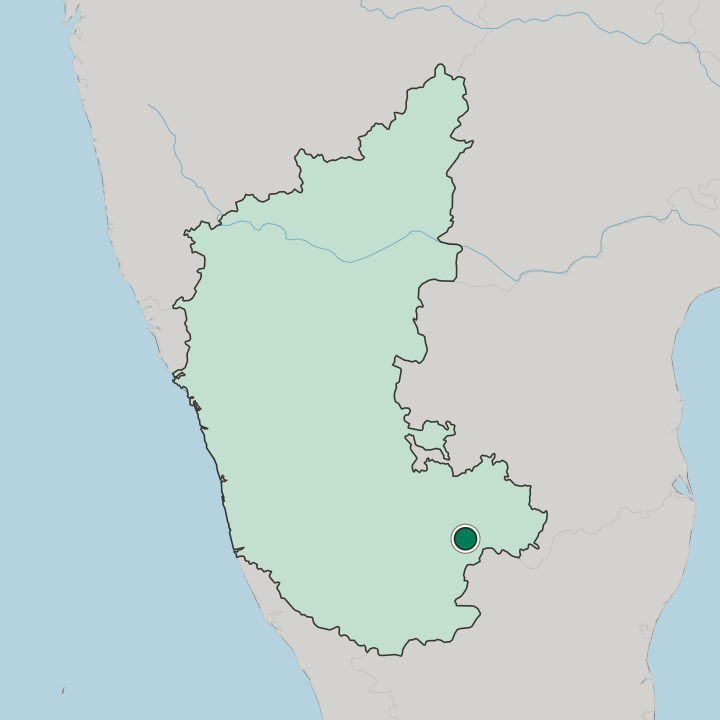
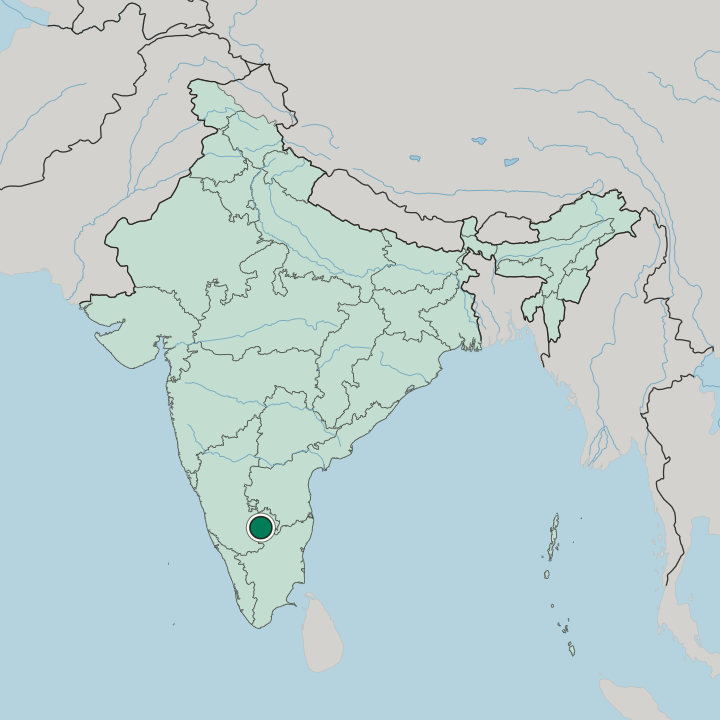
Bengaluru lies high on the Deccan Plateau, in the state of Karnataka, well inland from either coast. The land is gently rolling, dotted with old tanks and lakes. Its height sets it apart.
The elevation keeps the air cooler than the plains below, and the terrain slopes away toward the wider Deccan on every side of the built-up centre. Karnataka spreads around it.
What is the climate of Bengaluru?
Bengaluru has a mild tropical climate, cooled by its height on the Deccan Plateau. The elevation softens the heat that grips the plains. Days stay pleasant much of the year.
The monsoon brings its rains in season, freshening the parks and the old tanks that helped earn the Garden City name, before the skies dry again. Nights turn cool and comfortable.
How do you get to Bengaluru?
Bengaluru is a major hub of Karnataka, reached by air, rail, and road. Highways and rail lines climb onto the Deccan Plateau from every direction. Flights come from far.
Long-distance trains and buses converge on the central stations, from which the metro and local roads fan out across the sprawling city toward Ulsoor, Malleshwaram, and beyond. Traffic is the one constant.
Common questions
What is the best area to stay in Bengaluru?
Central Bengaluru: First-timers who want museums, parks, and colonial churches within a short walk. Ulsoor: Travellers wanting a quiet, residential base near a historic tank. Malleshwaram: Visitors after temples, markets, and leafy streets on foot.
Good for
More cities in State of Karnataka
Updated September 2026