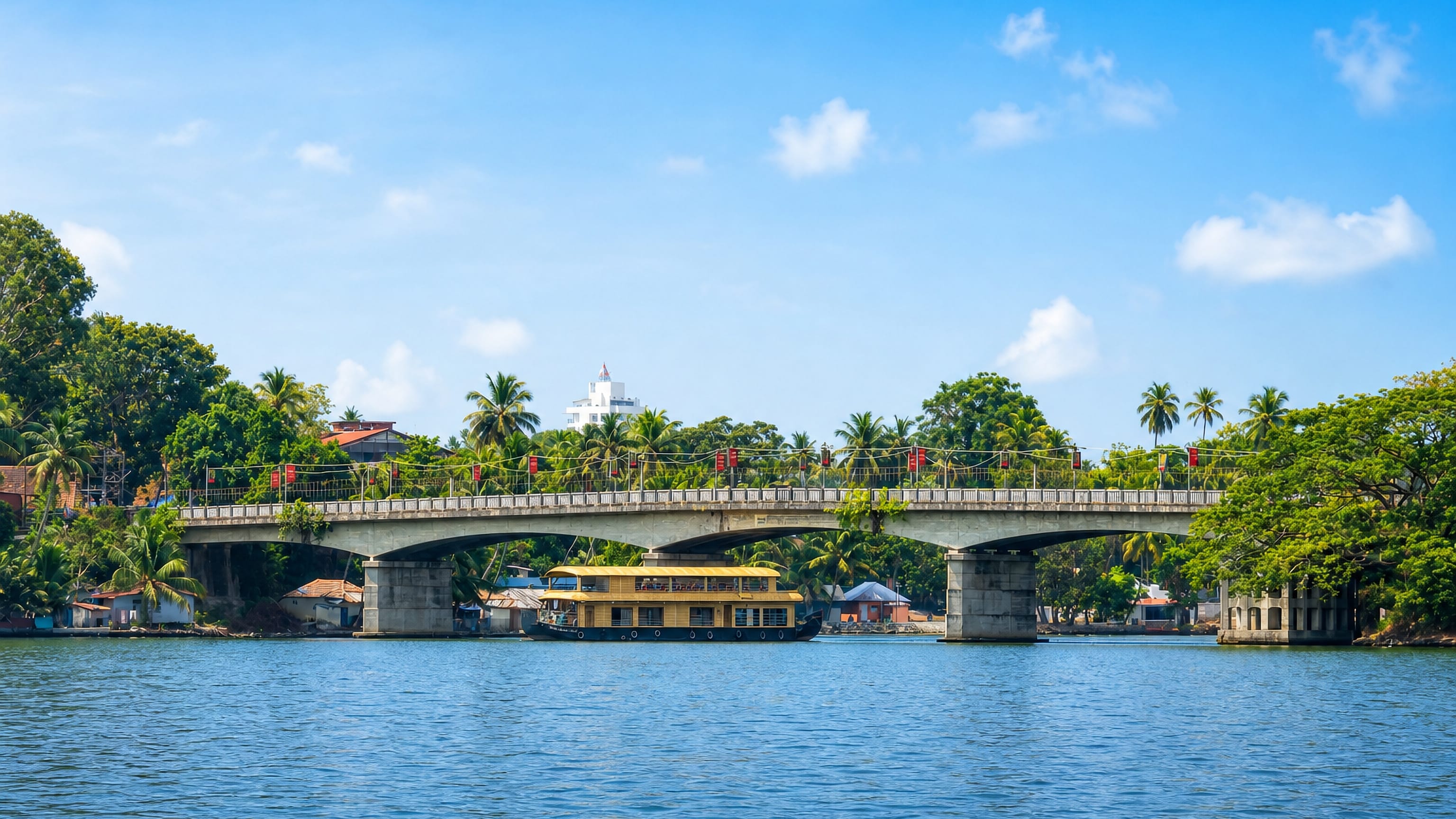
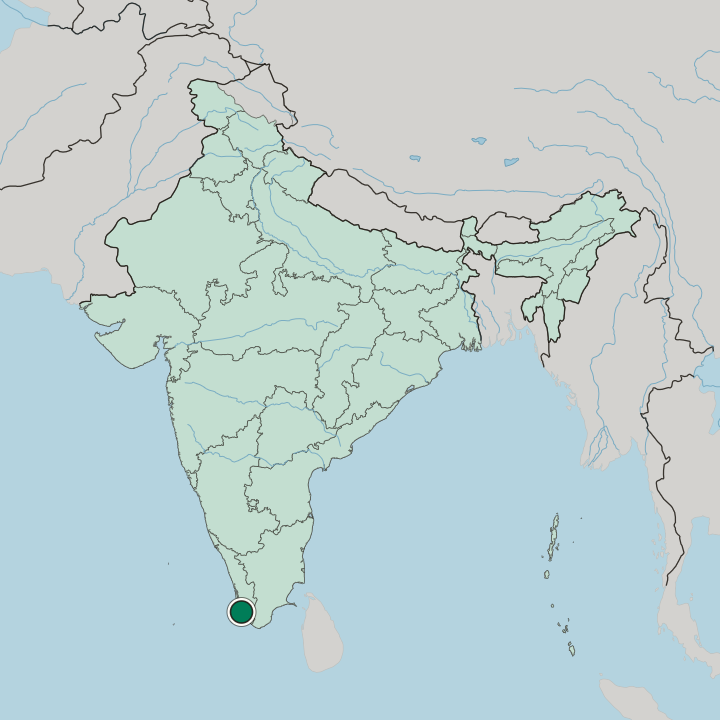
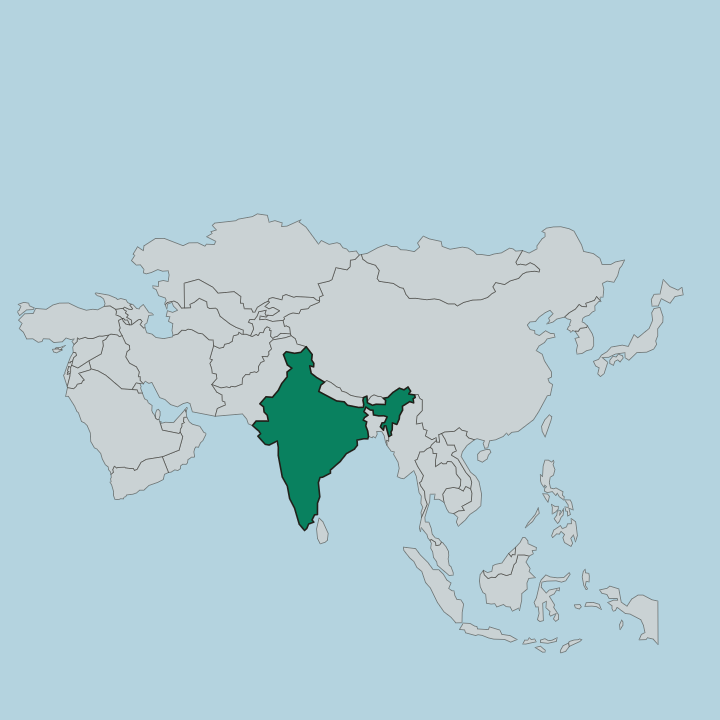
India · State of Kerala
Where to Stay in Kollam, State of Kerala
Kollam, the Quilon of earlier record, is an ancient seaport on Ashtamudi Lake, fourth largest of Kerala's cities and the way into its backwaters.
Hotel links are affiliate links: booking through them may earn us a commission, at no extra cost to you. It never affects how places are ranked. How this works


Where to stay in Kollam
How the choice of base plays out on the ground.
Water decides it here. Kollam sits on the banks of Ashtamudi Lake with the Arabian Sea on its other hand, and the first question a booking answers is whether the trip is a lake trip or a coast one. Ashtamudi is where most people want to be.
The Backwaters of Kerala open from that water, and a room on the lake shore means a boat leaves from the doorstep rather than from an hour's drive away. Most bookings land there. The harbour end reads differently.
Port Kollam Church stands over the working water, and the streets there belong to the seaport rather than to the tourism the lake has drawn. Colonial stone survives out at the beach. A few kilometres from the town centre there are European colonial-era relics above the sand, a ruined fort and a few churches, and old colonial buildings turn up scattered through the town itself.
Kadavoor and Vaddy anchor the quieter edges. Rooms thin out fast there. Thiruvananthapuram is close enough to serve as a fallback for anyone who arrives without a booking, though the drive back costs a morning of the lake.
Find hotels in Kollam
Direct booking searches for these neighbourhoods.
Ashtamudi Lake shore
Ashtamudi Lake is the water Kollam actually stands on, so a room along it puts the Backwaters of Kerala at the end of the path rather than at the end of a drive.Find hotels in Ashtamudi Lake shoreBeds beside Port Kollam Church and the working harbourPort Kollam
Port Kollam Church marks the harbour end of the city, the part of Kollam that still reads as a seaport rather than as a lake resort. Few places to stay nearby — book ahead.Find hotels in Port KollamWalkers heading for the ruined fort above the sandThe beach and the colonial relics
The beach a few kilometres out from Kollam ends in European colonial-era relics, a fort in ruins and a few churches, and a bed out there trades town noise for that walk. Lodging is scarce in this area; reserve in advance.Find hotels in The beach and the colonial relicsQuiet nights out by the churches at Kadavoor and VaddyKadavoor and Vaddy
Kadavoor and Vaddy sit away from the Ashtamudi Lake frontage, each with a church for a landmark and very little in the way of rooms. Lodging is scarce in this area; reserve in advance.Find hotels in Kadavoor and VaddyHotel links are affiliate links: booking through them may earn us a commission, at no extra cost to you. It never affects how places are ranked. How this works
About Kollam
Cashew and coir built the town.
What is Kollam known for?
Kollam processes cashew and manufactures coir, and tourism runs beside both because the city sits on Ashtamudi Lake at the opening of the Backwaters of Kerala. The seaport came first by a long way. Habitation here reaches back to the megalithic, and the port's trade is attested as early as the Phoenicians and the Romans, which makes this one of India's oldest continuously inhabited cities.
What are the main landmarks in Kollam?
Five sites are recorded in Kollam, and they do not group. The Sardar Vallabhbhai Patel Police Museum and the Eight-Point Gallery Cafe sit in the town, while Port Kollam Church marks the harbour and the two outlying churches, St. Casimir's Church at Kadavoor and St. Antony's Church at Vaddy, stand at the edges. Ruins count too.
European colonial-era relics above the beach include a fort in ruins and a few churches, and old colonial buildings are scattered through the streets.
What is the history of Kollam?
The megalithic is where the record starts. Kollam is described as an ancient seaport, and that description does the work of a founding date the record does not supply. Habitation here reaches back that far, and the city is counted among India's oldest that have been lived in without a break since.
Commerce arrived by sea. The port worked as a maritime entrepôt for millennia, and its earliest attestation belongs to the Phoenicians and the Romans, which places Kollam in the ancient trade of the Arabian Sea rather than at its margins. Quilon is the earlier name.
European colonial-era relics survive out at the beach, a fort in ruins with a few churches beside it, and old colonial buildings stand scattered through the streets of the town itself. The port never stopped working. Cashew processing and coir manufacturing grew from the same seaborne trade the Phoenicians and the Romans once touched, and tourism has joined them as a third industry the city lives on.
Kerala counts Kollam fourth largest of its cities. Thiruvananthapuram lies some seventy kilometres down the coast, and Kollam has held its own trades through all of it.
Where is Kollam?
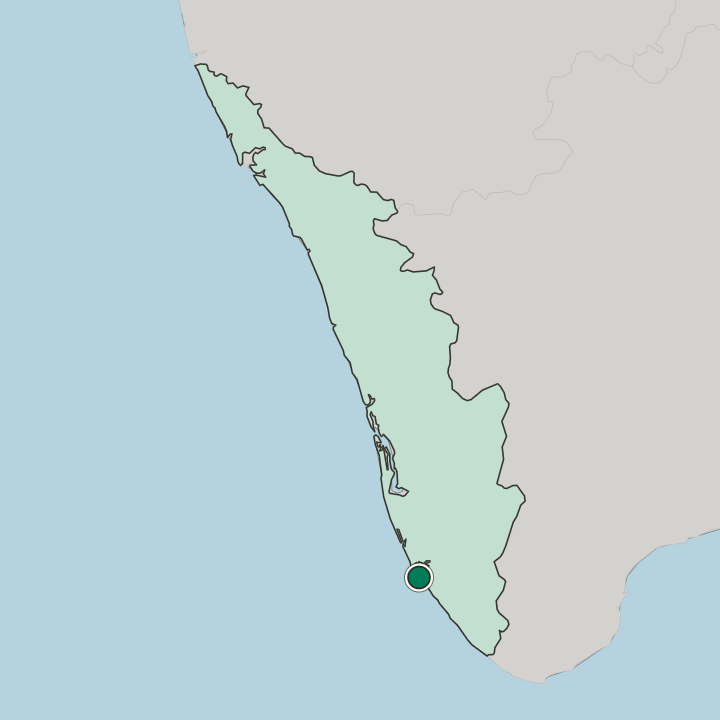
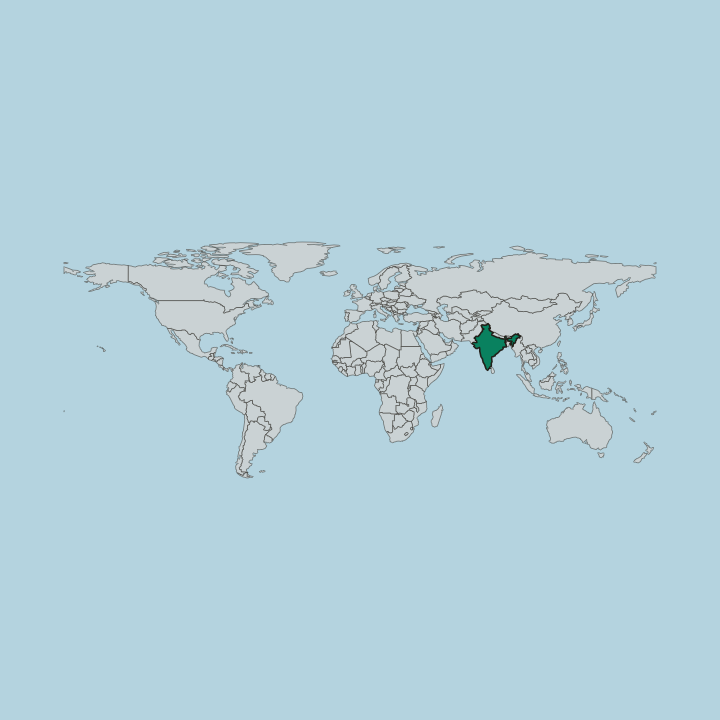
Ashtamudi Lake is the defining water. Kollam stands on its banks at the southern tip of the Malabar Coast, with the Arabian Sea to seaward and the Backwaters of Kerala reaching inland from the lake. A beach lies a few kilometres out.
Thiruvananthapuram lies some seventy kilometres down the coast, which leaves Kollam with the lake, the sea and the backwaters as the three edges of its own ground.
What is the climate of Kollam?
The Arabian Sea sets the terms. Warm water on one side and Ashtamudi Lake on the other keep Kollam humid through the whole of the year, with none of the swing that ground away from the coast gets. Kollam stays hot year round.
A traveller planning a boat day on the Backwaters of Kerala should reckon with a tropical shoreline rather than with seasons, and take the early hours where the light and the air are easiest.
How do you get to Kollam?
Thiruvananthapuram is the nearest reference point. The coast road covers some seventy kilometres from there, and that run is the shortest land approach into the city. Water is the other option.
Backwater craft use Kollam as an entry into that system, which makes an arrival by water a genuine choice rather than an excursion. The town itself is walkable, but the beach and the outlying churches at Kadavoor and Vaddy want wheels.
Common questions
What is the best area to stay in Kollam?
Ashtamudi Lake shore: Backwater departures straight off the Ashtamudi Lake frontage. Port Kollam: Beds beside Port Kollam Church and the working harbour. The beach and the colonial relics: Walkers heading for the ruined fort above the sand. Kadavoor and Vaddy: Quiet nights out by the churches at Kadavoor and Vaddy.
Good for
More cities in State of Kerala
Updated September 2026