India · State of Odisha
Where to Stay in Bhubaneswar, State of Odisha
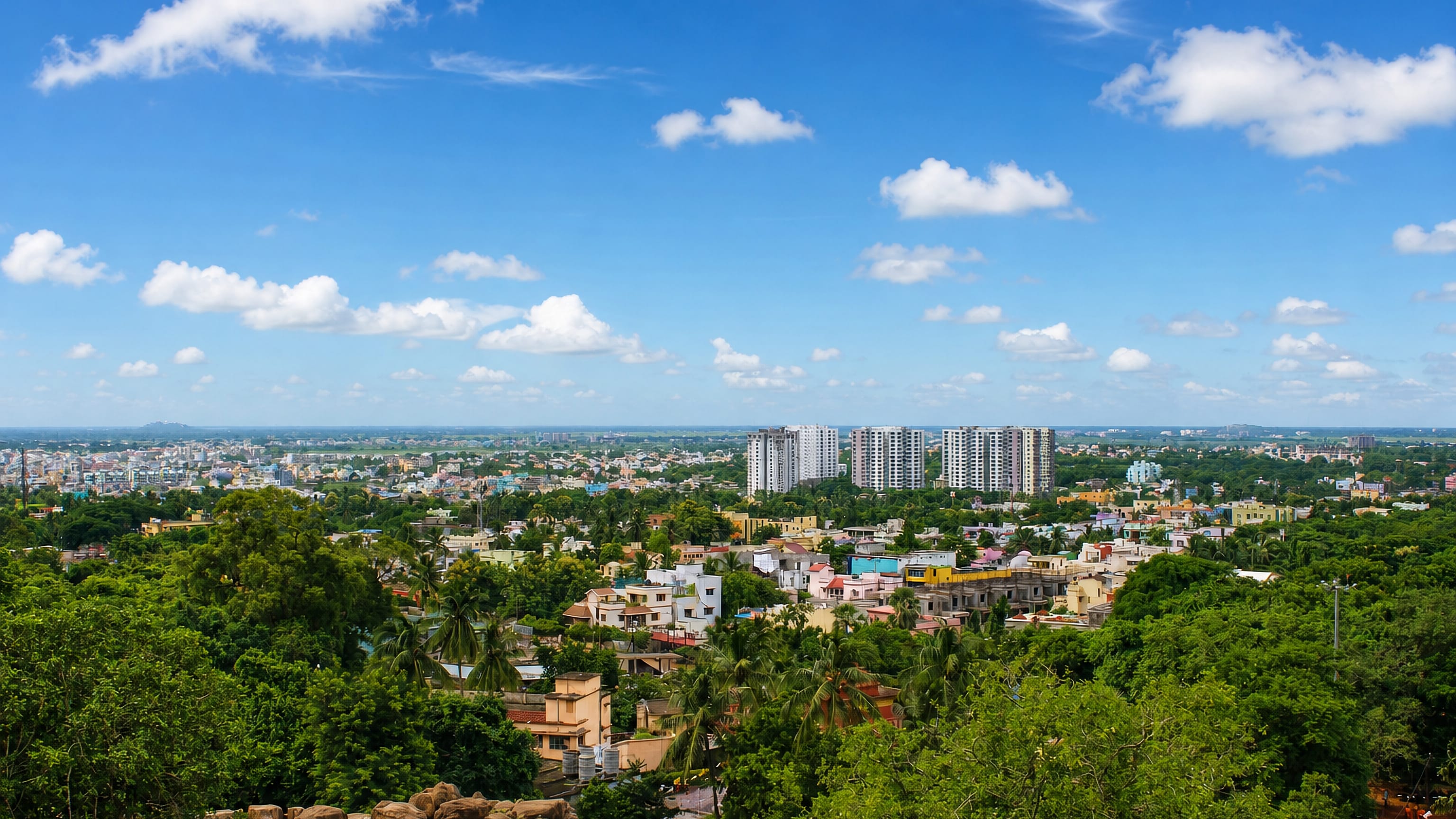
Sandstone spires rise over Bhubaneswar, capital of Odisha on the River Kuakhai, known for the Lingaraja Temple and its Kalinga stonework.
Hotel links are affiliate links: booking through them may earn us a commission, at no extra cost to you. It never affects how places are ranked. How this works


Where to stay in Bhubaneswar
How the choice of base plays out on the ground.
Bhubaneswar splits between its temple-dense old town and the planned avenues laid out after 1948, and where you stay turns on that divide. The old town, the Ekamra Khetra of the sources, wraps around the Lingaraja Temple and the Muktesvara deula. Stone fills every lane here.
Rooms near the old core put the Rajarani Temple, the Parsurameswara Temple, and the Baitala Deula within walking reach, so the morning bells and the pilgrim crowds sit at the door. The newer city stretches away from the River Kuakhai across a grid of broad roads and open blocks. This is the quarter of the Odisha State Museum, the Tribal Research Institute Museum, and the offices of the state capital.
It suits travellers who want space, quieter nights, and an easy road out toward Konark and Puri on the coast, while keeping the Kalinga temples a short ride behind. Beds are steadier here than in the crowded old lanes.
Find hotels in Bhubaneswar
Direct booking searches for these neighbourhoods.
The Ekamra Khetra old town
The old core packs the Lingaraja Temple, the Muktesvara deula, and the Rajarani Temple into a few dense streets.Find hotels in The Ekamra Khetra old townTravellers after broad roads and an easy run out to Konark and PuriThe planned new city
The post-1948 grid keeps the Odisha State Museum and the Tribal Research Institute Museum near roads leading to the coast.Find hotels in The planned new cityHotel links are affiliate links: booking through them may earn us a commission, at no extra cost to you. It never affects how places are ranked. How this works
Things to do in Bhubaneswar
Ranked by global recognition; descriptions from Wikidata (CC0).
Museums & Galleries
3- Odisha State Museum
- Tribal Research Institute Museum
- Regional Museum of Natural History, Bhubaneswar
Churches & Religious Sites
7- Sidheswar Temple Heritage
- Sisiresvara temple Heritage
- Markandeswar temple Heritage
- Bakeswar temple Heritage
- Maitreswar temple Heritage
Show 2 more →
- Makareswar temple with its minar Heritage
- Mukteswara Temple Heritage
worth knowingacross 2 categories in Bhubaneswar
About Bhubaneswar
What is Bhubaneswar known for?
Bhubaneswar is known as the Temple City of Odisha, its old core dense with Kalinga shrines. The Lingaraja Temple towers above the rest. Around it stand the Muktesvara deula, the Rajarani Temple, the Parsurameswara Temple, and the Baitala Deula, carved between the 6th and 13th centuries.
With Konark and Puri, the city forms the Swarna Tribhuja of Odisha, while the Odisha State Museum and the Tribal Research Institute Museum hold the region's Hindu, Buddhist, and Jain heritage.
What are the main landmarks in Bhubaneswar?
The landmarks of Bhubaneswar are its Kalinga temples, several standing since the early medieval centuries. The Lingaraja Temple crowns them all. Nearby rise the Muktesvara deula with its carved gateway, the Rajarani Temple, the Parsurameswara Temple, and the Brahmeswara Temple, while the Baitala Deula shows an older, tantric form.
The Ananta Vasudeva Temple sits by the sacred tank. Away from the shrines, the Odisha State Museum and the Tribal Research Institute Museum hold the wider heritage of Odisha.
What is the history of Bhubaneswar?
Bhubaneswar carries two histories, one ancient and one new. The ground around the old town, the Ekamra Khetra of the temple lists, held settlement from the 1st century BCE, and the great phase of building ran from the 6th to the 13th century. Kalinga masons raised temple after temple here.
The Parsurameswara Temple, the Muktesvara deula, and finally the towering Lingaraja Temple gave Odisha its Temple City, a confluence of Hindu, Buddhist, and Jain heritage on the plain above the River Kuakhai. The modern city is far younger. Bhubaneswar was formally established in 1948 as the planned capital of Odisha, its broad grid laid out beside the crowded old core.
The new avenues drew government, museums, and later sport and technology to the city. The Odisha State Museum and the Tribal Research Institute Museum gathered the region's records, while the old shrines, joined with Konark and Puri as the Swarna Tribhuja, kept the deeper past of the Kalinga country alive in stone.
Where is Bhubaneswar?
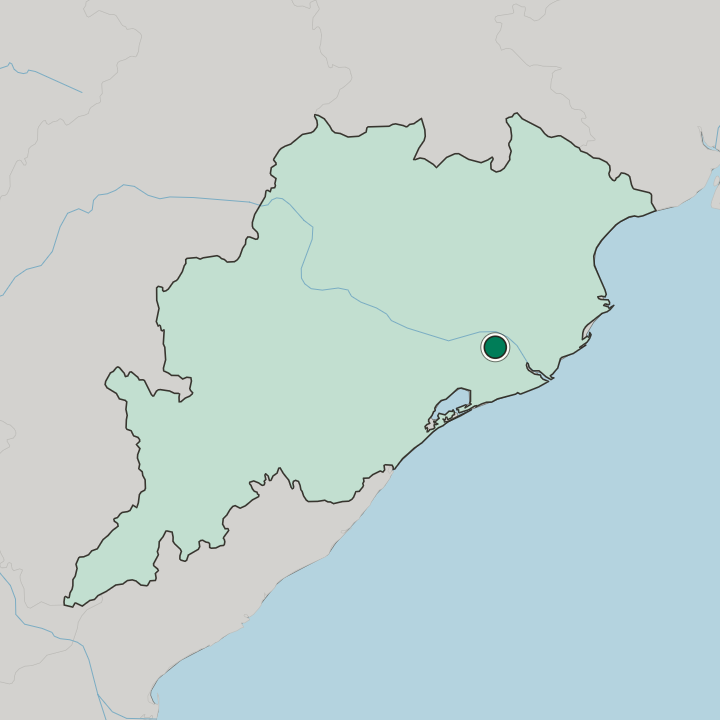
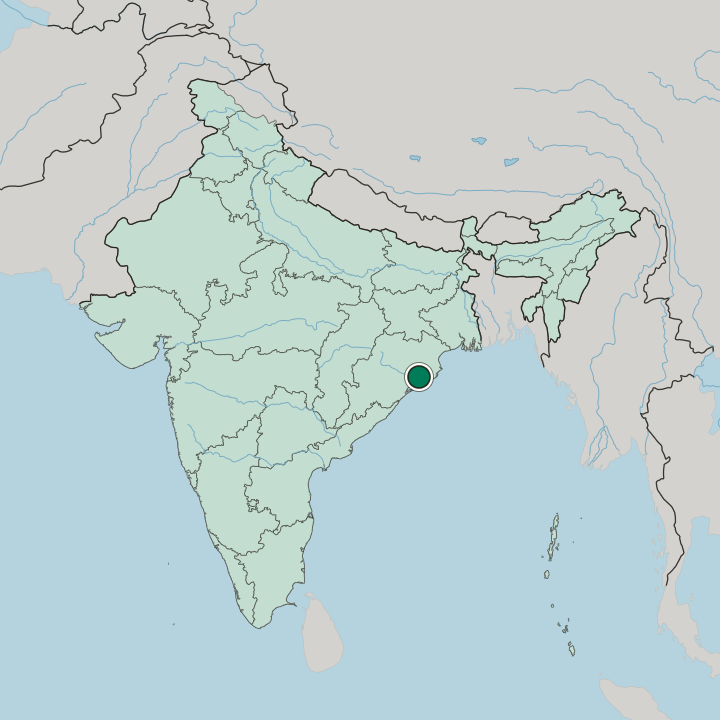
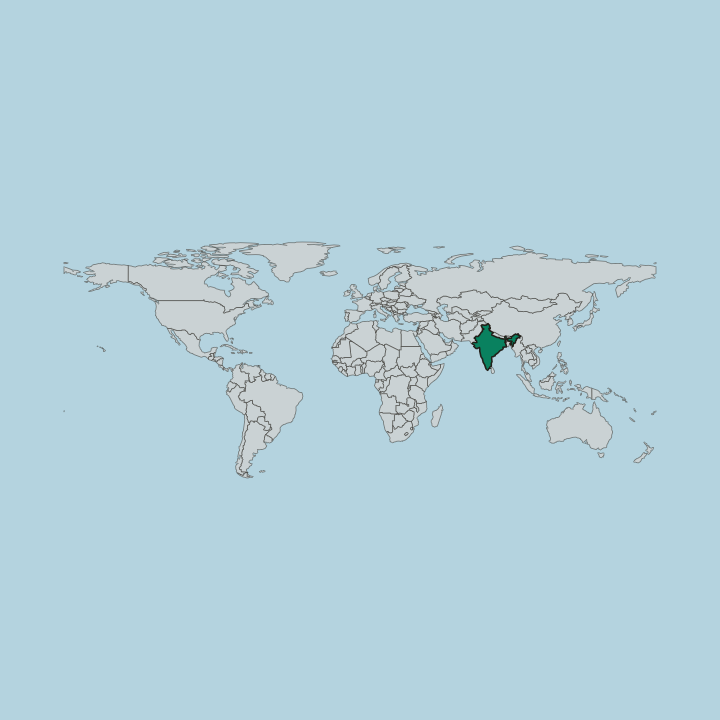
Bhubaneswar lies in eastern India, capital of Odisha in the Khordha district. It stands on the banks of the River Kuakhai, part of the Mahanadi delta, on the coastal plain that runs down to Puri and Konark by the sea. The ground is low and tropical.
The old town rises on a slight sandstone shelf, where the Lingaraja Temple looks out over the flat delta country of the Kalinga coast.
What is the climate of Bhubaneswar?
Bhubaneswar has a hot tropical climate shaped by the coast and the monsoon. Summers turn fierce and dry before the rains arrive. The monsoon then sweeps in off the Bay of Bengal, swelling the River Kuakhai and the wider Mahanadi delta through the long wet months.
Winters stay mild and warm. Temple crowds gather in the cooler season, when the sandstone of the Lingaraja Temple holds the low sun over the delta plain of Odisha.
How do you get to Bhubaneswar?
Bhubaneswar sits on the main eastern rail and road corridor of Odisha, midway along the coast of the Bay of Bengal. Trains reach the city from across India. An airport near the centre serves visitors flying in for the Kalinga temples, and highways run south to Puri and east to Konark, the two other points of the Swarna Tribhuja.
Roads and rail together tie the city to the wider delta country of the River Kuakhai.
Common questions
What is the best area to stay in Bhubaneswar?
The Ekamra Khetra old town: Temple pilgrims who want the Kalinga shrines and old lanes on foot. The planned new city: Travellers after broad roads and an easy run out to Konark and Puri.
Good for
More cities in State of Odisha
Updated September 2026