India · State of Odisha
Where to Stay in Sambalpur, State of Odisha
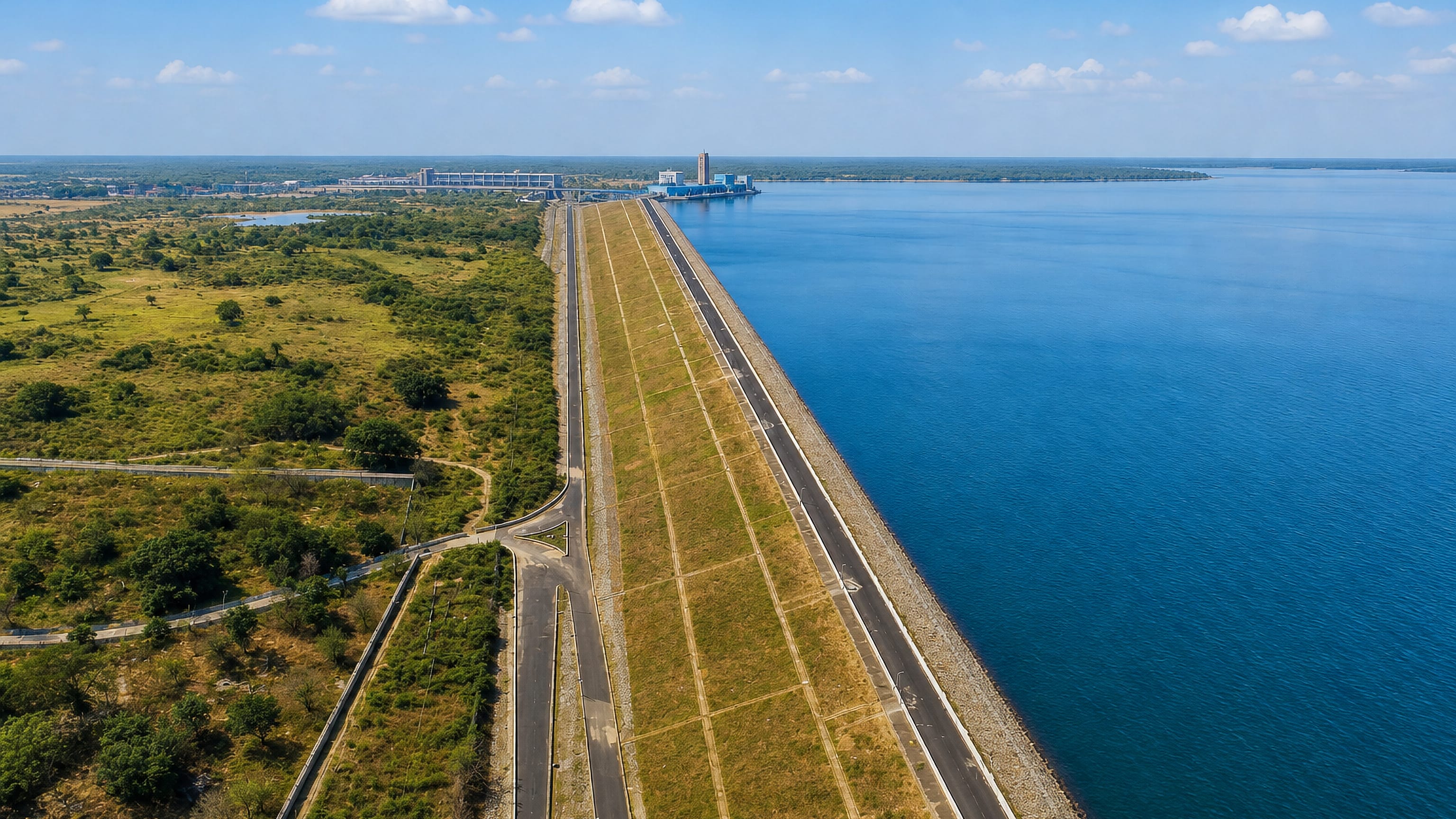
Sambalpur is the biggest city in western Odisha, standing on the banks of the Mahanadi and known for the Sambalpuri sari and the Leaning Temple of Huma.
Hotel links are affiliate links: booking through them may earn us a commission, at no extra cost to you. It never affects how places are ranked. How this works


Where to stay in Sambalpur
The practical side of choosing where to sleep.
The Mahanadi bank or the market side. Sambalpur stands on the banks of the river, and rooms facing that water are a different proposition from those among the weaving and trading streets that make the city western Odisha's largest. Water wins on a short stay.
A river-facing base puts the Mahanadi outside the window and still leaves the Veer Surendra Sai Museum within the city's own compass, which is as much as most visitors need. Two nights covers it. Huma is the reason to look beyond the streets.
The Leaning Temple of Huma is the named site tied to Sambalpur, and a visit planned around it still works best from a city base, since the city is where the beds are. Weaving fixes the other pattern. Anyone here for the Sambalpuri sari will want the trading streets rather than the river, because that is where the cloth is sold and where the working day of western Odisha's biggest city is actually visible.
Prehistory sits underneath all of it. Settlements have been recorded on this ground from long before either the temple at Huma or the fighting against the British that Veer Surendra Sai is remembered for.
Find hotels in Sambalpur
Direct booking searches for these neighbourhoods.
The Mahanadi bank
Sambalpur's frontage on the Mahanadi, close enough to the Veer Surendra Sai Museum to make the two a single afternoon.Find hotels in The Mahanadi bankbuying Sambalpuri sari cloth at its sourceThe weaving and trading streets
The working core of western Odisha's largest city, where the sari that carries Sambalpur's name is traded.Find hotels in The weaving and trading streetsan early start at the Leaning Temple of HumaHuma
Beds cluster in Sambalpur rather than at Huma, so the Leaning Temple is normally visited from a room in the city. Rooms are few around here — worth securing early.Find hotels in HumaHotel links are affiliate links: booking through them may earn us a commission, at no extra cost to you. It never affects how places are ranked. How this works
About Sambalpur
The sari carries the name.
What is Sambalpur known for?
Sambalpur gives the Sambalpuri sari its name, a weave tied to the city itself, and that association travels further than anything else the place produces. History supplies the rest. Records of the freedom fights against the British centre on Veer Surendra Sai, one of many who died in them, and the Veer Surendra Sai Museum in Sambalpur keeps that account.
What are the main landmarks in Sambalpur?
One temple leans. The Leaning Temple of Huma is the site that draws visitors, and its tilt, rather than its scale, is what every account of it turns on. A museum answers it.
The Veer Surendra Sai Museum in Sambalpur holds the record of the freedom fights against the British and of the man it is named for, and between those two sites there is a full day's looking. Mahanadi water runs past the city all the while.
What is the history of Sambalpur?
Settlement here is prehistoric. Recorded traces put people on the banks of the Mahanadi long before any of the events the city is remembered for, which gives Sambalpur a depth that its modern rank in Odisha does not suggest. The river explains it.
A large watercourse crossing western Odisha is the kind of thing settlements gather along, and this one still runs through the middle of the city. Resistance left the sharpest mark. Sambalpur is recorded as a place of repeated fighting against the British, and Veer Surendra Sai, one of many who died in that resistance, is the name attached to it.
A museum carries the record. The Veer Surendra Sai Museum in Sambalpur is where that history is set out, and it is the reason the city is described as historically important rather than merely large. Cloth gave it a second reputation.
The Sambalpuri sari takes its name from the city, and that weave is what most of Odisha knows Sambalpur for outside the historical record. Huma stands apart. That temple belongs to a different strand again, tied to neither the looms nor the resistance, and the Leaning Temple of Huma is the one monument the city sends visitors out to see.
Fifth-largest in the state. Sambalpur holds that rank in Odisha while also being the biggest city in western Odisha, which is the pairing that explains why so much of the region's business passes through.
Where is Sambalpur?
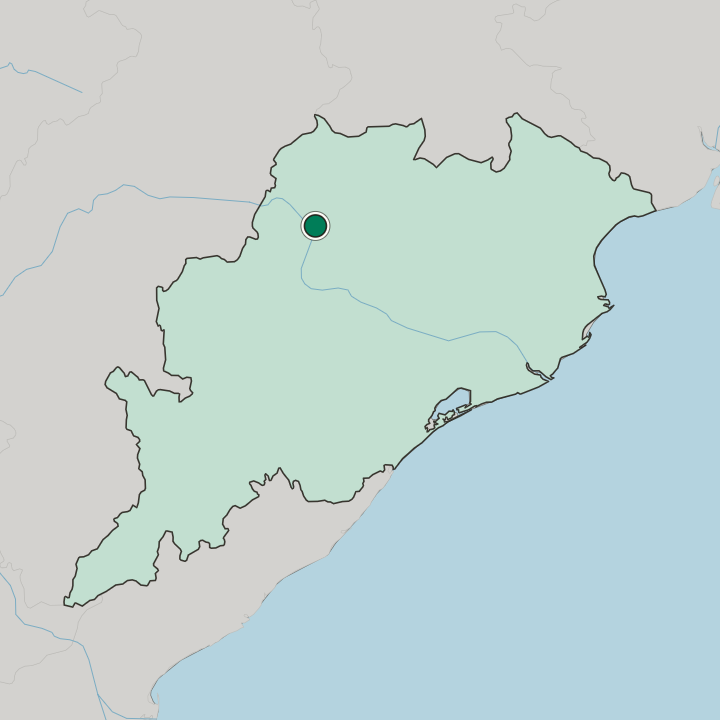
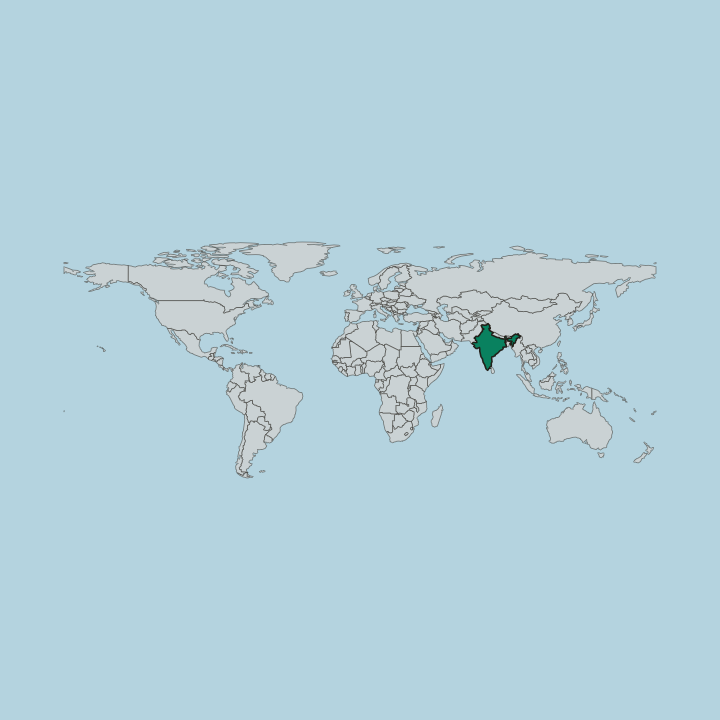
The Mahanadi runs through. Sambalpur stands on the banks of that river in western Odisha, on tropical ground, and the water is the single feature that organises the city's layout and its trade. Odisha ranks it fifth.
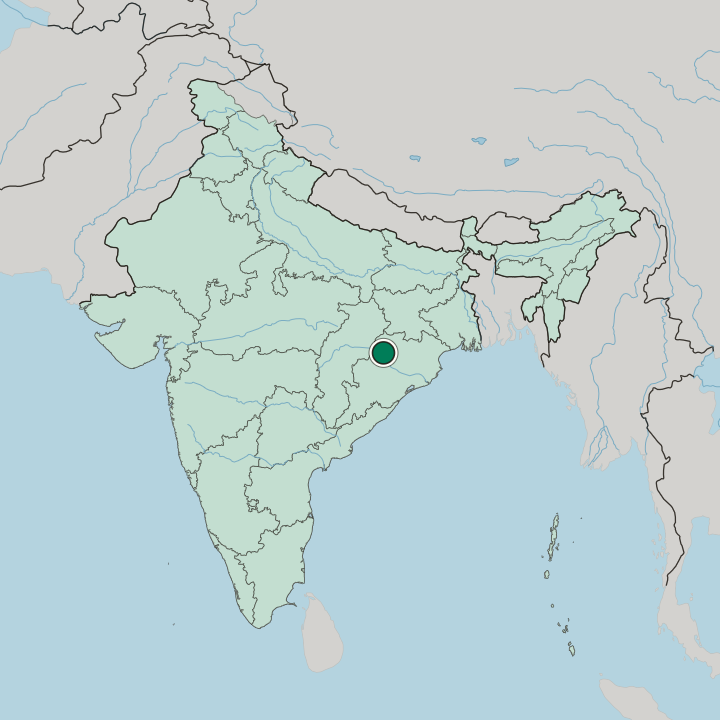
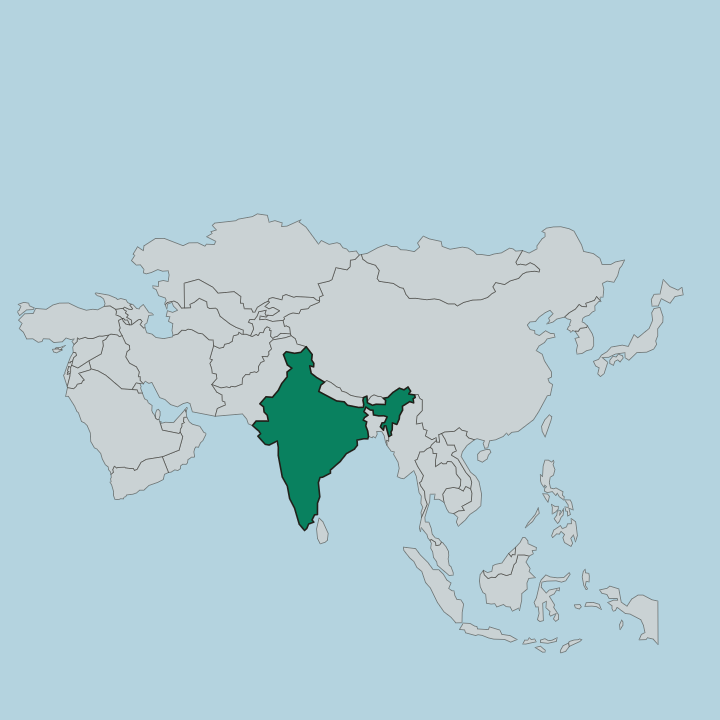
Among the state's cities Sambalpur comes fifth by size while dominating the western half outright, and the Leaning Temple of Huma is the named site tied to it within India.
What is the climate of Sambalpur?
The Mahanadi sets the tone. Sambalpur lies in the tropical band beside the river, and the pre-monsoon weeks in western Odisha are the hardest stretch of a year that otherwise divides cleanly into wet and dry. Rain raises the river.
The Mahanadi carries the monsoon through the middle of the city, and the dry months that follow are when the trading streets, the Veer Surendra Sai Museum and the Leaning Temple of Huma are best visited.
How do you get to Sambalpur?
Western Odisha funnels here. Sambalpur is the biggest city in that half of the state, which makes it the point most journeys through the region pass through rather than a place people detour to reach. The river is the marker.
Sambalpur's position on the banks of the Mahanadi is the thing every description of the place begins with, and arrivals from the rest of Odisha reach the trading streets and the Veer Surendra Sai Museum within the same short compass.
Common questions
What is the best area to stay in Sambalpur?
The Mahanadi bank: river-facing rooms a walk from the museum. The weaving and trading streets: buying Sambalpuri sari cloth at its source. Huma: an early start at the Leaning Temple of Huma.
More cities in State of Odisha
Updated September 2026