India · State of Tamil Nādu
Where to Stay in Coimbatore, State of Tamil Nādu
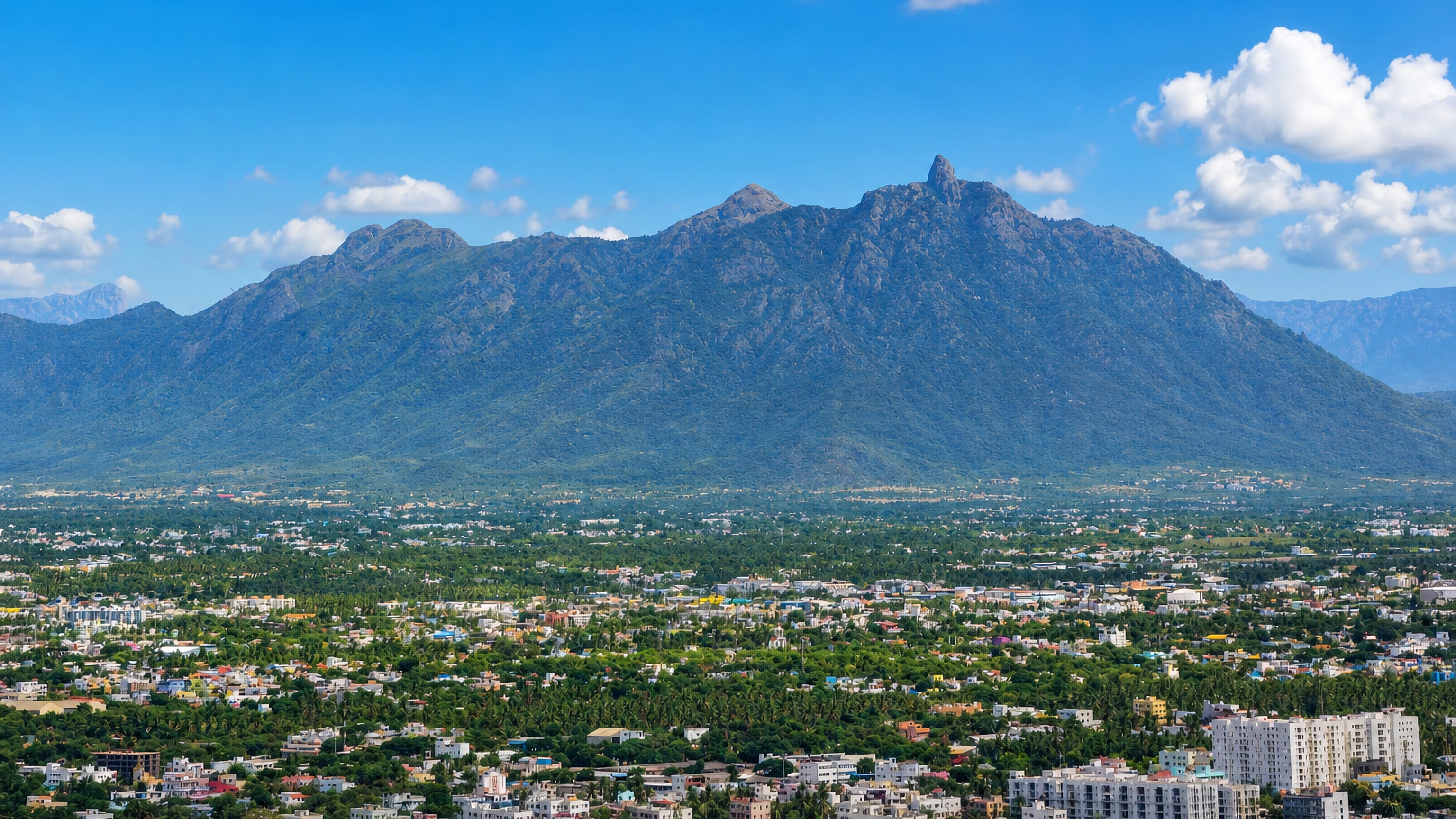
The Noyyal River runs through Coimbatore, a Tamil Nadu city ringed by the Western Ghats and known as Kovai, its textile mills, and St. Michael's Cathedral.
Hotel links are affiliate links: booking through them may earn us a commission, at no extra cost to you. It never affects how places are ranked. How this works


Where to stay in Coimbatore
Where the beds are, and what that means for the visit.
Where to stay in Coimbatore sorts roughly into the older core near St. Michael's Cathedral and the newer districts spread west toward the Western Ghats. Base yourself in the centre for the markets, the railway station, and the shortest reach to the civic sights around the Government Museum. It suits first-timers.
The streets here run busy with the trade that built the city, so evenings stay lively well past dark. The western and northern suburbs, out toward the VOC park and zoo and the campuses along the plain, trade the density of the core for calmer roads and easier parking. Choose them for quiet.
These areas put the foothills of the Western Ghats within a short drive and sit closer to the engineering estates that ring the city, a practical base for anyone here on business or using Coimbatore as a stop on the way up into the hills.
Find hotels in Coimbatore
Direct booking searches for these neighbourhoods.
The old core near St. Michael's Cathedral
The busy trade streets around the Government Museum keep the centre lively past dark, closest to Coimbatore's civic sights.Find hotels in The old core near St. Michael's Cathedralquieter stays and business travellers near the engineering estatesThe western suburbs toward the Ghats
Calmer roads out by the VOC park and zoo, with the foothills of the Western Ghats a short drive away.Find hotels in The western suburbs toward the GhatsHotel links are affiliate links: booking through them may earn us a commission, at no extra cost to you. It never affects how places are ranked. How this works
About Coimbatore
What is Coimbatore known for?
Coimbatore, also called Kovai, is known as the second-largest city in Tamil Nadu after Chennai and as a long-standing centre of textiles and engineering. The mills grew on the water of the Noyyal River and the cotton of the surrounding plain. Industry defines it.
Yet the city keeps room for its museums and greenery too, from the Gass Forest Museum to the VOC park and zoo, and St. Michael's Cathedral marks its older civic core beneath the wall of the Western Ghats to the west.
What are the main landmarks in Coimbatore?
The main landmarks in Coimbatore run from its civic museums to its parks and churches. St. Michael's Cathedral stands over the old centre, while the Government Museum and the Gass Forest Museum hold the city's collections of art and natural history. The Gedee Car Museum keeps classic vehicles.
Families gather at the VOC park and zoo, and the Insect Museum at the agricultural university draws the curious. Each marks a different side of the city on the Noyyal River.
What is the history of Coimbatore?
Coimbatore grew on the banks of the Noyyal River, at a natural gap in the Western Ghats that has long carried trade and traffic between Tamil Nadu and the coast beyond the hills. The water mattered first. Its flow, drawn off across the surrounding cotton plain, gave the settlement the means to spin and weave, and the town that became Kovai turned steadily from an agricultural centre into a place of mills.
The rise of cotton, and afterward of engineering, set the shape of the modern city. Textile works clustered along the river and the roads out toward Chennai, and workshops grew up to serve them, giving Coimbatore its reputation for industry across the state. The civic city took form alongside the trade, marked by the Government Museum and by St. Michael's Cathedral in the older core, and the Coimbatore Municipal Corporation, established in 1981, drew the administration of the growing district together under one body.
Where is Coimbatore?
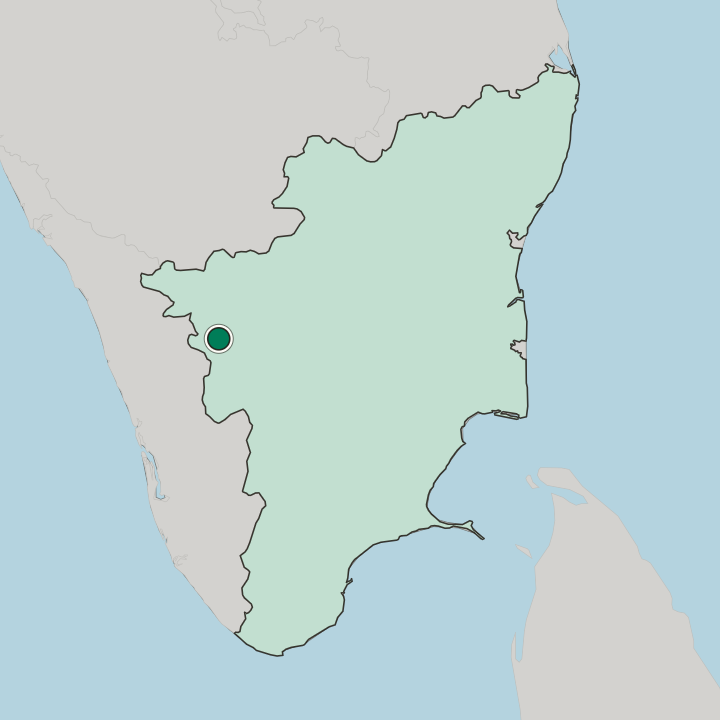
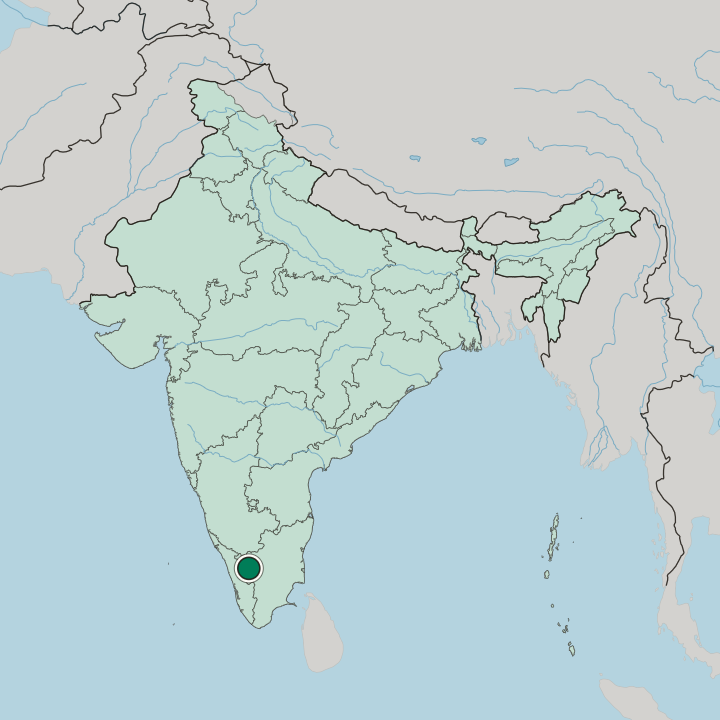
Coimbatore lies on the Noyyal River in Tamil Nadu, on the plain that spreads below the eastern wall of the Western Ghats. The mountains rise close to the west. A gap in the range opens the route toward the coast beyond and channels the winds that reach the city, while the river and its old channels thread the plain that the town grew across.
This setting, between the range and the flat cotton country, has shaped Kovai from the start.
What is the climate of Coimbatore?
Coimbatore has a warm tropical climate tempered by the gap in the Western Ghats to its west. Breezes slip through the pass. That corridor funnels air off the far coast and keeps the plain a little cooler and drier than much of Tamil Nadu, and the city sees most of its rain from the retreating monsoon later in the year rather than the earlier southwest rains.
Warm days and mild evenings run through much of the calendar.
How do you get to Coimbatore?
Coimbatore is one of the main gateways of western Tamil Nadu, well served by air, rail, and road. Trains run east toward Chennai and west through the gap in the Western Ghats toward the coast, and the city's airport links it to the rest of India. Roads climb from here into the hills.
The station sits near the old core by St. Michael's Cathedral, putting arrivals within easy reach of the centre on the Noyyal River.
Common questions
What is the best area to stay in Coimbatore?
The old core near St. Michael's Cathedral: first-timers who want the station and markets on their doorstep. The western suburbs toward the Ghats: quieter stays and business travellers near the engineering estates.
Good for
More cities in State of Tamil Nādu
Updated September 2026