India · State of Tamil Nādu
Where to Stay in Tiruppur, State of Tamil Nādu
Tiruppur, the knitwear capital of India, is a municipal corporation on the Noyyal River and the administrative seat of Tiruppur district, Tamil Nādu.
Hotel links are affiliate links: booking through them may earn us a commission, at no extra cost to you. It never affects how places are ranked. How this works


Where to stay in Tiruppur
How the choice of base plays out on the ground.
Business books most of these rooms. Tiruppur is a working city of roughly 160 square kilometres, and the knitwear trade that fills it decides where a visitor sleeps far more than any view of the Noyyal River does. Rooms near the units suit buyers, since the cotton knitwear that carries about 90% of India's exports in the line is made and finished within the same corporation limits.
The river is the other axis. Along the Noyyal the ground opens out, and a bed on that side of Tiruppur trades proximity to the trade for the one stretch of the city that is not given over to it. Sightseeing is thin.
The Pandava Graves are the only landmark the record names, out beyond the built-up ground, and travellers who want that side of the district rather than the knitwear units should take a room facing outward. Tiruppur district spreads around all of it, and the city serves as its administrative capital, which keeps a steady stream of official traffic in the same beds the trade uses. The Tiruppur Municipal Corporation administers the whole built-up area, so the practical choice is not between towns but between the riverside streets, the knitwear blocks and the open country outside them.
Find hotels in Tiruppur
Direct booking searches for these neighbourhoods.
The Noyyal banks
The Noyyal River threads the built-up ground of Tiruppur and its banks give the only open frontage in a city otherwise handed over to the knitwear tradeFind hotels in The Noyyal banksBuyers working the cotton knitwear tradeThe knitwear blocks
Tiruppur ships about 90% of India's cotton knitwear exports and a bed among the units answers the only reason most visitors book a room in the city at allFind hotels in The knitwear blocksThe Pandava Graves and the district beyondOut by the Pandava Graves
The Pandava Graves are the single site recorded outside Tiruppur's industry, and the ground around them is quieter than anywhere inside the municipal corporation. Lodging is scarce in this area; reserve in advance.Find hotels in Out by the Pandava GravesHotel links are affiliate links: booking through them may earn us a commission, at no extra cost to you. It never affects how places are ranked. How this works
About Tiruppur
Knitwear is the whole story.
What is Tiruppur known for?
Tiruppur turns out the cotton knitwear that accounts for about 90% of the exports India sends abroad in that trade, which is why the city is called the knitwear capital of the country. Trade rather than sightseeing brings most arrivals, and the fourth largest city of Tamil Nādu runs on the same industry from the riverbanks outward. The Pandava Graves are the exception.
That site is the one landmark the record names apart from the industry, and Tiruppur is the capital of the district around it.
What are the main landmarks in Tiruppur?
One site carries the list. The Pandava Graves are the single landmark the record attaches to Tiruppur, standing apart from the knitwear industry that otherwise accounts for the city's reputation. The Noyyal River is the other feature worth naming, since the city grew along its banks and the water still marks the line the built-up ground follows.
Everything else is work.
What is the history of Tiruppur?
No year opens the story of Tiruppur. The Pandava Graves are the oldest thing the record attaches to the place, a burial site that predates every account of the town that grew beside the Noyyal River. Water came first in the ordinary way.
Tiruppur stands on the banks of the Noyyal River, which is the geographic fact the record gives before any other. Knitwear did the rest, turning a river town into the fourth largest city of Tamil Nādu and the source of about 90% of the cotton knitwear India exports. Administration followed the industry.
Tiruppur became a municipal corporation and the administrative capital of Tiruppur district, so the same streets that ship knitwear also carry the offices that run the district around them. Cotton runs through all of it. The Tiruppur Municipal Corporation administers roughly 160 square kilometres of that ground.
Two spellings, Tiruppur and Tirupur, are both in use for the city, and neither belongs to a different place. South India knows the city by that trade, and the knitwear capital label reaches further beyond Tamil Nādu than the administrative title the corporation carries.
Where is Tiruppur?
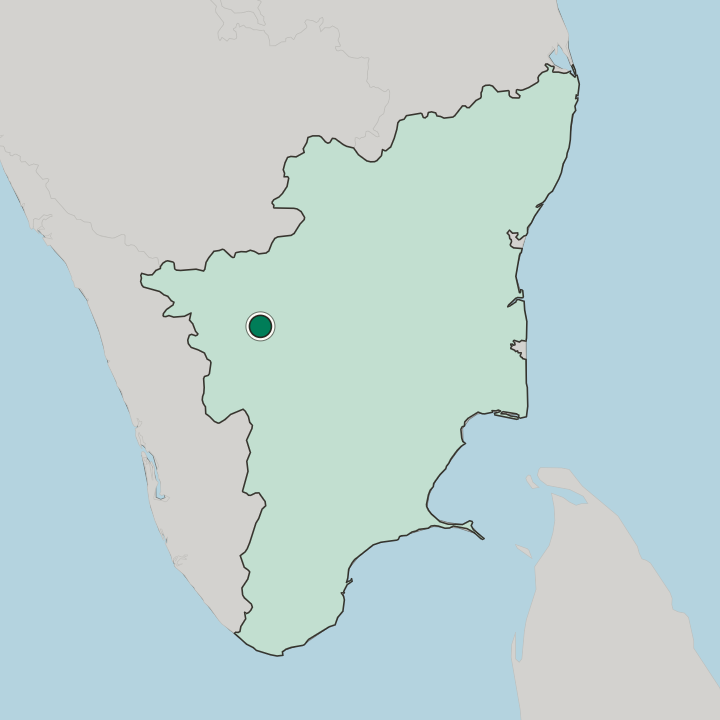
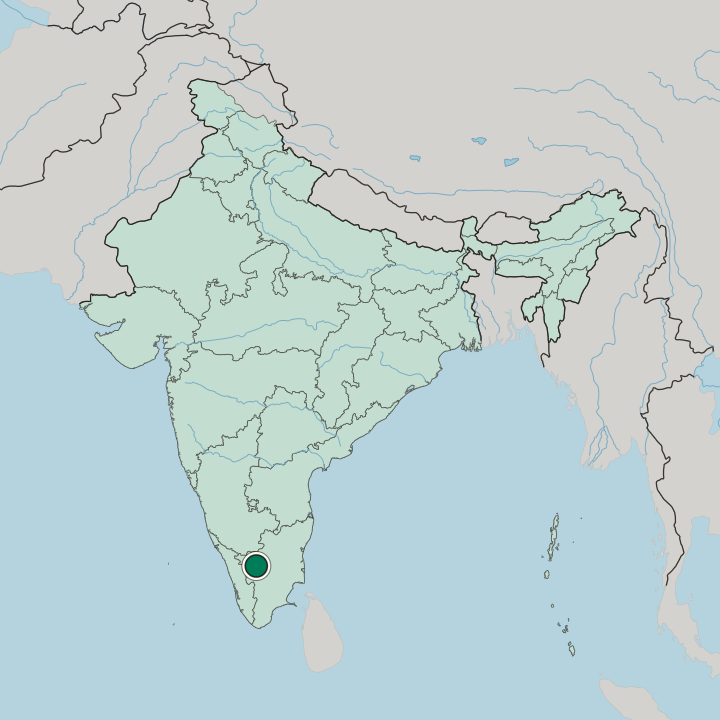
The Noyyal River sets the frame. Tiruppur spreads over roughly 160 square kilometres on the banks of that river, the fourth largest city in the state of Tamil Nādu. Tiruppur district takes in the country around, with the Pandava Graves out among it and open ground beyond the corporation limits.
It lies in south India.
What is the climate of Tiruppur?
The Noyyal River measures the year here, running full or low as the tropical seasons turn, and Tiruppur takes its wet and dry halves from the same rhythm rather than from any change of temperature. Heat holds through. Work in the knitwear units carries on regardless, since the trade that supplies about 90% of India's cotton knitwear exports runs through both halves of the year.
How do you get to Tiruppur?
Freight sets the pattern. Tiruppur moves cotton knitwear out to the rest of India in volume, and the routes that carry it are the same ones most visitors arrive on, since the city is the administrative capital of its district as well as its industrial one. The Noyyal River crosses the built-up area, and roughly 160 square kilometres of corporation ground lie either side of it, so an address matters more than a district name once inside.
Common questions
What is the best area to stay in Tiruppur?
The Noyyal banks: The one open frontage in a working city. The knitwear blocks: Buyers working the cotton knitwear trade. Out by the Pandava Graves: The Pandava Graves and the district beyond.
More cities in State of Tamil Nādu
Updated September 2026