India · State of Uttarākhand
Where to Stay in Dehradun, State of Uttarākhand
Dehradun, also called Dehra Doon, is the winter capital of Uttarākhand, between the Himalayan foothills and the Shivaliks.
Hotel links are affiliate links: booking through them may earn us a commission, at no extra cost to you. It never affects how places are ranked. How this works


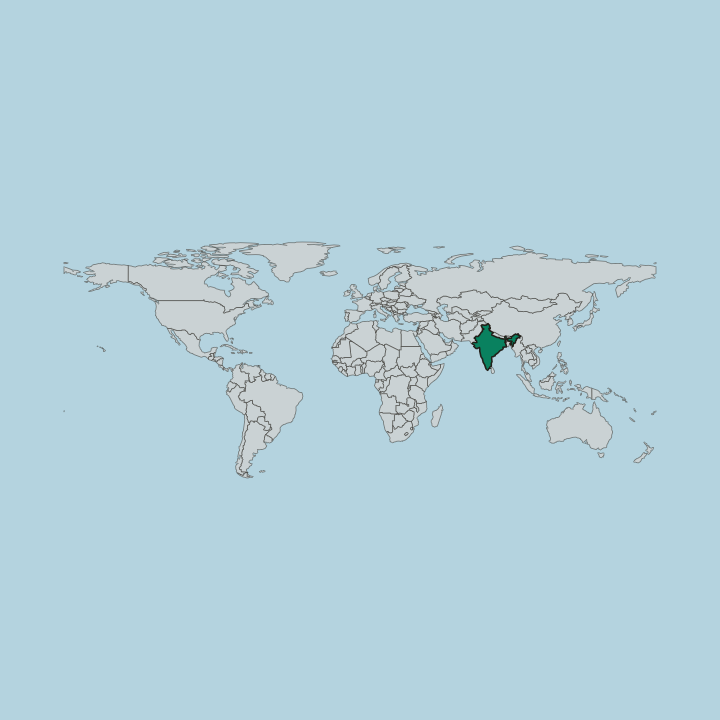
Where to stay in Dehradun
The practical side of choosing where to sleep.
Dehradun spreads across some three hundred square kilometres between two ranges, and a room's real difference here is which of those edges it faces rather than which street it stands on. The Parade Ground marks the civic middle. Its Multipurpose Hall handles the gatherings that a winter capital attracts, and beds taken in the surrounding blocks suit anyone whose visit follows the Uttarākhand Legislative Assembly's sessions or the Dehradun Municipal Corporation's offices.
Galleries pull in another direction. The Uttara Museum of Contemporary Art draws a different visitor than the Kalinga Monuments do, and neither is a reason to sleep far out. The Shivaliks close the valley to the south, and the Himalayan foothills close it to the north, so the choice on the outskirts is really a choice of which range fills the window.
Northern rooms sit closer to the climb. Southern ones look back at the Shivalik wall, and both put a driver on the roads out before the middle of Dehradun has woken up. Pilgrims and holidaymakers both pass through.
Basmati rice, tea, and lychee gardens grow in quantity around the city, and a stay on its rim keeps that agricultural ground within sight in a way the centre cannot.
Find hotels in Dehradun
Direct booking searches for these neighbourhoods.
The Parade Ground blocks
The Multipurpose Hall and the civic floor of Dehradun sit in these streetsFind hotels in The Parade Ground blocksSleepers who want the Shivalik wall at the windowThe Shivalik side
The southern range closes the valley here, off the Dehradun Municipal Corporation's busiest ground. Rooms are few around here — worth securing early.Find hotels in The Shivalik sideDrivers climbing from Dehradun into the Himalayan foothillsThe foothill approaches
Rooms on the northern rim, nearest the foothills that close the valley above the city. Lodging is scarce in this area; reserve in advance.Find hotels in The foothill approachesHotel links are affiliate links: booking through them may earn us a commission, at no extra cost to you. It never affects how places are ranked. How this works
About Dehradun
Government arrives with the cold.
What is Dehradun known for?
The Uttarākhand Legislative Assembly holds its winter sessions in the city, and the title of winter capital records that arrangement rather than any claim on the whole year. Growers know it differently. Basmati rice, tea, and lychee gardens grow in abundance around Dehradun, and the Dehradun Municipal Corporation governs a city that draws pilgrims and holidaymakers as readily as it draws official business.
What are the main landmarks in Dehradun?
The Parade Ground anchors the city's public life. Its Multipurpose Hall takes the assemblies, ceremonies, and crowds that come with Dehradun's role as the winter capital of Uttarākhand, and it is the one address a visitor is likeliest to be sent to. Two others answer smaller purposes.
The Uttara Museum of Contemporary Art shows current work, and the Kalinga Monuments hold a memorial function, and between them they give the city a cultural register beyond the offices of the Dehradun Municipal Corporation.
What is the history of Dehradun?
The city dates its founding to 1676. That year is the one Dehradun carries as its founding, and everything the place has since become, district headquarters, seat of a winter legislature, and municipal corporation, was built on ground that already had a settlement's name. The second name is older in feel.
Dehra Doon and Dehradun name the same place, and both spellings stay in circulation, so a visitor may meet the city under either heading without having found two different towns. The ranges that frame it, the Himalayan foothills to the north and the Shivaliks to the south, are the one part of the setting that no administrative change has touched. Administration came to define the modern city.
Dehradun is the headquarters of the district that shares its name, which fixes a great deal of Uttarākhand's routine paperwork and administration inside one municipal boundary. The Uttarākhand Legislative Assembly added the second layer, sitting here for its winter sessions and giving Dehradun a standing that holds for one season of the year rather than for all of it. The Dehradun Municipal Corporation governs it.
Between the corporation, the district office, and the winter assembly, the city's public identity rests on functions rather than on any single monument raised to mark them.
Where is Dehradun?
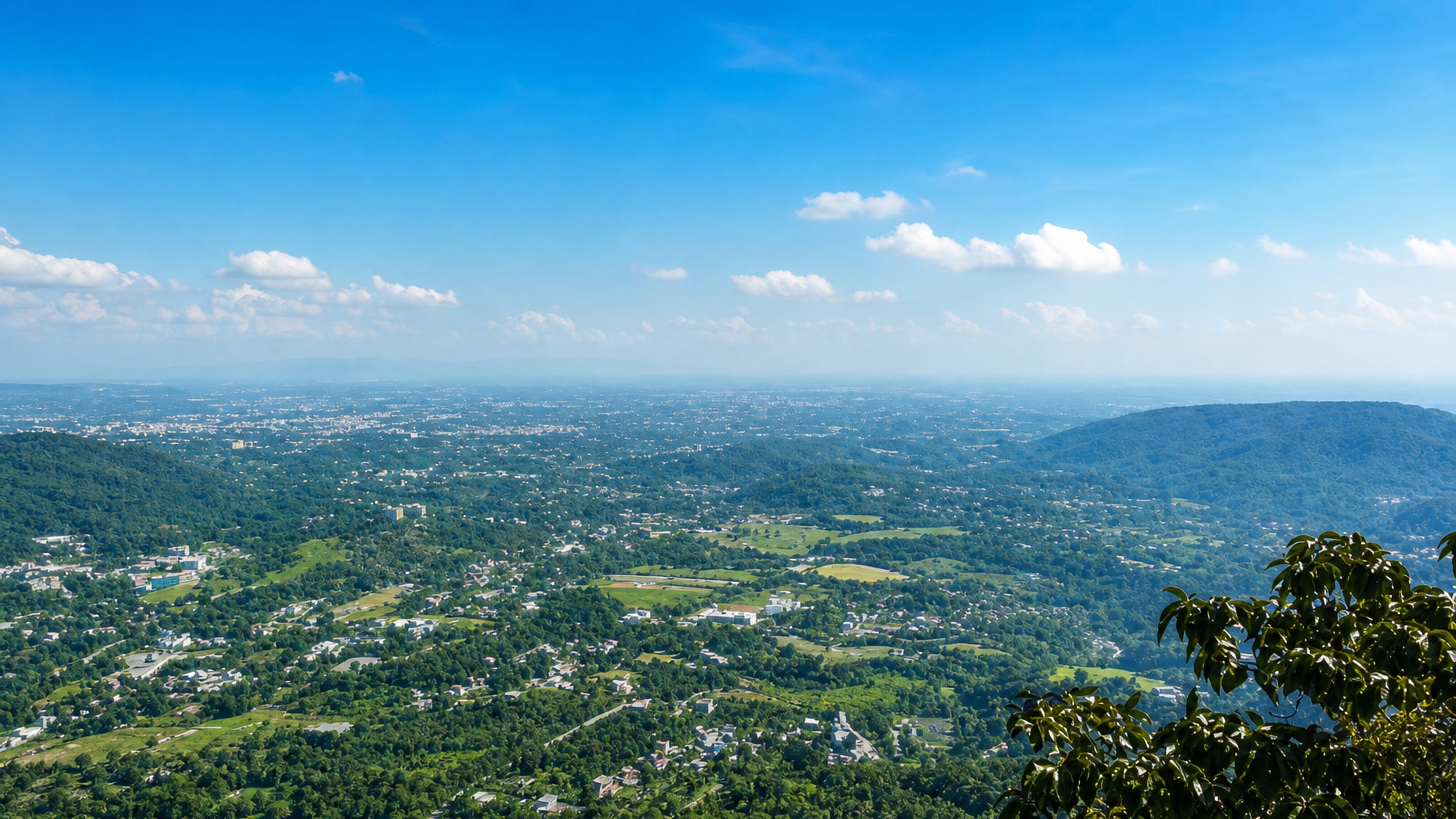
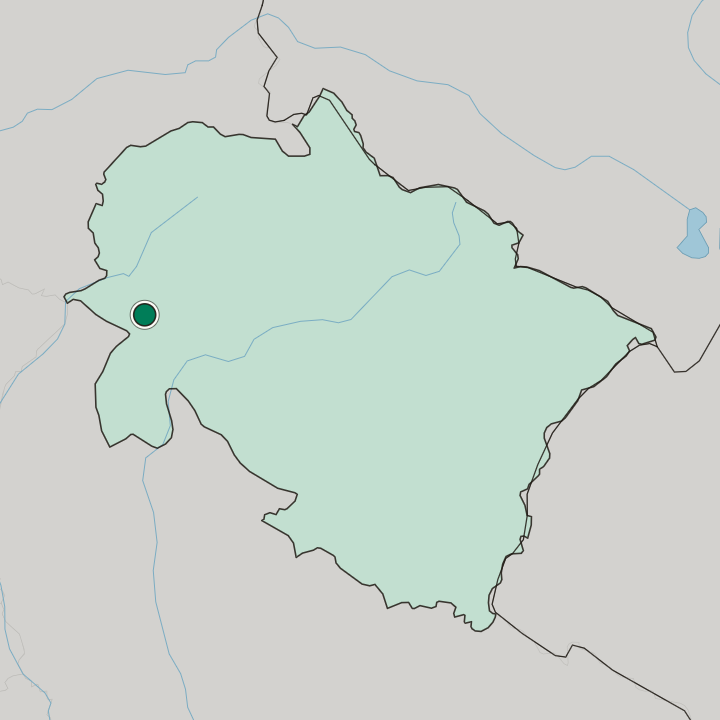
Two ranges hold the city in place. The Himalayan foothills rise to the north and the Shivaliks to the south, and Dehradun occupies the floor between them, some three hundred square kilometres of ground inside the district it administers. Fields fill much of that floor.
Basmati rice, tea, and lychee gardens take up the workable land around the city, which is why the approach to Dehradun reads agricultural long before it reads administrative.
What is the climate of Dehradun?
The valley keeps a subtropical year. Dehradun lies in the northern hemisphere's subtropical band, and the Himalayan foothills to the north and the Shivaliks to the south enclose a valley that experiences winter as a season rather than as a shutdown. Winter is when the state government arrives.
The Uttarākhand Legislative Assembly meets in Dehradun for its winter sessions, which makes the cooler months the city's busiest official stretch and the warmer ones its quieter.
How do you get to Dehradun?
The valley itself sets the approach. Roads into Dehradun run along the floor between the Himalayan foothills and the Shivaliks, because the two ranges leave the valley as the practical line of travel through this part of Uttarākhand. Two currents feed the traffic.
Pilgrims and holidaymakers come for the hills, and official visitors come for the winter sessions of the Uttarākhand Legislative Assembly and the offices of the Dehradun Municipal Corporation, which keeps arrivals steady across both halves of the year.
Common questions
What is the best area to stay in Dehradun?
The Parade Ground blocks: Winter sessions of the Uttarākhand Legislative Assembly. The Shivalik side: Sleepers who want the Shivalik wall at the window. The foothill approaches: Drivers climbing from Dehradun into the Himalayan foothills.
More cities in State of Uttarākhand
Updated September 2026