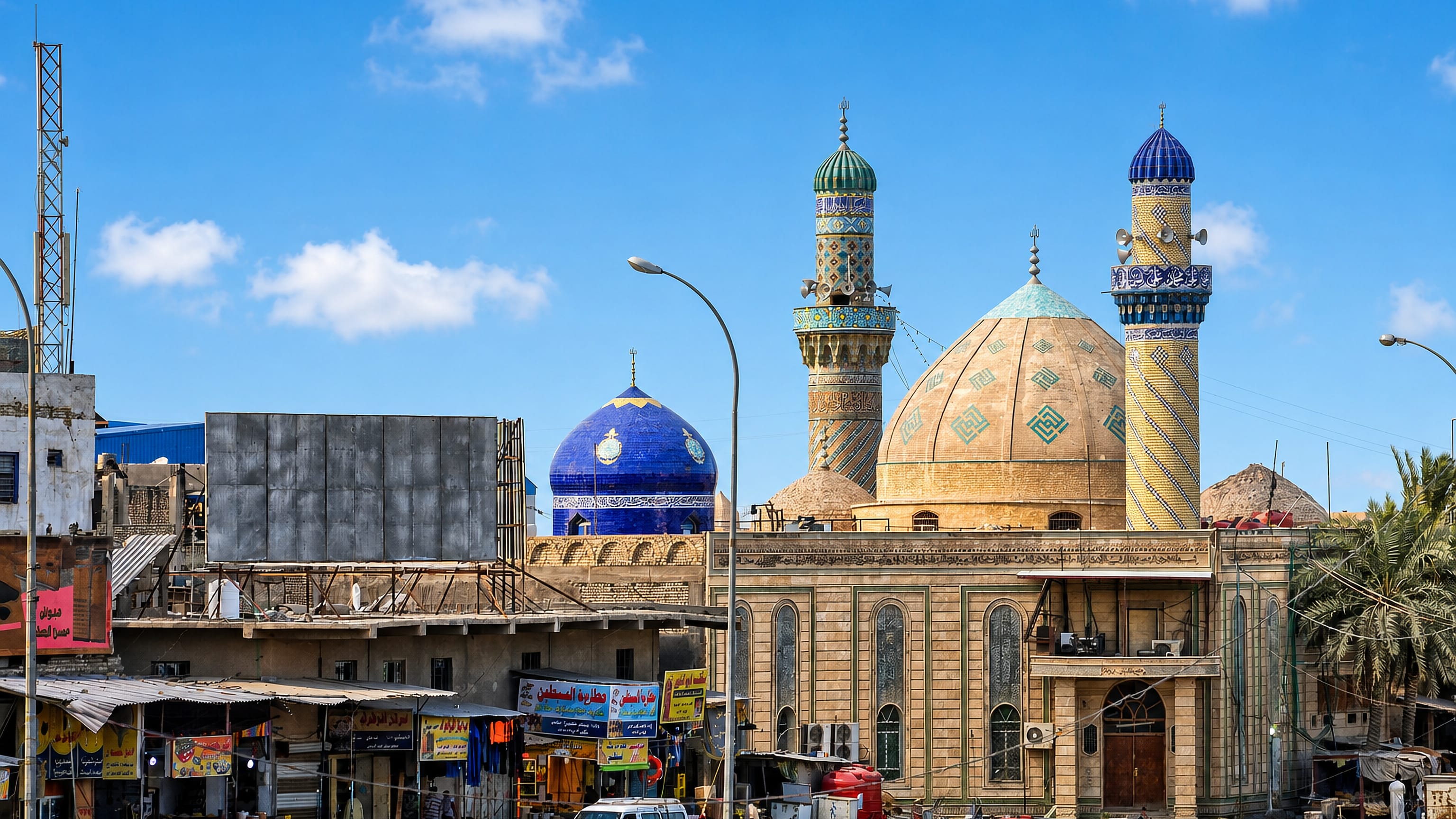
Iraq · Basra Governorate
Where to Stay in Basrah, Basra Governorate
Warm water slides past the quays of Basrah, a port city on the Shatt al-Arab in southern Iraq, known for its date gardens and the Basrah Museum.
Hotel links are affiliate links: booking through them may earn us a commission, at no extra cost to you. It never affects how places are ranked. How this works


Where to stay in Basrah
One neighbourhood here has its own guide — here's what it is best for.
 BasrahIraq
Al Hārithah
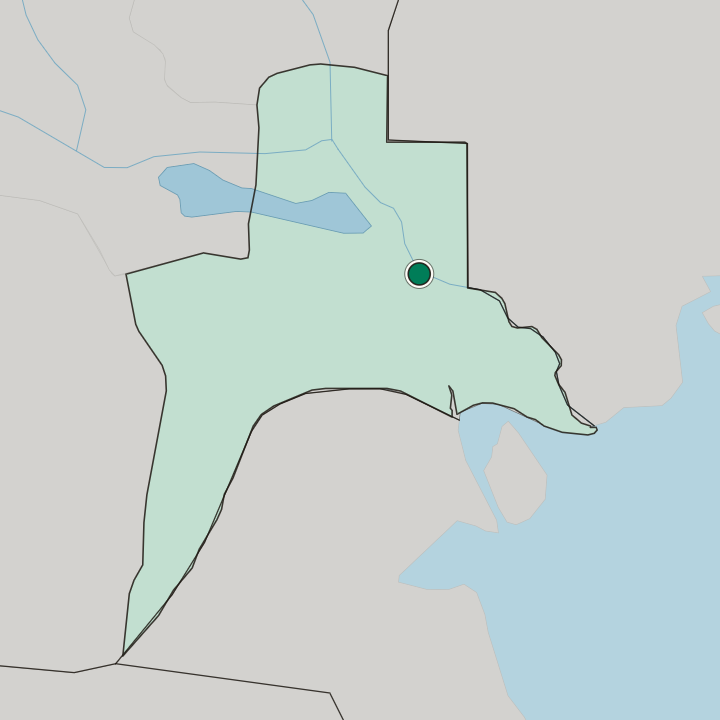
Al Hārithah sits on the east bank of the Euphrates in the north-eastern part of Basrah Governorate, on the road linking Basra with Baghdad.Al Hārithah →Hotel links are affiliate links: booking through them may earn us a commission, at no extra cost to you. It never affects how places are ranked. How this works
Things to do in Basrah
Ranked by global recognition; descriptions from Wikidata (CC0).
Museums & Galleries
1- Basrah Museum
Churches & Religious Sites
3- كنيسة مريم العذراء الكلدانية
- St Thomas Chaldean Church (Basra)
- Basrah Adventist church
Stadiums & Sports
1- Basra Sports City
worth knowingacross 3 categories in Basrah
About Basrah
What is Basrah known for?
Basrah is Iraq's principal port, set where the Shatt al-Arab carries the joined Tigris and Euphrates down toward the Persian Gulf. It is the third largest city in the country, behind Baghdad and Mosul. Trade defines it.
The waterway lined the city with date palms and merchant wharves, and the Basrah Museum now keeps the antiquities of the surrounding Basra Governorate under one roof.
What are the main landmarks in Basrah?
Basrah gathers its landmarks between the river and the sports quarter. The Basrah Museum, housed in a former palace by the Shatt al-Arab, anchors the city's public collections and gives the port a proper home for the antiquities of the wider region. Three churches mark its Christian minority: the St Thomas Chaldean Church, the Chaldean Church of the Virgin Mary, and the Basrah Adventist church.
On the outskirts, the wide bowl of Basra Sports City rises from open ground, a stadium complex raised to hold the crowds that fill it on match days. Sacred and sporting both.
What is the history of Basrah?
Basrah was founded in 638, laid out as a garrison town in the early years of the Muslim expansion. Its position on the Shatt al-Arab, close to where the river reaches the Persian Gulf, turned the settlement into a trading and administrative hub for southern Iraq. Ships carried dates, textiles, and goods from farther east up the waterway to the interior.
The city grew wealthy on that traffic. Over the centuries it became a centre of Arabic learning and letters, its scholars shaping grammar and theology that spread far beyond the Basra Governorate. War and shifting river channels tested it repeatedly.
The founding year of 638 still fixes Basrah among the oldest of the region's Islamic-era cities, and the Basrah Museum now holds the material record of that long span, from the earliest garrison to the merchant port that succeeded it.
Where is Basrah?
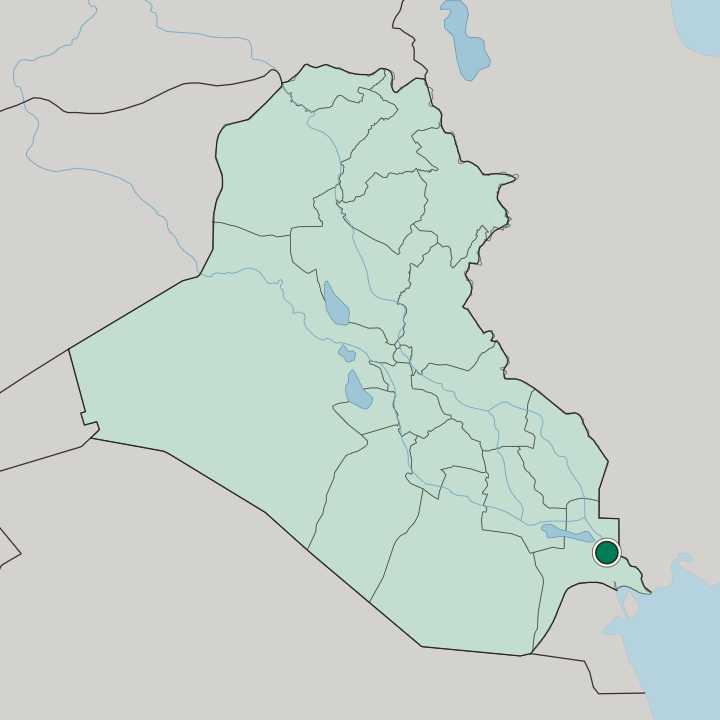
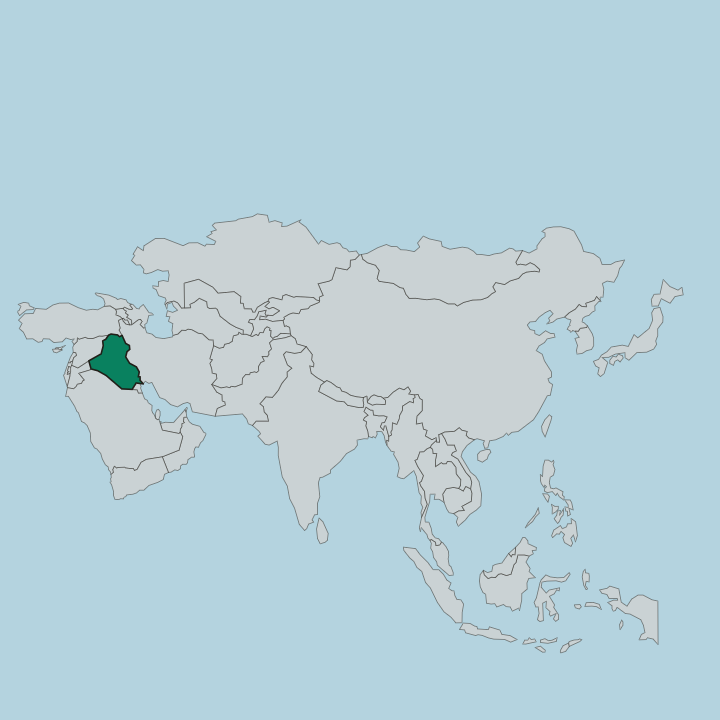
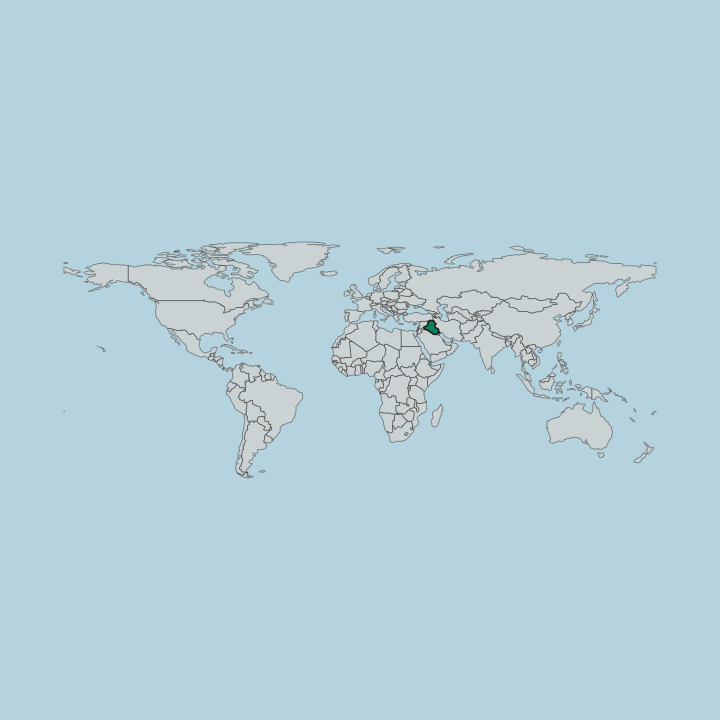
Basrah lies in southern Iraq, on the banks of the Shatt al-Arab, the tidal waterway formed where the Tigris and Euphrates meet before draining into the Persian Gulf. The city sits on flat, low alluvial ground near the Iran-Iraq border. Kuwait lies to the south.
Date-palm groves and marshy channels lace the surrounding Basra Governorate, and the river's reach keeps Basrah tied to the sea despite standing inland from the open gulf.
What is the climate of Basrah?
Basrah has a hot desert climate, among the most extreme in Iraq. Summers are long and searingly hot, with the heat regularly among the highest anywhere in the country. Basrah's cold season is short and gentle.
Humidity rises off the Shatt al-Arab and the nearby Persian Gulf, thickening the summer air along the river, while rain falls only sparingly across the flat land of the Basra Governorate.
How do you get to Basrah?
Basrah opens southern Iraq to the sea. Reached by air, road, and water, the city sits at the end of the country's main routes south. An international airport links it to Baghdad and to destinations abroad, while roads run north toward Baghdad and south toward the Kuwait border.
The Shatt al-Arab still carries river and sea traffic to the port. Rail ties the city to the wider Basra Governorate.
Good for
More cities in Basra Governorate
Updated September 2026