Iraq · Baghdad Governorate
Where to Stay in Baghdad, Baghdad Governorate
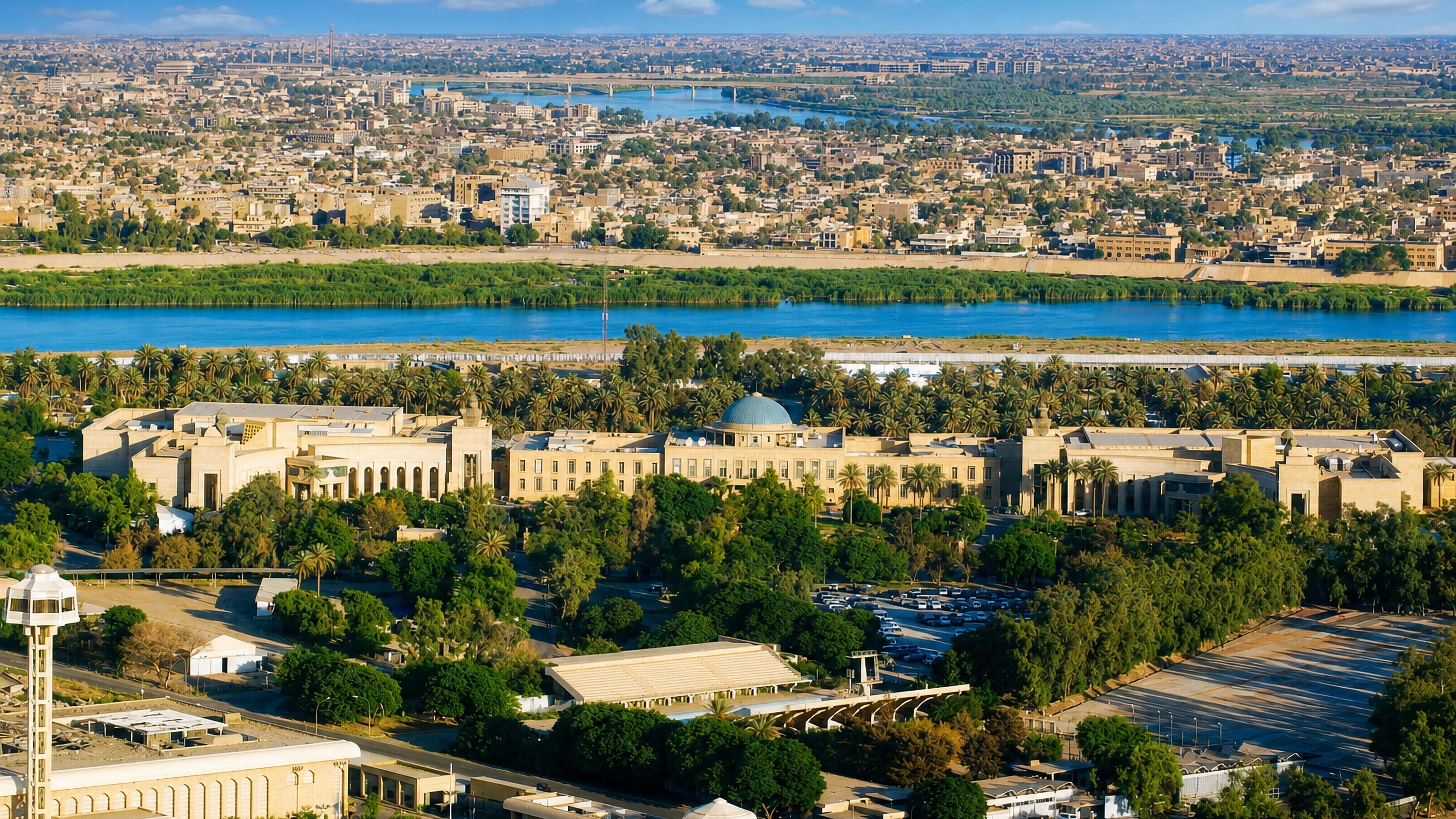
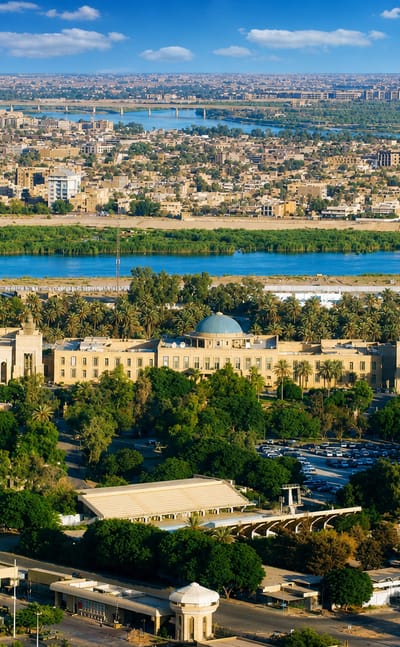
The Tigris runs through the heart of Baghdad, the capital and largest city of Iraq, known for the Abbasid heritage of its Islamic Golden Age.
Hotel links are affiliate links: booking through them may earn us a commission, at no extra cost to you. It never affects how places are ranked. How this works


Where to stay in Baghdad
The right area depends on your trip — here's what each neighbourhood is best for.
 BaghdadIraq
Yarmouk
Yarmouk is a western residential district of Baghdad, Iraq, marked by the Baghdad Tower.Yarmouk →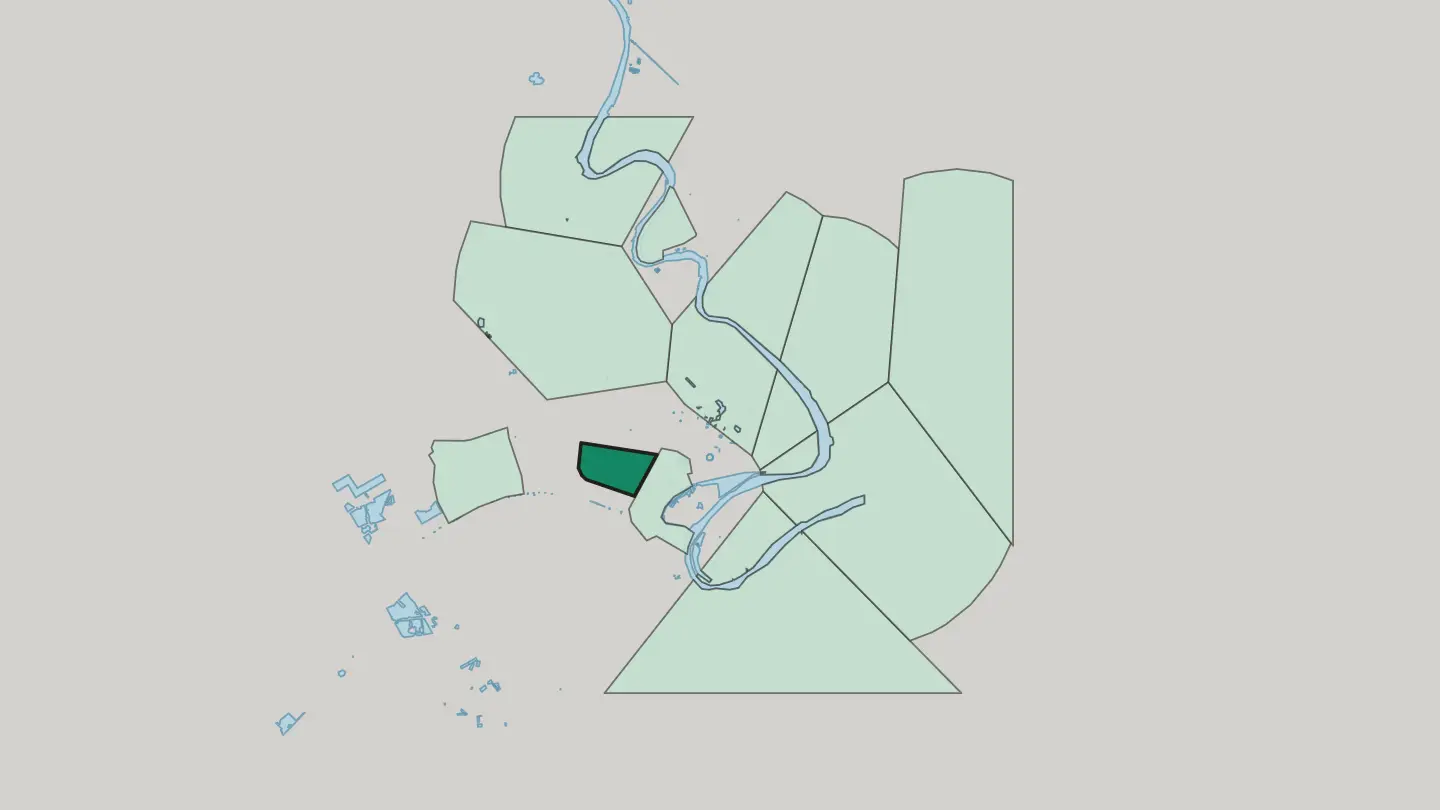 BaghdadIraq
Al-Qadisiyah
Al-Qadisiyah is a neighbourhood of Baghdad, Iraq, marked by the slender Baghdad Tower on its skyline.Al-Qadisiyah →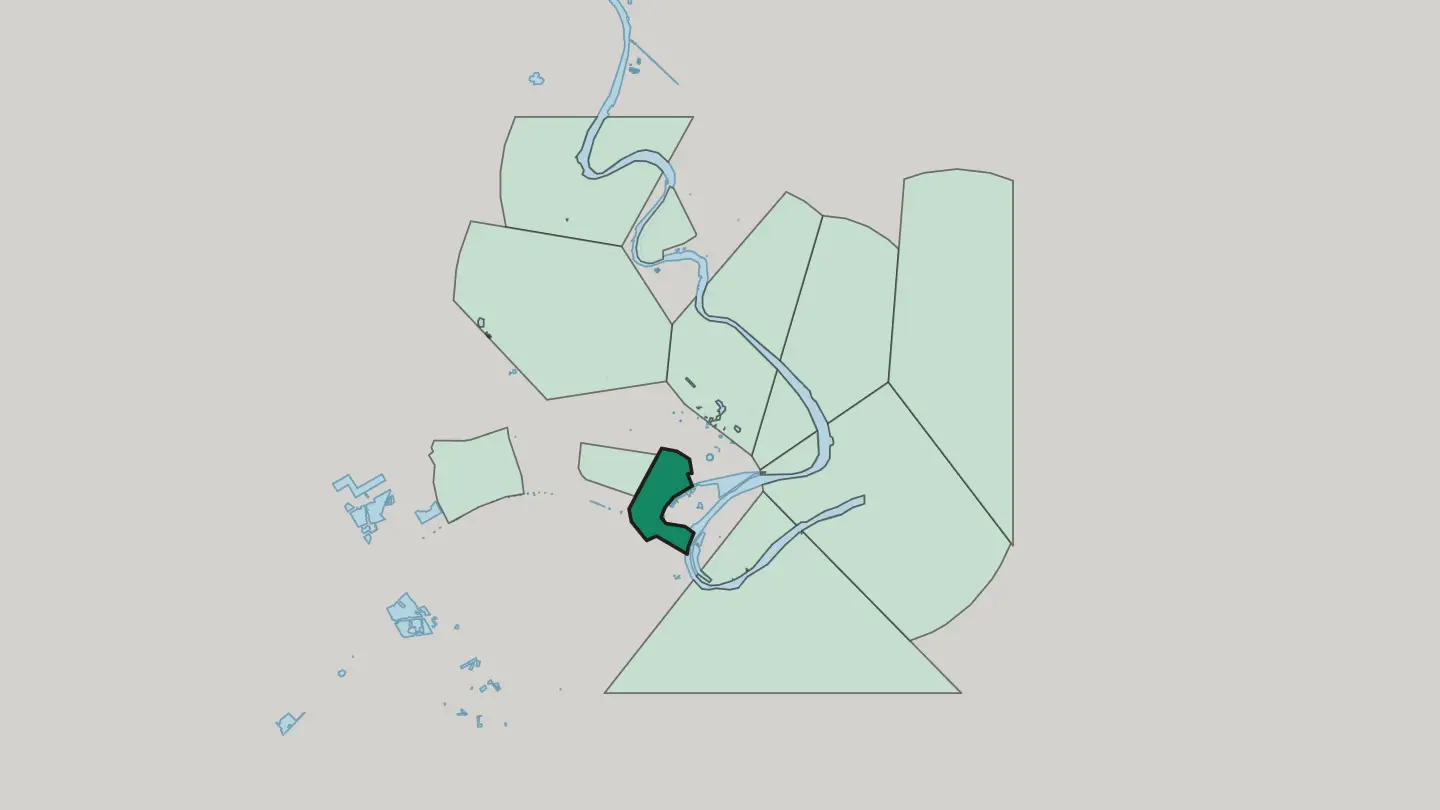
 BaghdadIraq
Mutanabbi Street
Mutanabbi Street is Baghdad's book market, a car-free lane off Rashid Street named for the poet al-Mutanabbi.Mutanabbi Street →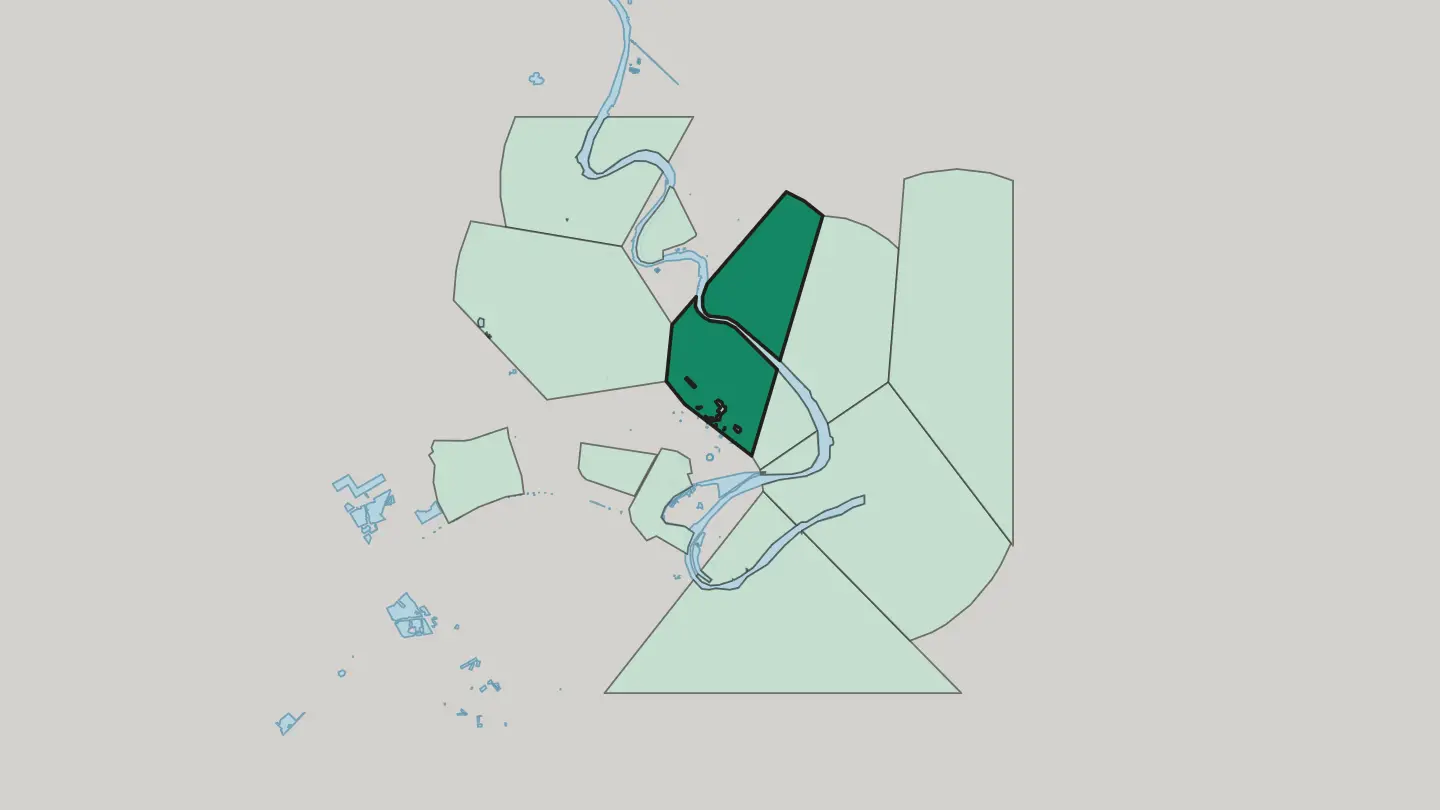 BaghdadIraq
Round city of Baghdad
The Round City of Baghdad is the original core of Baghdad, laid out for the Abbasid court by Caliph al-Mansur.Round city of Baghdad →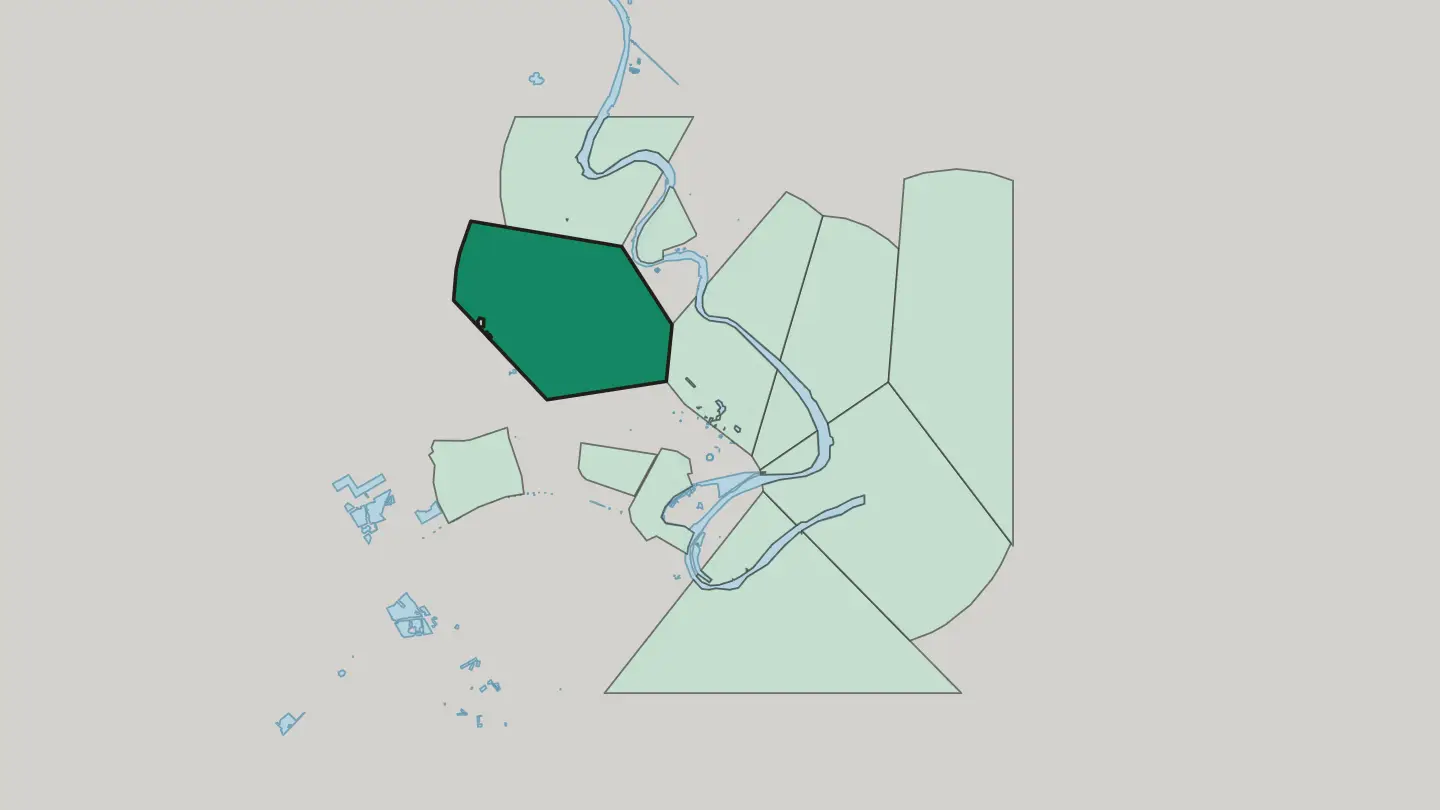 BaghdadIraq
Al-Rusafa
Al-Rusafa is the east-bank half of Baghdad, home to the National Museum of Iraq and the Freedom Monument.Al-Rusafa →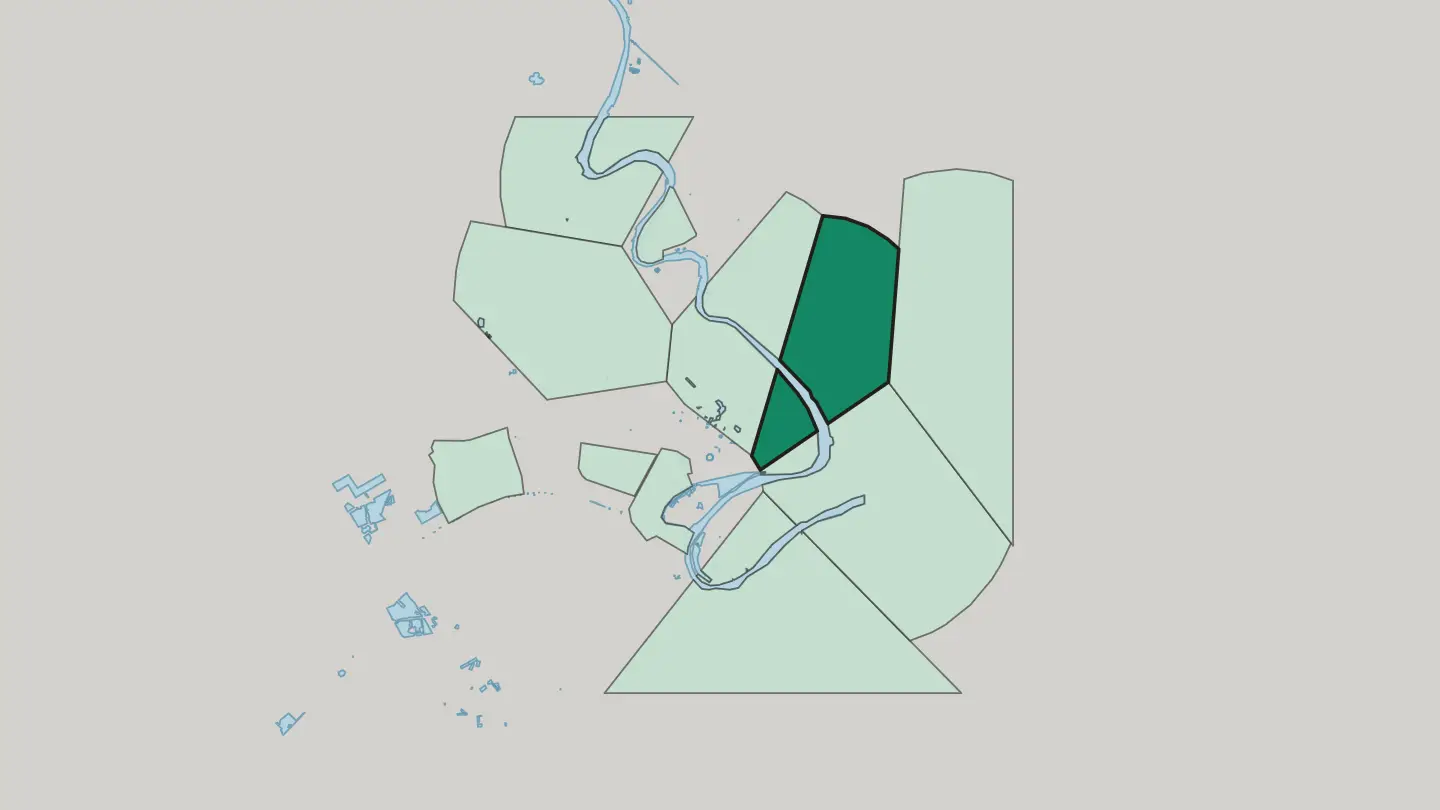 BaghdadIraq
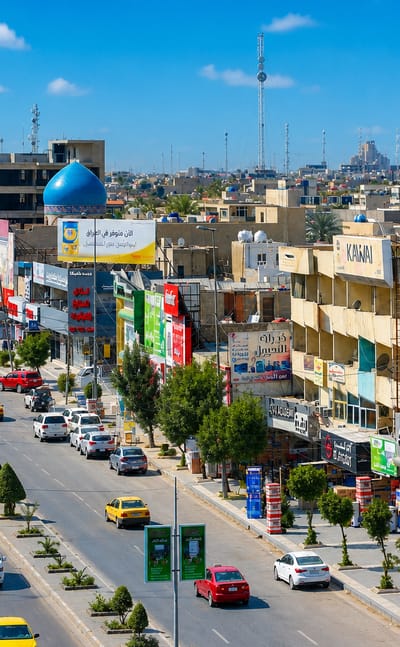
Adhamiyah
Adhamiyah is an old district on the east bank of the Tigris in northern Baghdad, gathered around the tomb of its namesake, Imam Abu Hanifa.Adhamiyah →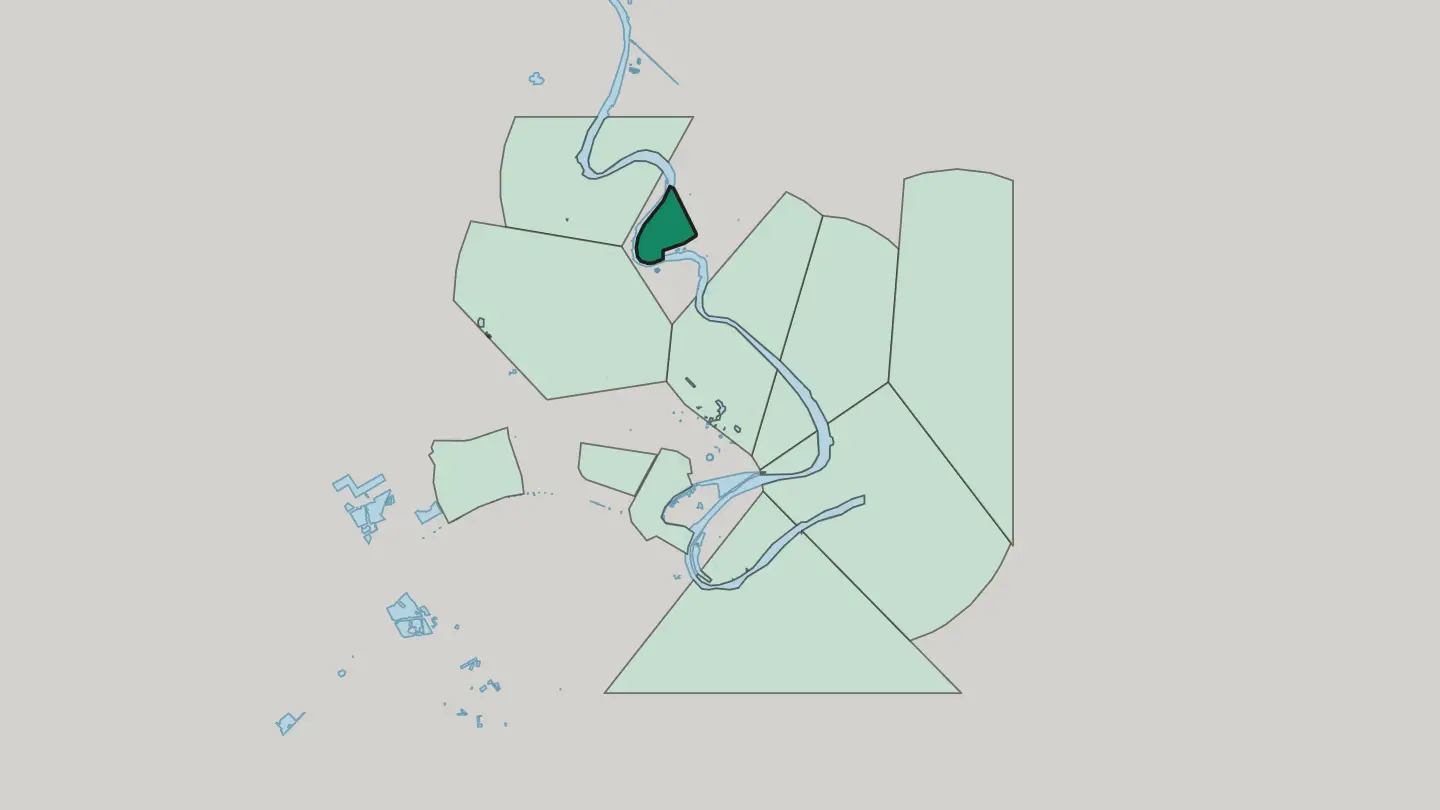
 BaghdadIraq
Karrada
Karrada is a riverside commercial district of Baghdad, known for the Kahramana fountain and Sayidat al-Nejat Cathedral.Karrada →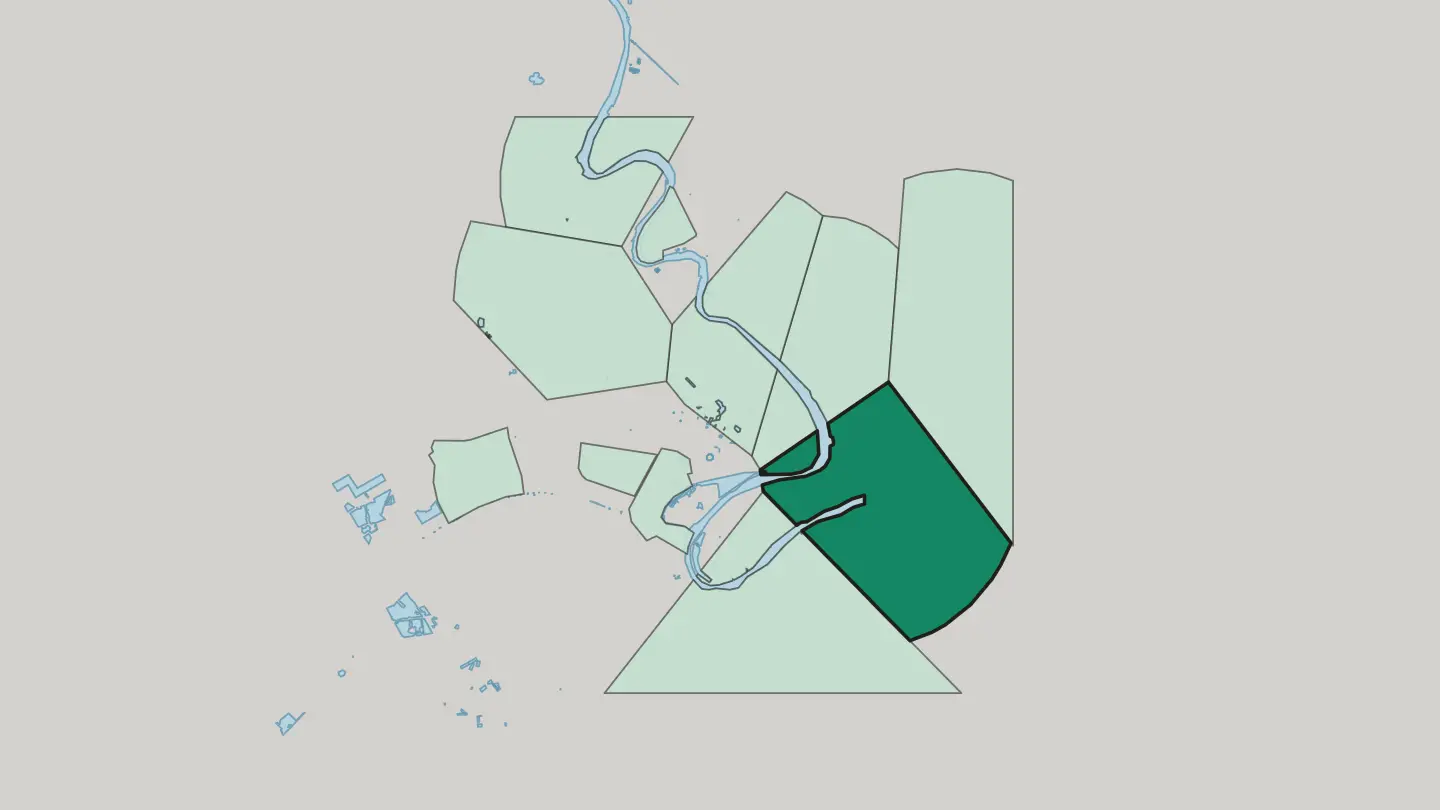 BaghdadIraq
Al-A'amiriya
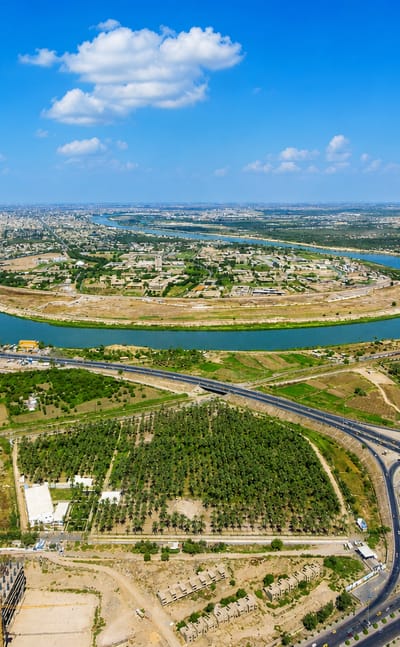
Al-A'amiriya is a residential quarter of western Baghdad, set between the Airport Road and Abu Ghraib Road in the Karkh half of the city.Al-A'amiriya →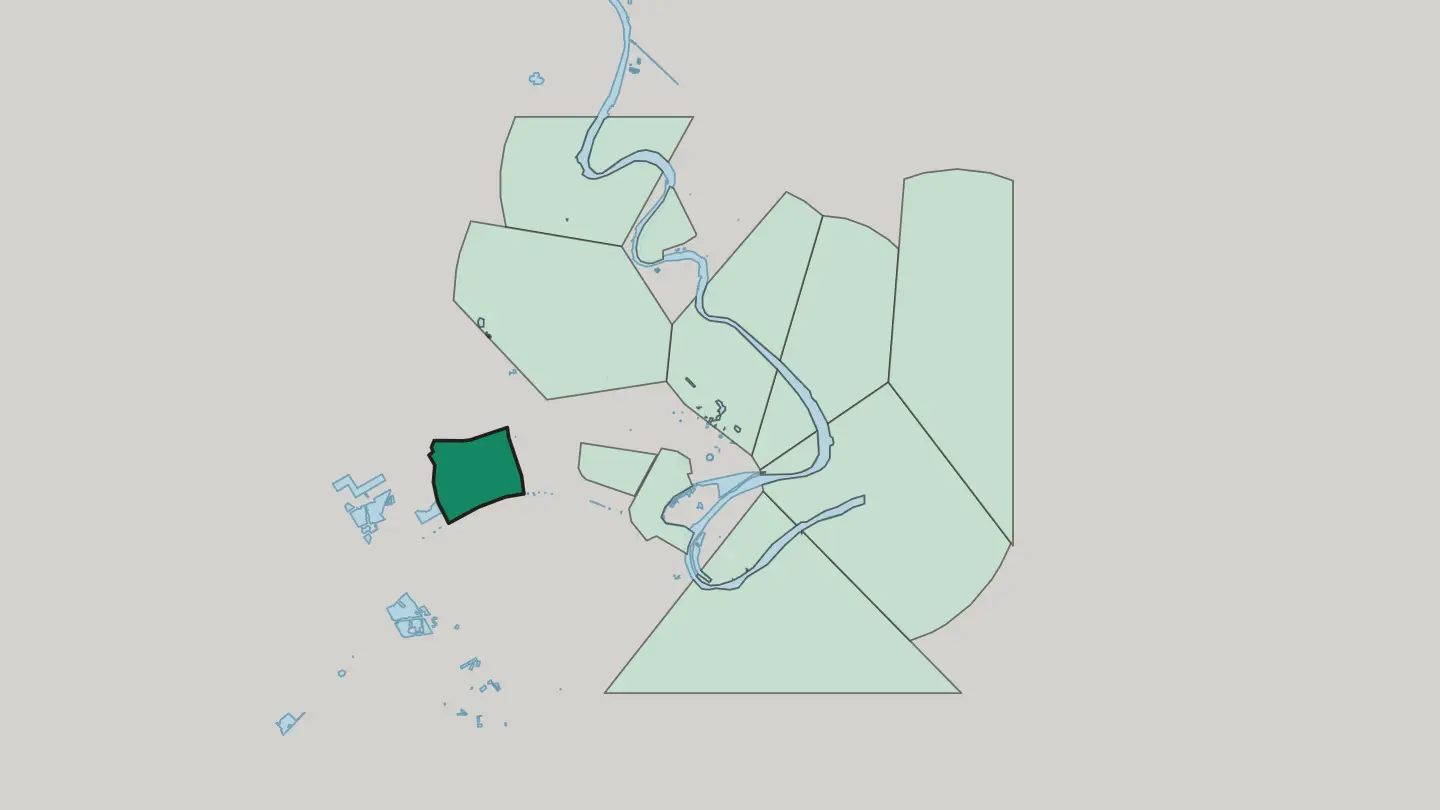
 BaghdadIraq
Dora
Dora is one of Baghdad's largest neighbourhoods, an Iraqi district known for the Mar Gorgis Church.Dora →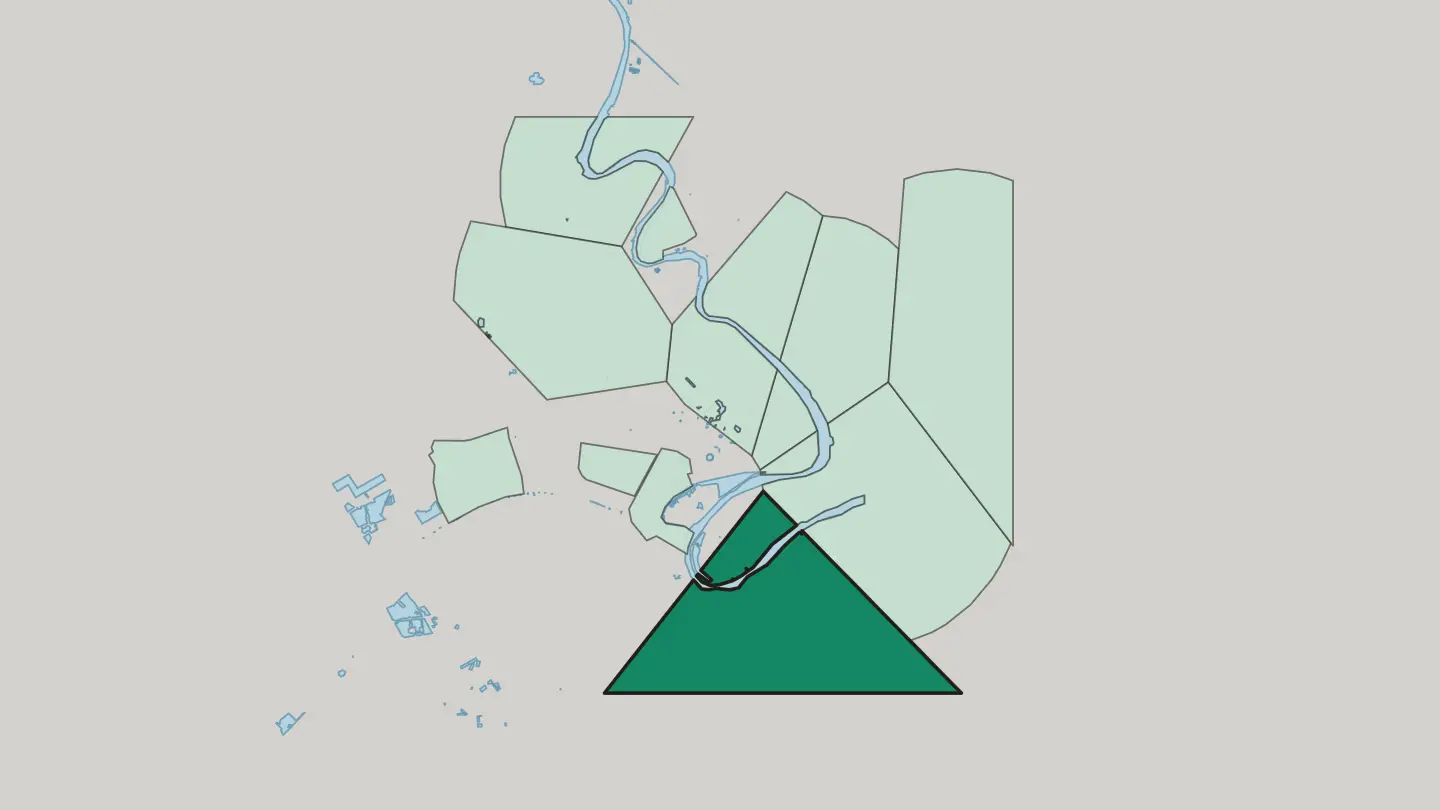
 BaghdadIraq
Kadhimiya
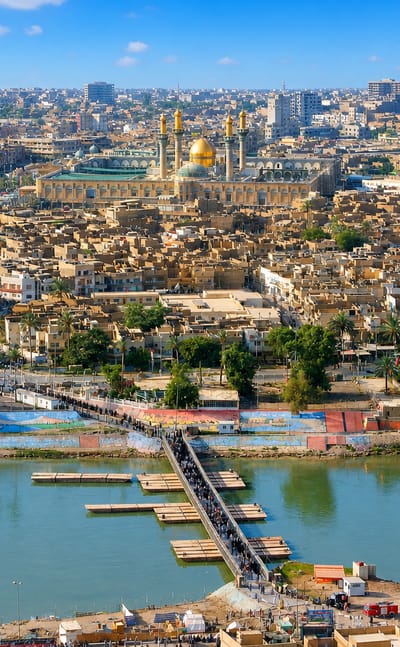
Kadhimiya is a Shia holy quarter of Baghdad on the Tigris, built around the Al-Kadhimiya Mosque and its shrine.Kadhimiya →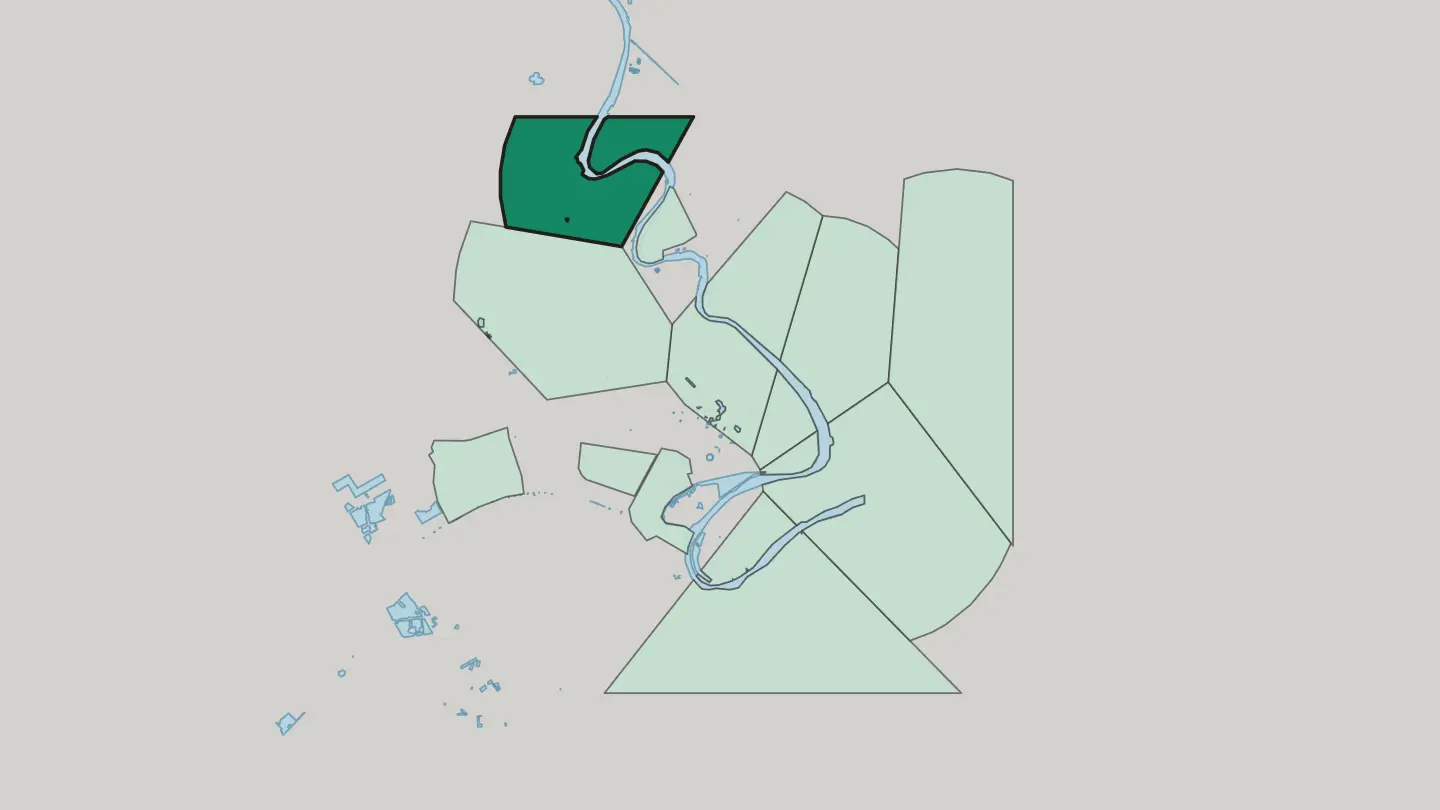 BaghdadIraq
Zayouna
Zayouna is a residential neighbourhood in eastern Baghdad, set beside Karrada in the New Baghdad district.Zayouna →BaghdadIraqAl Baladiyat
Al Baladiyat is a residential neighbourhood of eastern Baghdad, on the Rusafa side of the Tigris.Al Baladiyat →BaghdadIraqSadr City
A grid of numbered sectors covers Sadr City, a planned district of north-eastern Baghdad laid out in 1959 as Al-Rafidain District.Sadr City →Hotel links are affiliate links: booking through them may earn us a commission, at no extra cost to you. It never affects how places are ranked. How this works
Things to do in Baghdad
Ranked by global recognition; descriptions from Wikidata (CC0).
Museums & Galleries
2- National Museum of Iraq
- Abd Al-Karim Qasim Museum
Churches & Religious Sites
4- St. Gregory the Great Armenian Church Heritage
- Church of the Virgin Mary Heritage
- Our Lady of the Rosary church Heritage
- the Sacred Heart of Jesus church Heritage
Castles & Historic Sites
3- Al-Shaheed Monument
- Freedom Monument
- Save Iraqi culture monument
Stadiums & Sports
1- Baghdad Gymnasium
Parks & Gardens
1- Sindbad Land
Landmarks & Notable Places
2- Baghdad Tower
- برج الزوراء
worth knowingacross 6 categories in Baghdad
About Baghdad
What is Baghdad known for?
Baghdad is known as the capital and largest city of Iraq, and once the seat of the Abbasid Caliphate at the height of the Islamic Golden Age. Learning drew the world here. The National Museum of Iraq and the Baghdad Tower stand among its landmarks, in a city long counted a financial and commercial centre of the Middle East and the Arab world.
What are the main landmarks in Baghdad?
Baghdad keeps its landmarks along the Tigris and through the old central quarters. Two museums head that list. The National Museum of Iraq and the Abd Al-Karim Qasim Museum hold the city's collections, while the Baghdad Tower rises over the skyline.
Churches mark the streets too, among them the Latin Saint Joseph Cathedral Baghdad, the Cathedral of Mary Mother of Sorrows, and the Church of the Virgin Mary, set near public works like the Save Iraqi culture monument and the Al-Jawahiri House.
What is the history of Baghdad?
Baghdad was founded in 762 on the banks of the Tigris and rose quickly into one of the great cities of the medieval world. Its rise was extraordinary. As the capital of the Abbasid Caliphate, it became a centre of learning and culture through the years of the Islamic Golden Age, drawing scholars, translators, and traders from across the known world to the river's edge.
The city gathered knowledge. That inheritance still shapes how the city is read. Baghdad carries its past as the seat of the Abbasid Caliphate and a capital of the wider Arab world, a role written into its long standing on the Tigris.
Centuries have passed since. Yet the memory of the Islamic Golden Age endures in the identity of the capital of Iraq, a city whose founding in 762 set it among the oldest of the great centres of the Middle East.
Where is Baghdad?
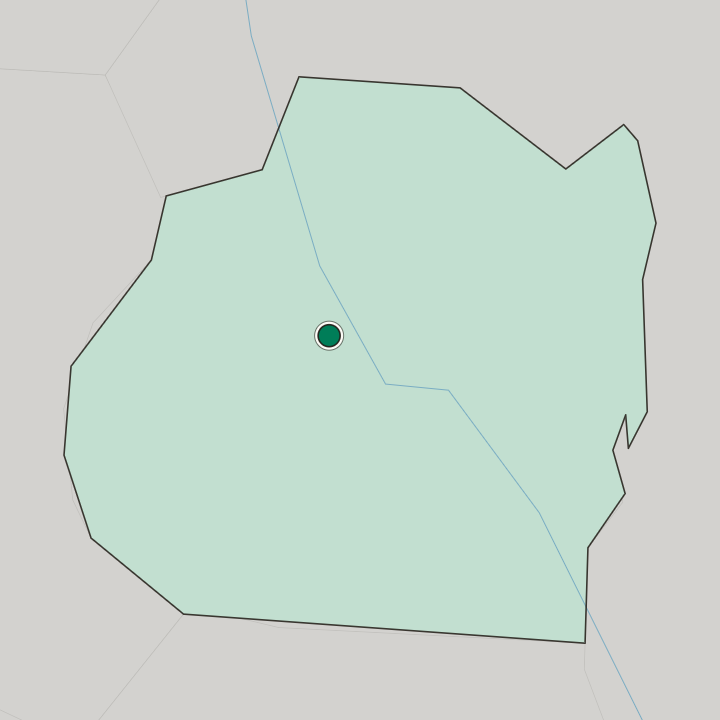
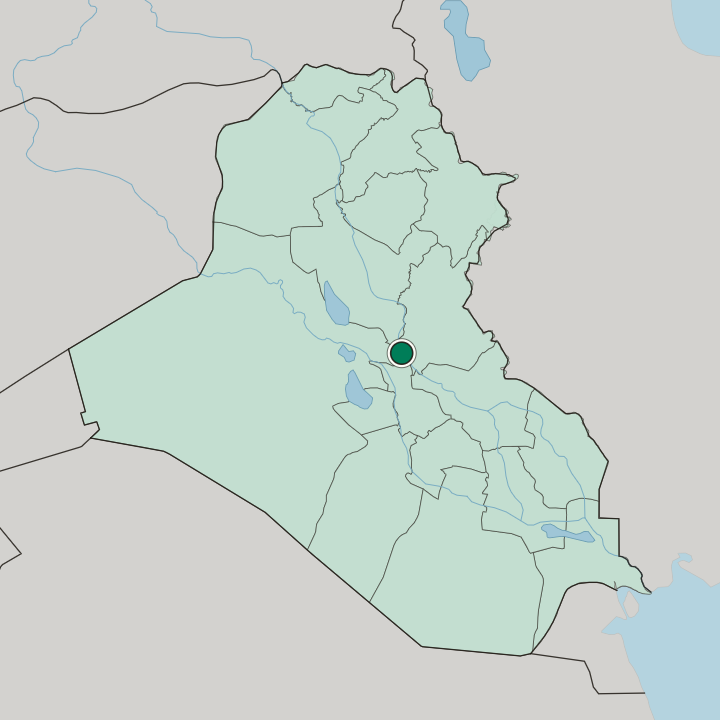
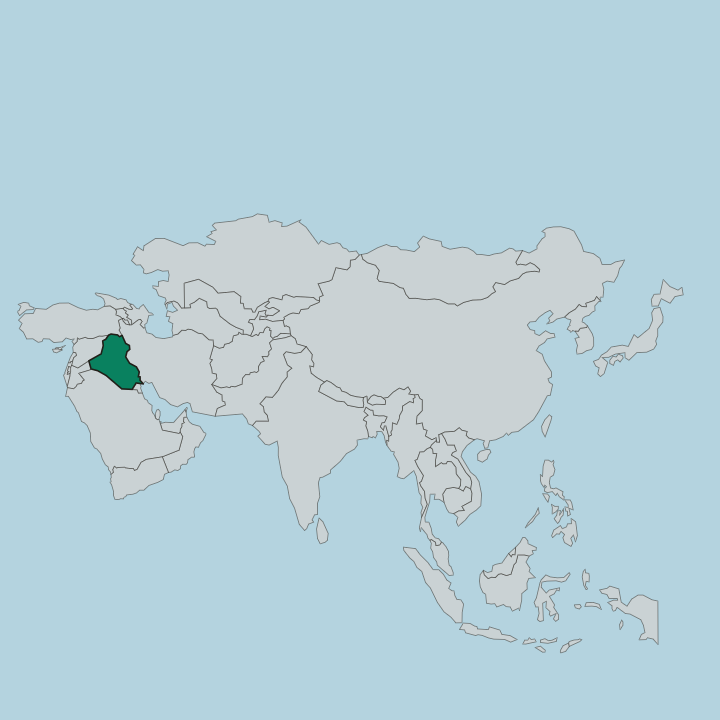
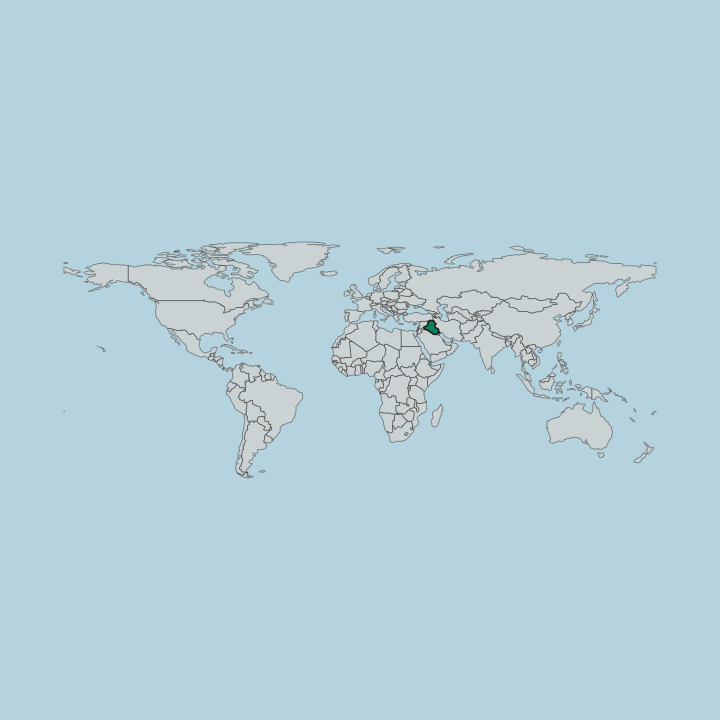
Baghdad lies on the banks of the Tigris in central Iraq, the river splitting the city as it runs through. Water defines the plan. The capital sits astride the Tigris in central Iraq, the river ordering its shape from the founding onward, its two banks carrying the halves of the capital of Iraq.
What is the climate of Baghdad?
Baghdad sits in a subtropical band north of the equator, and its summers are long, hot, and dry along the Tigris. The heat is severe. Rain keeps mostly to the cooler months, so the year in the capital of Iraq swings between a fierce, dry summer and a short, mild winter rather than through four balanced seasons.
How do you get to Baghdad?
Baghdad is where most arrivals to Iraq begin, the capital drawing travellers from across the country and the wider Middle East. The city stands inland. Reaching it means flying into the capital or coming overland through Baghdad Governorate, since no sea lane touches this river city on the Tigris, from which the rest of Iraq opens outward.
Good for
Another city in Baghdad Governorate
Updated October 2026