Iraq · Nineveh Governorate
Where to Stay in Mosul, Nineveh Governorate
The Tigris divides Mosul, a major city in northern Iraq and capital of Nineveh Governorate, facing the ancient Assyrian ruins of Nineveh across the water.
Hotel links are affiliate links: booking through them may earn us a commission, at no extra cost to you. It never affects how places are ranked. How this works


Where to stay in Mosul
The practical side of choosing where to sleep.
Mosul spreads along both banks of the Tigris, and the river is the first thing that orders any stay. The old western bank holds the historic core, a dense weave of markets, old houses and churches where landmarks such as Our Lady of the Hour Church and Beit al-Tutunji stand within walking distance of one another. This side is the old city.
Its lanes gather the heritage of the settlement, the Mosul Museum among them, close to the water and to Bash Tapia Castle on the riverbank. Two Mosuls face each other across the Tigris. On the eastern bank the ground rises toward the ruins of Nineveh, the ancient Assyrian capital whose mounds sit on the edge of the modern town, and the newer districts there are more open and spread out than the tight old quarter across the Tigris.
If you want the historic churches, markets and museum at your doorstep, base yourself on the western bank in the old city; if you prefer the newer, roomier districts near the ruins of Nineveh, the eastern bank of this northern Iraq city gives you space and a shorter walk to the Assyrian mounds. Both banks look to the same river. Mosul, capital of the Nineveh Governorate, keeps its two halves bound together by the Tigris that runs between them.
Things to do in Mosul
Ranked by global recognition; descriptions from Wikidata (CC0).
Museums & Galleries
2- Mosul Museum
- بيت تراث الموصل
Churches & Religious Sites
3- Church of Saint Thomas
- Our Lady of the Hour Church
- Al-Tahera Syriac Catholic church in Mosul
Castles & Historic Sites
3- Nineveh Heritage
- Bash Tapia Castle
- Tarbisu
Landmarks & Notable Places
1- Beit al-Tutunji
worth knowingacross 4 categories in Mosul
About Mosul
What is Mosul known for?
Mosul is known for the Tigris that runs through it and for the ruins of Nineveh on its eastern edge, once the largest city in the world. The city holds one of the most religiously diverse populations in Iraq, marked by churches such as Our Lady of the Hour Church and the Church of Saint Thomas. Its heritage runs deep.
The Mosul Museum gathers finds from the region, while castles and old houses like Bash Tapia Castle and Beit al-Tutunji record the long life of a settlement on the great river.
What are the main landmarks in Mosul?
The ruins of Nineveh are the great landmark of Mosul, the mounds of the ancient Assyrian capital lying on the eastern side of the city. The mounds dominate the east. Across the Tigris the old western bank holds its churches, among them Our Lady of the Hour Church, the Church of Saint Thomas, the Church of Mārt Meskinta and the Al-Tahera Syriac Catholic church.
The Mosul Museum keeps the region's finds, while Bash Tapia Castle and old merchant houses such as Beit al-Tutunji and Beit Tourath al-Mosul stand along the historic streets. The nearby site of Tarbisu adds another ancient layer.
What is the history of Mosul?
Mosul's history reaches back to Nineveh, the ancient Assyrian city whose ruins lie on the eastern bank of the Tigris and which was once the largest city in the world. The mounds are older than the town. On the plain around them stood other Assyrian settlements, among them Tarbisu to the north, so that the whole area carried a dense record of the empire long before the city that now bears the name Mosul took shape on the western bank of the river.
Nineveh set the stage. Across the Tigris the medieval city grew as a river crossing and a centre of trade, its old quarter filling with markets, mosques and the churches of a mixed population that made it one of the most religiously varied places in Iraq. Old houses such as Beit al-Tutunji and Beit Tourath al-Mosul survive from that mercantile past, and churches like the Church of Saint Thomas and Our Lady of the Hour Church mark the long Christian presence in the city.
Bash Tapia Castle once guarded the riverbank. Through every age the two banks looked at each other across the Tigris, the ancient Assyrian mounds of Nineveh on one side and the old city of Mosul, capital of the Nineveh Governorate, on the other.
Where is Mosul?
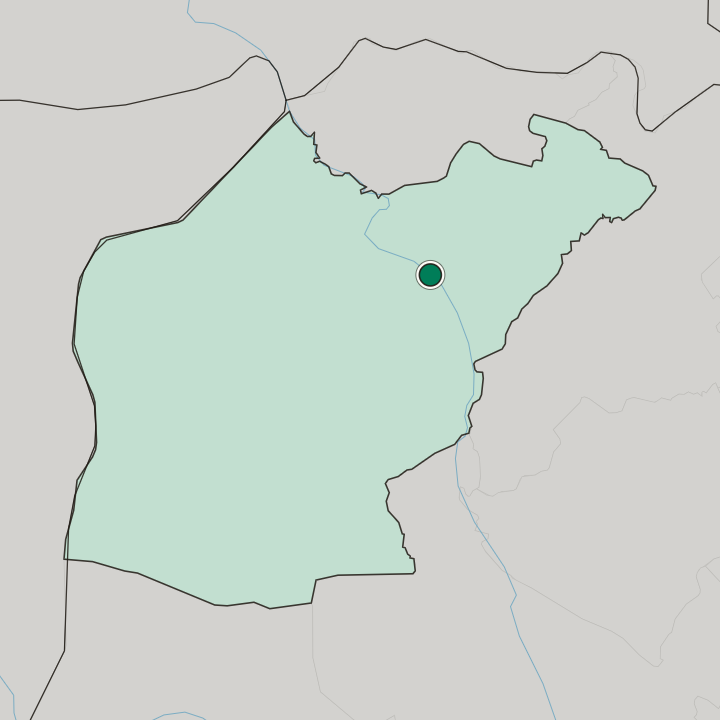
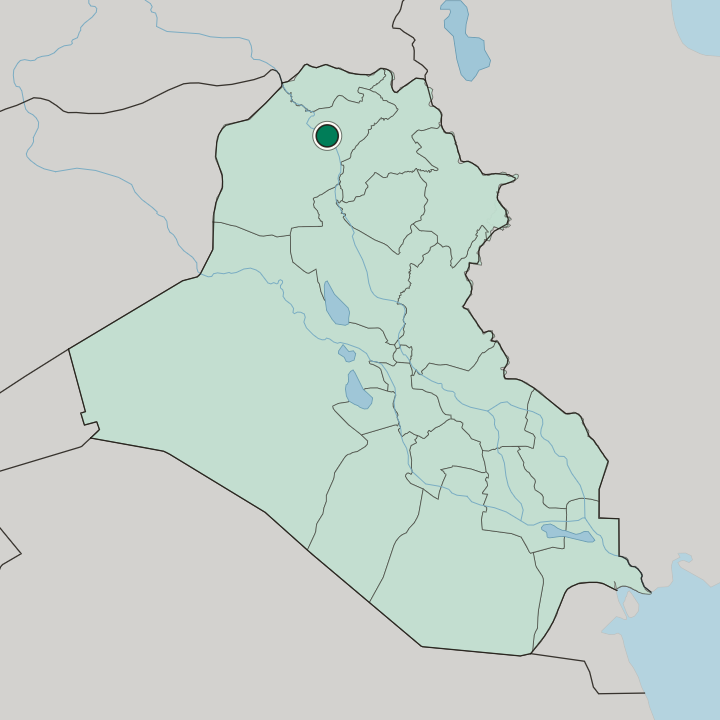
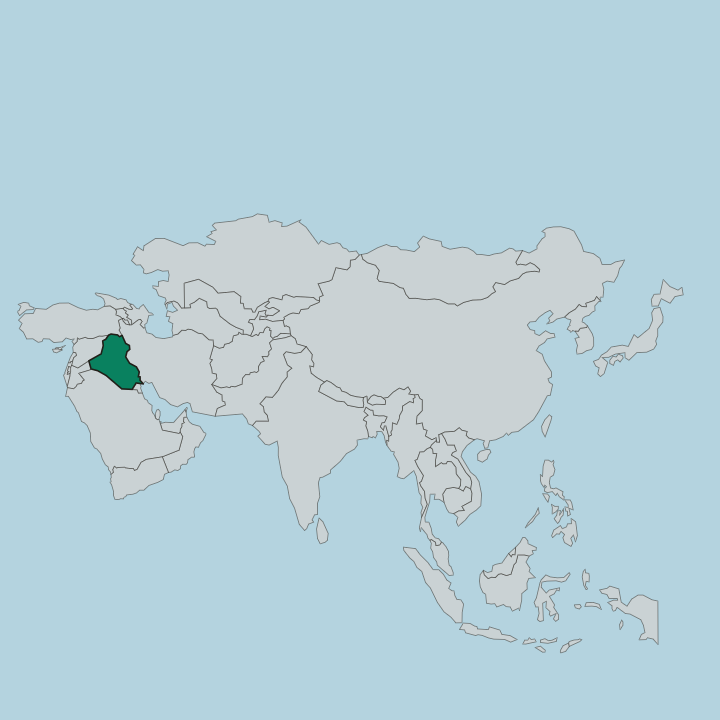
Mosul is a major city in northern Iraq, the capital of Nineveh Governorate, set on the banks of the Tigris. Water cuts the place down the middle. On the eastern side rise the ruins of Nineveh, the ancient Assyrian city, while the historic core spreads across the western bank of the Tigris. Baghdad lies far to its south.
What is the climate of Mosul?
Mosul has a hot, dry climate on the plains of northern Iraq. Summers are long and scorching. The heat lies heavy over the Tigris and the ruins of Nineveh through the summer, while winters are cooler and wetter, bringing most of the year's rain to the plain.
Spring turns the surrounding fields briefly green before the dry heat returns.
How do you get to Mosul?
Mosul is reached mainly by road across the plains of northern Iraq. Highways link it south to Baghdad and out across the Nineveh Governorate. From the approaches the city opens onto the Tigris, with the ruins of Nineveh on the eastern bank and the old quarter on the west.
Roads cross the river to bind the two halves.
Another city in Nineveh Governorate
Updated October 2026