Iraq · Karbala Governorate
Where to Stay in Karbala, Karbala Governorate
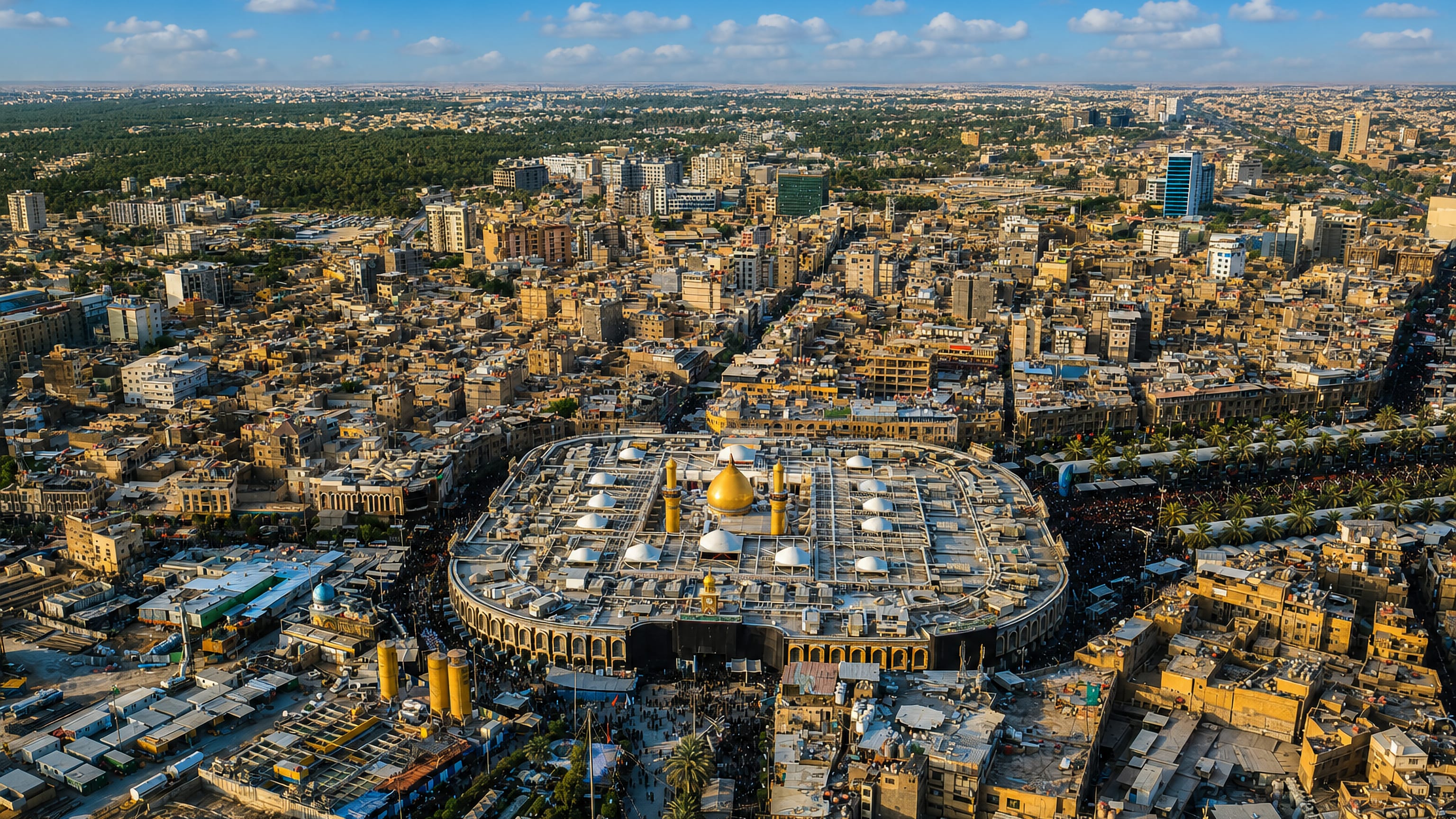
The golden dome of the Imam Husayn Mausoleum crowns Karbala, a holy city in central Iraq and one of the principal spiritual centres of Shia Islam.
Hotel links are affiliate links: booking through them may earn us a commission, at no extra cost to you. It never affects how places are ranked. How this works


Where to stay in Karbala
The practical side of choosing where to sleep.
Karbala organises its lodging around the twin shrines at the city's heart, the Imam Husayn Mausoleum and the Al Abbas Mosque. The old town between the two shrines, and the esplanade that joins them, forms the busiest and most sought base, where accommodation caters to the pilgrims who fill the city through its seasons. The shrines are the whole point.
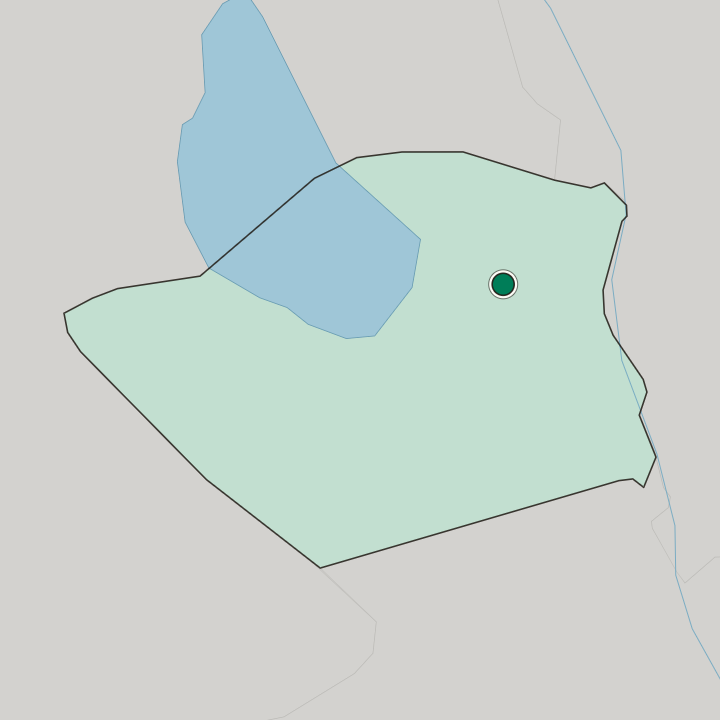
Rooms nearest the golden domes are valued most, and the streets around the esplanade stay busy well into the night with visitors moving between the two sanctuaries. Distance from the shrines shapes the choice. Beyond the sacred core, the wider city of the Karbala Governorate spreads outward toward the plain and, further west, toward Lake Milh, the broad lake also called Razzaza Lake.
If you have come to visit the shrines, stay as near the esplanade as you can, since the days revolve around the Imam Husayn Mausoleum and the Al Abbas Mosque; if you prefer quieter surroundings, the outer districts of central Iraq's holy city offer calmer streets a short ride from the centre. The old town keeps its focus on faith. Karbala, capital of its governorate, arranges everything around the pilgrimage that brings people to it.
About Karbala
What is Karbala known for?
Karbala is known first as a holy city, drawing pilgrims to the shrines at its heart. The Imam Husayn Mausoleum and, close beside it, the Al Abbas Mosque make the city one of the main spiritual and cultural centres of Shia Islam. Pilgrims come from far.
As the capital of the Karbala Governorate, the city stands among the leading religious hubs of central Iraq, its old core built around the two great shrines that face each other across an open esplanade.
What are the main landmarks in Karbala?
The Imam Husayn Mausoleum is the foremost landmark of Karbala, its golden dome and minarets rising over the old town. Facing it across an open esplanade stands the Al Abbas Mosque, the second of the two great shrines. Together they define the sacred centre of the city.
Around them the old town of central Iraq's holy city gathers markets and courtyards, while the wider Karbala Governorate reaches west toward Lake Milh, the lake also known as Razzaza Lake.
What is the history of Karbala?
Karbala grew as a place of pilgrimage around the tomb of Imam Husayn, the shrine at the centre of the city's whole existence. The Imam Husayn Mausoleum came first, and the city rose around it. Over the centuries a town formed to serve the pilgrims who travelled to the tomb, and beside it the shrine that became the Al Abbas Mosque added a second sacred pole, so that the settlement took shape between the two domes.
Faith drew the city into being. The old core, built up around the shrines and the esplanade between them, remained the heart of Karbala as the town spread outward across the plain of central Iraq. The city became the capital of the Karbala Governorate, its identity fixed by the pilgrimage and by its standing as one of the principal spiritual centres of Shia Islam.
Generations of pilgrims deepened that role. Beyond the sacred quarter the wider governorate reaches west toward Lake Milh, the broad lake also known as Razzaza Lake, but the story of the city itself has always circled back to the two shrines. Around them the old town endured, and around them Karbala kept its place among the holy cities of Iraq.
Where is Karbala?
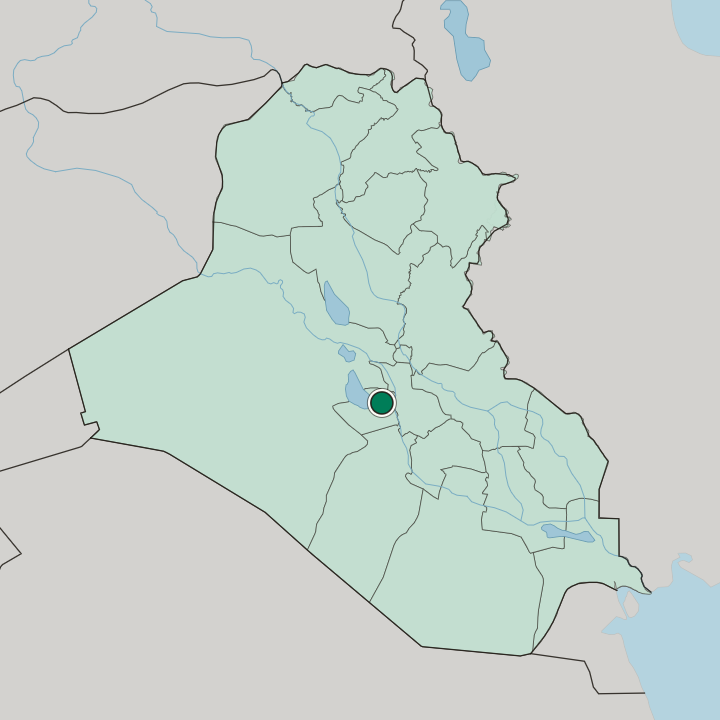
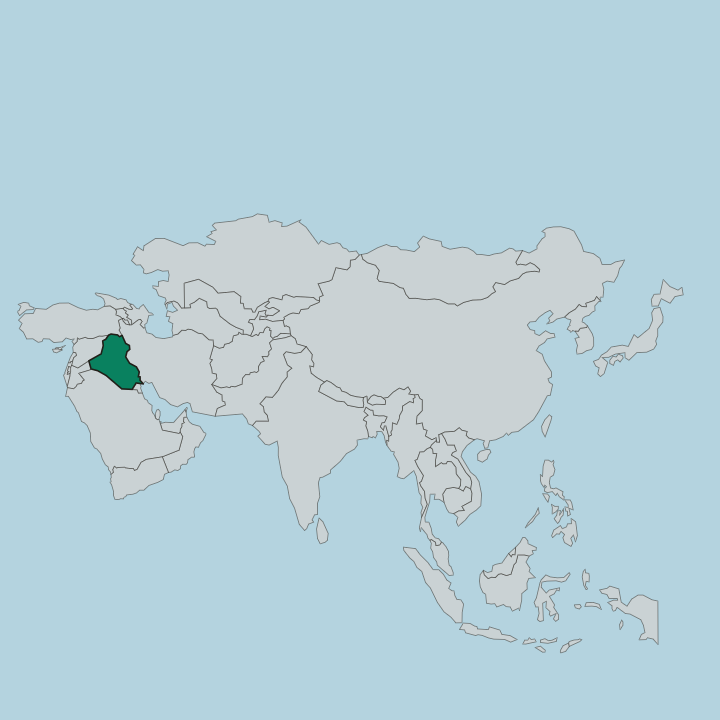
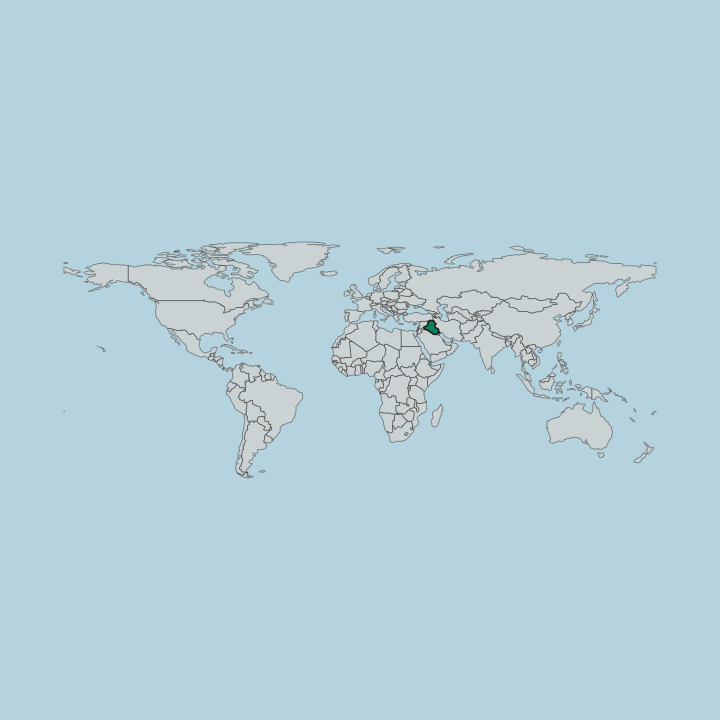
Karbala is a city in central Iraq and the capital of the Karbala Governorate. It stands on the plain. West of the old town, the land runs toward Lake Milh, the broad lake also known as Razzaza Lake, while the city itself gathers around the Imam Husayn Mausoleum and the Al Abbas Mosque at its centre. Baghdad lies to its north.
What is the climate of Karbala?
Karbala has a hot desert climate, dry through most of the year on the plain of central Iraq. Summers are long and fiercely hot. The heat presses on the esplanade between the Imam Husayn Mausoleum and the Al Abbas Mosque through the summer months, while winters are mild and bring the little rain the city sees.
Dust blows off the plain in the dry season.
How do you get to Karbala?
Karbala is reached mainly by road across the plain of central Iraq. Most pilgrims arrive from Baghdad to the north, a journey of a couple of hours by highway. Roads run west through the Karbala Governorate toward Lake Milh, while the city's own streets converge on the esplanade between the Imam Husayn Mausoleum and the Al Abbas Mosque.
The shrines mark the journey's end.
Good for
Updated October 2026