Iraq
Karbala Governorate, Iraq — Towns & Travel Guide
Karbala Governorate holds one of Shia Islam's holiest cities, on the desert edge of central Iraq west of the Euphrates.
Hotel links are affiliate links: booking through them may earn us a commission, at no extra cost to you. It never affects how places are ranked. How this works


Towns & cities in Karbala Governorate
One town here has its own guide — it links to where to stay.
 Iraq
Iraq
Karbala
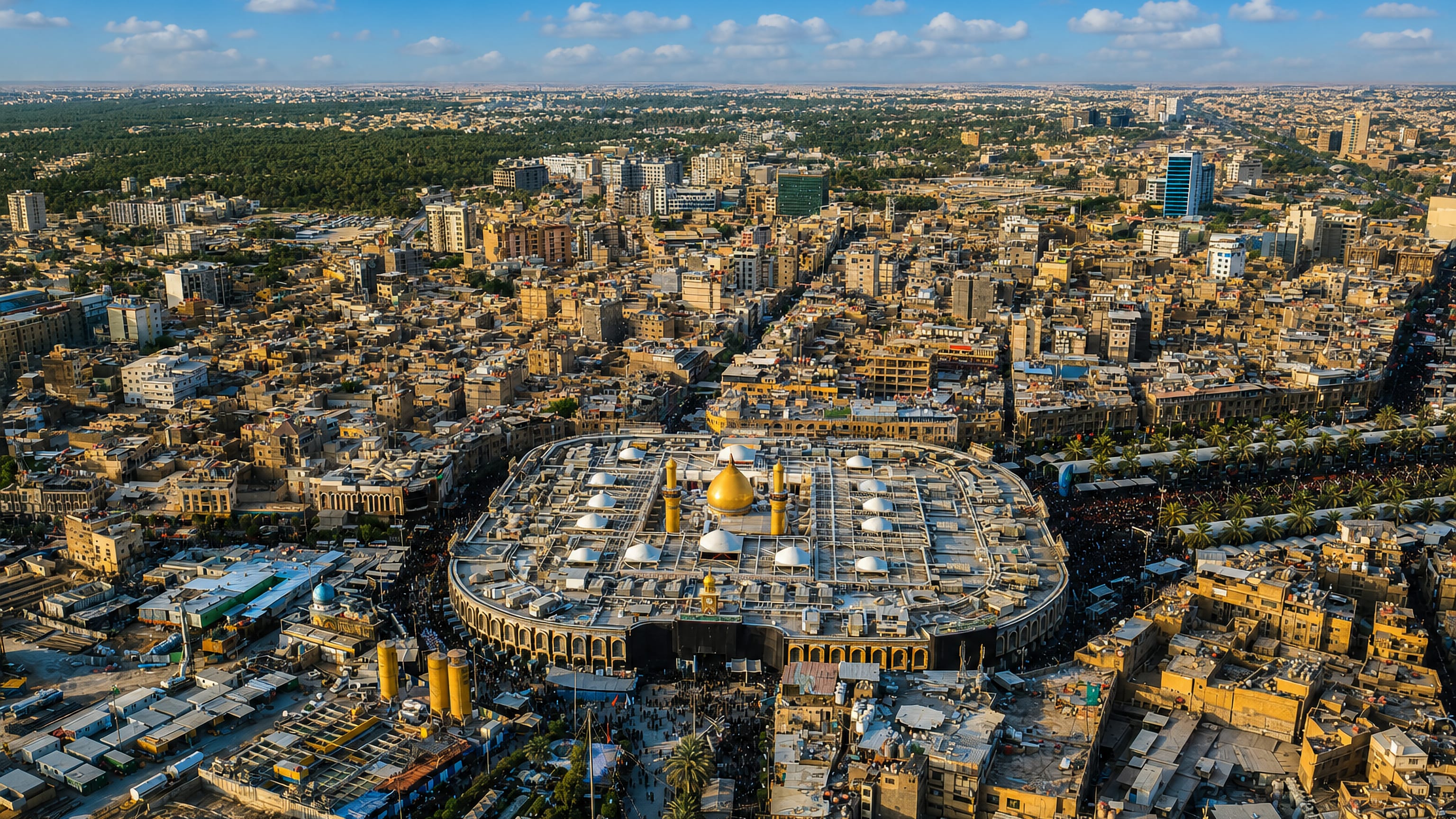
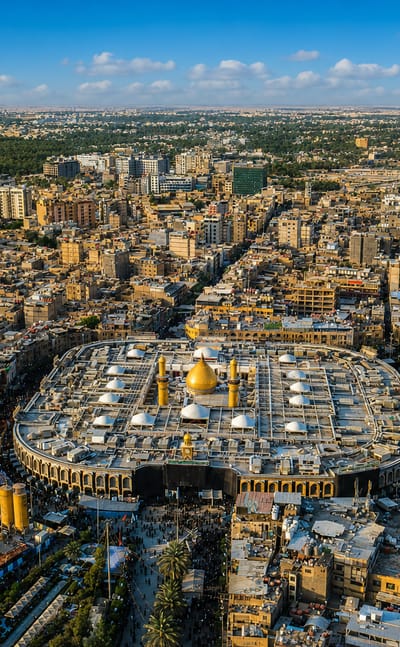
The golden dome of the Imam Husayn Mausoleum crowns Karbala, a holy city in central Iraq and one of the principal spiritual centres of Shia Islam.Where to stay →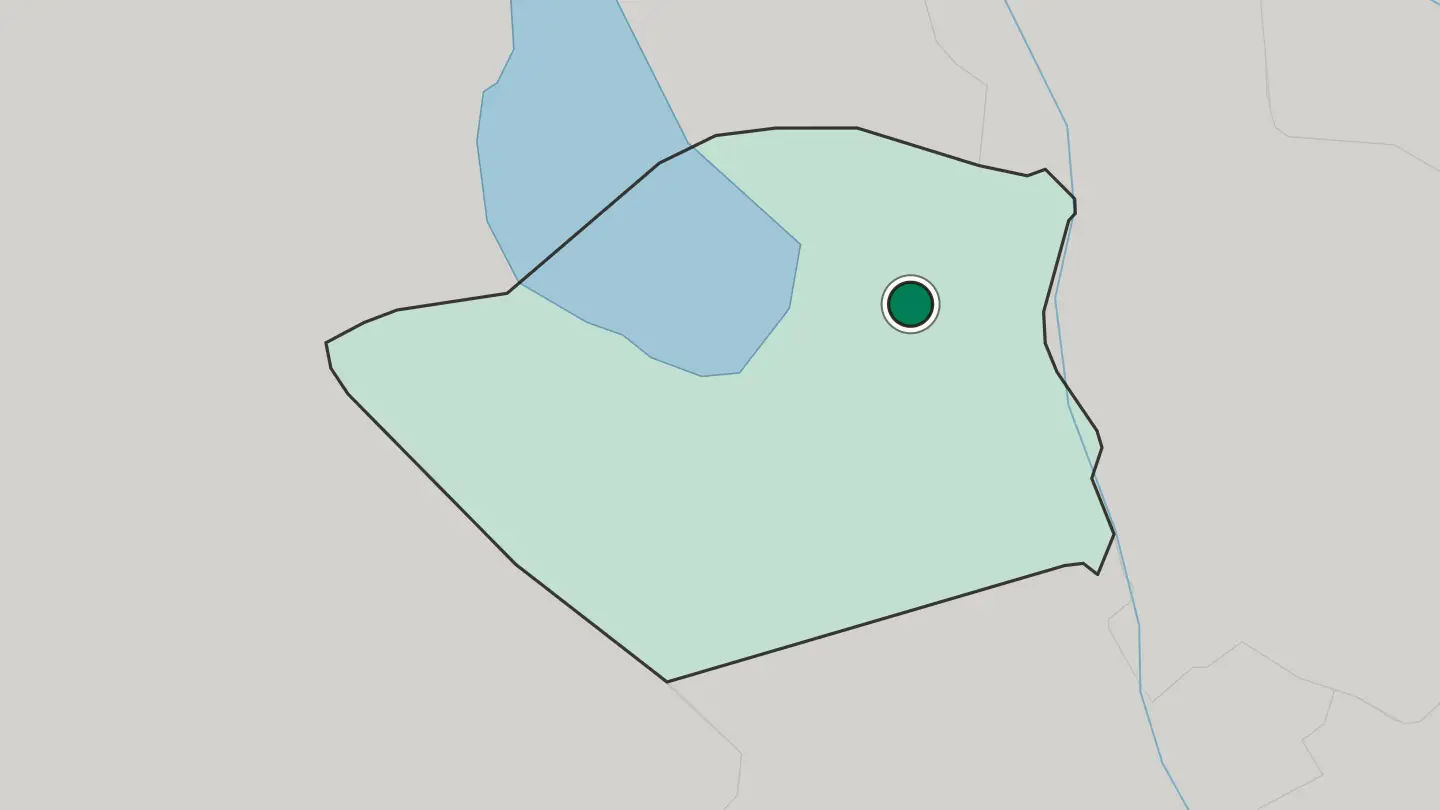
Hotel links are affiliate links: booking through them may earn us a commission, at no extra cost to you. It never affects how places are ranked. How this works
About Karbala Governorate
Pilgrimage defines this place.
What is Karbala Governorate known for?
Karbala, the capital, holds the Imam Husayn Mausoleum and the Al Abbas Mosque, two gold-domed shrines that stand within sight of each other across a paved plaza. Millions of Shia Muslims converge here each year for Arba'een, the mourning that marks forty days after Husayn ibn Ali was killed at the Battle of Karbala in 680. Beyond the shrines, the governorate runs west into open desert, toward the palm oasis of Ayn al-Tamr and the salt lake of Lake Milh.
Where is Karbala Governorate?
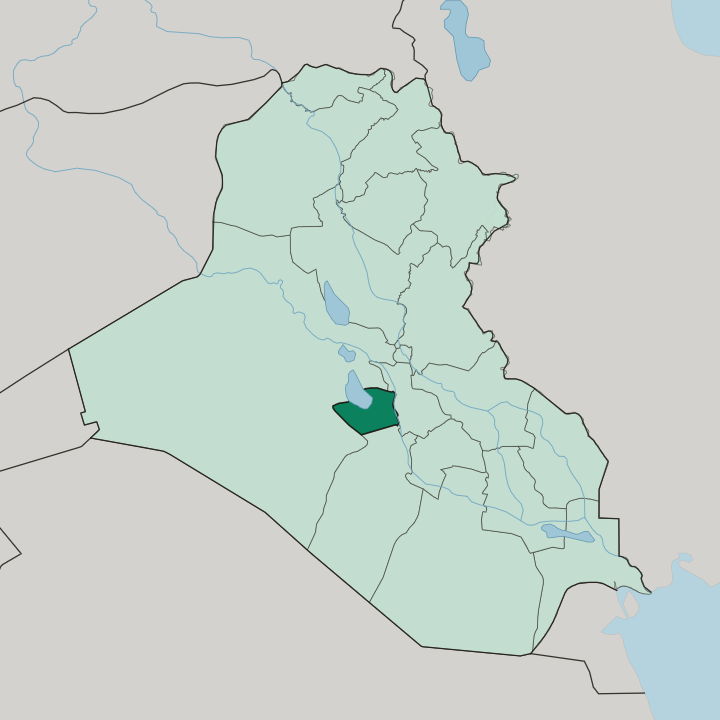
Karbala Governorate lies in central Iraq, just south-west of Baghdad and west of the Euphrates. The river never touches the city itself. It threads instead through Al-Hindiya on the governorate's eastern flank, and a canal carries its water the short distance across to Karbala.
From that green riverine strip the land dries fast. West of the shrines the governorate opens into flat, gravelly desert that runs on toward the border with Anbar, and this arid western reach makes up most of its roughly 5,000 square kilometres. Two features break the desert.
Lake Milh, the brackish salt lake also called Razzaza, spreads across the north-west, an engineered reservoir dug in the late 1970s to take Euphrates floodwater into a closed desert basin. Further south-west the oasis of Ayn al-Tamr survives on springs, its date palms fed by water that surfaces where none should. Najaf, the other great Shia shrine city, sits just beyond the southern boundary. Karbala is small among Iraq's governorates, but its position on the pilgrim road has always mattered more than its size.
What is Karbala Governorate like?
Faith orders daily life here more than in almost any other corner of Iraq. The two shrines set the rhythm of the city, their courtyards filling before dawn and staying full past dark. Black banners hang through Muharram, the month of mourning, and the streets turn to processions of chest-beating and recited elegy.
The governorate's culture grows straight out of the story of Husayn ibn Ali and the Battle of Karbala, retold every year in ritual rather than kept behind museum glass. Feeding pilgrims is a civic duty. During Arba'een, families and volunteers line the walking routes with mawakib, free stations handing out food, tea and a place to sleep to strangers who have walked from Najaf and far beyond.
Arabic is the everyday language, and the accent is southern Iraqi. Away from the religious core the older Karbala survives in covered bazaars, brick courtyard houses and the palm gardens along the canal. It is a conservative place, and a deeply communal one, shaped end to end by what happened on the plain here in 680.
What is the history of Karbala Governorate?
History here begins on a battlefield. In 680 a small band led by Husayn ibn Ali was surrounded and killed on the plain of Karbala, and the grave that grew over him became a shrine, then a city around the shrine. Pilgrimage and scholarship drew settlers for centuries afterward.
Out in the desert the Abbasids left their own mark, the great walled palace of Al-Ukhaidir Fortress, raised around 775 on the caravan road toward Mecca. The modern governorate was drawn later around that ancient religious core.
What is the climate of Karbala Governorate?
The climate is hot desert. Summers are long, dry and fierce, with the western reaches around Lake Milh baking hardest and highs that push well past 45 in the shade. Rain barely comes at all, and what little falls arrives between November and April.
Winters are short and mild, the one comfortable stretch for walking the shrine courtyards. Dust storms blow in off the desert.
How do you get to Karbala Governorate?
Most pilgrims come overland. They travel from Baghdad, about a hundred kilometres north-east, by car or bus down the highway that also carries the Arba'een walkers on foot. Karbala has no major airport of its own, so visitors from abroad usually fly into Baghdad or Najaf and drive in from there.
A new international airport has been under construction near the city. Once you arrive, the two shrines and the old bazaars sit within an easy walk of each other, and shared taxis run out to Al-Hindiya and the desert sites.
Common questions
What is the best area to stay in Karbala Governorate?
Karbala city centre: waking within earshot of the shrines' call to prayer. Al-Hindiya (Tuwayrij): a riverside room away from the shrine-district crowds. Ayn al-Tamr: a desert day trip rather than an overnight.
Good for
More regions in Iraq
Updated September 2026