Iraq · Muhafazat Salah ad Din
Where to Stay in Sāmarrā’, Muhafazat Salah ad Din
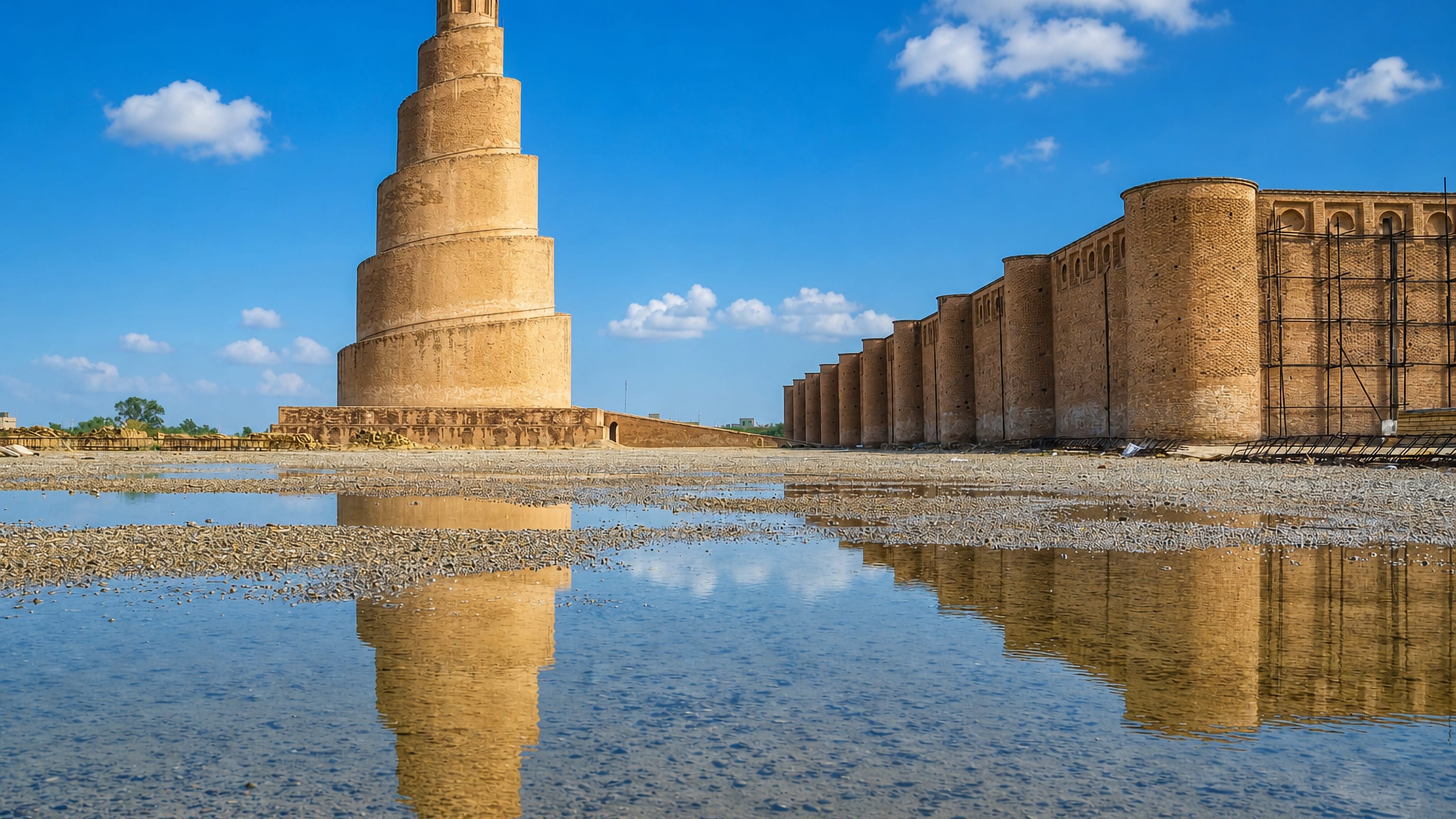
The spiral minaret of the Great Mosque of Samarra rises over the Tigris in Sāmarrā', an Abbasid capital in Saladin Governorate and a World Heritage Site.
Hotel links are affiliate links: booking through them may earn us a commission, at no extra cost to you. It never affects how places are ranked. How this works


Where to stay in Sāmarrā’
The practical side of choosing where to sleep.
Sāmarrā' concentrates its visitors near the Tigris and the historic centre, where the great monuments stand within reach of one another. Basing yourself around the Samarra Centre Zone and the mosque quarter puts the Great Mosque of Samarra and its spiral minaret at the top of a short walk. This is the old core.
Pilgrims and first-time visitors settle here to reach the Al-Askari Shrine and the riverside ruins without a long trip across the Saladin Governorate. Travellers drawn to the archaeology look toward the ground nearer the sprawling remains of Abbasid Samarra, the vast Abbasid layout that runs north along the east bank of the Tigris beyond the modern streets. Those with an interest in the finds head for the district around the Museum of Samarra, where objects from the site are kept.
Book ahead. The guesthouses closest to the shrine and the Samarra Centre Zone fill first during the pilgrim seasons, and beds thin quickly once the crowds gather along the river.
Things to do in Sāmarrā’
Ranked by global recognition; descriptions from Wikidata (CC0).
Museums & Galleries
1- Museum of Samerra
Churches & Religious Sites
1- Great Mosque of Samarra
Castles & Historic Sites
3- Samarra UNESCO
- Samarra Centre Zone Heritage
- Tell Umm al-Sakhr Heritage
worth knowingacross 3 categories in Sāmarrā’
About Sāmarrā’
What is Sāmarrā’ known for?
Sāmarrā' is known for its Abbasid past and its standing as a UNESCO World Heritage Site. The Great Mosque of Samarra, with its helical minaret, survives from the years when the caliph al-Mu'tasim made the city a capital on the Tigris. It is also a holy place.
The Al-Askari Shrine draws pilgrims in Shia Islam, and the ruins of Abbasid Samarra spread for miles along the river through the surrounding Saladin Governorate.
What are the main landmarks in Sāmarrā’?
The Great Mosque of Samarra dominates the landmarks of Sāmarrā', its spiral minaret climbing in a single helical ramp above the Tigris. Around it lies Abbasid Samarra, the enormous ruined capital whose walls and palaces run for miles along the river. The Al-Askari Shrine marks the city as a Shia holy place.
Finds from the ancient city fill the Museum of Samarra, while older ground survives at Tell Umm al-Sakhr. Few skylines carry a minaret like it.
What is the history of Sāmarrā’?
Sāmarrā' was founded in 836 by the Abbasid caliph al-Mu'tasim, who raised it on the east bank of the Tigris as a new administrative capital and military base north of Baghdad. For a short, brilliant span the city was the seat of the caliphate. Its rulers laid out palaces, barracks, and the Great Mosque of Samarra, whose spiral minaret still stands.
The court eventually returned to Baghdad. What the caliphs abandoned the sand largely preserved, and the vast footprint of Abbasid Samarra survived where later cities would have overbuilt it. The ruins stretch for miles along the river through the Saladin Governorate, a rare intact record of ninth-century imperial planning.
Centuries later the Al-Askari Shrine made the site a centre of pilgrimage in Shia Islam, and in the modern era the whole ensemble was inscribed as a UNESCO World Heritage Site.
Where is Sāmarrā’?
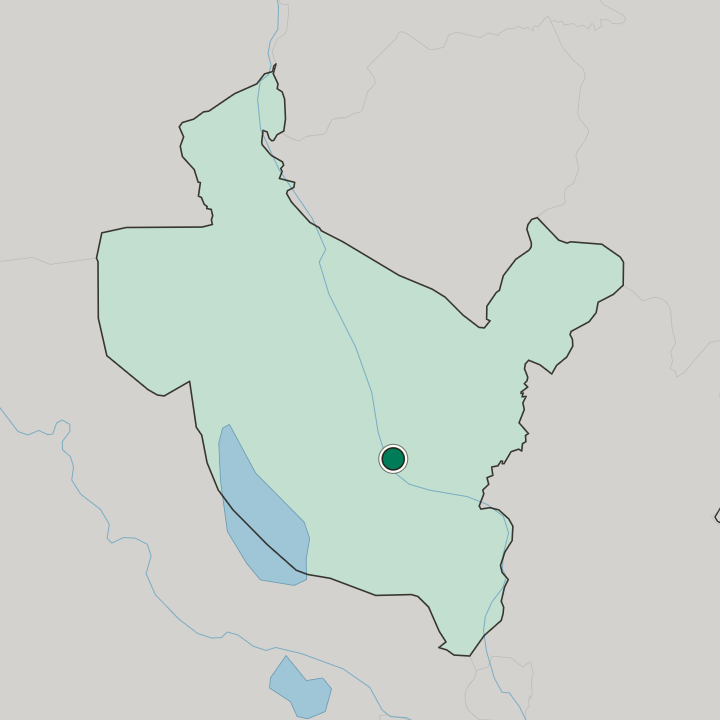
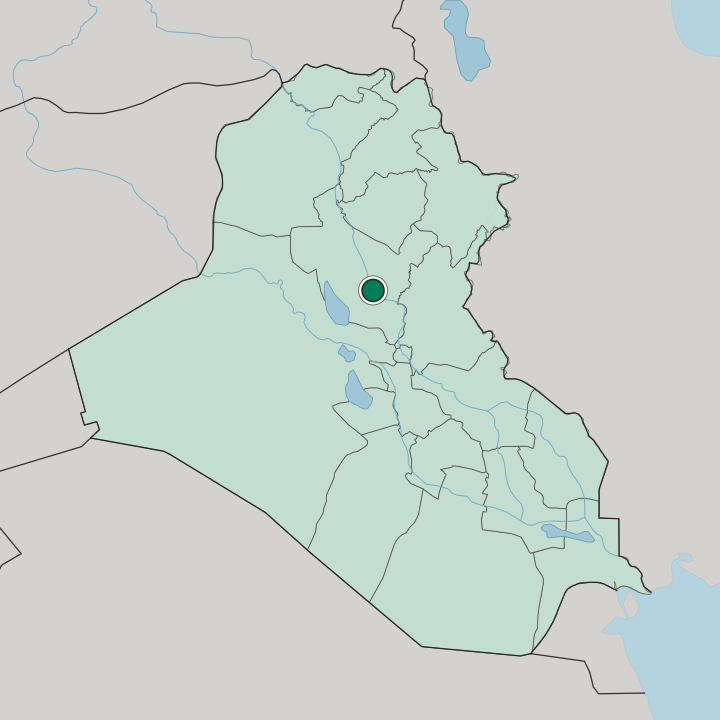
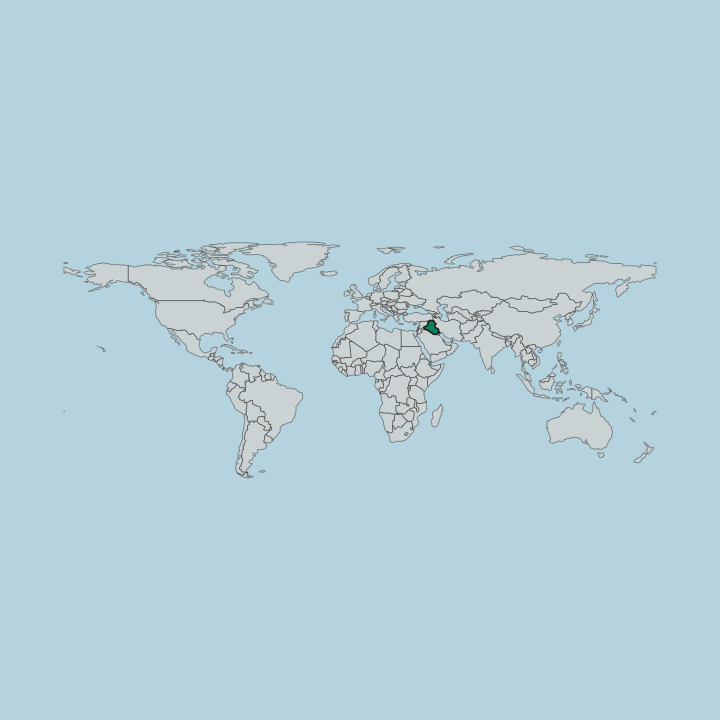
Sāmarrā' stands on the east bank of the Tigris, north of Baghdad, in the Saladin Governorate of central Iraq. The river runs along the city's western edge, and the flat alluvial plain around it holds the sprawling ruins of Abbasid Samarra. Level ground reaches away from the water.
A canal system and low mounds such as Tell Umm al-Sakhr break the plain, remnants of the works that once served the Abbasid capital on the Tigris.
What is the climate of Sāmarrā’?
Sāmarrā' has a hot desert climate typical of central Iraq. Summers are long and very hot on the open plain around the Tigris. Winters turn cool and short.
Rain falls mainly in the cooler months and stays sparse, leaving the ruins of Abbasid Samarra and the plain of the Saladin Governorate dry and dusty for much of the year, with the river the one constant thread of water.
How do you get to Sāmarrā’?
Sāmarrā' sits north of Baghdad and is reached mainly by road. The main highway up the Tigris valley connects the city to Baghdad to the south and to the rest of the Saladin Governorate. A rail line also runs through the region.
Most visitors arrive overland, following the river north from the capital, and the drive delivers travellers to the foot of the Great Mosque of Samarra and its spiral minaret.
Good for
Updated September 2026