Iceland · Suðurnes
Where to Stay in Keflavík, Suðurnes
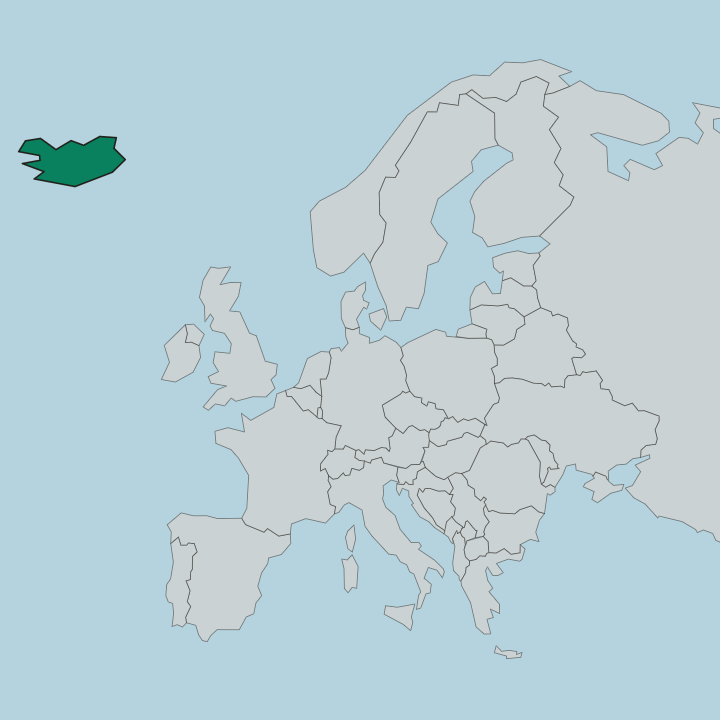
Keflavík is a fishing and airport town on the Reykjanes peninsula in south-western Iceland, the country's main gateway by air.
Hotel links are affiliate links: booking through them may earn us a commission, at no extra cost to you. It never affects how places are ranked. How this works


Where to stay in Keflavík
The practical side of choosing where to sleep.
Beds gather near the runway. Most of Keflavík's rooms sit within a short drive of the international airport, clustered where the airport road meets the older harbour town, which makes the place the standard first and last stop for anyone flying into Iceland before the longer drive on toward Reykjavík. Choose by what you want at the door.
The harbour core puts you beside Duus Safnahús and the shore where Viking World holds its longship, the airport edge trades the view for a five-minute transfer to the terminal, and the streets around the Icelandic Museum of Rock 'n' Roll base you near the cafes and the town's small nightlife. Pick the waterfront to walk the old quay, or the airport strip for an early flight.
Find hotels in Keflavík
Direct booking searches for these neighbourhoods.
Harbour core
the shore quarter beside Duus Safnahús where Keflavík's fishing town beganFind hotels in Harbour corean early departure or a late landingAirport edge
the strip nearest the international terminal, a five-minute transfer to the gateFind hotels in Airport edgemusic fans and a base near the cafesMuseum streets
the blocks around the Icelandic Museum of Rock 'n' Roll, close to the town's small nightlife. Lodging is scarce in this area; reserve in advance.Find hotels in Museum streetsa quiet stay facing the open seaShoreline by Viking World
the seafront beside Viking World and its full-scale longship, away from the runway noise. Lodging is scarce in this area; reserve in advance.Find hotels in Shoreline by Viking WorldHotel links are affiliate links: booking through them may earn us a commission, at no extra cost to you. It never affects how places are ranked. How this works
Things to do in Keflavík
Ranked by global recognition; descriptions from Wikidata (CC0).
Museums & Galleries
3- Viking World museum
- The Icelandic Museum of Rock 'n' Roll music museum in Reykjanesbær
- Duus Safnahús
Churches & Religious Sites
1- St. John Paul II Church
Stadiums & Sports
1- Keflavíkurvöllur multi-use stadium
worth knowingacross 3 categories in Keflavík
About Keflavík
Flights and fish made the place.
What is Keflavík known for?
Keflavík grew as a fishing port on the Reykjanes peninsula and is known above all for the international airport that handles nearly every arrival to Iceland, the road from the runway running straight into Suðurnes. Music gives it a second name. The Icelandic Museum of Rock 'n' Roll traces the country's bands here, Viking World keeps a full-scale ship by the shore, and the harbour town carries a reputation out of all proportion to its size.
What are the main landmarks in Keflavík?
Two museums anchor the shore. Viking World displays a full-scale replica longship in a glass hall by the water, while the Icelandic Museum of Rock 'n' Roll lays out the bands and records that carried the country's sound abroad. The town keeps older corners too.
Duus Safnahús holds the local heritage collection in a cluster of harbour buildings, St. John Paul II Church serves the Catholic congregation, and Keflavíkurvöllur, the multi-use stadium, fills with crowds on match days.
What is the history of Keflavík?
Keflavík began as a fishing and trading station on the Reykjanes peninsula, its sheltered harbour drawing boats to a coast otherwise lined with lava and open sea. For generations the town lived off the cod grounds offshore, a small port in the north-western part of Suðurnes that shipped its catch and bought its goods through the same quay. The sea set the pace of everything.
The airport remade the town. A wartime airfield laid on the flat Reykjanes ground beside the port grew into the international airport that now binds Iceland to the world, and Keflavík turned from a fishing village into the country's front door, its fortunes tied to the runway as much as to the boats. The old harbour still works the water.
The town merged into the wider municipality of Suðurnes, keeping its name and its quay while the airport carried its story far past the local coast.
Where is Keflavík?
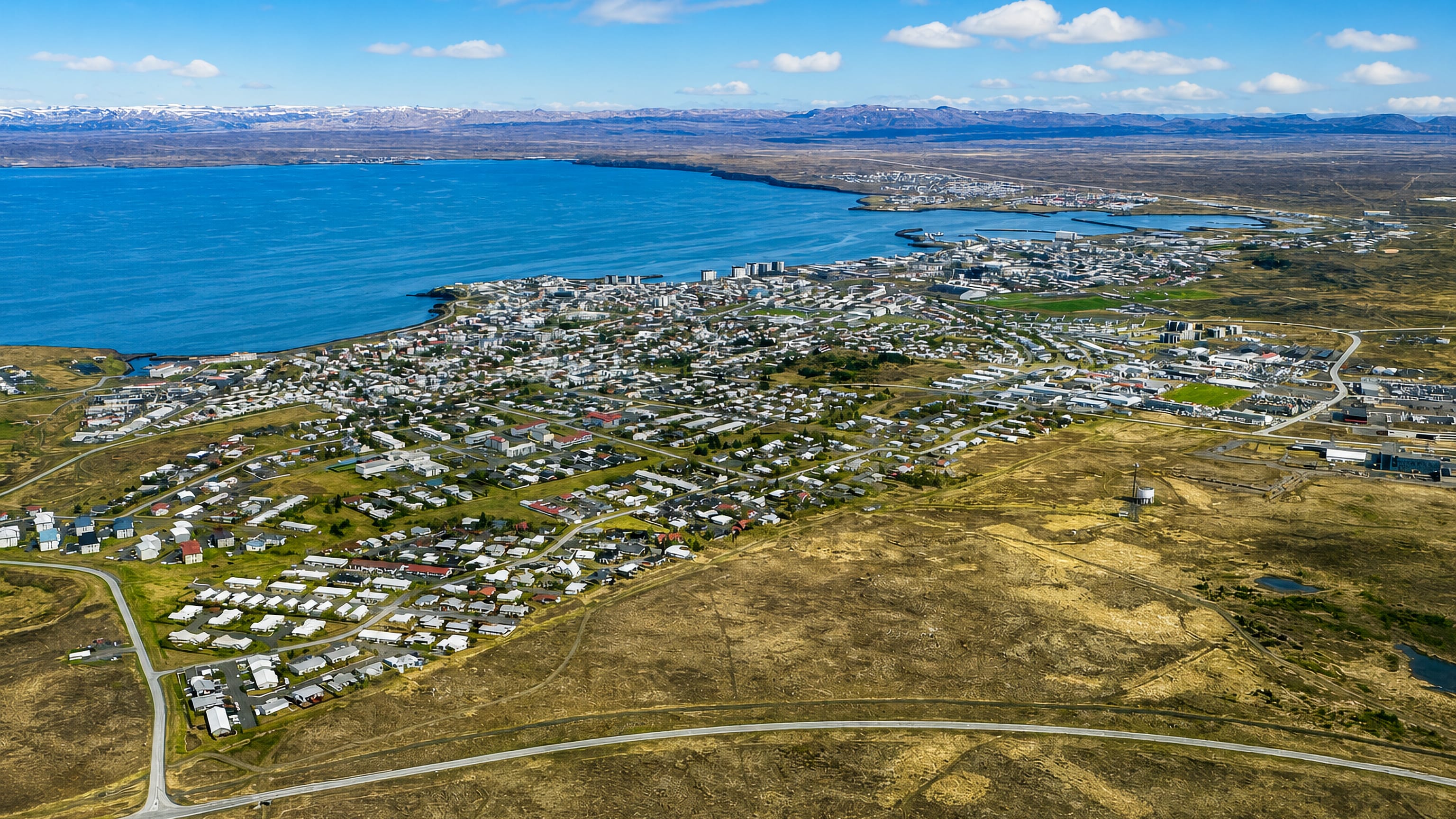
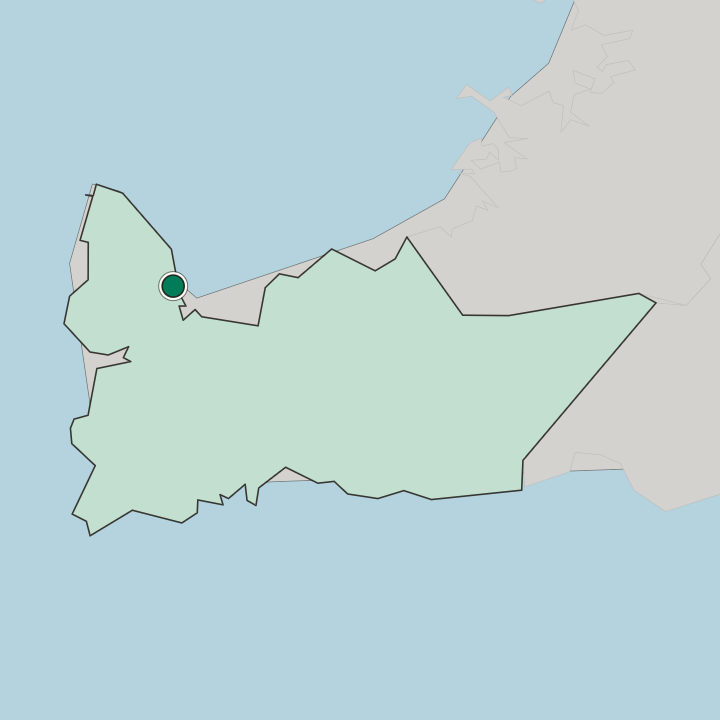
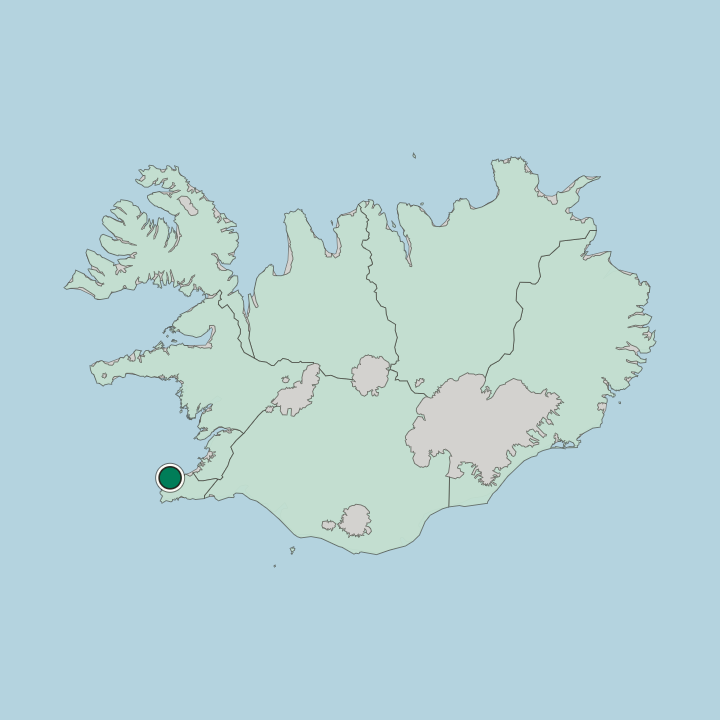
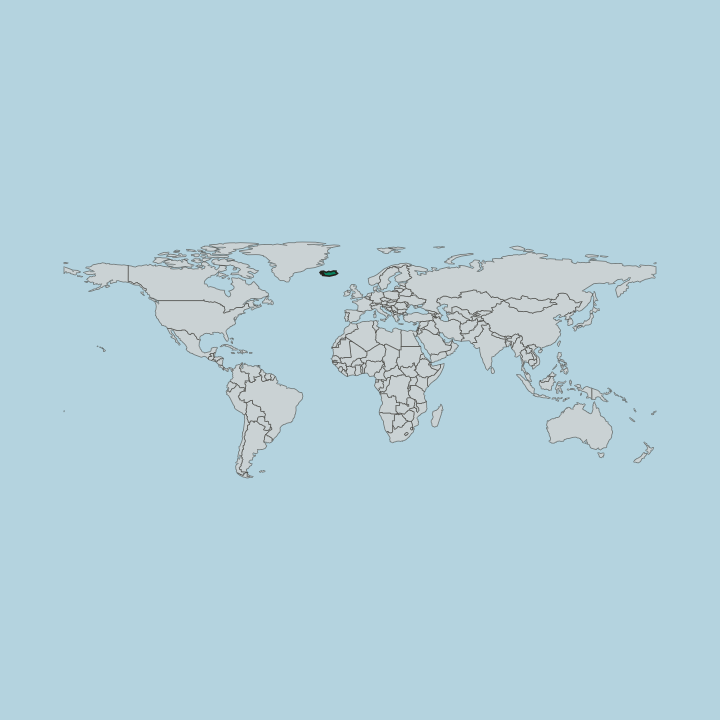
The town sits on a low volcanic shore. Keflavík lies on the Reykjanes peninsula in south-western Iceland, on the flat, lava-strewn ground of the north-western part of Suðurnes, where the land runs out into the North Atlantic in a sweep of black rock and open sea. The coast keeps it cool and exposed.
A sheltered harbour breaks the otherwise hard shore, the airport spreads across the level plain just inland, and the treeless Reykjanes ground falls gently from the town toward the water on almost every side.
What is the climate of Keflavík?
The sea rules the weather here. Keflavík sits open to the North Atlantic on the Reykjanes peninsula, and the marine air keeps summers cool, winters mild for so far north and the wind a near-constant presence off the water. Calm days are rare.
Cloud and rain blow in fast across the flat, treeless ground, the temperature swings little between the seasons, and the exposed coast of south-western Iceland gives the town a grey, changeable maritime climate rather than a frozen northern one.
How do you get to Keflavík?
Almost everyone arrives by air. The international airport on the Reykjanes peninsula handles nearly every flight into Iceland, and Keflavík sits right beside the runway, making it the first ground most visitors touch in the country. The road does the rest.
A fast highway runs the short distance east to Reykjavík and the capital area, buses shuttle between the terminal and the city through Suðurnes, and the same route carries travellers on toward the rest of the island.
Common questions
What is the best area to stay in Keflavík?
Harbour core: walking the old quay and the museums on foot. Airport edge: an early departure or a late landing. Museum streets: music fans and a base near the cafes. Shoreline by Viking World: a quiet stay facing the open sea.
Good for
Updated October 2026