Iceland · Höfuðborgarsvæði
Where to Stay in Reykjavík, Höfuðborgarsvæði
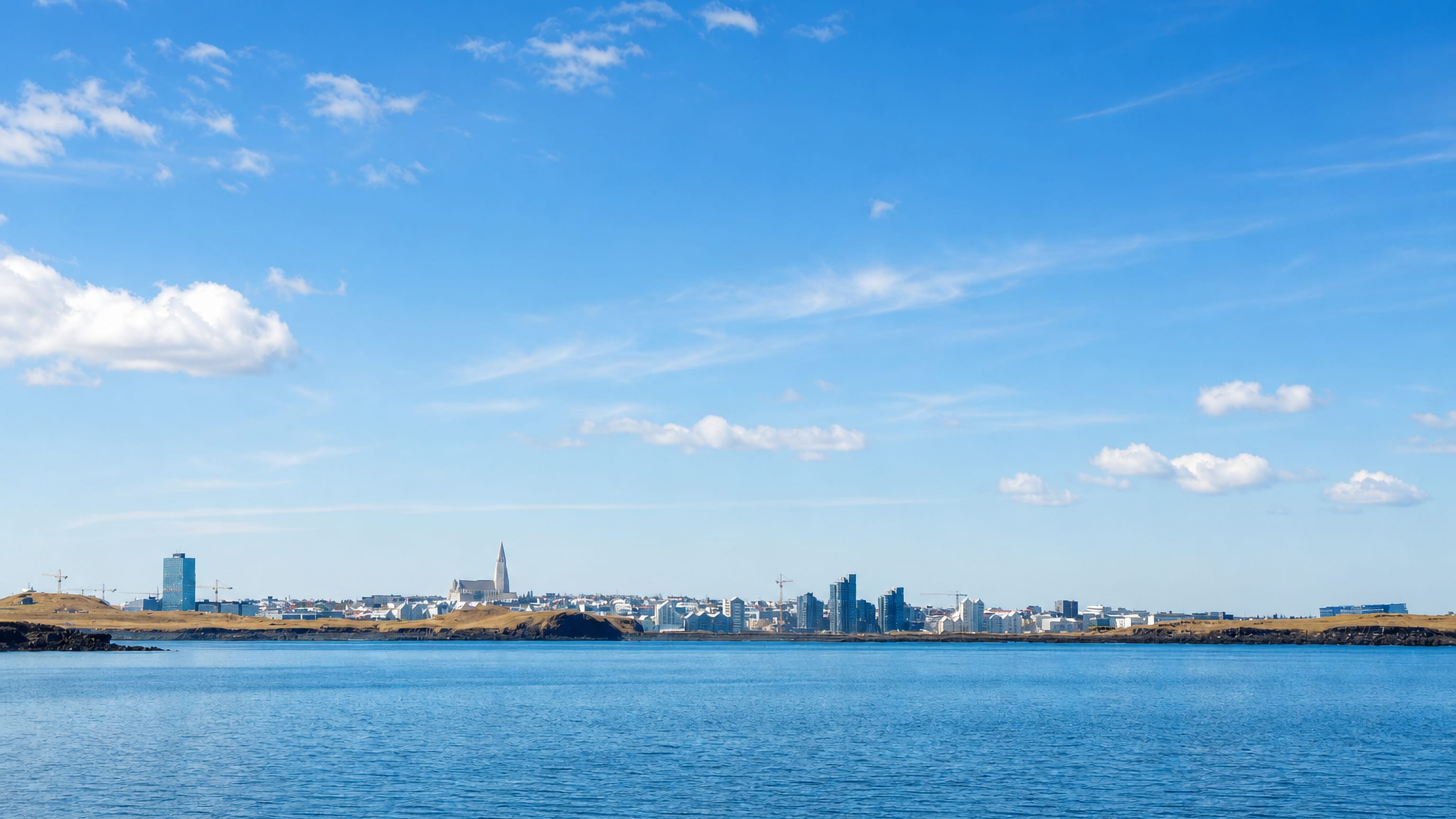
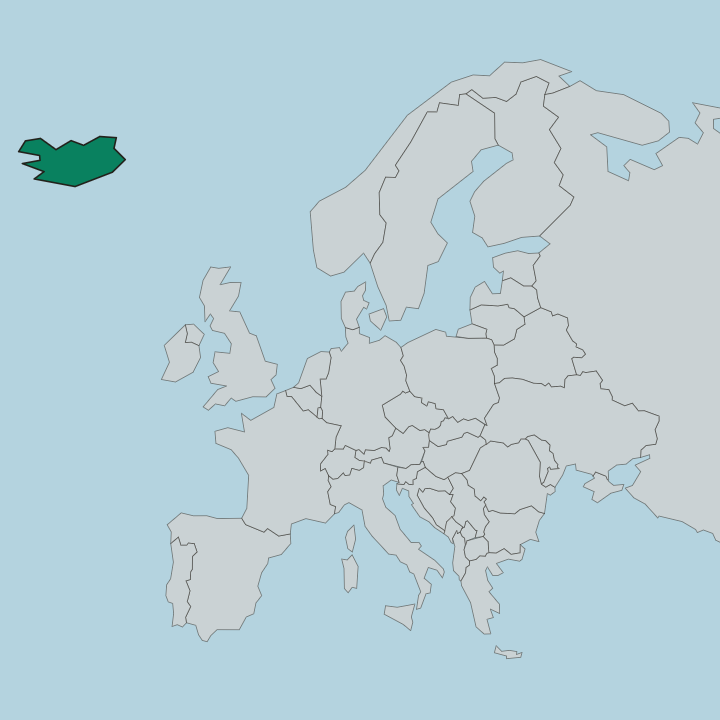
Reykjavík is the capital of Iceland, the world's northernmost capital, set on the Faxaflói bay shore.
Hotel links are affiliate links: booking through them may earn us a commission, at no extra cost to you. It never affects how places are ranked. How this works


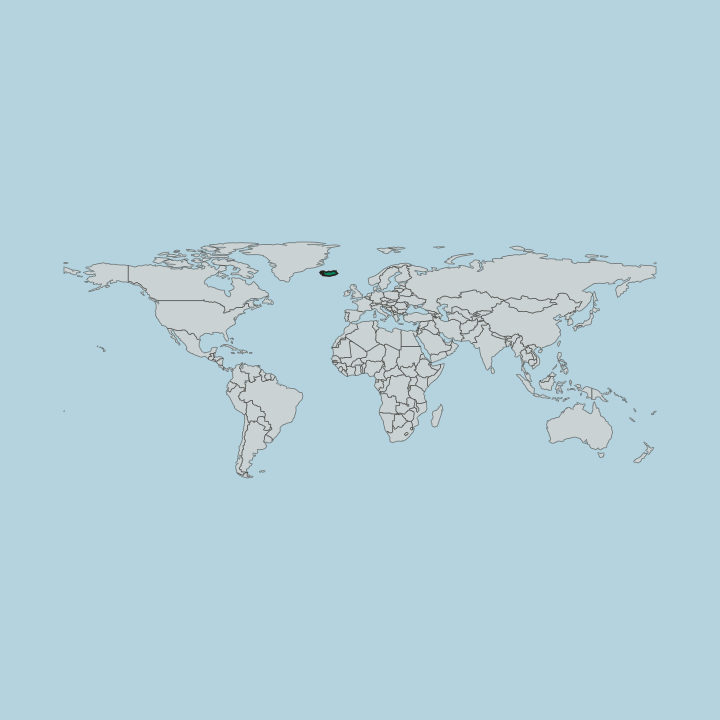
Where to stay in Reykjavík
The right area depends on your trip — here's what each neighbourhood is best for.

 ReykjavíkIceland

Miðborg
Miðborg is the central district of Reykjavík, the low headland of streets, squares and harbour forming the capital's downtown between the bay and Tjörnin.Where to stay →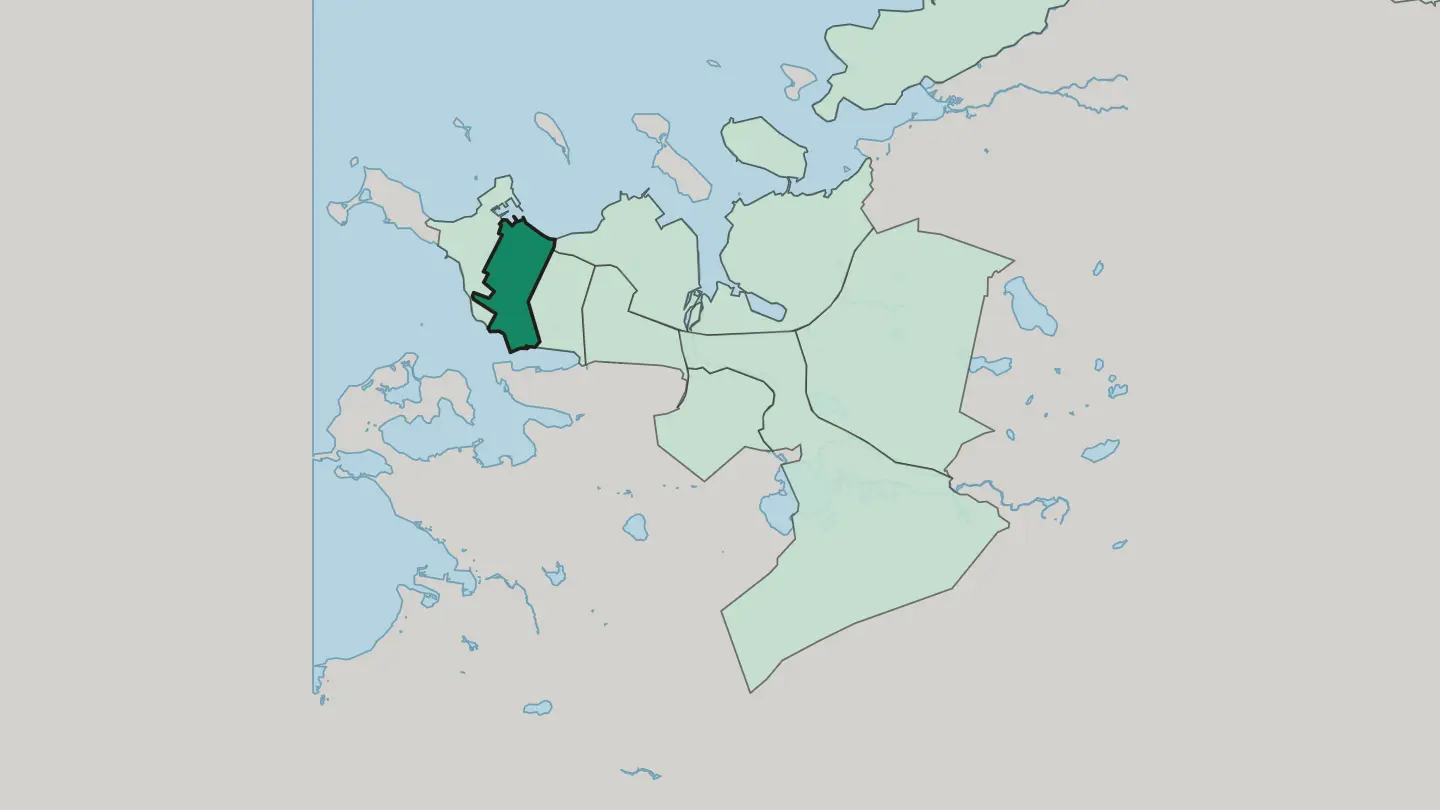
 ReykjavíkIceland

Vesturbær
Vesturbær is the residential western district of Reykjavík, a low peninsula of older houses, the University of Iceland, and a working harbour edge.Where to stay →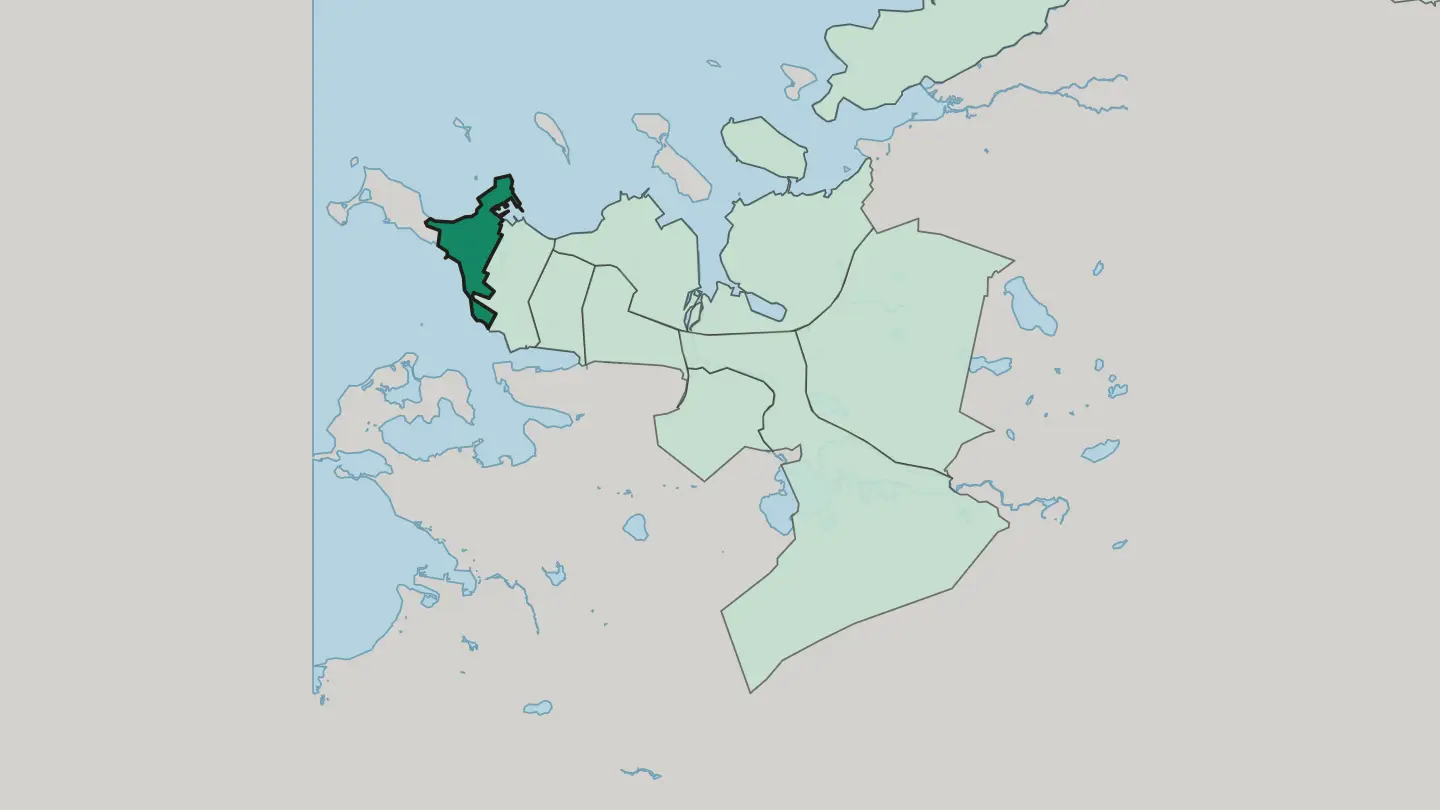
 ReykjavíkIceland

Hlíðar
Hlíðar is a district on the slopes east of central Reykjavík, named for the hillsides its streets climb and built around the green of Klambratún.Where to stay →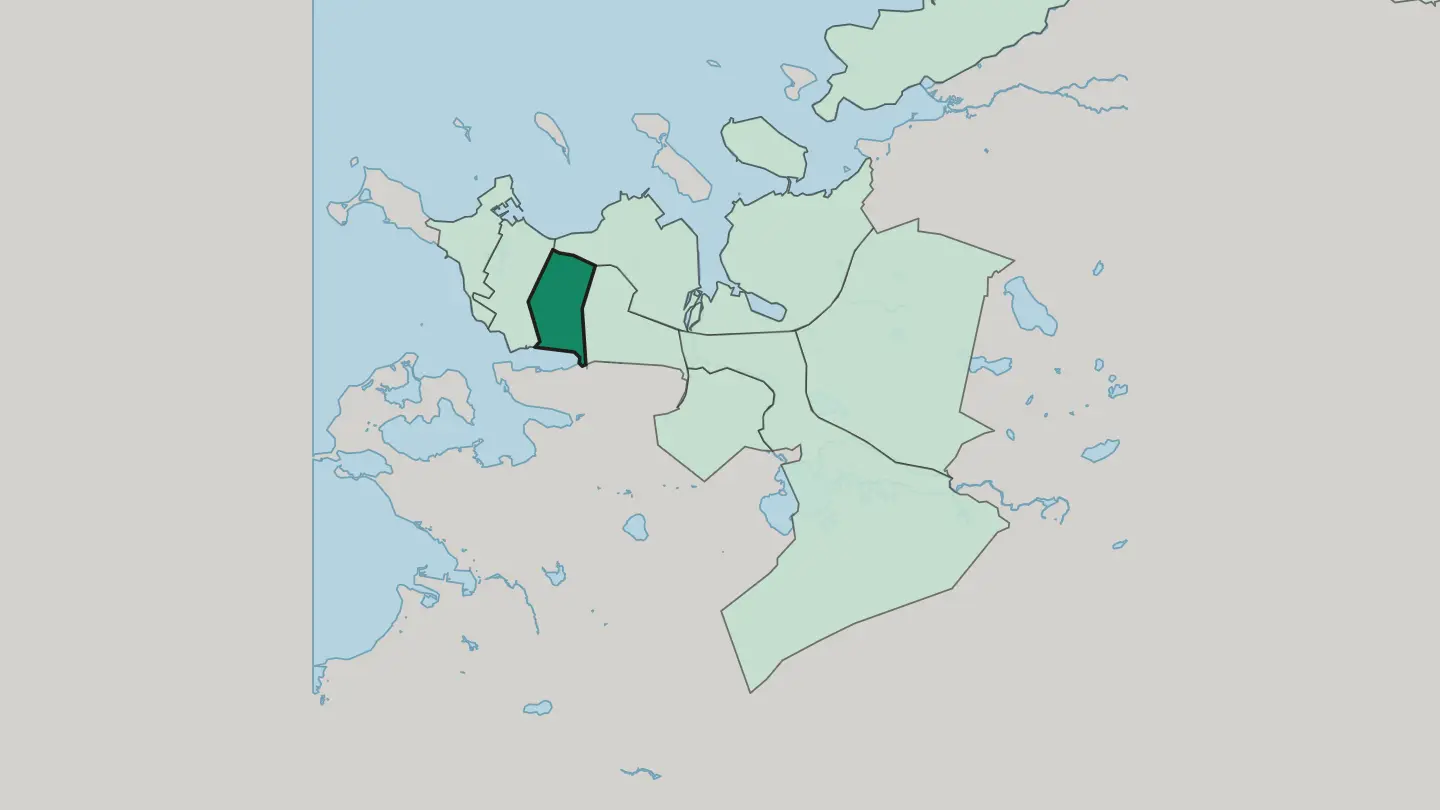
 ReykjavíkIceland

Háaleiti og Bústaðir
Háaleiti og Bústaðir is an inland district of Reykjavík east of the old centre, built around the Kringlan shopping centre and the wooded Fossvogur valley.Where to stay →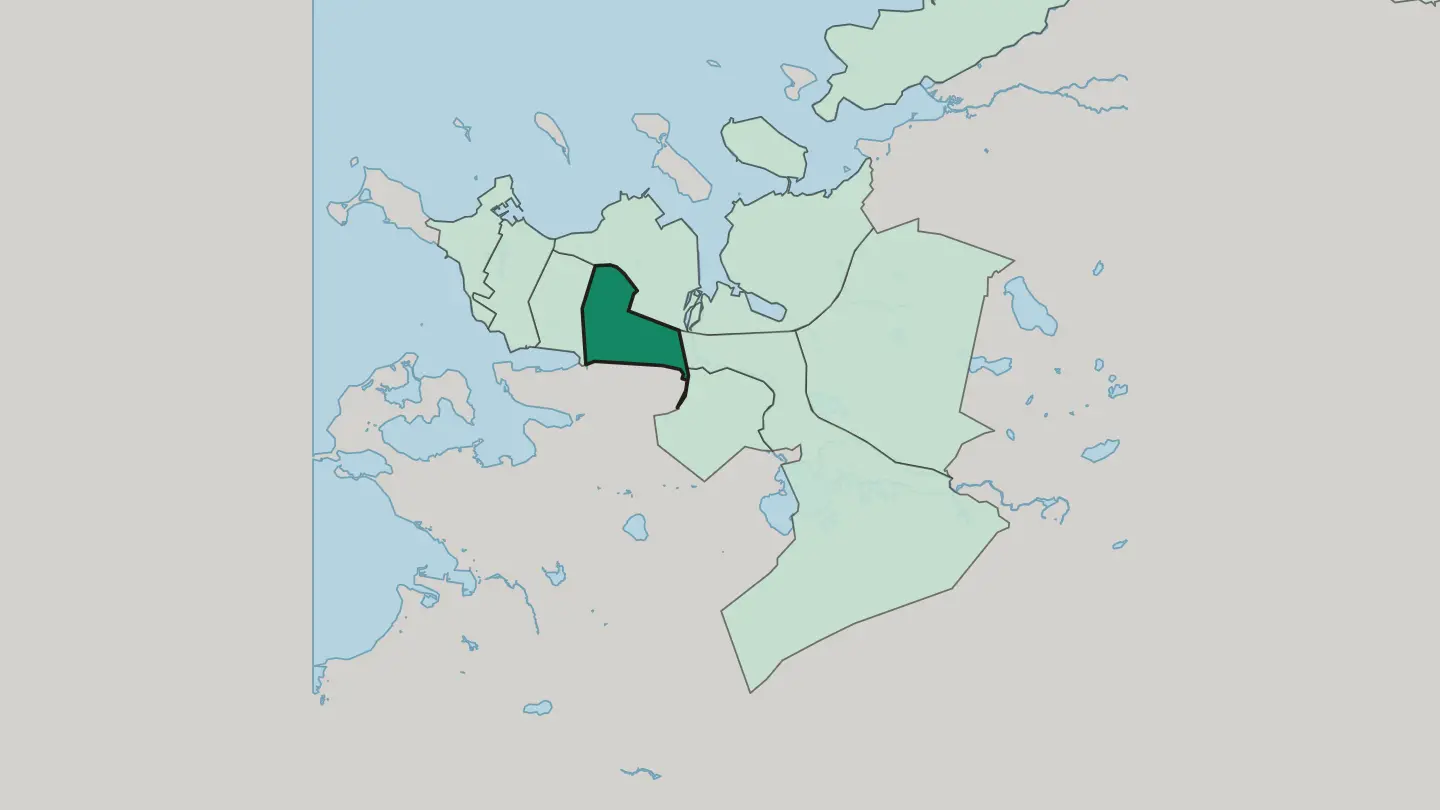 ReykjavíkIceland

Laugardalur
Laugardalur is a broad valley district east of central Reykjavík, the city's green belt of parks, pools and sports grounds, named for its hot springs.Where to stay →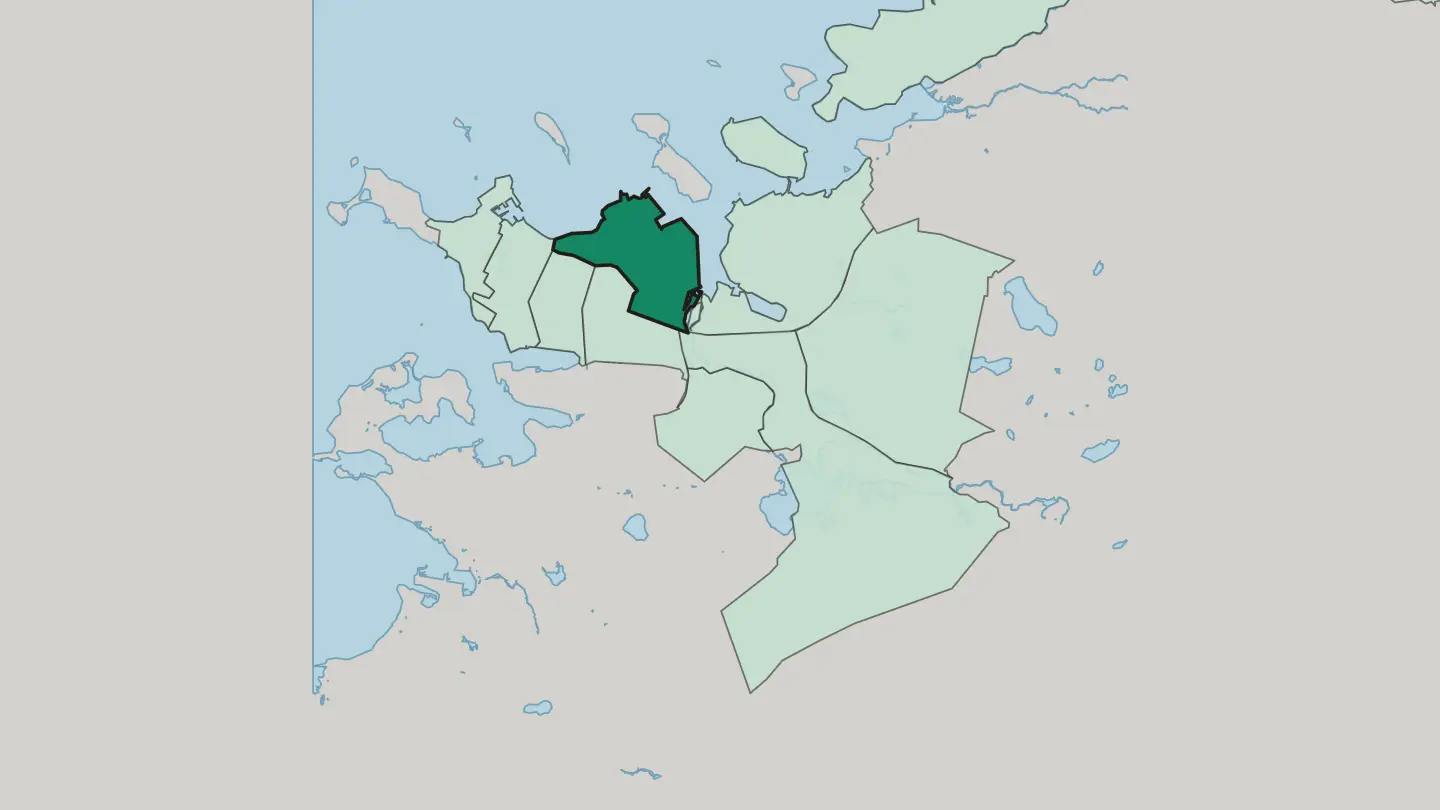
 ReykjavíkIceland

Árbær
Árbær is a residential district in the east of Reykjavík, built around the Elliðaá river and its wooded valley where the city gives way to open ground.Where to stay →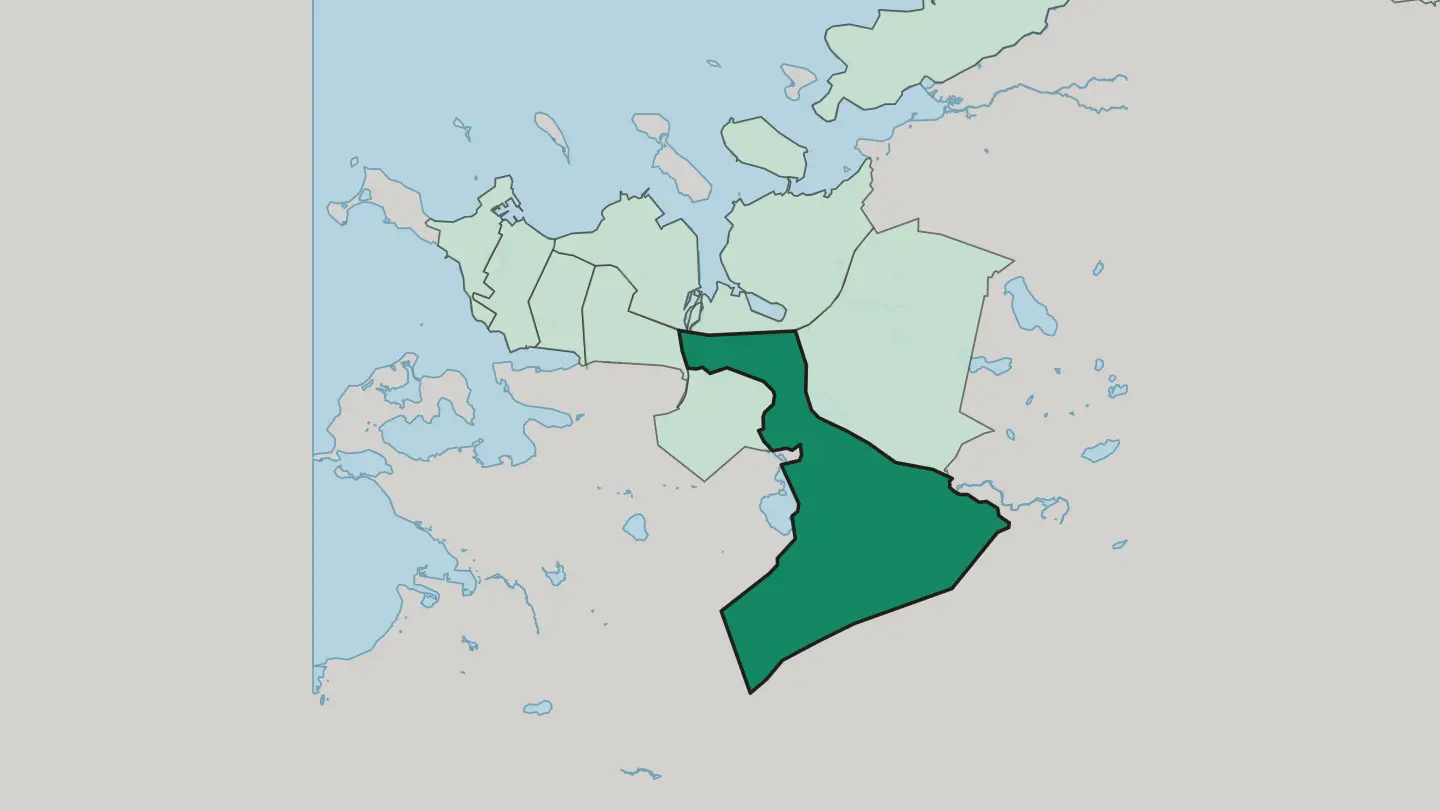
 ReykjavíkIceland

Breiðholt
Breiðholt is a residential district on the hills of east Reykjavík, the city's largest postwar housing scheme, now among its most international.Where to stay →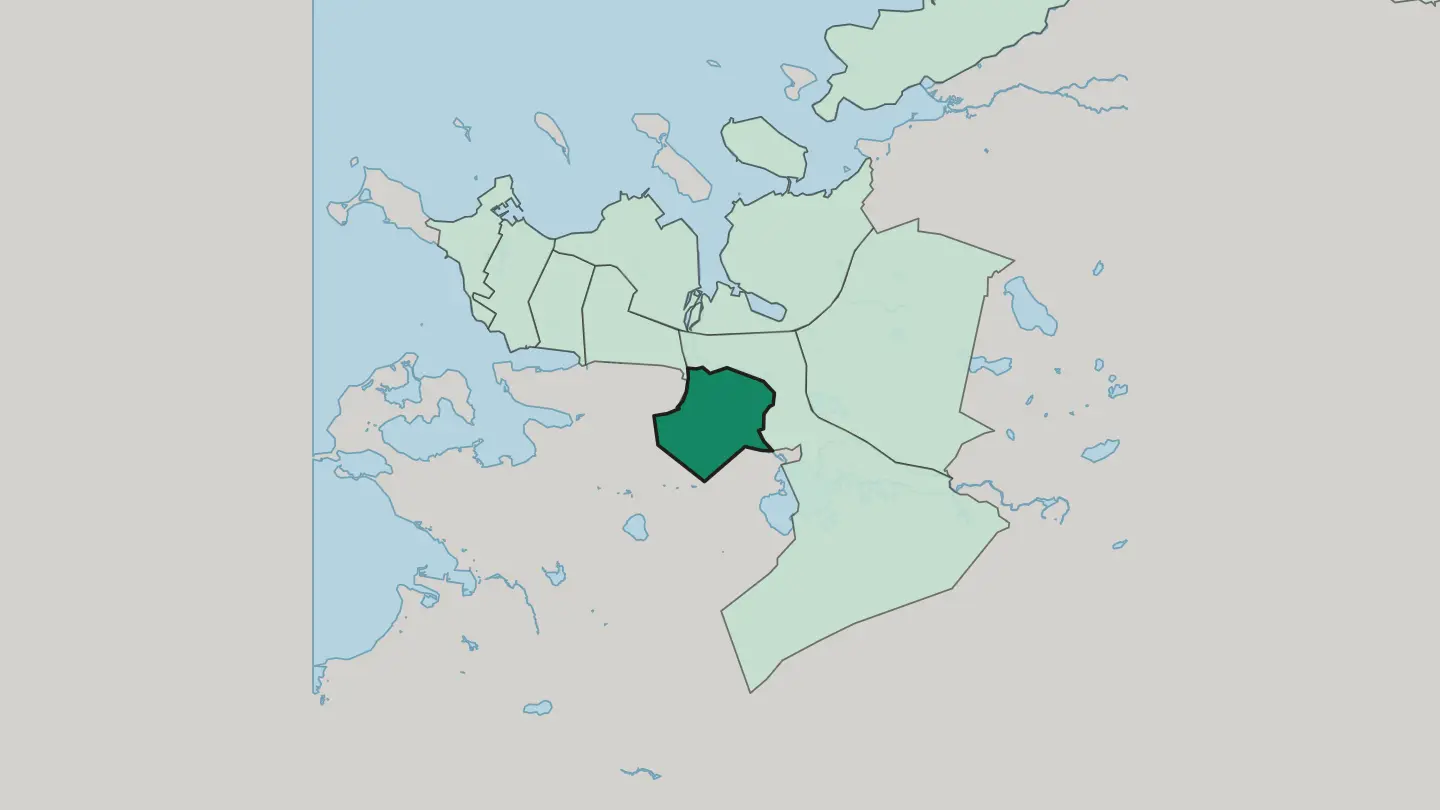
 ReykjavíkIceland

Grafarvogur
Grafarvogur is a large residential district spread across the headlands and slopes around its namesake bay in the north-eastern reaches of Reykjavík.Where to stay →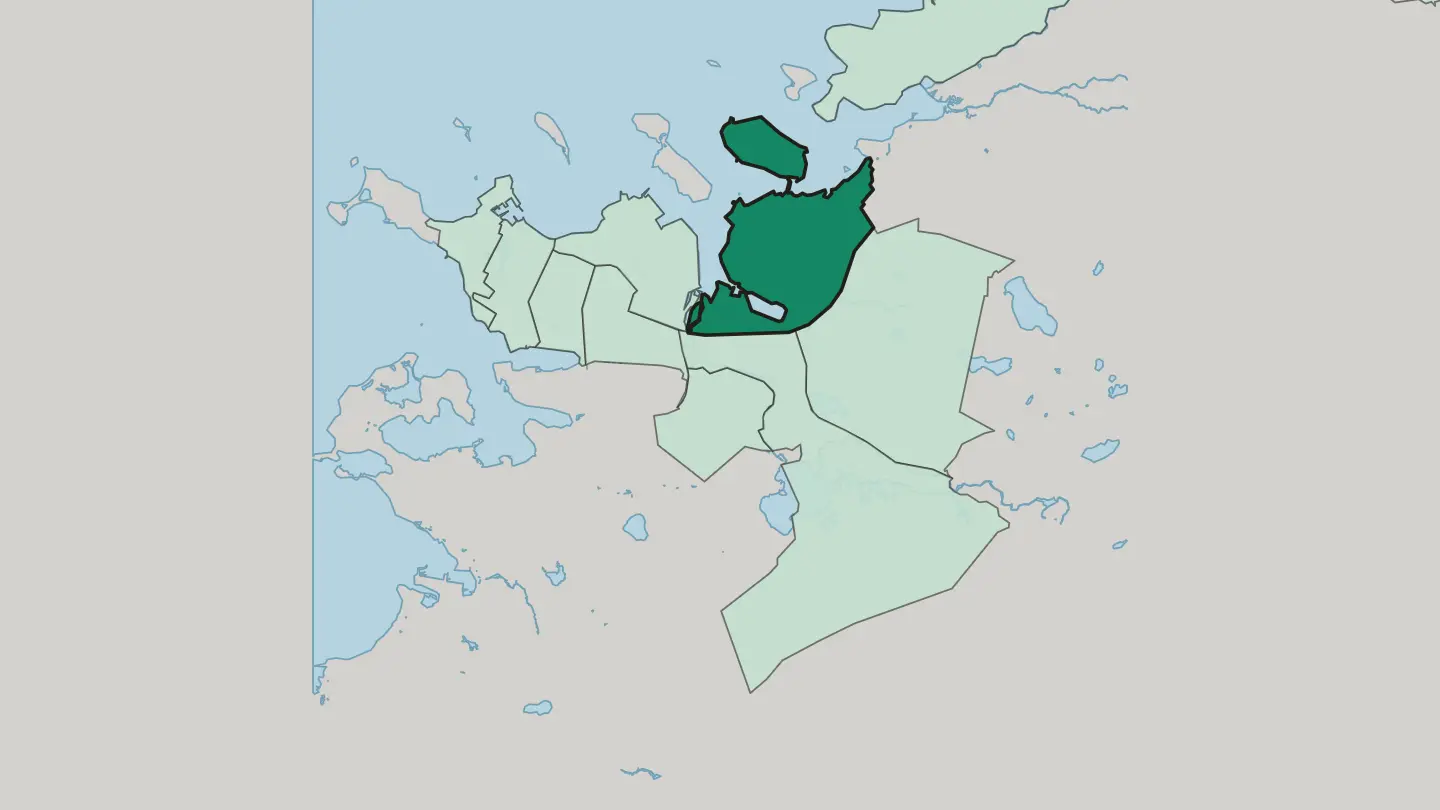
 ReykjavíkIceland

Grafarholt og Úlfarsárdalur
Grafarholt og Úlfarsárdalur is an upland district on Reykjavík's eastern edge, spread across the Grafarholt hill and the Úlfará valley beneath Úlfarsfell.Where to stay →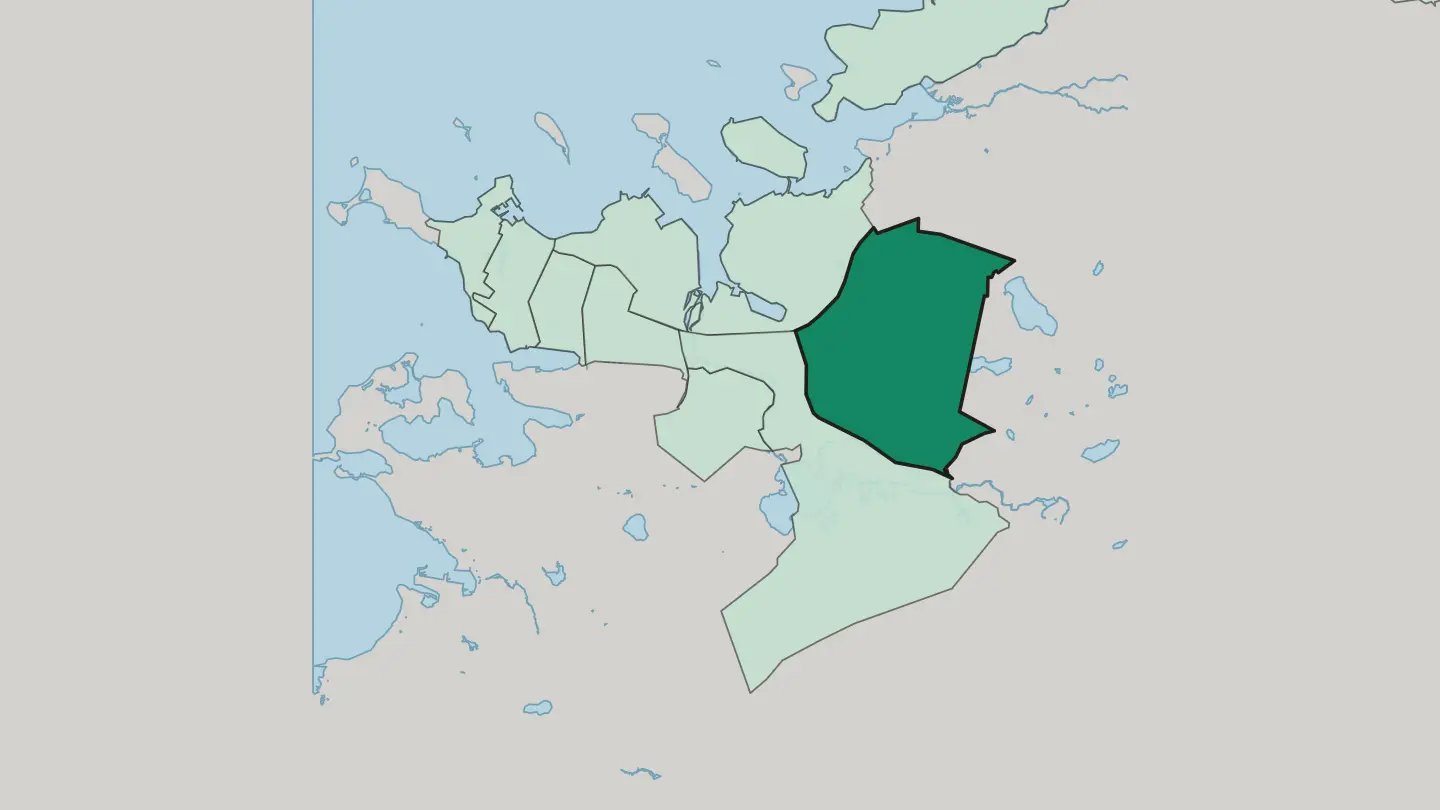
 ReykjavíkIceland
Kjalarnes
Kjalarnes is Reykjavík's northernmost, most rural district, a broad peninsula beneath Mount Esja where farms and one village replace city streets.Where to stay →Hotel links are affiliate links: booking through them may earn us a commission, at no extra cost to you. It never affects how places are ranked. How this works
Find hotels in Reykjavík
Direct booking searches for these neighbourhoods.
Church-side centre
the dense old core stepping up to Hallgrímskirkja, where Reykjavík packs its shops and music venues inFind hotels in Church-side centretravellers who want the boats and the cruise quay at the waterOld harbour edge
the working waterfront where the whale-watching boats and Sjóminjasafnið í Reykjavík face the Faxaflói shore. Lodging is scarce in this area; reserve in advance.Find hotels in Old harbour edgea quiet stay beside parkland and the National GalleryTjörnin and the pond quarter
the calmer streets ringing the Tjörnin pond, with Listasafn Íslands and the city hall on its banks. Lodging is scarce in this area; reserve in advance.Find hotels in Tjörnin and the pond quartera calm base with a fast road out of the cityEastern districts
the newer quarters spreading east toward the wider Höfuðborgarsvæði, trading the centre's crowds for quiet. Beds are limited here, so book early.Find hotels in Eastern districtsHotel links are affiliate links: booking through them may earn us a commission, at no extra cost to you. It never affects how places are ranked. How this works
Things to do in Reykjavík
Ranked by global recognition; descriptions from Wikidata (CC0).
Museums & Galleries
7- Icelandic Phallological Museum
- National Museum of Iceland museum in Reykjavik
- Reykjavik Art Museum largest visual art institution in Iceland
- National Gallery of Iceland art museum in Reykjavik
- Reykjavík Museum of Photography heritage institution
Show 2 more →
- Volcano House the famous volcano
- Icelandic Punk Museum music history museum
Churches & Religious Sites
3- Hallgrímskirkja
- Fríkirkjan í Reykjavík
- Háteigskirkja architectural structure
Castles & Historic Sites
2- Svarta Keilan. Minnisvarði um Borgaralega Óhlýðni
- EVE Online Monument
Stadiums & Sports
3- Egilshöll
- Kórinn fjölnota knatthús
- Fylkisvöllur
worth knowingacross 4 categories in Reykjavík
About Reykjavík
The whole country answers to it.
What is Reykjavík known for?
Reykjavík is the capital of Iceland and the seat of its government, the northernmost capital of any sovereign state, and the harbour town from which the rest of the island is supplied, governed and reached. Its skyline has one anchor. Hallgrímskirkja rises in stepped concrete above the centre, and below it the streets gather the museums, galleries and cafes that make Reykjavík the cultural core of the country.
What are the main landmarks in Reykjavík?
One tower marks the city. Hallgrímskirkja stands over the centre in stepped grey concrete, the tallest thing for miles and the point every street in Reykjavík seems to climb toward. The museums fill in the rest. Þjóðminjasafn Íslands holds the national collection, Listasafn Íslands hangs the country's art beside the Tjörnin pond, Listasafn Reykjavíkur runs the city's own galleries, and Landnámssýningin sits over the dug-out remains of a settlement-age longhouse downtown.
What is the history of Reykjavík?
Settlement began here. The dug-out longhouse under Landnámssýningin marks one of the oldest homesteads in Iceland, and for centuries the bay shore that became Reykjavík held little more than farms while power sat with the assembly and the bishops elsewhere on the island. Reykjavík grew up around commerce.
A cluster of wool and fishing workshops on the Faxaflói shore slowly drew the trade of the wider country toward the one sheltered harbour in the south-west. The capital followed the harbour. As government, schools and the National Museum gathered along the bay, Reykjavík pulled in people from the farms and the fjords until it held the bulk of Iceland's people, and the small trading post on Faxaflói grew into the seat of a sovereign state and the northernmost capital on earth.
Where is Reykjavík?
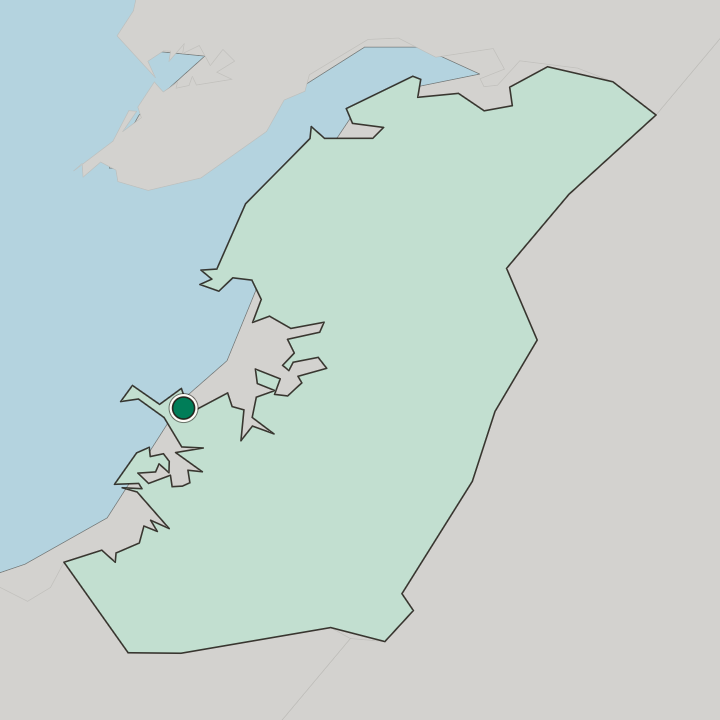
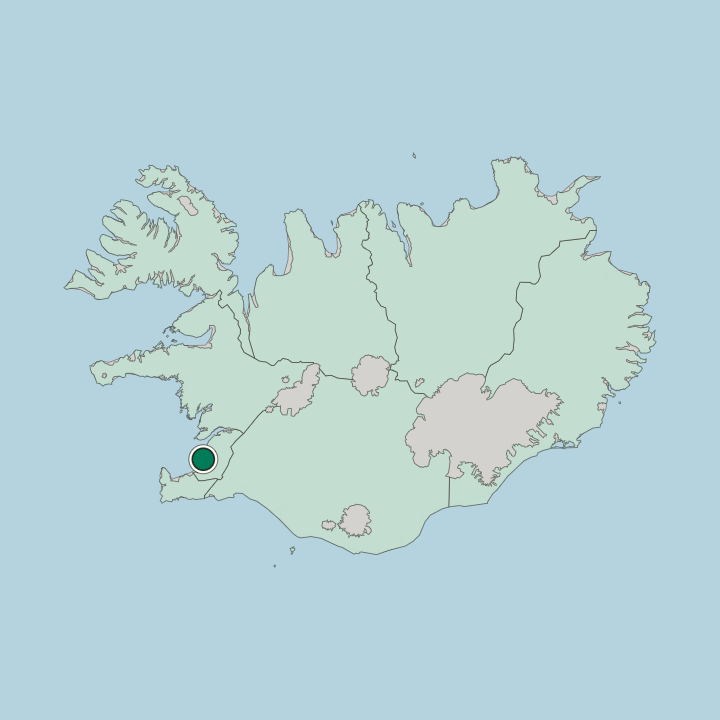
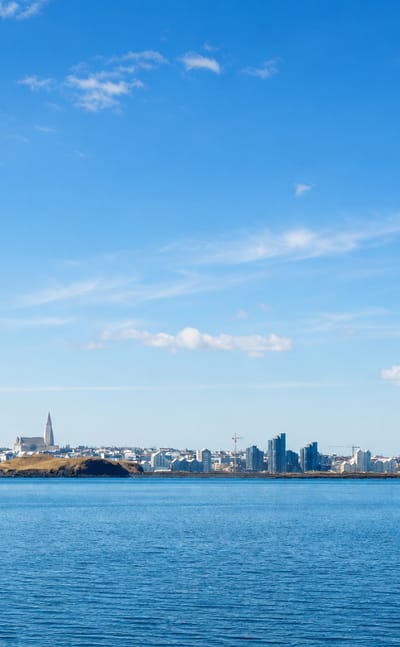
The bay shapes the city. Reykjavík spreads along the southern shore of Faxaflói in south-western Iceland, a low sprawl of peninsulas and inlets where the land runs flat to the water and a small pond, the Tjörnin, sits at the heart of the old centre. The water is never out of reach.
Headlands and islands break the bay to the north, the open Atlantic lies beyond, and the city's reach folds out into the wider Höfuðborgarsvæði around it.
What is the climate of Reykjavík?
The sea keeps it mild. Open to Faxaflói and the North Atlantic, Reykjavík runs cool and damp rather than bitterly cold, with windy grey winters that rarely freeze hard, short cloudy summers, and rain or sleet spread thin across the whole year. The light swings hard.
As the northernmost capital, the city moves between near-endless summer daylight and dark winters when the sun barely clears the bay.
How do you get to Reykjavík?
Most arrive by air. Iceland's international gateway sits on the Reykjanes peninsula a short drive south-west of Reykjavík, and a steady run of buses links the runway to the centre across the lava fields along the Faxaflói shore. The ring road starts here too.
The route that circles Iceland threads out of the capital and across the wider Höfuðborgarsvæði, and a smaller city airport handles the domestic flights that reach the fjords and the north.
Common questions
What is the best area to stay in Reykjavík?
Church-side centre: walkers who want galleries and bars steps from the door. Old harbour edge: travellers who want the boats and the cruise quay at the water. Tjörnin and the pond quarter: a quiet stay beside parkland and the National Gallery. Eastern districts: a calm base with a fast road out of the city.
Good for
More cities in Höfuðborgarsvæði
Updated October 2026