Iceland
Suðurnes, Iceland — Towns & Travel Guide
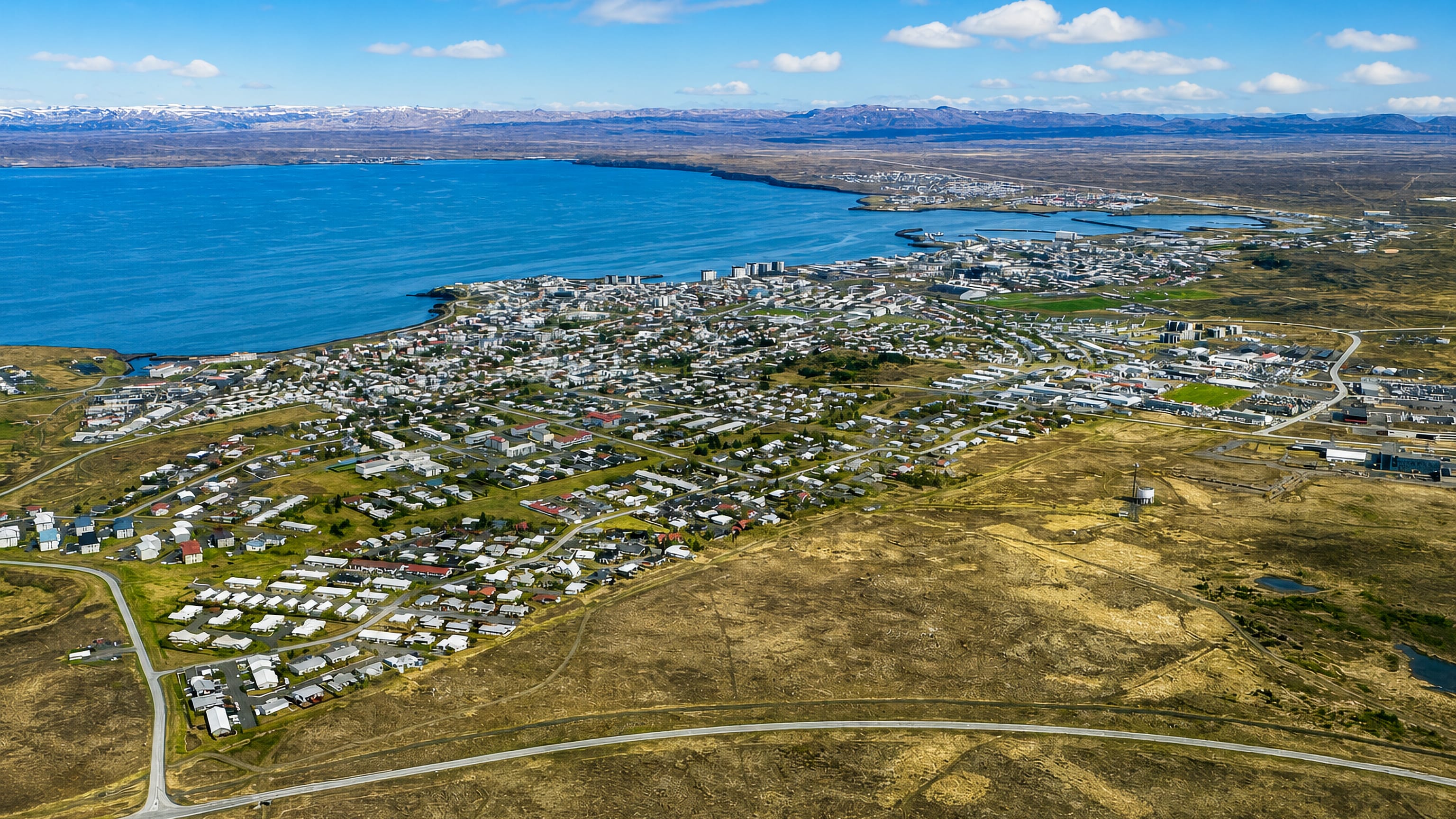
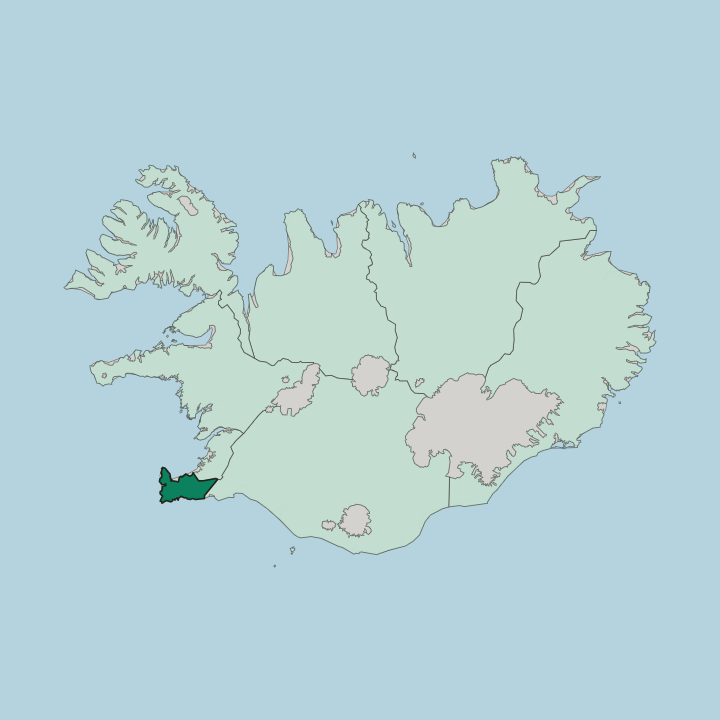
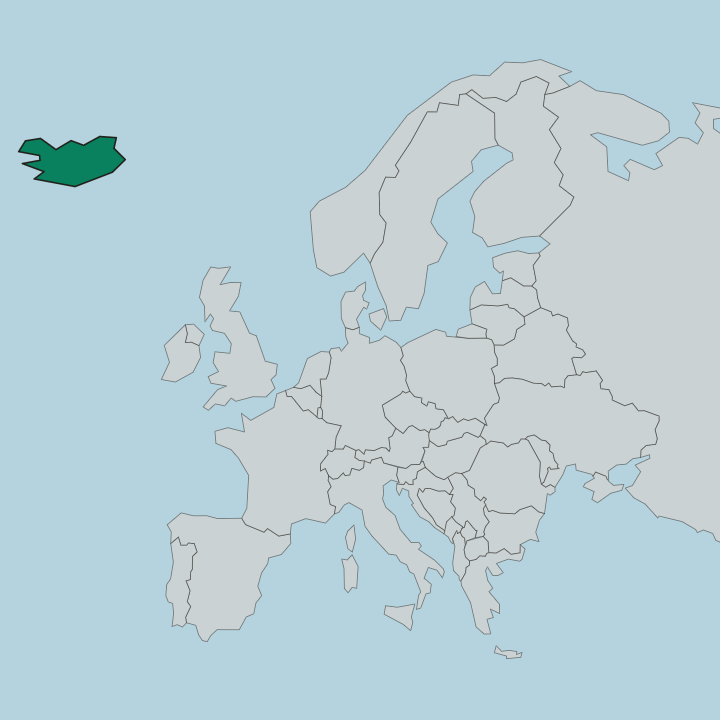
Suðurnes is the lava-and-coast region on the Reykjanes peninsula of south-western Iceland.
Hotel links are affiliate links: booking through them may earn us a commission, at no extra cost to you. It never affects how places are ranked. How this works


Towns & cities in Suðurnes
One town here has its own guide — it links to where to stay.
 Iceland
Keflavík
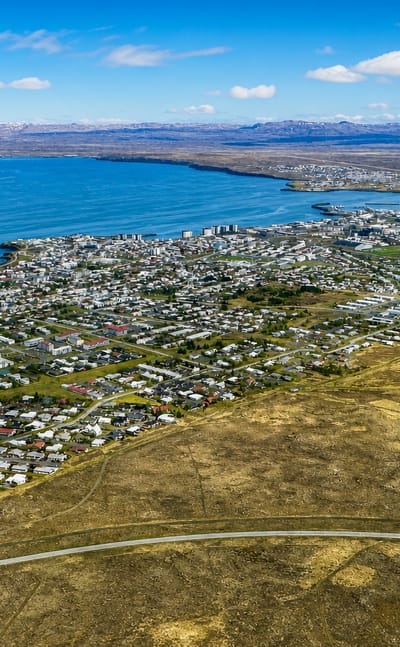
Keflavík is a fishing and airport town on the Reykjanes peninsula in south-western Iceland, the country's main gateway by air.Where to stay →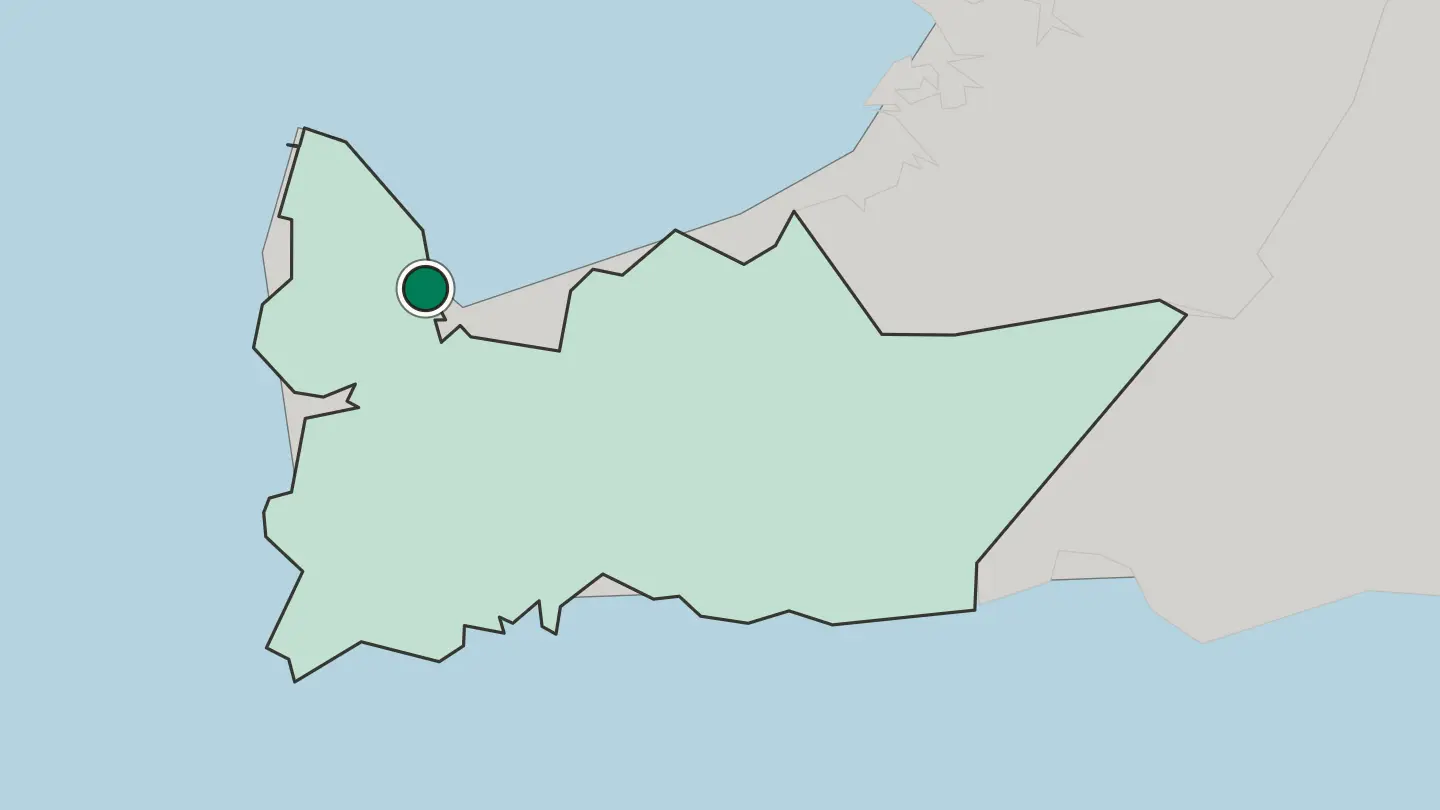
Hotel links are affiliate links: booking through them may earn us a commission, at no extra cost to you. It never affects how places are ranked. How this works
About Suðurnes
Lava and sea air define Suðurnes.
What is Suðurnes known for?
The region spreads across the Reykjanes peninsula, a tongue of young volcanic rock that pushes out into the North Atlantic Ocean at the south-western corner of the country. Most travellers first touch Iceland here, because Keflavík sits on this ground and handles nearly all the country's arriving flights. Open rock runs to the shore.
The land feels raw.
Where is Suðurnes?
Suðurnes occupies the Reykjanes peninsula, a low finger of volcanic rock reaching west from the rest of Iceland into the North Atlantic Ocean. Lava covers nearly everything. The ground is young and porous, built from flows that cooled into dark fields rather than soil, so trees are rare and the horizon stays open and flat across most of the region.
The sea is never far in any direction. Keflavík stands on the northern shore of this peninsula, the one real town on otherwise thin, rocky ground. Around it the land is broken by steam and old craters, the marks of a coast that sits squarely on the boundary between two drifting plates.
Cliffs meet the water on the outer edges. This is the corner of south-western Iceland where the island first rises from the Atlantic, raw and barely covered.
What is Suðurnes like?
Suðurnes reads first as a place of sea, rock, and travel. Fishing built the towns here long before air travel did, and the harbours of the Reykjanes peninsula still tie daily life to the North Atlantic Ocean and the boats that work it. Keflavík grew into the busiest settlement, drawing services, trade, and work toward the air gateway that now carries most arrivals into Iceland.
Icelandic is the everyday language. The region wears an unusual double character: a working coast of fishing families on one side, and a steady churn of travellers passing through on the other, many of whom see Suðurnes only as their first or last few hours on the island. People here live close to the weather and the open lava.
Life keeps a practical, outward-facing rhythm shaped by the harbour and the runway alike.
What is the history of Suðurnes?
Suðurnes began as a fishing coast. The harbours of the Reykjanes peninsula drew settlers to the edge of the North Atlantic Ocean, where the catch was close and the open sea gave a living that the thin lava ground never could. Keflavík grew up around that trade, then changed shape entirely when an airfield was laid down on the flat rock nearby, turning the town into the country's main door.
Sea first, sky second. That order shaped the region.
What is the climate of Suðurnes?
The North Atlantic Ocean rules the weather across Suðurnes. Calm days are the exception. Air coming straight off the water keeps winters milder than the country's interior, but it also drives rain, salt spray, and hard gusts across the open lava of the Reykjanes peninsula, where almost nothing stands to break the flow.
Skies shift within the hour, and bright spells trade fast with squalls rolling in off the sea.
How do you get to Suðurnes?
Almost everyone reaches Suðurnes by air. Keflavík holds the airfield that takes nearly every international flight into Iceland, so most visitors set foot on the Reykjanes peninsula before anywhere else on the island. A road runs east from here toward the capital area, and a car makes the lava coast far easier to explore than waiting on sparse buses.
Distances are short but the ground is exposed and windswept.
Common questions
What is the best area to stay in Suðurnes?
Keflavík and the air gateway: Early or late flights, with the deepest run of rooms and fuel in Keflavík. The lava coast of the Reykjanes peninsula: Waking up beside the open North Atlantic Ocean and the lava fields of the Reykjanes peninsula.
Good for
More regions in Iceland
Updated September 2026