Iceland: Regions, Cities & Travel Guide
Iceland is a Nordic island country in the North Atlantic, a land of glaciers, volcanoes and waterfalls ringed by the sea.
Hotel links are affiliate links: booking through them may earn us a commission, at no extra cost to you. It never affects how places are ranked. How this works


Top destinations in Iceland
Cities to start from, then drill into areas and hotels.
 Iceland
Reykjavík
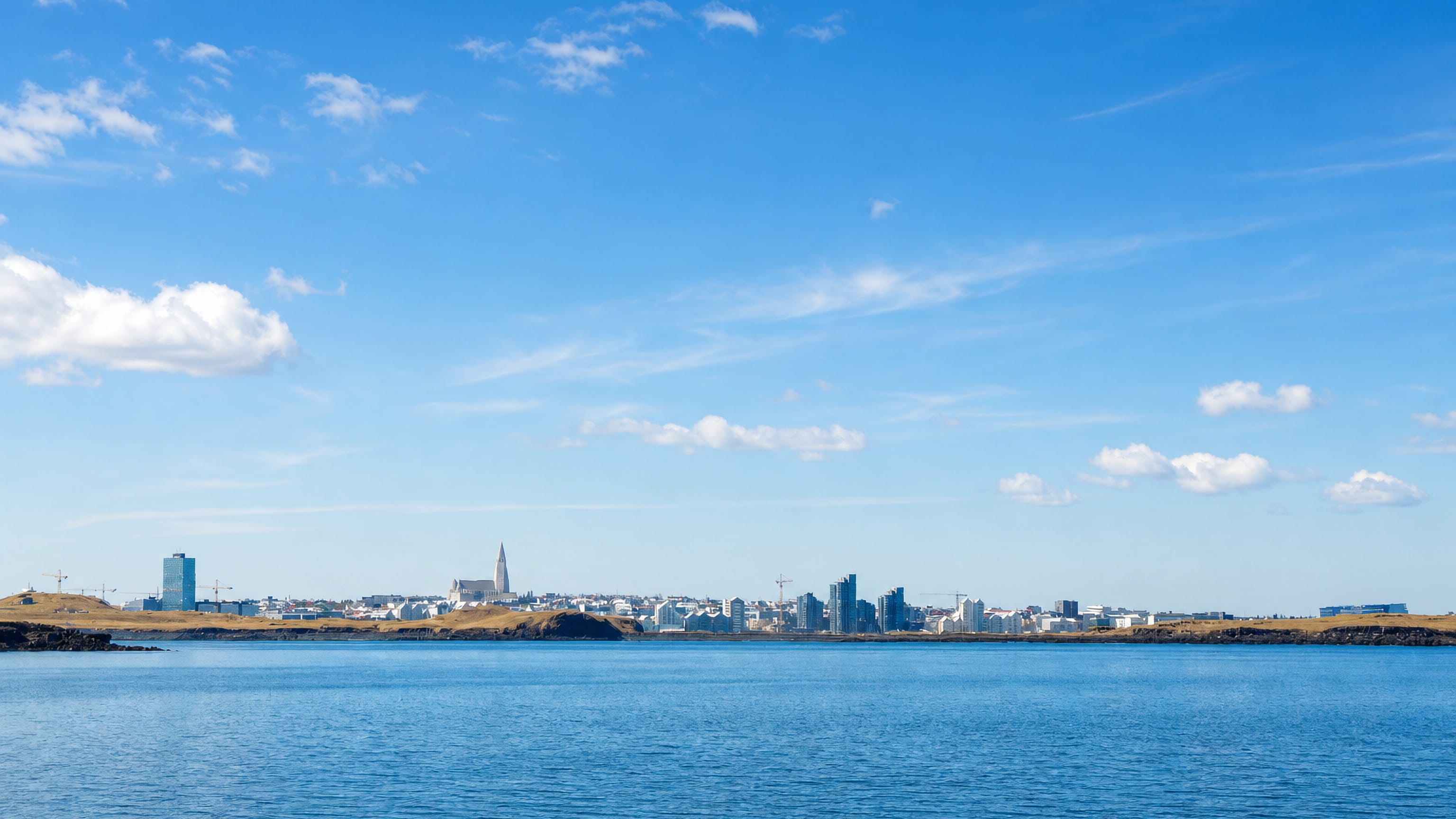
Reykjavík is the capital of Iceland, the world's northernmost capital, set on the Faxaflói bay shore.Where to stay →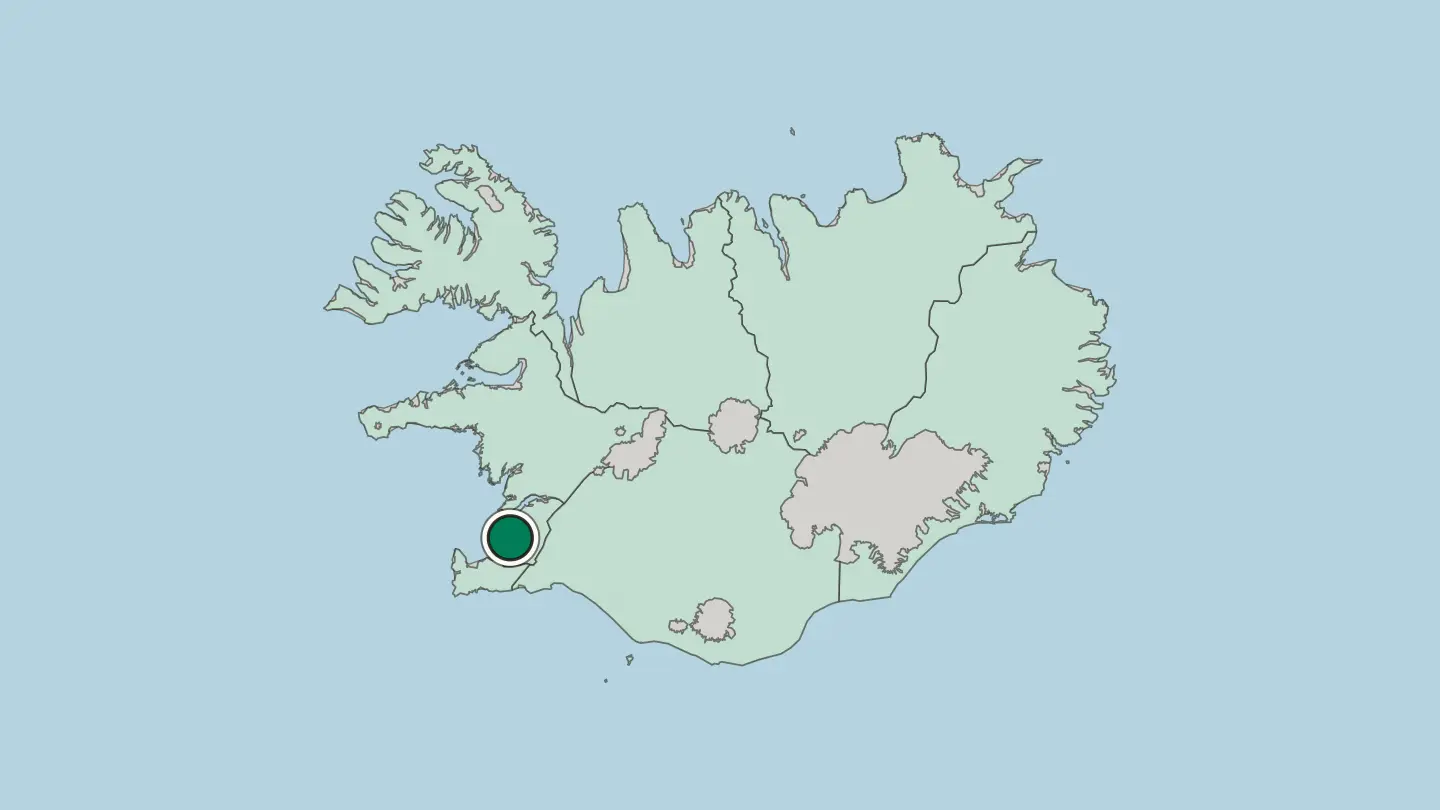
 Iceland
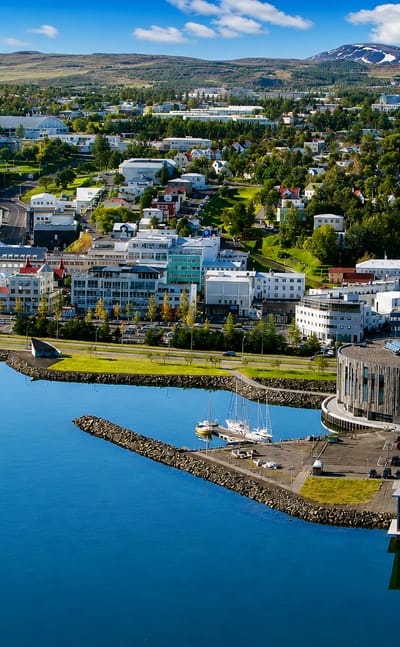
Akureyri
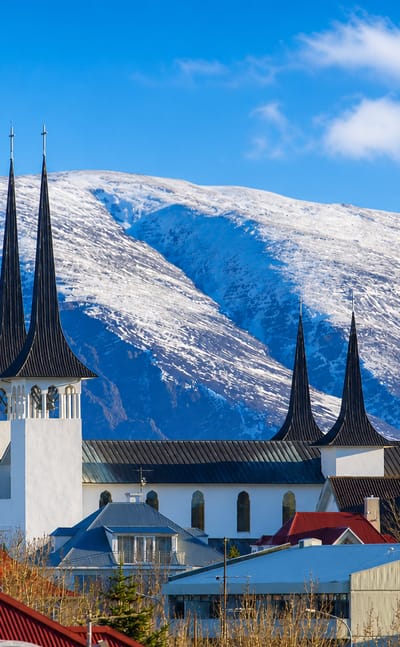
Akureyri is the main town of northern Iceland, set at the head of the long Eyjafjörður fjord.Where to stay →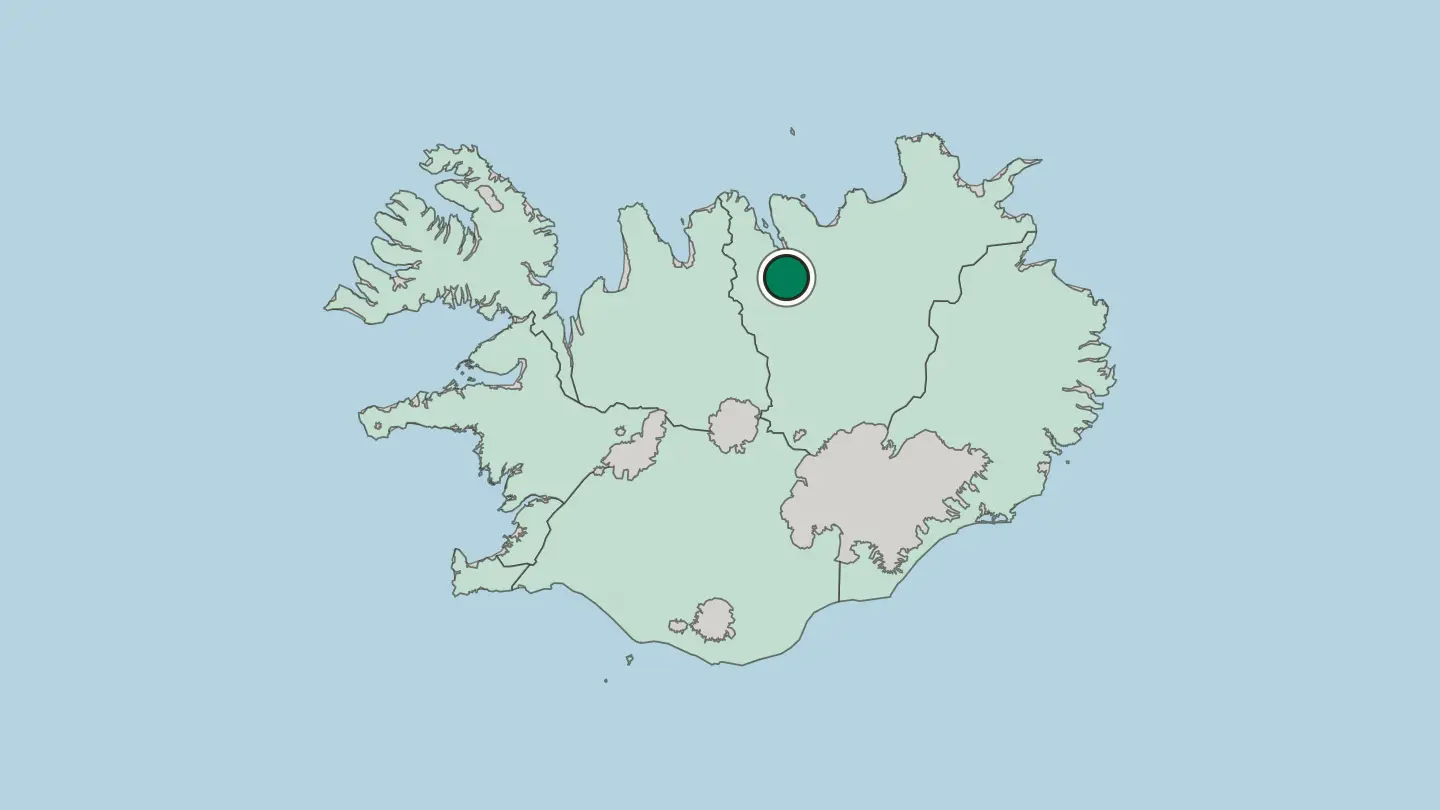
 Iceland
Kópavogur
Kópavogur is Iceland's second-largest municipality, spread across bays and low ridges just south of Reykjavík on Faxaflói.Where to stay →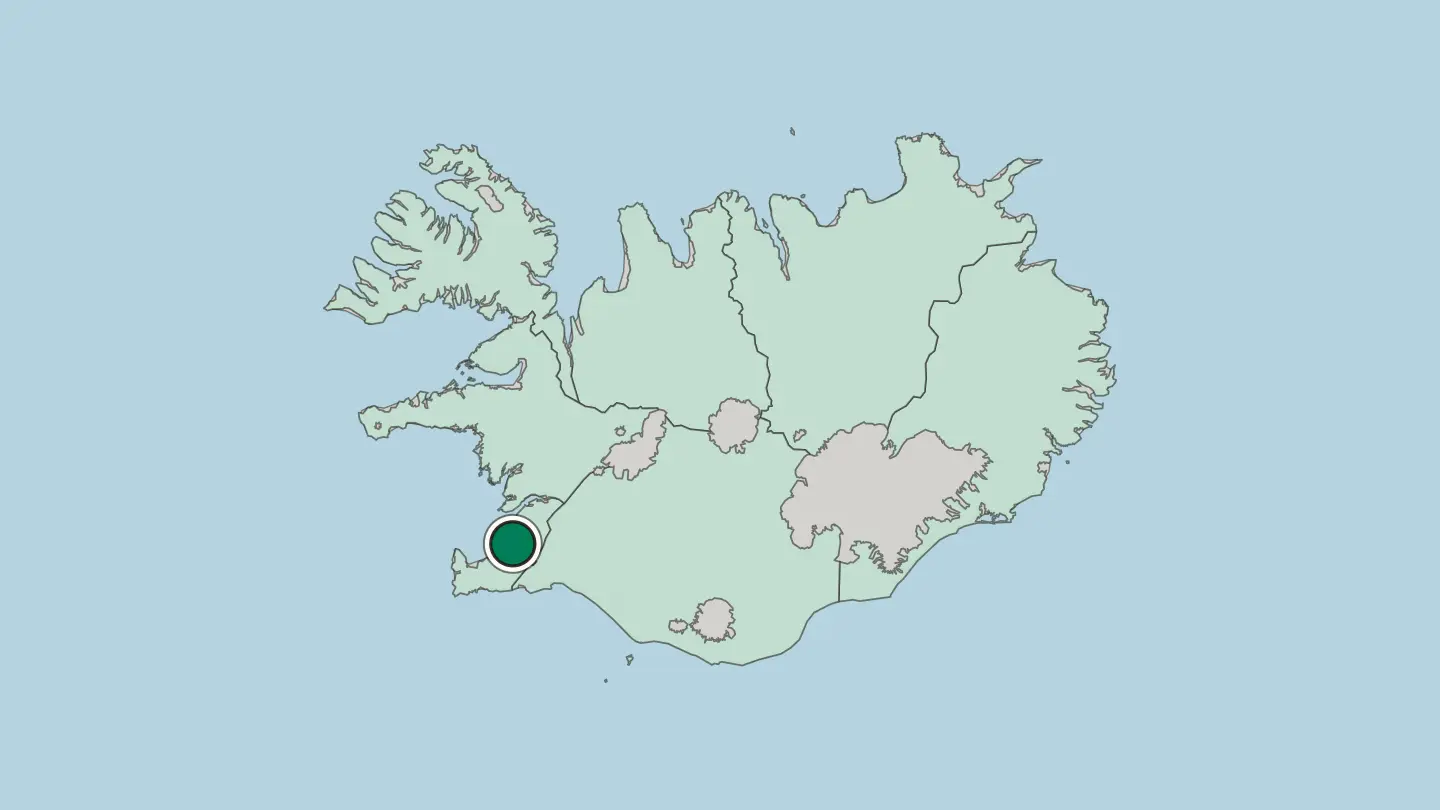
 Iceland
Keflavík
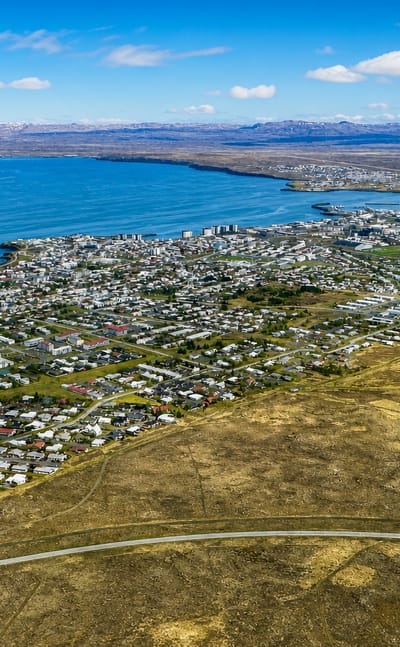
Keflavík is a fishing and airport town on the Reykjanes peninsula in south-western Iceland, the country's main gateway by air.Where to stay →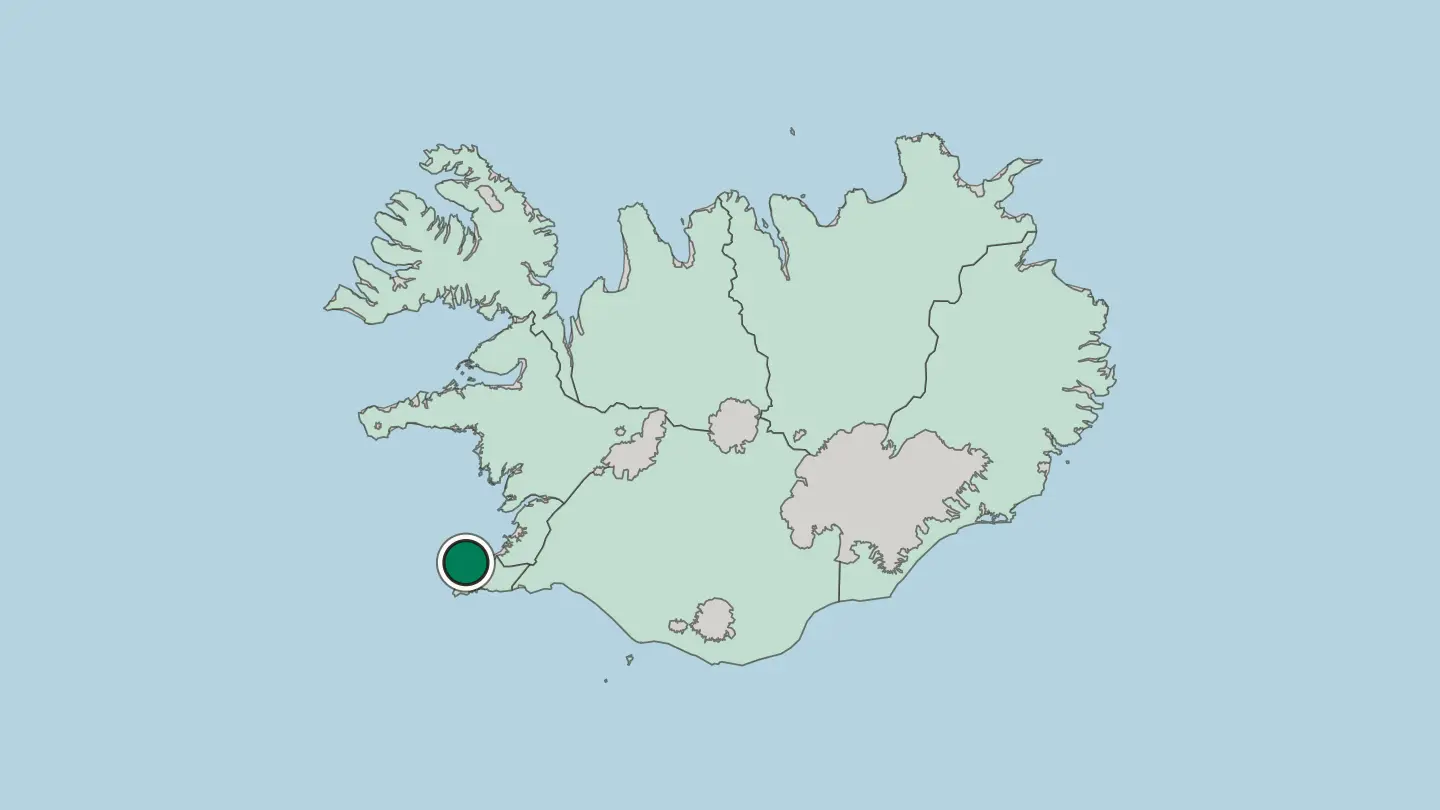
 Iceland
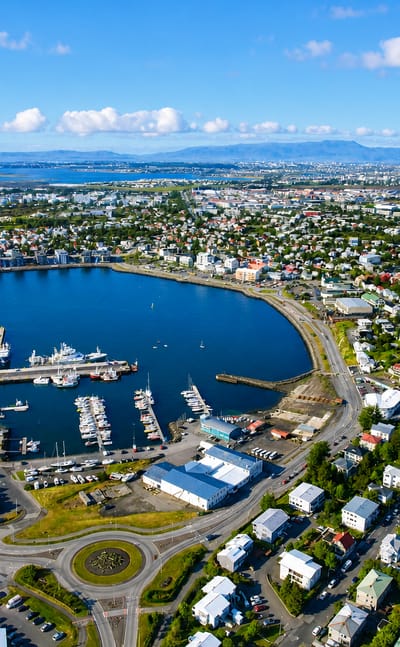
Hafnarfjörður
Hafnarfjörður is a harbour town on a lava shore in south-western Iceland, the southern municipality of the Höfuðborgarsvæði region.Where to stay →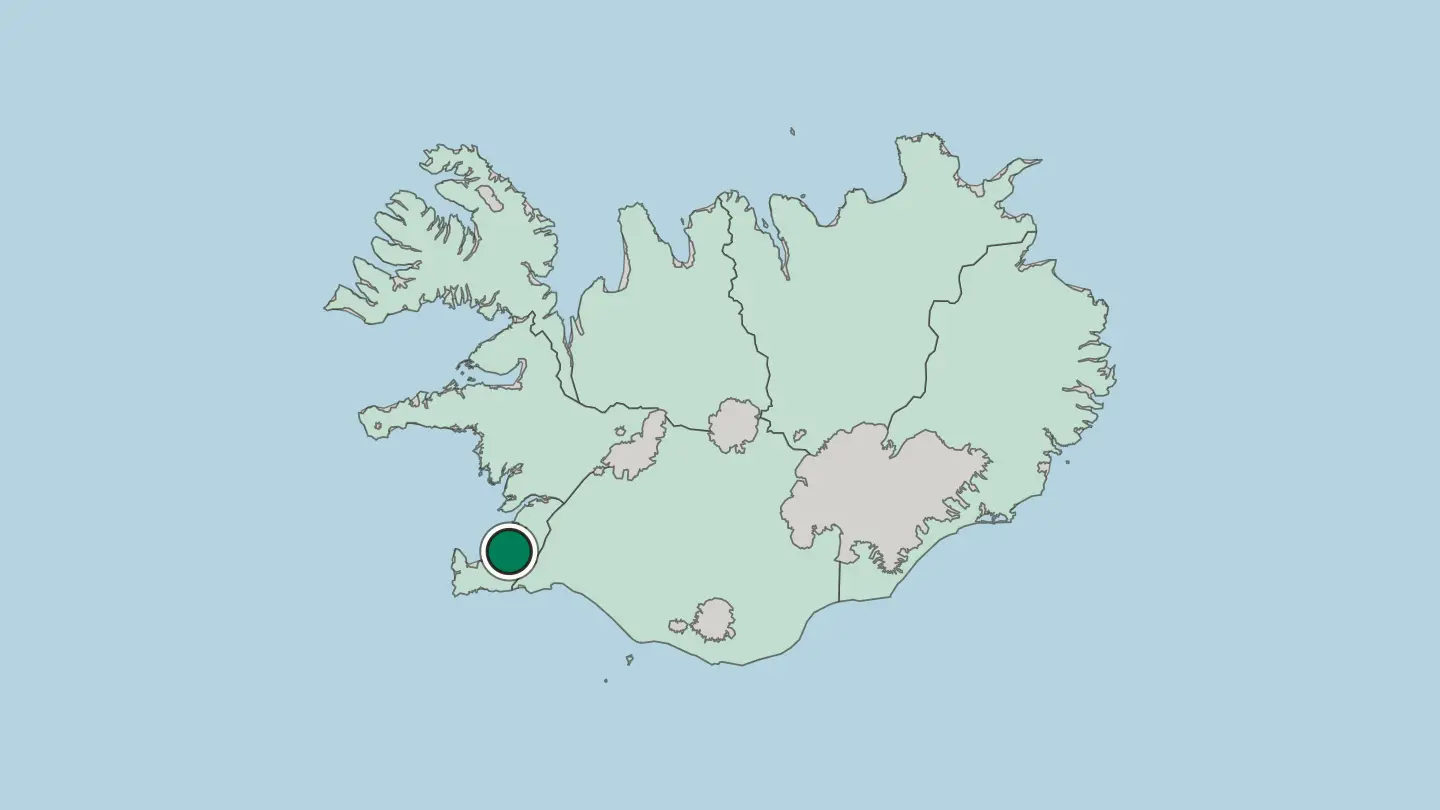
 Iceland
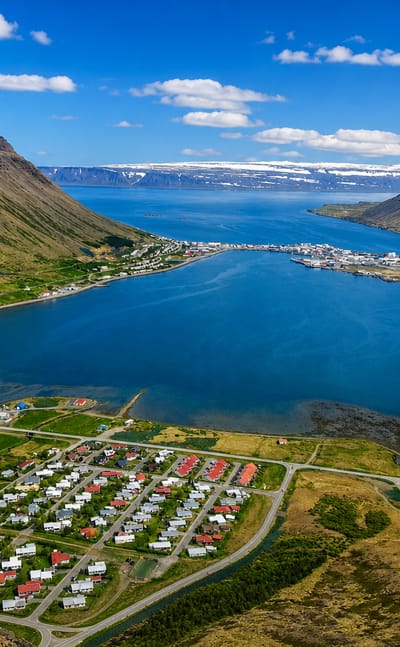
Ísafjörður
Ísafjörður is the main town of the Westfjords of north-western Iceland, the seat of the Ísafjarðarbær municipality.Where to stay →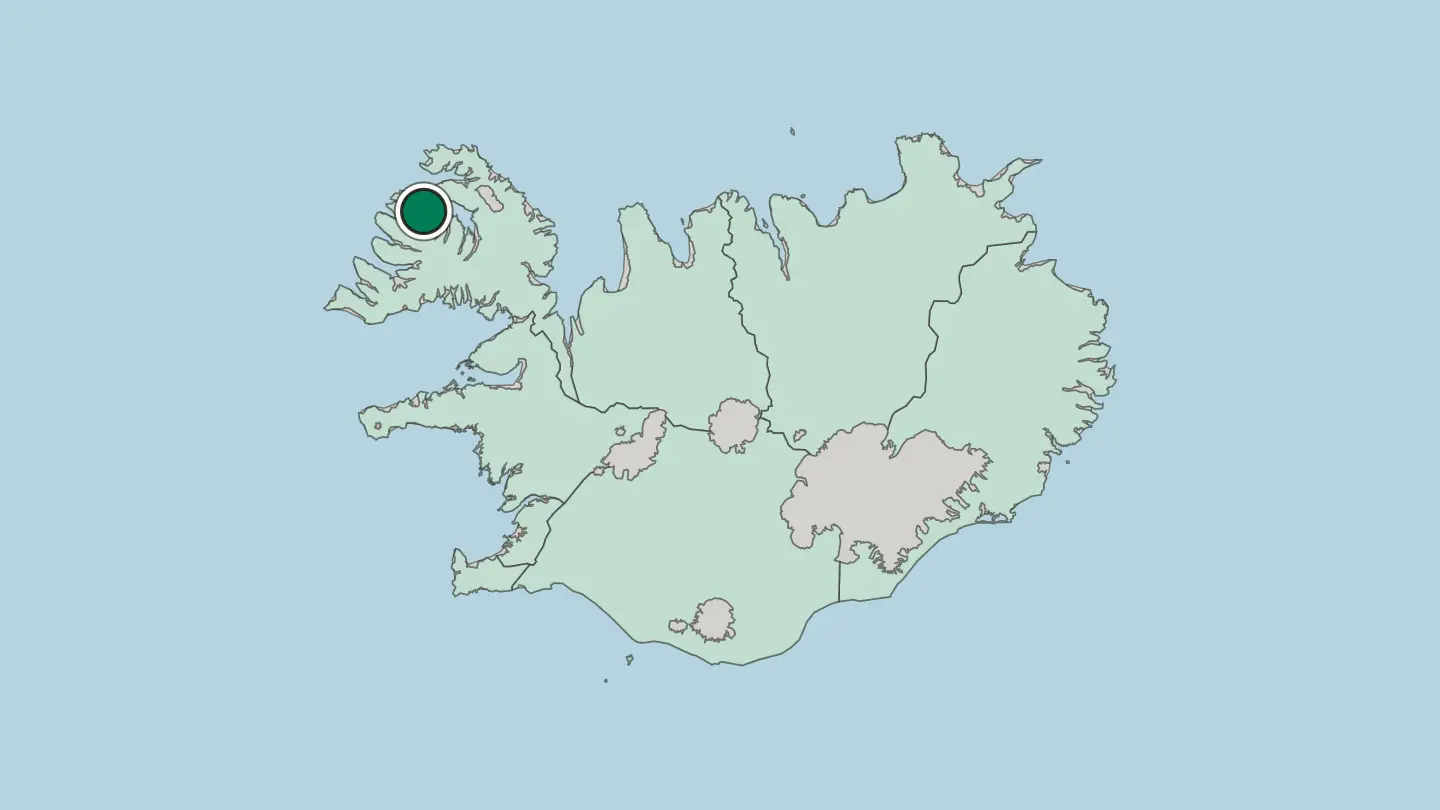
 Iceland
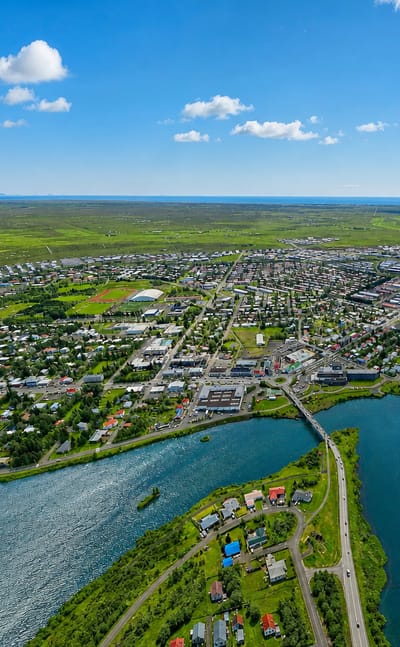
Selfoss
Selfoss is the largest town in southern Iceland, set on the Ölfusá river in Suðurland east of Reykjavík.Where to stay →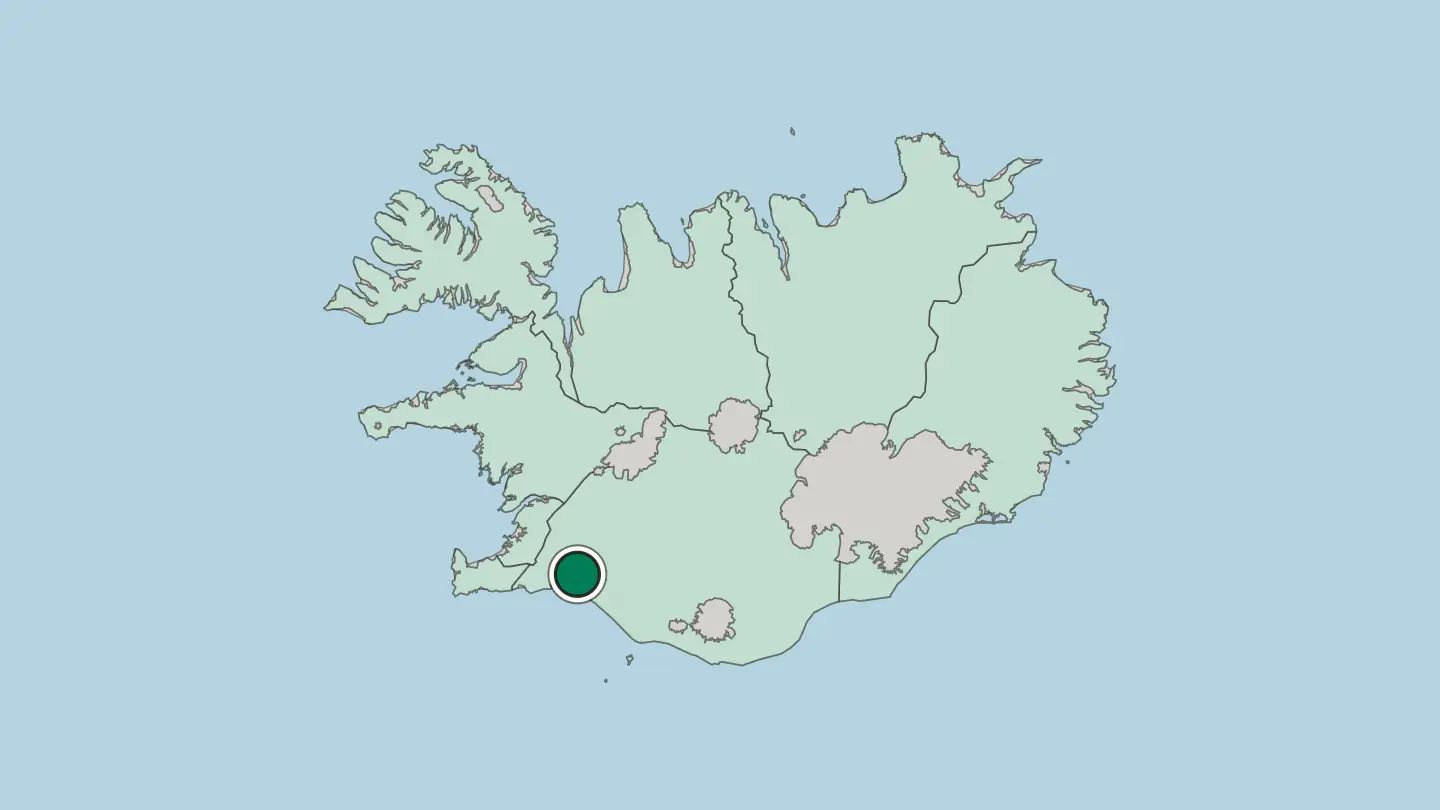
 Iceland
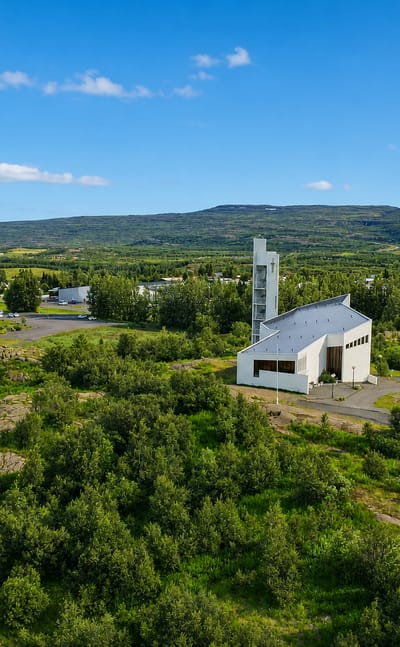
Egilsstaðir
Egilsstaðir is the main town of eastern Iceland, set on the banks of the Lagarfljót river in Austurland.Where to stay →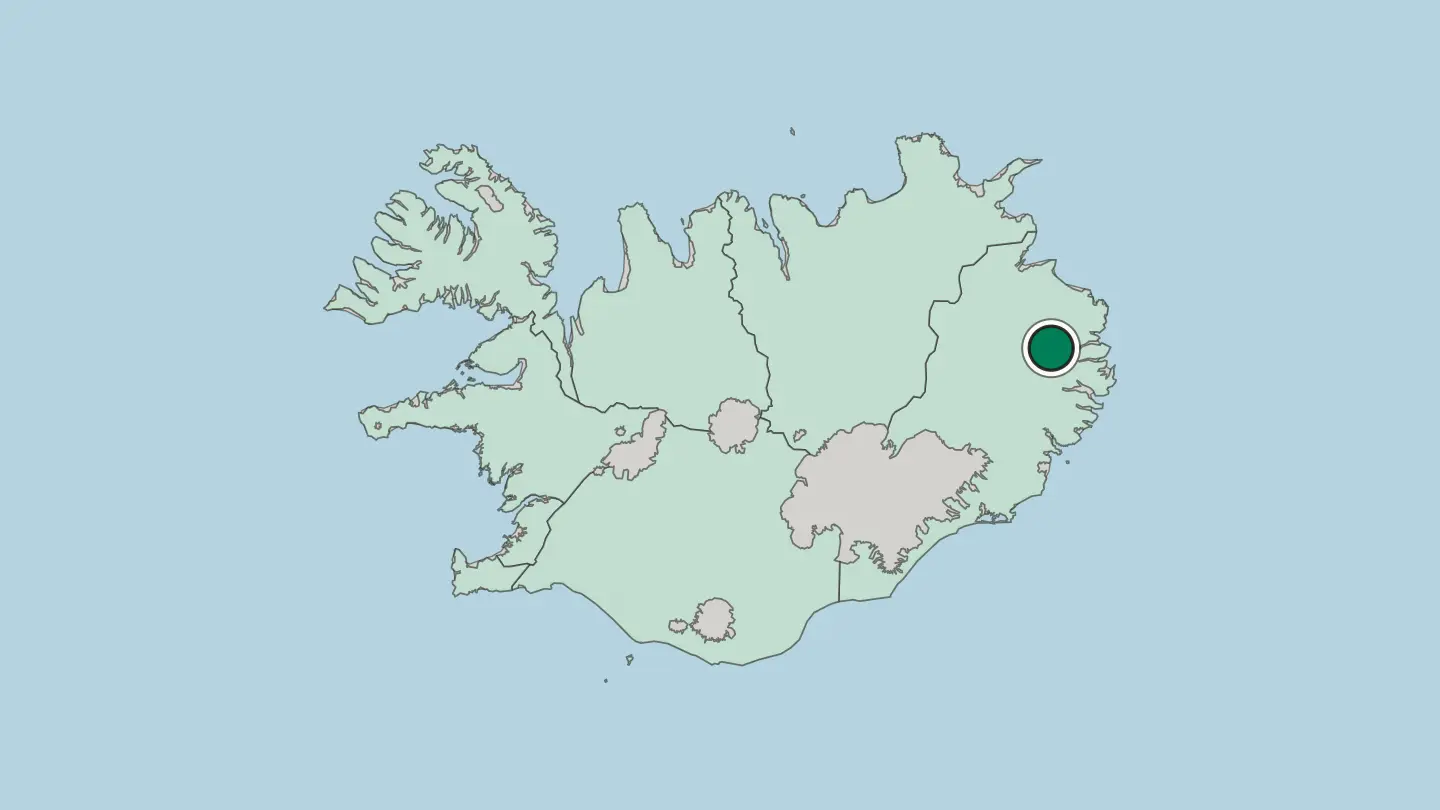
 Iceland
Akranes
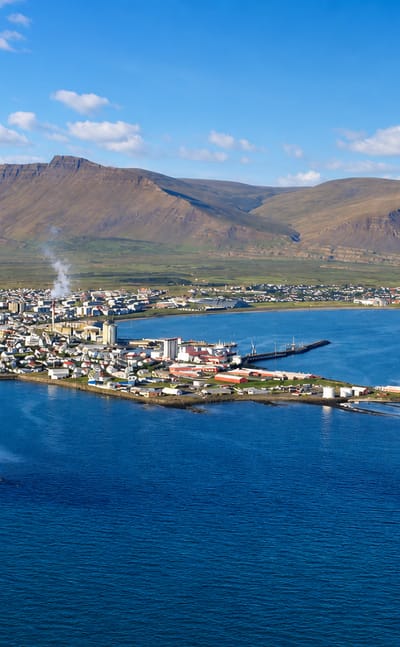
Akranes is a port town in western Iceland, on a peninsula across the bay north of Reykjavík.Where to stay →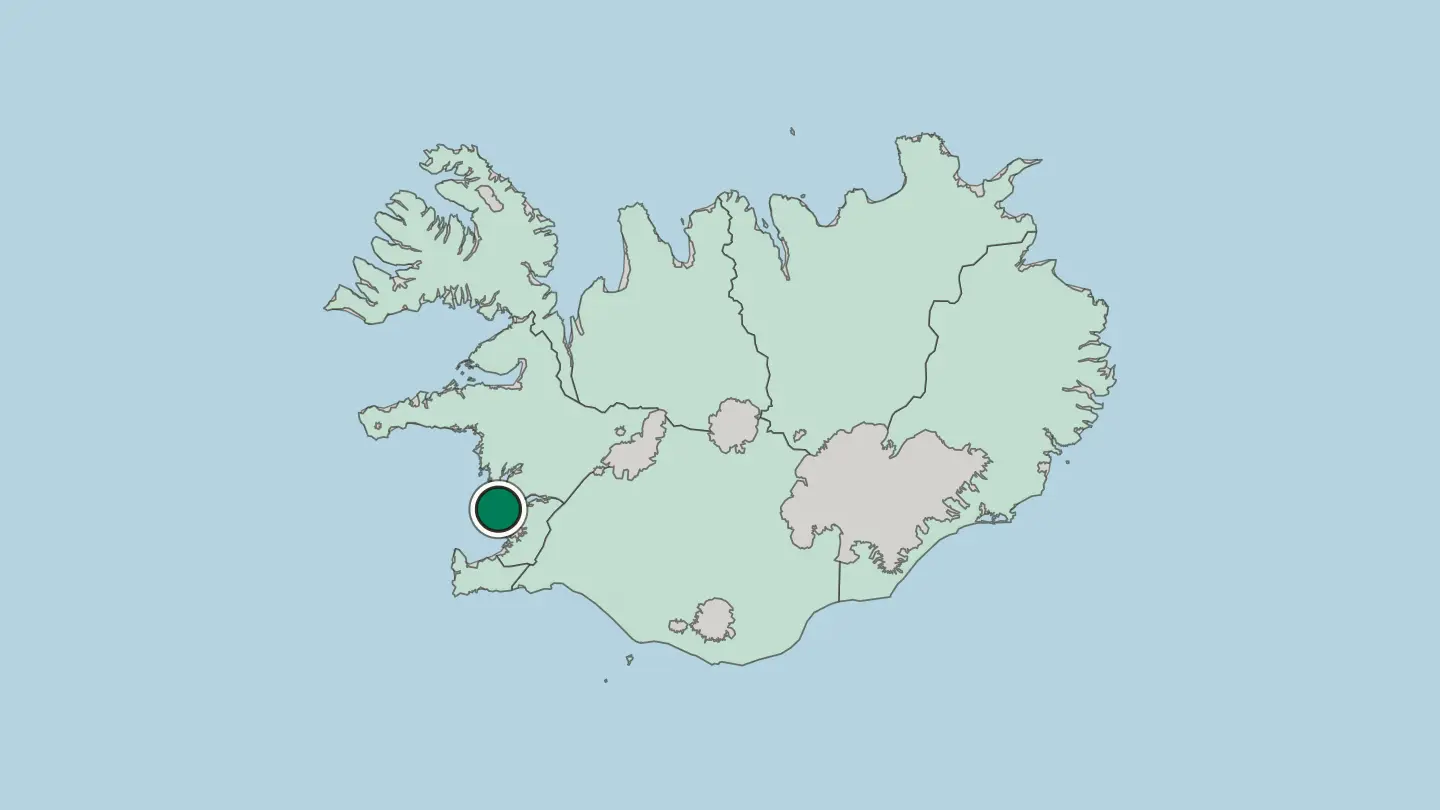
Hotel links are affiliate links: booking through them may earn us a commission, at no extra cost to you. It never affects how places are ranked. How this works
Regions of Iceland
Iceland
Austurland
Austurland is Iceland's eastern region, a jagged run of the Eastfjords reaching inland to Egilsstaðir and the Lagarfljót.Towns & cities →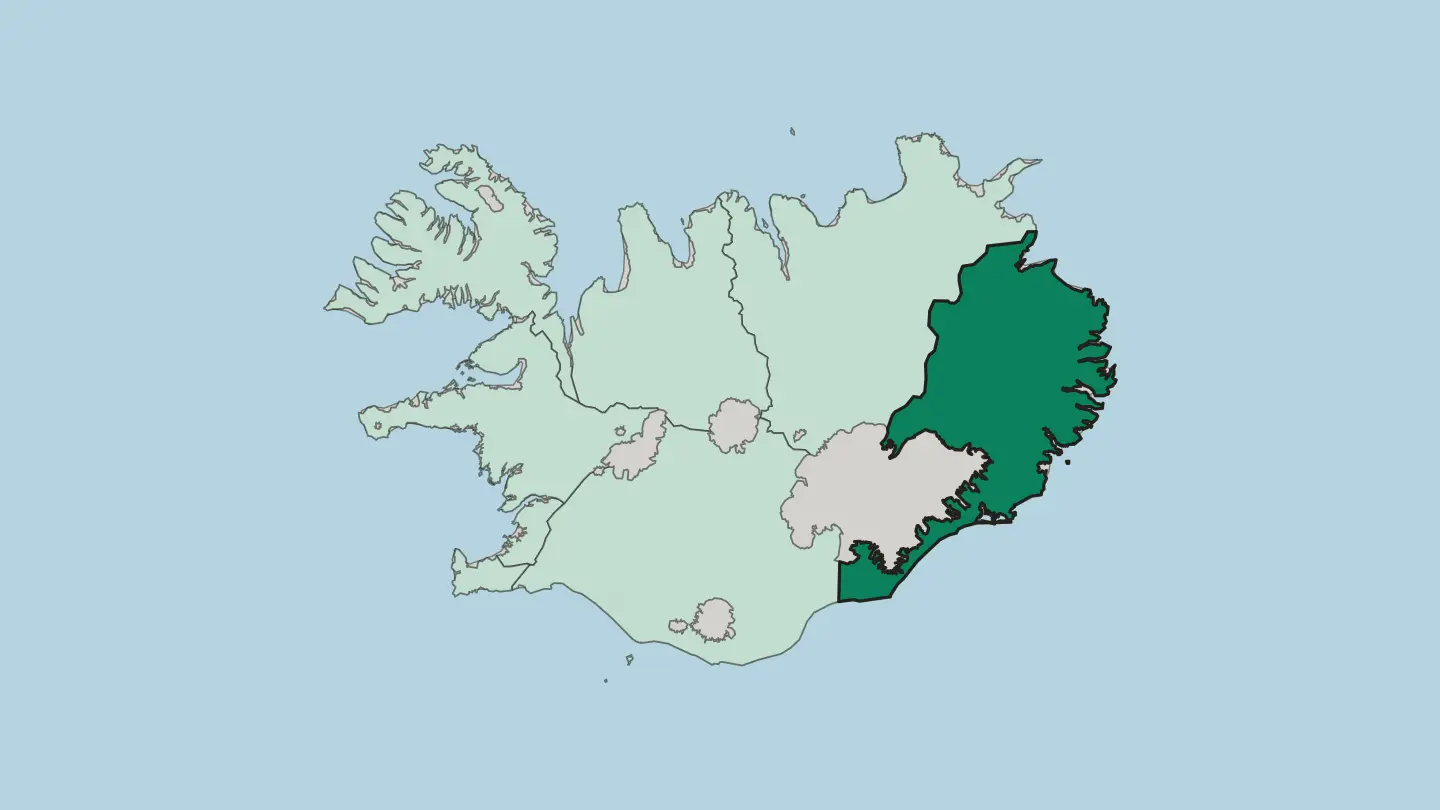 Iceland
Höfuðborgarsvæði
Höfuðborgarsvæði is the capital region of south-western Iceland, gathering Reykjavík, Kópavogur and Hafnarfjörður around Faxaflói bay.Towns & cities →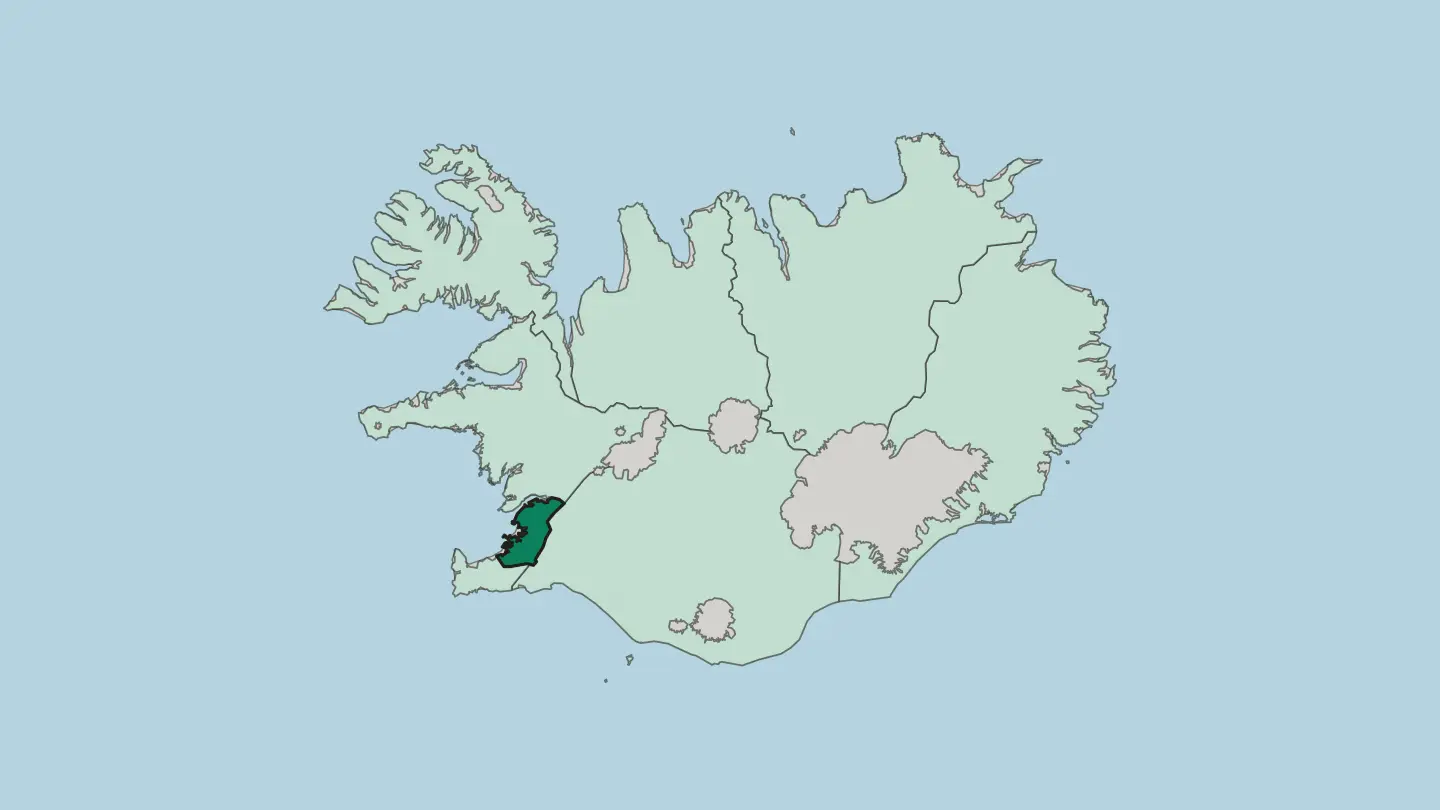 Iceland
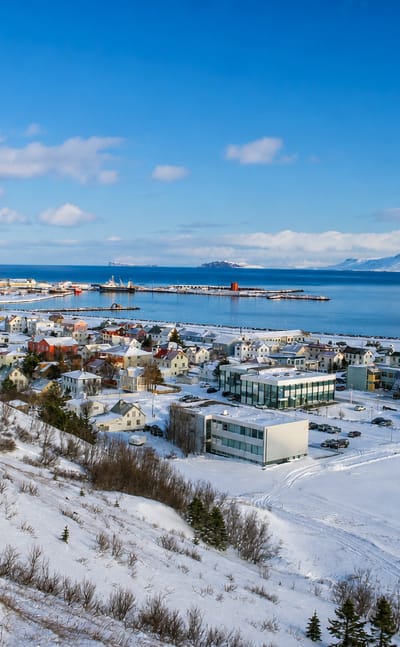
Norðurland Eystra
Norðurland Eystra wraps the head of Eyjafjörður in northern Iceland, with the town of Akureyri as its hub.Towns & cities →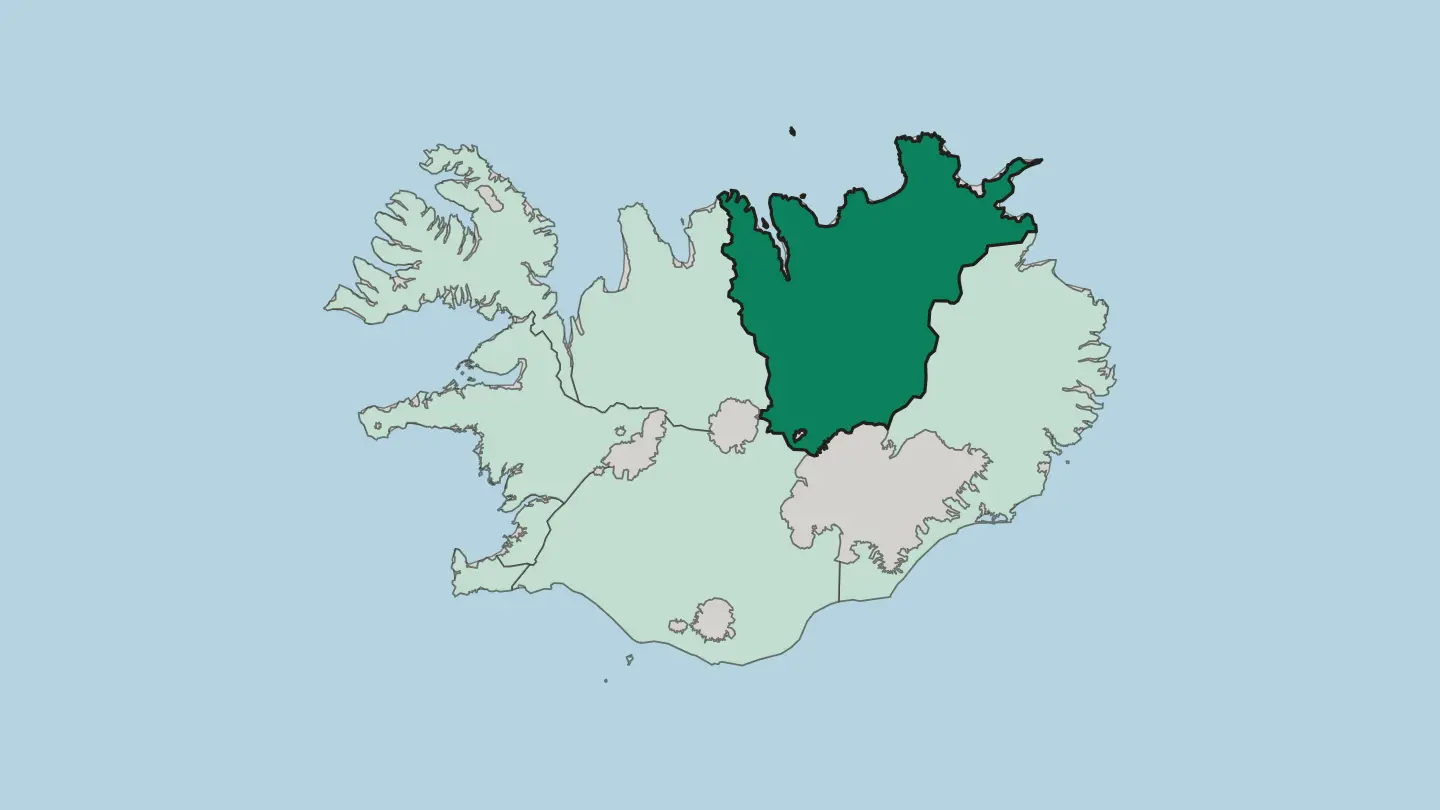
 Iceland
Norðurland Vestra
Norðurland Vestra is a region of north-western Iceland, fjord country fronting the Greenland Sea.Towns & cities →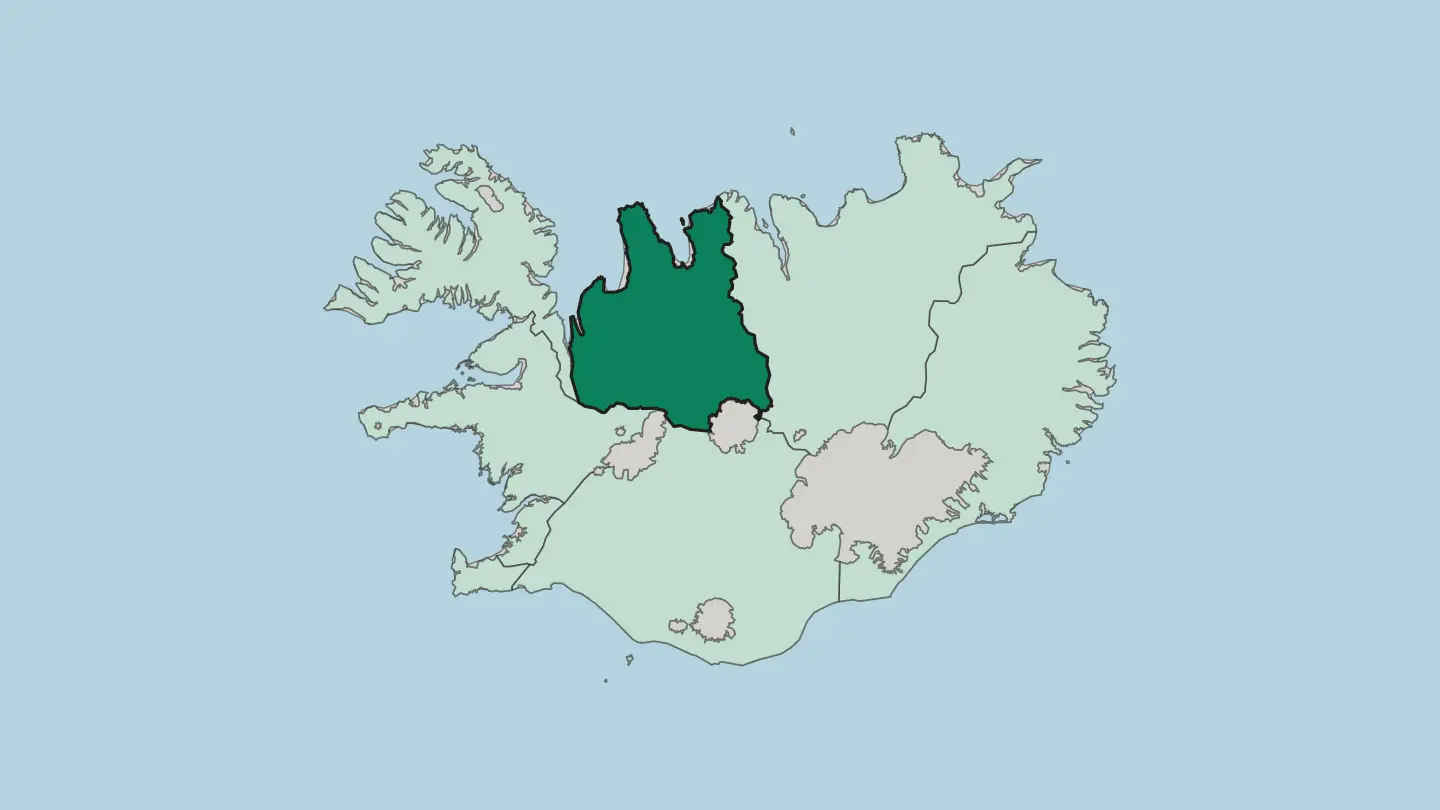 Iceland
Suðurland
Suðurland is the waterfall-and-glacier region of southern Iceland, fronting the North Atlantic Ocean.Towns & cities →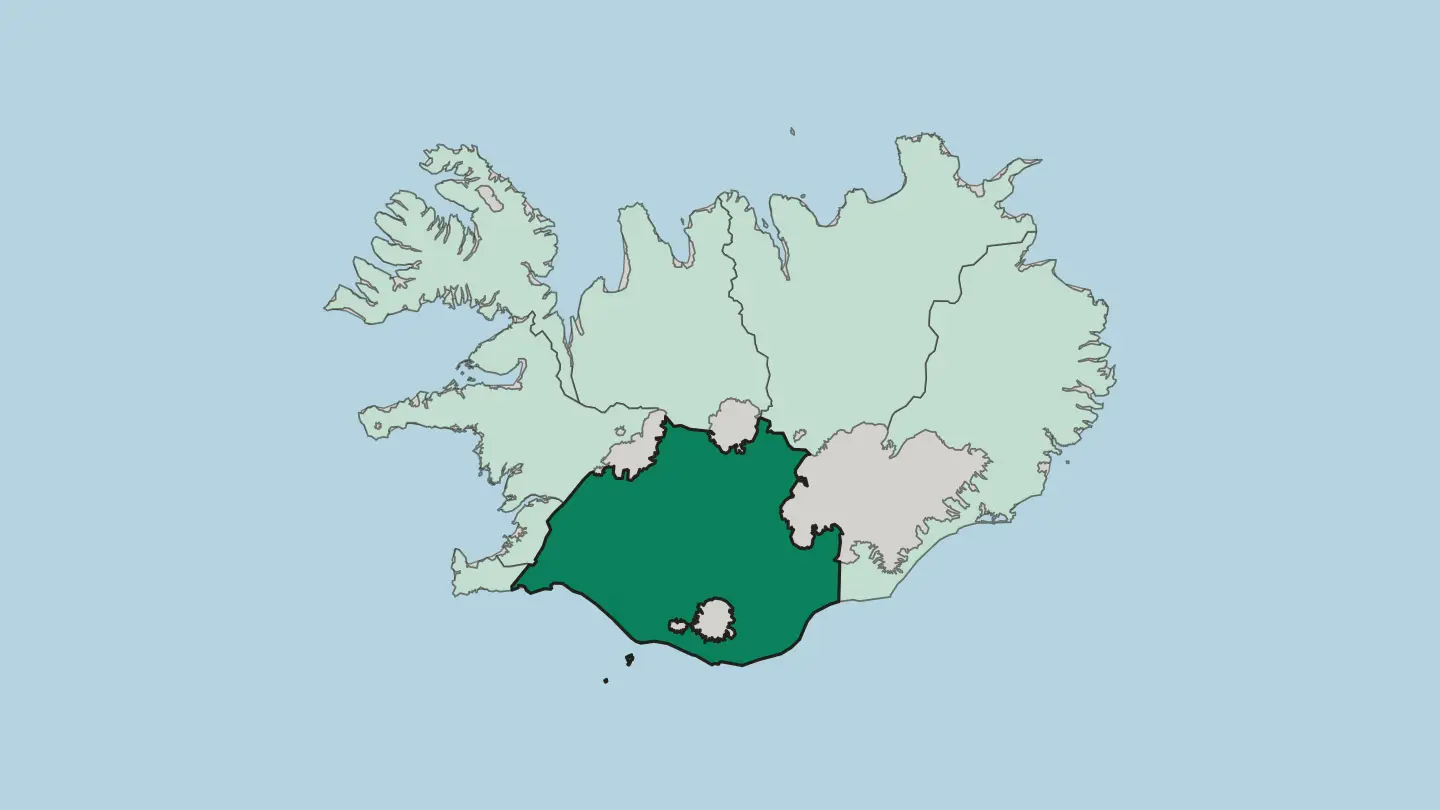 Iceland
Suðurnes
Suðurnes is the lava-and-coast region on the Reykjanes peninsula of south-western Iceland.Towns & cities →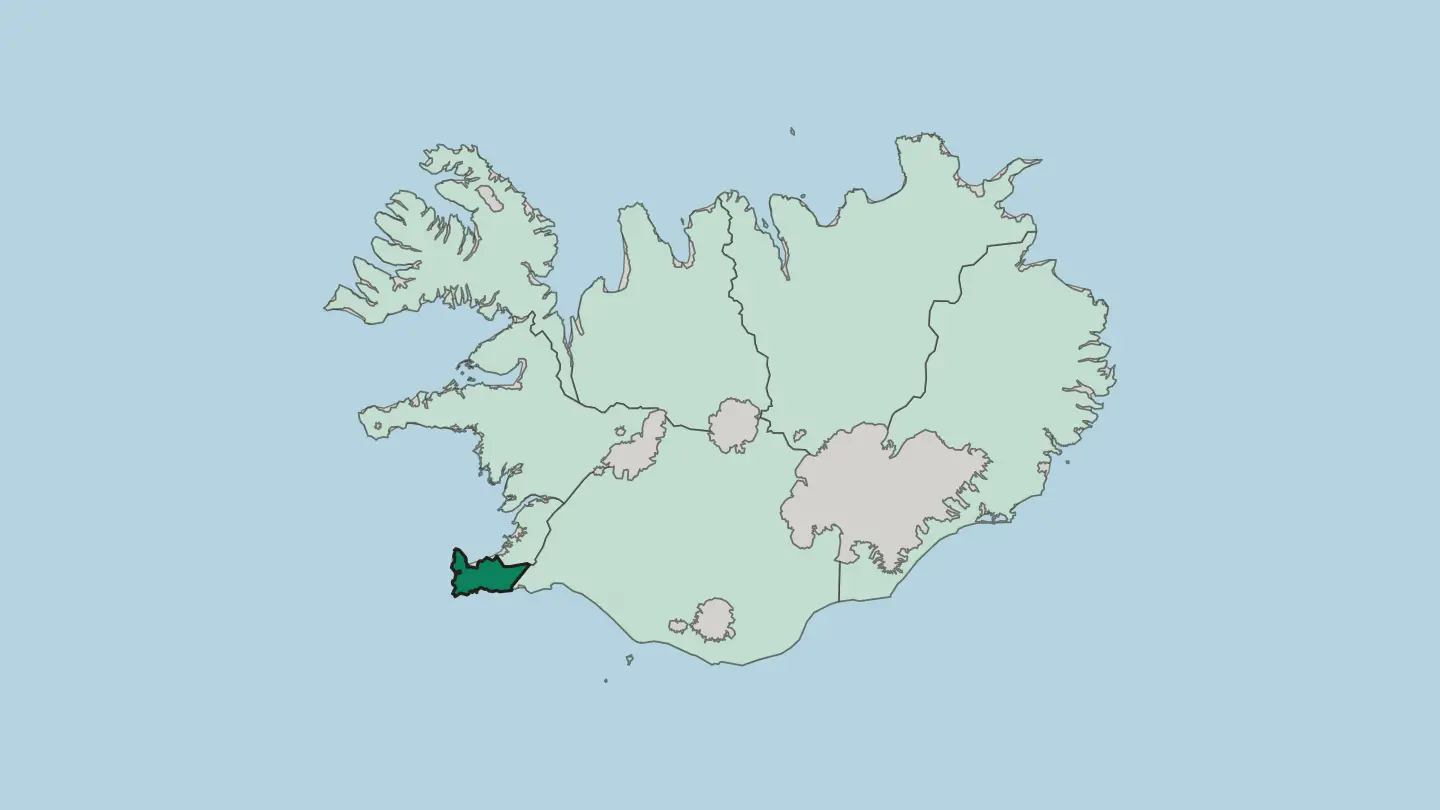 Iceland
Vestfirðir
Vestfirðir is the Westfjords of north-western Iceland, a clawed peninsula of deep fjords reaching toward Greenland past Ísafjörður.Towns & cities →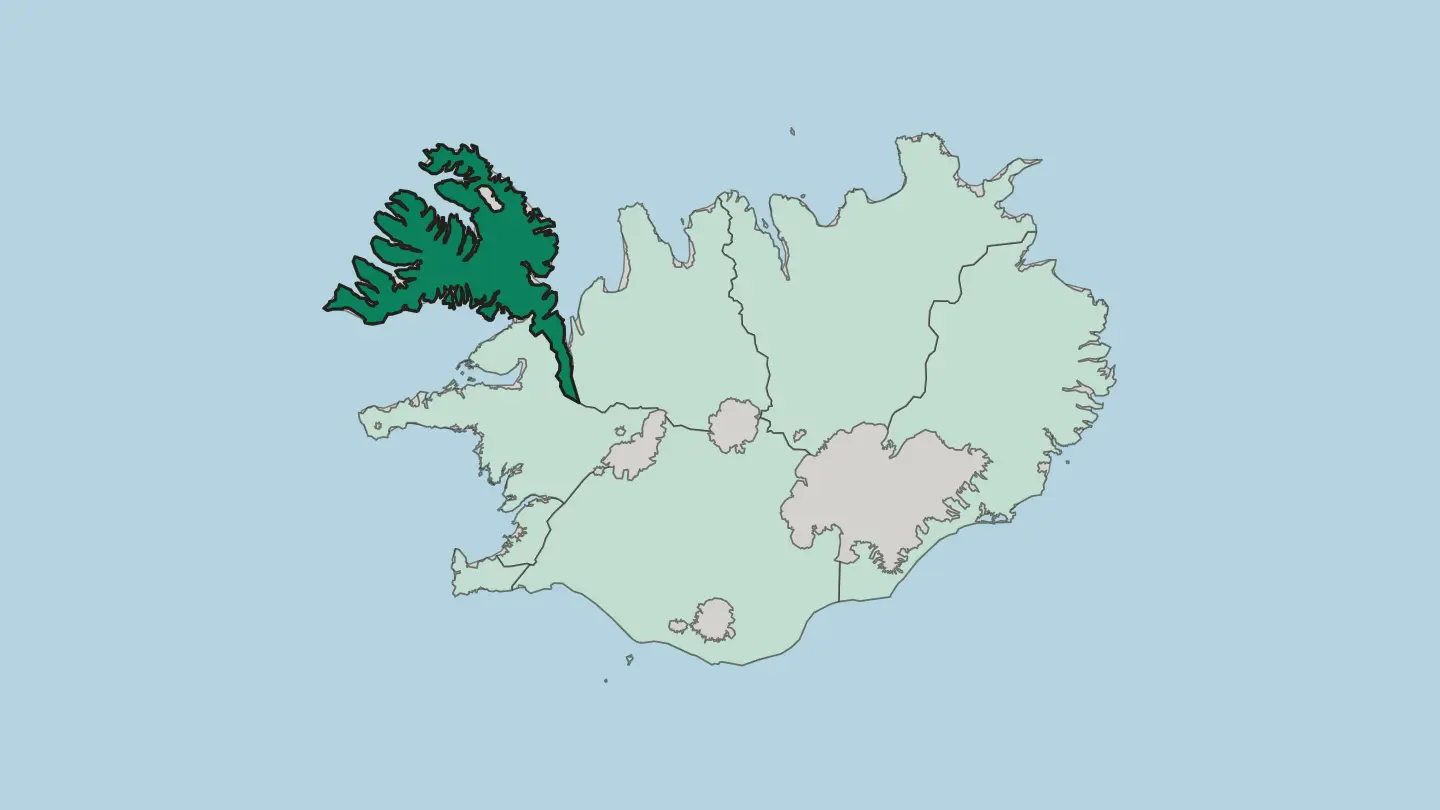 Iceland
Vesturland
Vesturland is the region of western Iceland, running from Hvalfjörður out along Borgarfjörður to the Snæfellsnes peninsula and Snæfellsjökull.Towns & cities →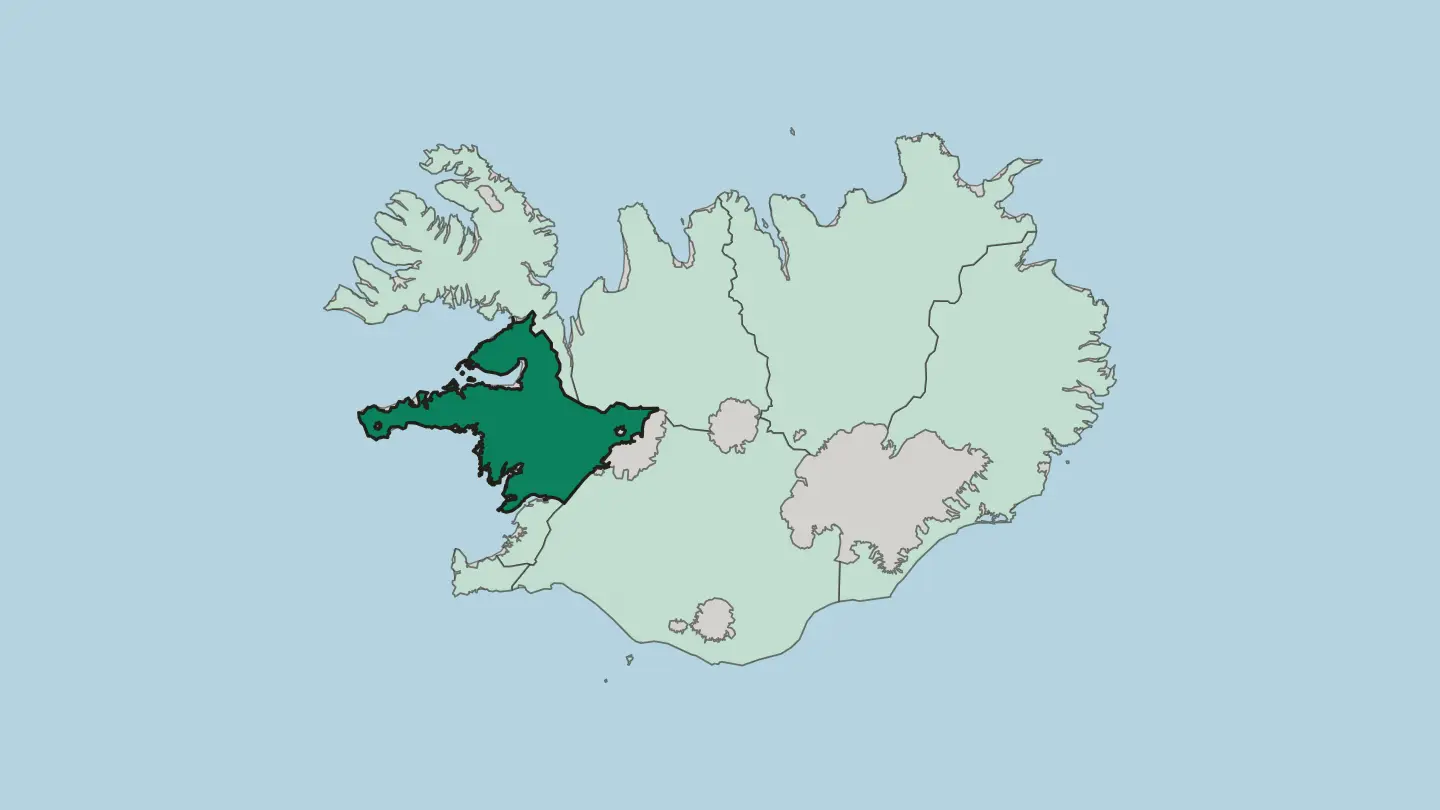
Explore by experience
Not sure which place? Start from how you want to travel.
About Iceland
Fire and ice define it.
What is Iceland known for?
Iceland sits on the Mid-Atlantic Ridge, the rift where two tectonic plates pull apart, and the country is known for geysers, frequent volcanic eruptions, ice-capped peaks and the geothermal hot springs that draw travellers north. The capital gathers most of the life. Reykjavík holds the bulk of the people, the harbours and the flights, while Akureyri anchors the north and the long ring road threads the rest of the island past lava fields, glacial rivers and the open Atlantic shore.
Where is Iceland?
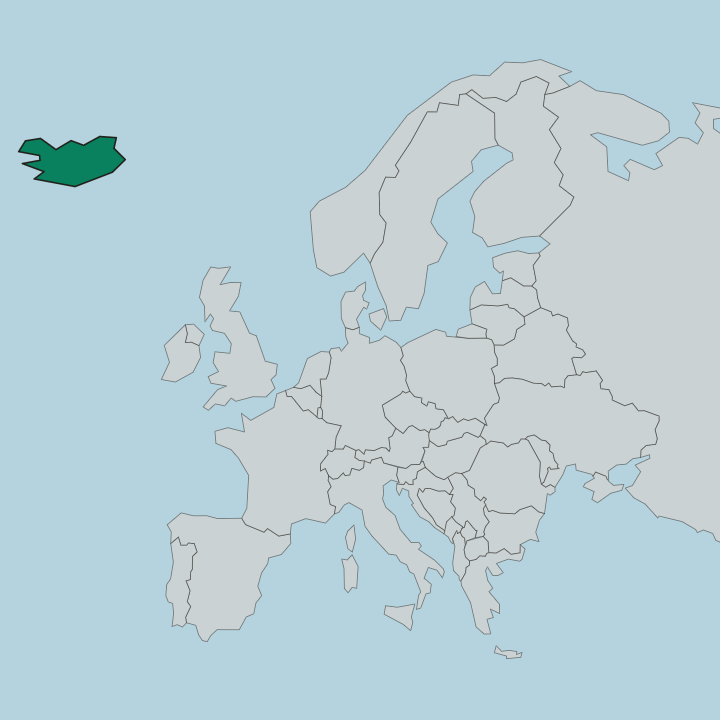
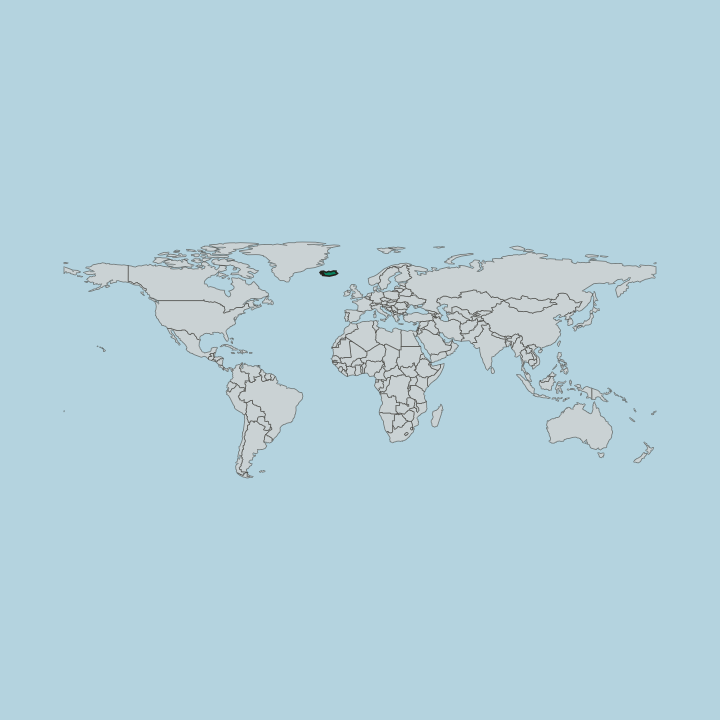
Iceland is an island set alone in the North Atlantic, just south of the Arctic Circle, where the Mid-Atlantic Ridge breaks the surface of the sea. The land sits astride a rift between tectonic plates, and that split runs the whole length of the country, feeding the geysers, lava fields and volcanoes that build and reshape the island. The interior is barren.
A high volcanic plateau of sand, lava and ice fills the middle of Iceland, its mountains and glaciers shedding glacial rivers that run down to the sea through the lowlands where almost everyone lives. The coast does the living. Reykjavík and the capital towns of Kópavogur and Hafnarfjörður gather on a southwestern bay, Keflavík guards the airport on the Reykjanes tip, and Selfoss spreads across the southern lowland below the highland ice.
The north keeps its own world. Akureyri sits deep on a long northern fjord cut inland from the Atlantic, far from the capital, a reminder that the inhabited edge of Iceland is a thin ring of coast wrapped around an empty volcanic heart.
What is the history of Iceland?
Iceland grew from a settled farming society on a hard volcanic edge. Its people are culturally and politically tied to Europe, the westernmost of the Nordic lands and the most thinly peopled, and the country long stood as a remote dependency before stepping toward statehood. Sovereignty came in stages.
Iceland became a sovereign state in 1918, joined in union with the Danish crown, and the modern country traces its independent footing to those early twentieth-century years. The land set the terms of every settlement. Reykjavík grew on its sheltered southwestern bay into the capital and the seat of power, drawing the bulk of the people off the farms and into one harbour city.
The provinces kept their own lives. Akureyri held the north around its long fjord, the southern lowland filled out around Selfoss, and the fishing and farming coast stayed the thread on which the whole history of Iceland was strung, a young nation built on an old and unforgiving island.
What is Iceland like?
Iceland keeps a tight, distinctive national culture. The Icelandic language binds the country together, a Nordic tongue held close on an isolated island, and the people read as one cultural community despite the empty distances between their towns. Life centres on the capital.
Reykjavík holds most of the population, the cultural institutions and the social life of the country, giving Iceland an unusually concentrated character for a nation spread across so wide a coast. The land itself shapes the culture. Geothermal hot springs are a daily part of life rather than a curiosity, the volcanic landscape feeds a deep attachment to the outdoors, and the long swings of polar dark and summer light set the rhythm of the year.
The provinces hold their own. Akureyri carries the cultural weight of the north around its fjord, the southern lowland gathers around Selfoss, and across the island the Icelandic identity stays rooted in language, sea and the raw volcanic country that made it.
What is the climate of Iceland?
Iceland is milder than its northern position suggests. The Gulf Stream warms the coast and gives the lowlands of Reykjavík and the south a temperate, changeable climate rather than a frozen one, with cool summers, grey damp winters and weather that turns fast off the Atlantic. Inland is a harsher world.
The high volcanic plateau and its glaciers stay cold and snowbound, the outer islands tip toward a polar climate, and even the warmest summers stay chilly under the marine air, leaving Iceland sharply split between its temperate coastal ring and its frozen heart.
How do you get to Iceland?
For nearly every traveller, the visit to Iceland begins on a plane. Iceland's main international gateway sits at Keflavík on the volcanic Reykjanes tip southwest of the capital, a short road hop from Reykjavík, and nearly all visitors to the island arrive through it. The road takes over from there.
A single ring road circles the whole coast, threading south past Selfoss and the lowland waterfalls and running north to Akureyri on its fjord, while ferries and small flights reach the outer corners of Iceland that the road leaves out.
Common questions
What is the best area to stay in Iceland?
Reykjavík: city stays with the island's widest hotel choice. Kópavogur and Hafnarfjörður: quieter bases a short hop from the capital core. Keflavík: first and last nights beside the international airport. Selfoss: touring the southern waterfalls and glaciers. Akureyri: an upright base for the northern fjords.
Good for
Updated September 2026