Italy · Abruzzo
Where to Stay in Pescara, Abruzzo
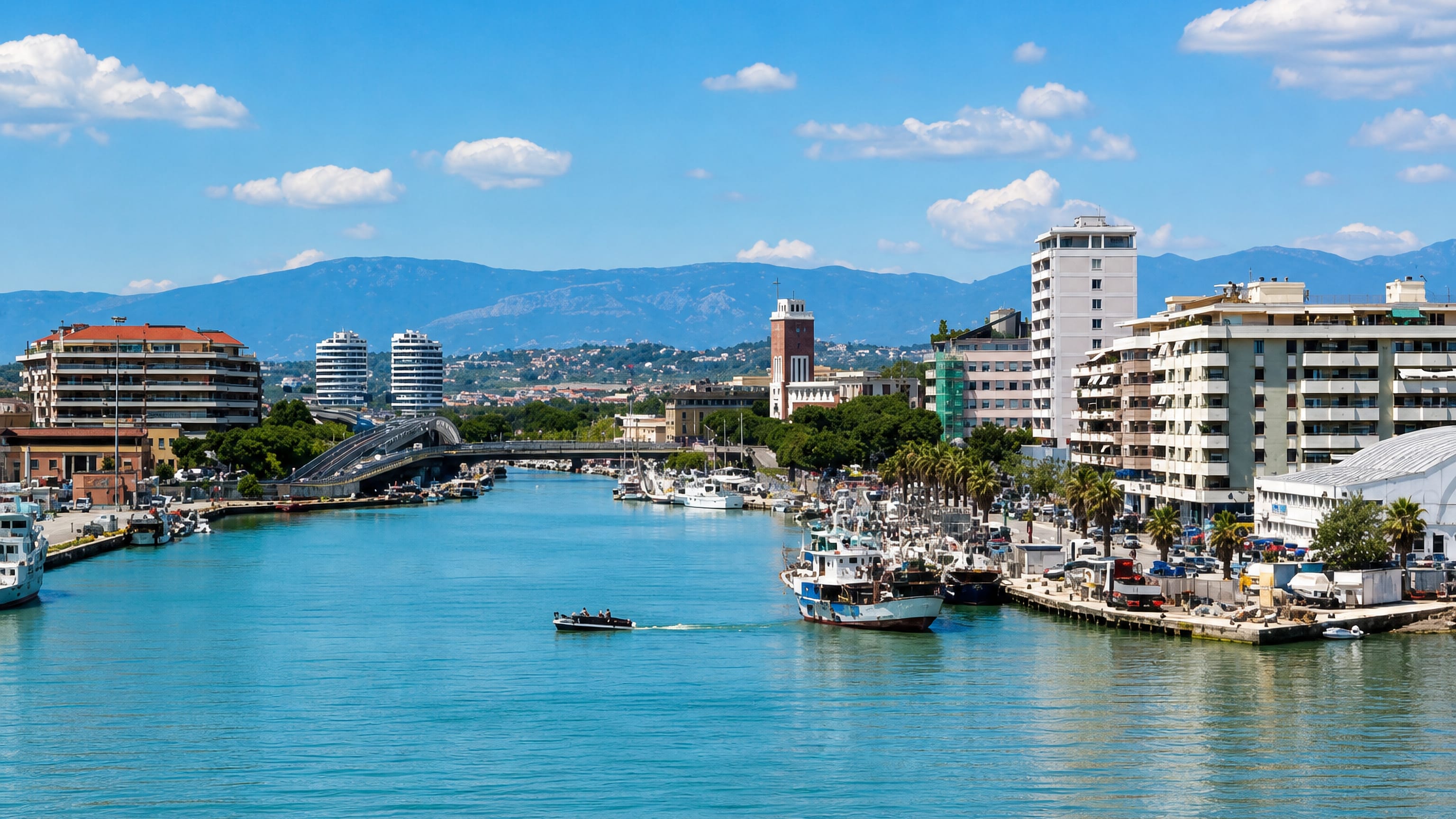
Pescara sits at the mouth of the River Aterno-Pescara on the Adriatic coast, a port city formed in 1927 from two towns on opposite banks.
Hotel links are affiliate links: booking through them may earn us a commission, at no extra cost to you. It never affects how places are ranked. How this works


Where to stay in Pescara
The practical side of choosing where to sleep.
The river splits the choice. South of the Aterno-Pescara stands the half that grew from the old Pescara fortress; north of it lies Castellamare Adriatico, and the two were only joined into one municipality in 1927. Bridges make the difference small.
Museum days argue for a central base, since the Birthplace of Gabriele D'Annunzio Museum, the Museo delle Genti d'Abruzzo, the Imago Museum, and the Vittoria Colonna Modern Art Museum all sit inside the same compact municipality rather than out of town. Aternum is the Roman name underneath all of it. The Adriatic decides the rest.
Rooms near the seafront put the beach and the port within reach, which suits a summer trip, and the fishing fleet and its Museo ittico belong to that side of the city's life rather than to the gallery circuit. Pescara Cathedral gives the centre its landmark, and Fontana La Nave and the Torretta Dannunziana are the kind of things a guest walks past rather than plans around. Sacro Cuore and Sant'Andrea Apostolo add two more church names to the same walk.
Choose the bank, then the street. You will cross the river anyway.
Find hotels in Pescara
Direct booking searches for these neighbourhoods.
South of the Aterno-Pescara
The bank that grew from the old Pescara fortress, with the Birthplace of Gabriele D'Annunzio Museum among its addresses.Find hotels in South of the Aterno-Pescarabeach mornings on the north bankCastellamare Adriatico
The north-bank town that the 1927 union absorbed, its streets running back from the Adriatic shore.Find hotels in Castellamare Adriaticofishing boats and the Museo itticoBy the port
Working harbour frontage at the river mouth, where the fishing fleet and the tourist port share the water.Find hotels in By the portHotel links are affiliate links: booking through them may earn us a commission, at no extra cost to you. It never affects how places are ranked. How this works
Things to do in Pescara
Ranked by global recognition; descriptions from Wikidata (CC0).
Museums & Galleries
3- Museo delle Genti d'Abruzzo Heritage
- Basilio Cascella Civic Museum Heritage
- Paparella Treccia Devlet Museum Heritage
Churches & Religious Sites
3- Pescara Cathedral Heritage
- San Silvestro Papa Heritage
- Sacro Cuore
Castles & Historic Sites
3- Fontana La Nave Heritage
- Aternum
- Monumento ai caduti
Landmarks & Notable Places
1- Torretta Dannunziana
worth knowingacross 4 categories in Pescara
About Pescara
Two towns made one city.
What is Pescara known for?
The municipality took its present shape in 1927, when the old Pescara fortress south of the river joined Castellamare Adriatico on the north bank, and the province of Pescara was formed from the surrounding area. Gabriele D'Annunzio was born here, and the Birthplace of Gabriele D'Annunzio Museum keeps the house. The port works and the beach fills.
Museo delle Genti d'Abruzzo carries the regional story.
What are the main landmarks in Pescara?
Galleries outnumber monuments in Pescara. Imago Museum, the Basilio Cascella Civic Museum, the Vittoria Colonna Modern Art Museum, Museo dell'Ottocento, the Paparella Treccia Devlet Museum, the CLAP Museum, and Mediamuseum divide the city's exhibition space between them. Pescara Cathedral is the main church, with Sacro Cuore, San Luigi Gonzaga, and San Silvestro Papa alongside it.
Fontana La Nave takes a ship for its subject. Monumento ai caduti and Monumento ai caduti del mare remember the dead of the land and of the sea.
What is the history of Pescara?
Aternum came first. The Roman name belongs to the settlement at the mouth of the Aterno-Pescara, and the river's own name still echoes it. A fortress followed.
The old Pescara fortress held the south bank while Castellamare Adriatico grew on the north, two separate municipalities facing each other across the water until 1927, when they were joined into one. The province of Pescara was drawn from the surrounding area. One writer dominates the modern record.
Gabriele D'Annunzio was born in the city, and the Birthplace of Gabriele D'Annunzio Museum preserves the house while the Torretta Dannunziana carries his name in another form. Casa natale Leopoldo Muzii marks a second birthplace. War left its own marks, and Monumento ai caduti and Monumento ai caduti del mare stand for the dead of the land and of the sea, the second belonging to a city whose living came off the water.
Fishing and the port did the rest, and Museo ittico keeps that trade documented alongside the Museo delle Genti d'Abruzzo, which sets the city inside its wider region. The Imago Museum and the Vittoria Colonna Modern Art Museum came much later, extending the same habit of keeping things. Pescara is the province's capital.
Where is Pescara?
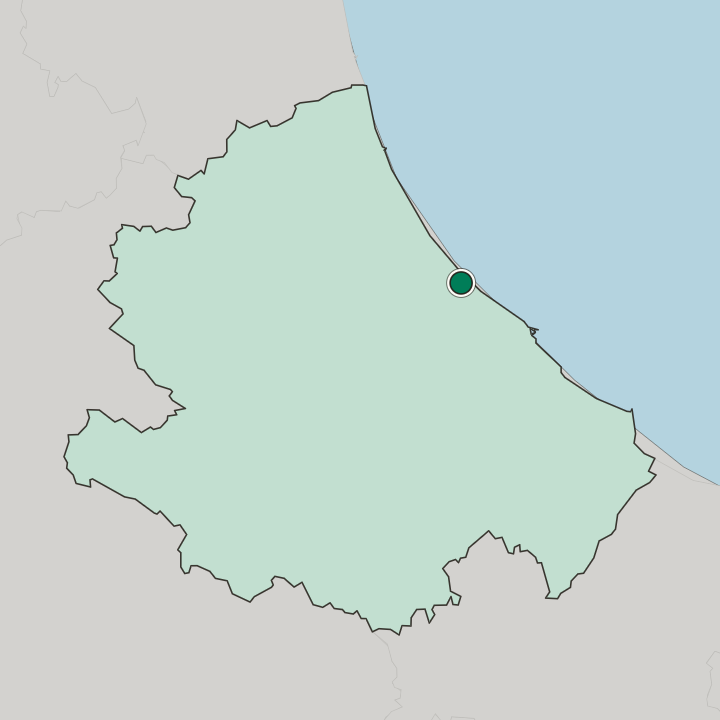
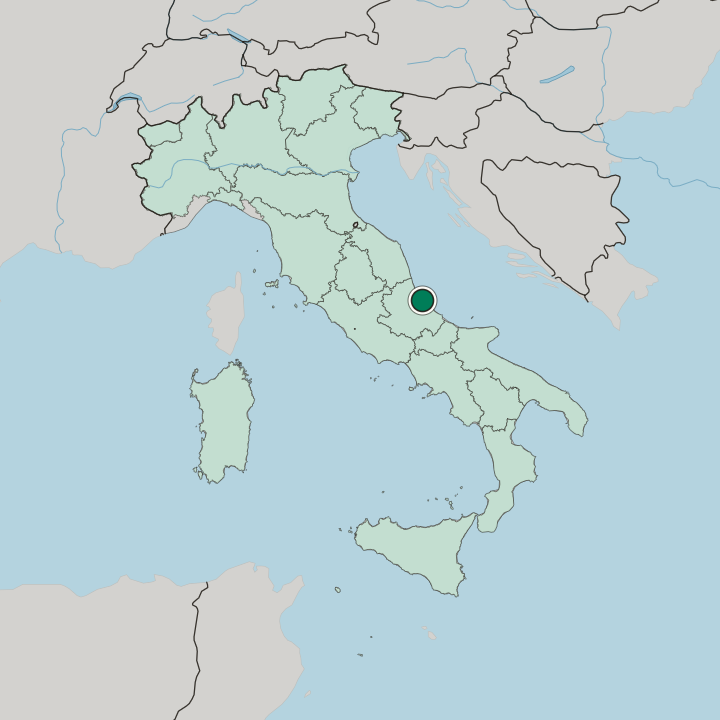
Two banks and one river set the layout. Pescara occupies the mouth of the River Aterno-Pescara on the Adriatic coast, with the old fortress town on the south bank and Castellamare Adriatico on the north, and the municipality covers about 34 square kilometres. Abruzzo spreads inland behind it.
The province of Pescara takes in the surrounding area, and the city serves as its capital.
What is the climate of Pescara?
The Adriatic moderates everything. Sea air keeps Pescara's summers from turning as harsh as the inland stretches of Abruzzo, and winters near the water stay milder than they do away from the coast, which is part of why the beach season runs long. Rain favours autumn and winter.
The temperate band applies, but the Adriatic does the smoothing.
How do you get to Pescara?
The port takes some of the traffic. Pescara works as both a fishing harbour and a tourist port on the Adriatic, so arrivals by water are ordinary rather than exotic, and the quays sit close to the mouth of the Aterno-Pescara. Overland approaches come through the province of Pescara, which the city administers, and continue into the rest of Abruzzo from there.
The river is the one fixed point.
Common questions
What is the best area to stay in Pescara?
South of the Aterno-Pescara: the old fortress half of the city. Castellamare Adriatico: beach mornings on the north bank. By the port: fishing boats and the Museo ittico.
Good for
More cities in Abruzzo
Updated October 2026