Italy
Abruzzo, Italy — Towns & Travel Guide
Abruzzo is a region of central Italy where the highest peaks of the Apennines drop east to the Adriatic Sea.
Hotel links are affiliate links: booking through them may earn us a commission, at no extra cost to you. It never affects how places are ranked. How this works


Towns & cities in Abruzzo
Pick a town or city — each links to where to stay.

 Italy
Italy
Pescara
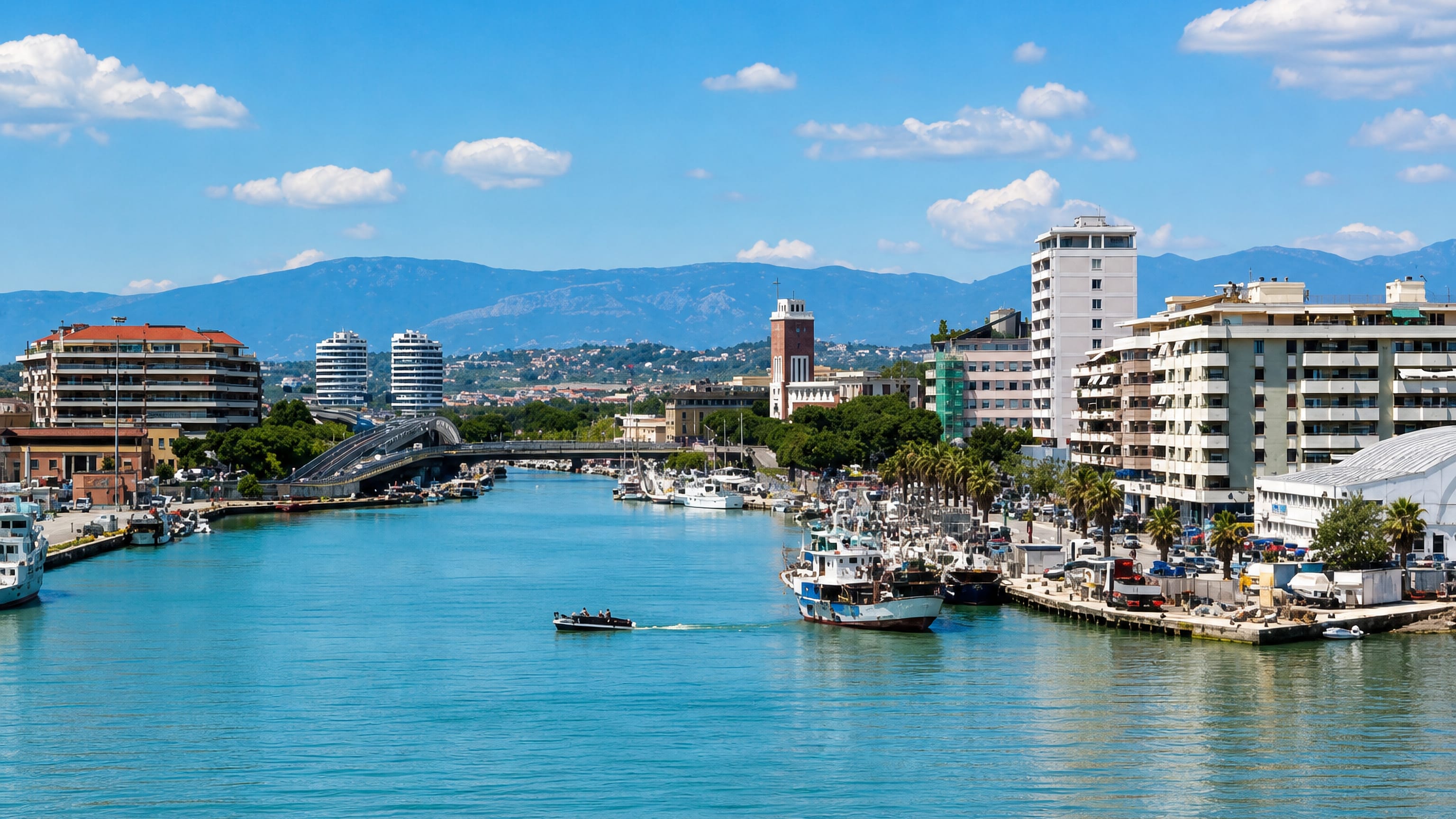
Pescara sits at the mouth of the River Aterno-Pescara on the Adriatic coast, a port city formed in 1927 from two towns on opposite banks.Where to stay →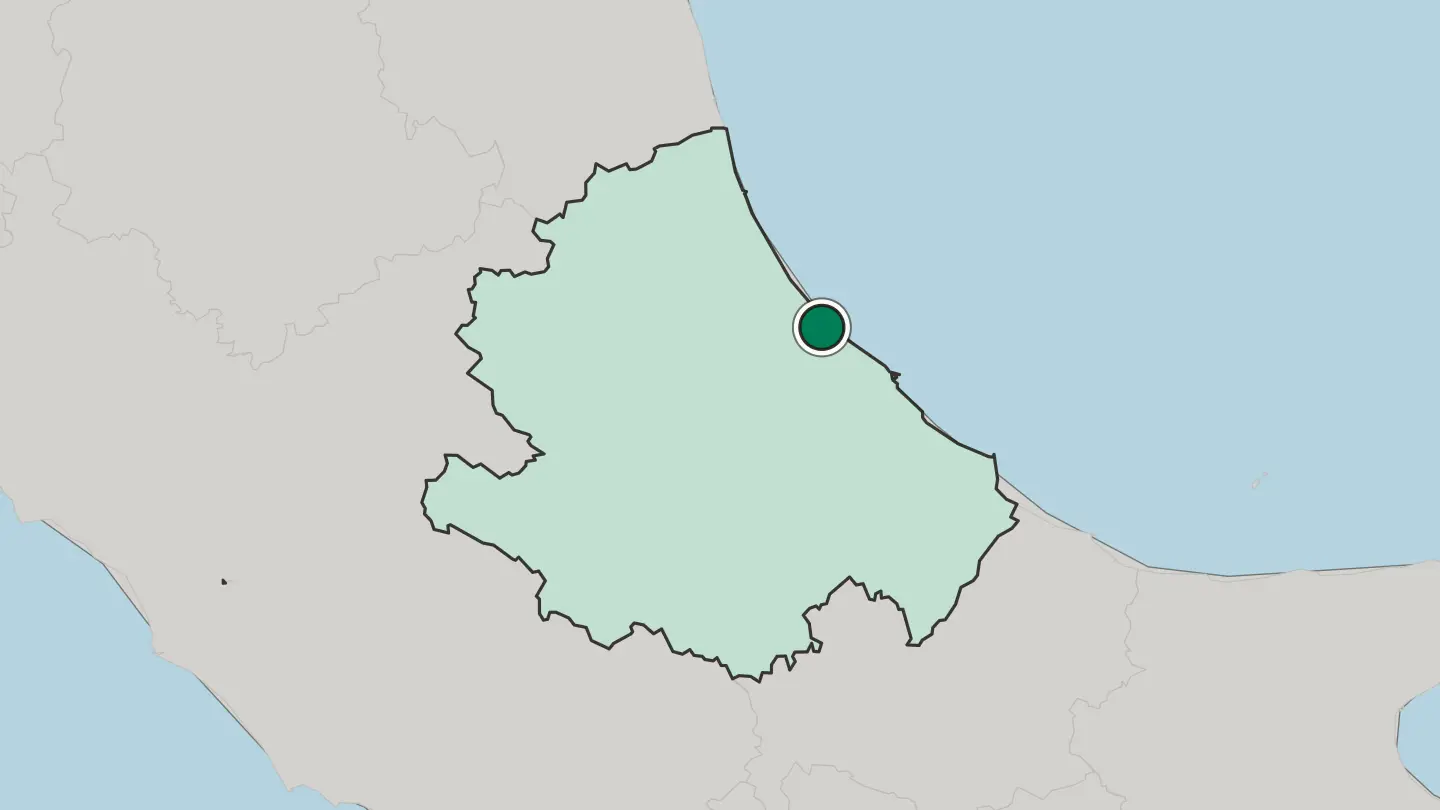
 Italy
Italy
Teramo
Teramo, capital of its province, stands on the first Apennine foothills of northern Abruzzo between the Gran Sasso and the Adriatic coast.Where to stay →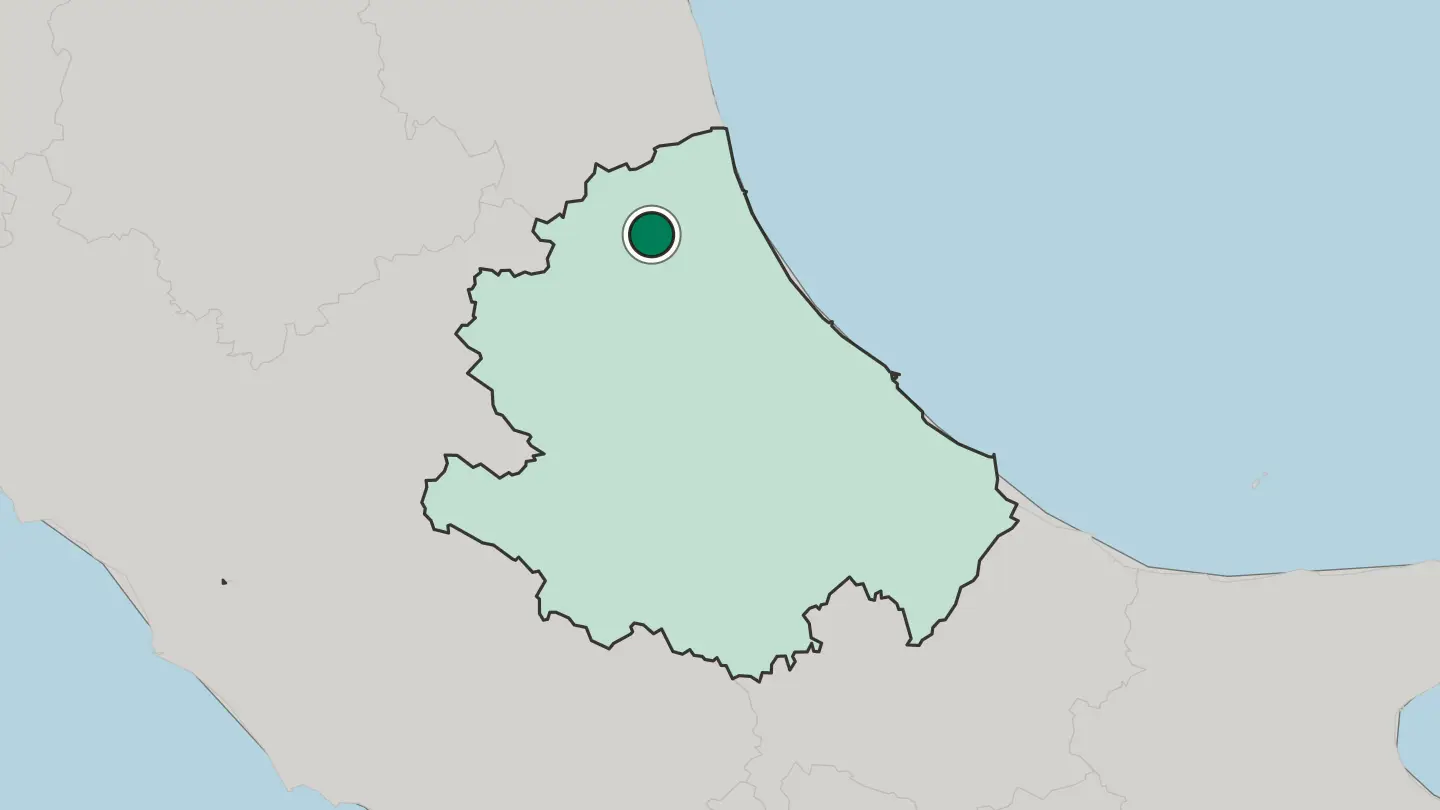
 Italy
Italy
Montesilvano
Montesilvano is a comune in the province of Pescara, in the Abruzzo region of Italy, and the seat of the Museo del Treno.Where to stay →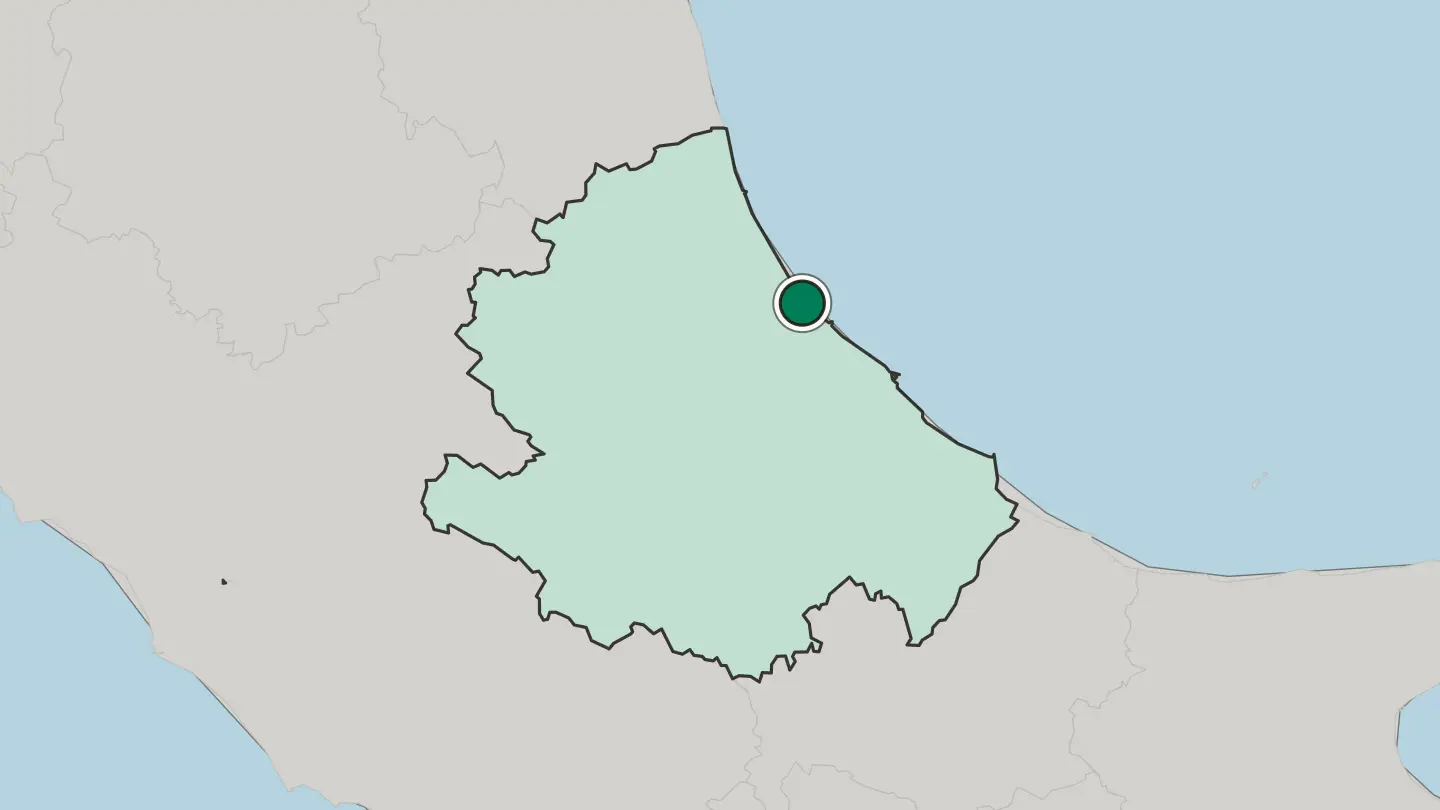
Hotel links are affiliate links: booking through them may earn us a commission, at no extra cost to you. It never affects how places are ranked. How this works
About Abruzzo
Abruzzo is mountain country.
What is Abruzzo known for?
Its western half holds the tallest ground in the Apennines, crowned by Corno Grande in the Gran Sasso d'Italia massif and the long limestone wall of the Maiella, and roughly a third of the whole region falls inside its three national parks. The east is different again, a coastline of about 130 km running down the Adriatic Sea to the fishing piers of the Trabocchi shore. Between the two sit walled hill towns like Sulmona and the mountain fortress of Rocca Calascio.
Wolves and the Marsican brown bear still live in the high forests.
Where is Abruzzo?
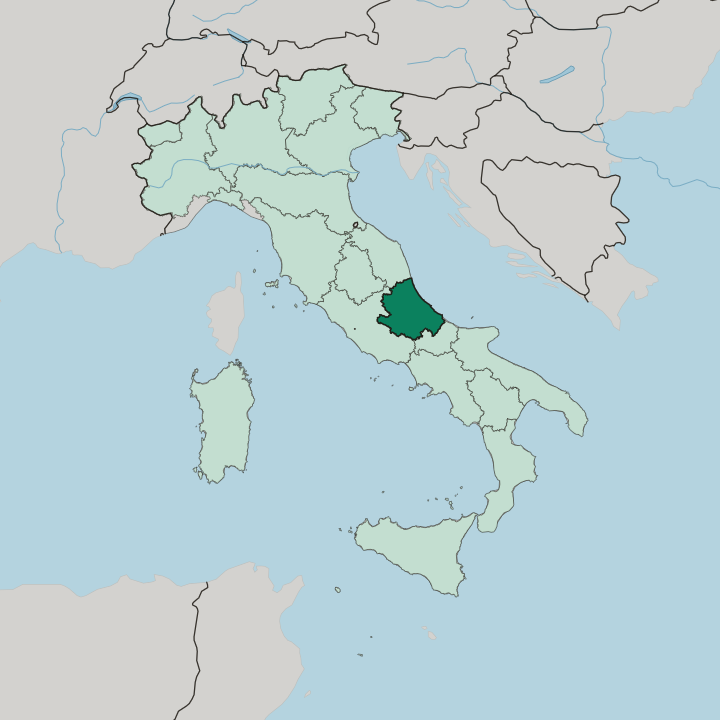
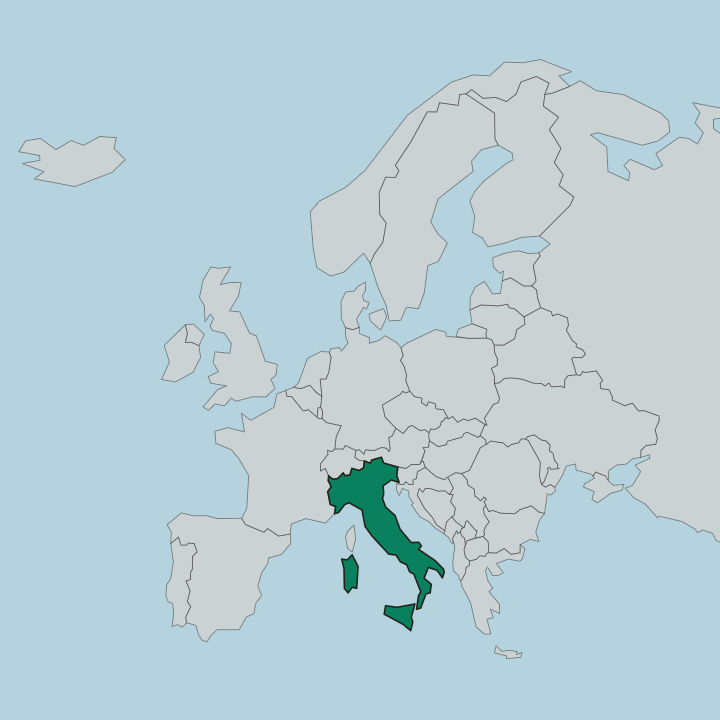
Abruzzo sits in central Italy, its western border less than 80 km east of Rome, yet the two feel a world apart. The Apennines split the region in two. The western half is high mountain: Corno Grande tops the Gran Sasso d'Italia at 2,912 metres as the tallest summit of the whole Apennine chain, and the Maiella raises a second great limestone block just to its south. Lazio lies over that western watershed, with Marche to the north and Molise to the south.
East of the peaks the land tips down through hill country toward the Adriatic Sea, and the coastline runs about 130 km from the sandy beaches of the north to the pebbles and fishing piers of the Trabocchi shore below. Rivers such as the Pescara and the Sangro cut east off the mountains to reach that sea. This is the greenest corner of the peninsula.
Three national parks cover roughly a third of the surface, among them the Abruzzo, Lazio and Molise National Park, first protected in 1923 as one of the oldest in Italy. The high plateau of Campo Imperatore spreads under the Gran Sasso like a stony steppe. Much of the interior stays wild.
What is Abruzzo like?
Abruzzo runs on sheep. For centuries flocks were walked each year along the tratturi, the wide grass droving roads that led down from the Gran Sasso d'Italia pastures to winter grazing in Puglia, and that transhumance shaped the food, the dialect and the calendar of the hill villages. Its emblem on the plate is arrosticini, little skewers of mutton grilled over a long charcoal trough, born straight out of the shepherds' fires.
The land gives more than meat. The Navelli plateau grows the prized saffron that carries L'Aquila's name, and the confetti of Sulmona, hard sugared almonds tied into flowers, has been made in the town of Ovid's birth for generations. Faith is woven through all of it.
Sulmona stages a running Easter pageant, La Madonna che Scappa, in its main square, and remote sanctuaries dot the slopes of the Maiella. The old crafts hold on too. Copper is still beaten in the mountain towns, and the wild parks keep wolf and bear as neighbours rather than legends.
People here call their region forte e gentile, strong and kind.
What is the history of Abruzzo?
Italic tribes held these mountains first. The Marsi, Peligni, Vestini and Marrucini fought the growing Republic in the Samnite Wars, and Sulmona still claims the poet Ovid, born there in 43 BC. The plural name Abruzzi comes from later centuries, when the territory was governed from Naples as districts of the Kingdom of the Two Sicilies, which is why the Italian state still counts this central region as part of the south.
L'Aquila, founded in the thirteenth century as a union of mountain villages, grew into the highland capital it remains. Earthquakes have marked the region hard, none more than the L'Aquila quake of 2009.
What is the climate of Abruzzo?
Two climates share one region. The Adriatic Sea coast around Pescara is Mediterranean, with hot dry summers and mild rainy winters that make the beaches a summer draw. Climb west into the Apennines and everything cools and hardens: the valleys turn continental, and the high ground under the Gran Sasso d'Italia holds heavy snow from late autumn well into spring.
Campo Imperatore, the plateau below Corno Grande, stays below freezing on average through the depth of winter and feeds the region's ski resorts. Cold easterly winds off the Balkans can bury the passes.
How do you get to Abruzzo?
Most travellers reach Abruzzo from Rome. Abruzzo Airport at Pescara is the region's only international gateway, sitting a few kilometres from the city on the Adriatic Sea. Overland, the A24 and A25 motorways climb east from Rome across the Apennines through L'Aquila to the coast, a drive of roughly two hours.
Trains run the same way, crossing the mountains from Rome to Sulmona and on to Pescara. Once here, the high interior is best explored by car.
Common questions
What is the best area to stay in Abruzzo?
Pescara: arriving on the coast. L'Aquila: the Gran Sasso mountains. Sulmona: the Maiella and valley towns. The Trabocchi Coast: beaches and seafood.
Good for
More regions in Italy
Updated September 2026