Italy · Abruzzo
Where to Stay in Teramo, Abruzzo
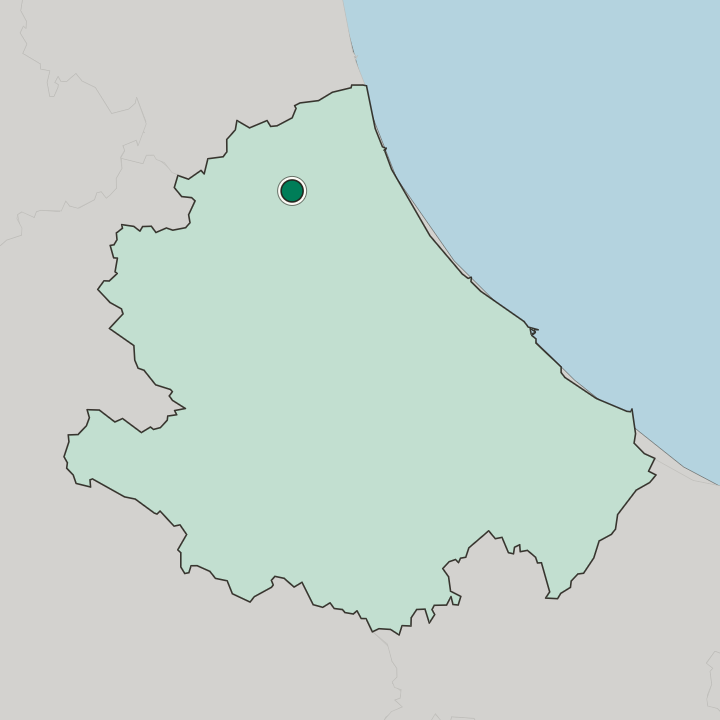
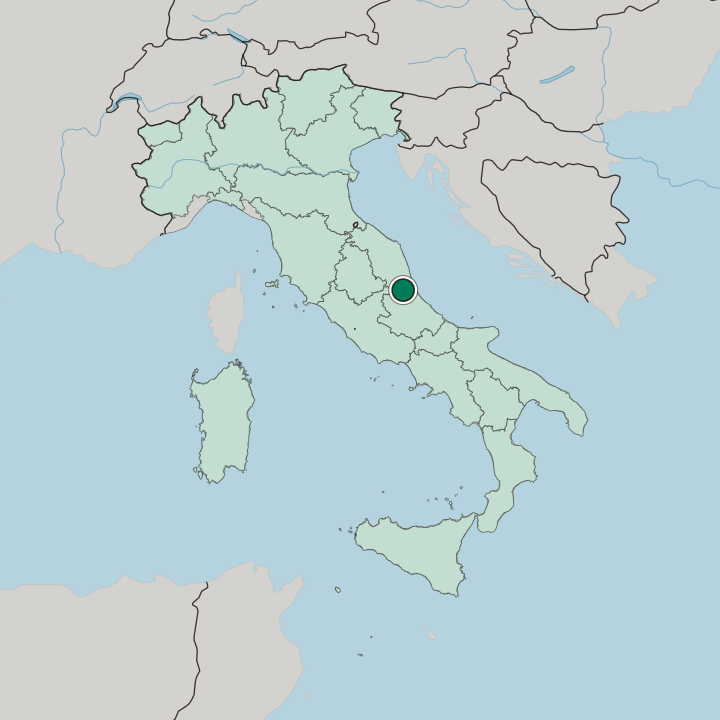
Teramo, capital of its province, stands on the first Apennine foothills of northern Abruzzo between the Gran Sasso and the Adriatic coast.
Hotel links are affiliate links: booking through them may earn us a commission, at no extra cost to you. It never affects how places are ranked. How this works


Where to stay in Teramo
The practical side of choosing where to sleep.
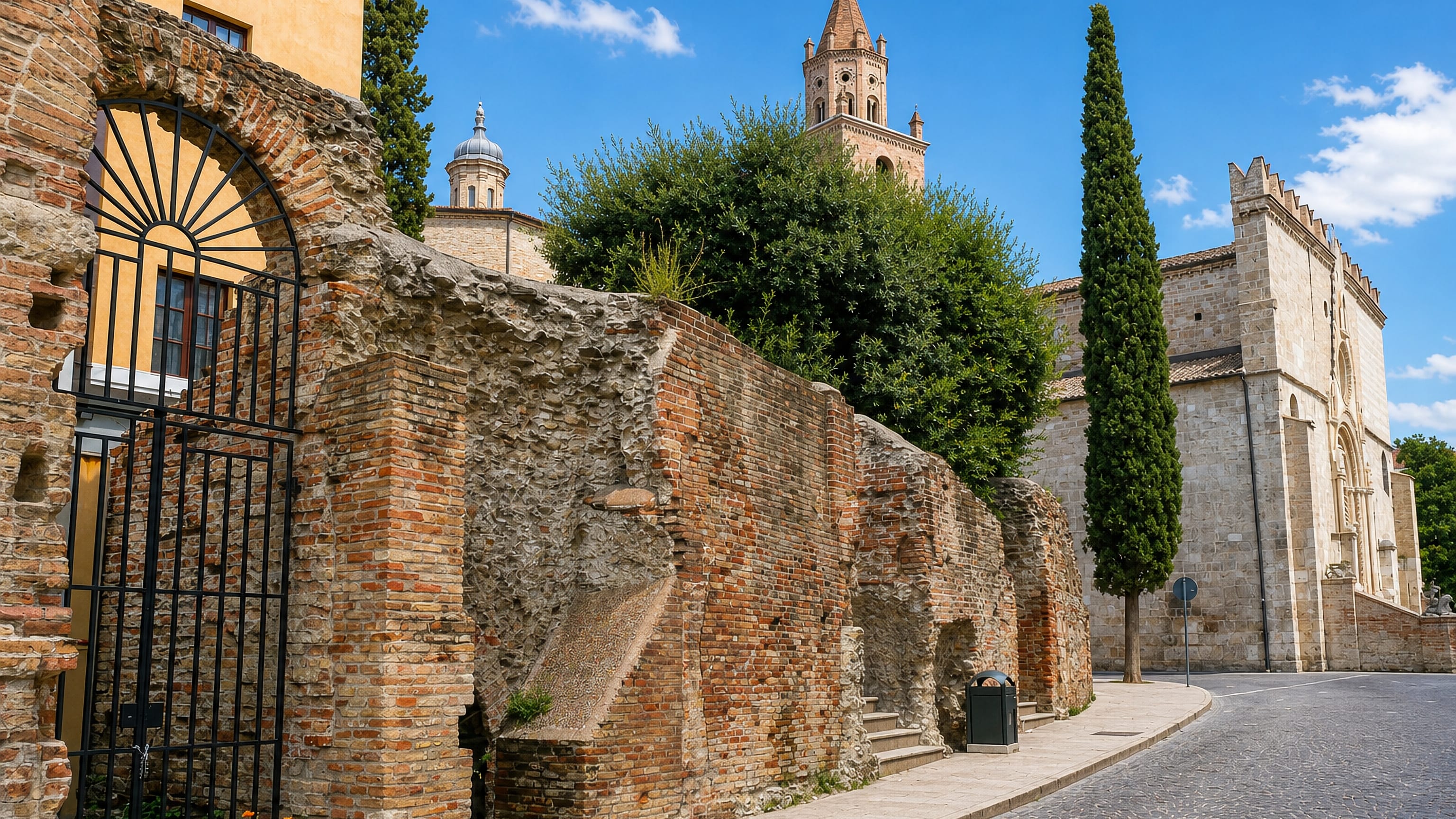
Teramo's old core is small. A stay near the Basilica of Our Lady of the Assumption puts Torre Bruciata, San Domenico, Sant'Antonio, and the Chiesa di Sant'Anna dei Pompetti inside a walk that takes an afternoon at most. Roman ground lies under the same streets, and the Roman Theatre of Teramo, the Roman amphitheater of Teramo, and the Domus e mosaico del Leone are all part of an ordinary walk through town.
Museums fill any gap. Two of them, the Civic Museum of Teramo and the Museo Civico Archeologico 'Francesco Savini', hold what the city has collected and dug up. Height changes the calculation.
Teramo stands on the first Apennine foothills of northern Abruzzo, so a base on the higher edge of the comune trades café life for the Gran Sasso and the Monti della Laga, which are close enough for a day out and steep enough to need one. The Adriatic coast is the other direction. The Necropolis of Ponte Messato belongs to the same Roman layer.
You can do both from one room, since the city sits between the peaks and the sea. Pick by what you want at breakfast.
Find hotels in Teramo
Direct booking searches for these neighbourhoods.
Around the Basilica of Our Lady of the Assumption
The Basilica of Our Lady of the Assumption and Torre Bruciata stand within the same handful of streets.Find hotels in Around the Basilica of Our Lady of the Assumptionancient stonework outside the doorBy the Roman Theatre of Teramo
Minutes from the Roman Theatre of Teramo and the Roman amphitheater of Teramo, both inside the built-up centre.Find hotels in By the Roman Theatre of Teramowalkers heading for the Gran SassoThe foothill edge
Higher ground on the Apennine foothills, nearer the Gran Sasso and the Monti della Laga than the city's museums.Find hotels in The foothill edgeHotel links are affiliate links: booking through them may earn us a commission, at no extra cost to you. It never affects how places are ranked. How this works
Things to do in Teramo
Ranked by global recognition; descriptions from Wikidata (CC0).
Museums & Galleries
2- Civic Museum of Teramo Heritage
- Museo Civico Archeologico 'Francesco Savini' Heritage
Churches & Religious Sites
3- Basilica of Our Lady of the Assumption Heritage
- Chiesa di Sant'Anna dei Pompetti Heritage
- chiesa di San Lorenzo Heritage
Castles & Historic Sites
5- Roman Theatre of Teramo Heritage
- Roman amphitheater of Teramo Heritage
- Domus e mosaico del Leone Heritage
- Domus "Largo Madonna delle Grazie" Heritage
- Domus della Madonna delle Grazie Heritage
Landmarks & Notable Places
1- Torre Bruciata Heritage
worth knowingacross 4 categories in Teramo
About Teramo
Rome is still visible here.
What is Teramo known for?
The Roman Theatre of Teramo and the Roman amphitheater of Teramo sit inside the modern street plan, and the Domus e mosaico del Leone keeps a floor from a house of the same period. Mountains do the rest of the work, with the Gran Sasso and the Monti della Laga close enough to shape the horizon. The Astronomical Observatory of Abruzzo works from here.
What are the main landmarks in Teramo?
Stone from three ages shares one town. Torre Bruciata carries a burned name, the Basilica of Our Lady of the Assumption is the principal church, and San Domenico, Sant'Antonio, San Bartolomeo, and chiesa di San Lorenzo fill out the list of churches. Two Roman venues survive: the Roman Theatre of Teramo and the Roman amphitheater of Teramo.
Domus della Madonna delle Grazie and Domus "Largo Madonna delle Grazie" record Roman houses, and the Domus e mosaico del Leone keeps a lion in its floor. The Astronomical Observatory of Abruzzo points the other way.
What is the history of Teramo?
The Romans built for crowds. Both the Roman Theatre of Teramo and the Roman amphitheater of Teramo remain in the fabric of the city, and the Necropolis of Ponte Messato records where the dead of the same period went. Houses survive too.
Domus della Madonna delle Grazie, Domus "Largo Madonna delle Grazie", and the Domus e mosaico del Leone are excavated dwellings, and the mosaic in the last of them gives it its name. Torre Bruciata carries a name given for fire. Churches took over the record.
The Basilica of Our Lady of the Assumption heads them, and San Domenico, Sant'Antonio, San Bartolomeo, chiesa di San Lorenzo, and Chiesa di Sant'Anna dei Pompetti each mark a parish that outlasted whoever built it. Excavation turned the older layers into exhibits, and the Museo Civico Archeologico 'Francesco Savini' holds what came out of the ground while the Civic Museum of Teramo keeps the rest. Administration arrived last.
Teramo governs the province of Teramo from the same streets, and the Astronomical Observatory of Abruzzo gives the city a scientific role that has nothing to do with any of the older layers.
Where is Teramo?
Foothills come first. Teramo occupies the first Apennine foothills of northern Abruzzo, with the Gran Sasso and the Monti della Laga nearby and the Adriatic coast on the other side of the province. The comune covers about 153 square kilometres.
Between the highest peaks of Abruzzo and the sea, the city ends up with a view in more than one direction.
What is the climate of Teramo?
Two influences argue here. The Gran Sasso and the Monti della Laga send cold down onto the foothills in winter, while the Adriatic coast keeps the other side of the province milder, and Teramo sits between the two arguments. Summers stay warm and bright.
Snow belongs to the peaks more than to the town, though the foothills catch their share in a cold year.
How do you get to Teramo?
Arrival here is a climb. Teramo stands on the first Apennine foothills of northern Abruzzo, so an approach from the Adriatic coast gains height gradually, and one from the Gran Sasso side comes down instead. The province of Teramo routes through its capital.
Distances are short in either direction, which is the practical meaning of a position between the mountains and the sea.
Common questions
What is the best area to stay in Teramo?
Around the Basilica of Our Lady of the Assumption: bells, churches, and short evening walks. By the Roman Theatre of Teramo: ancient stonework outside the door. The foothill edge: walkers heading for the Gran Sasso.
Good for
More cities in Abruzzo
Updated October 2026