Italy · Basilicata
Where to Stay in Matera, Basilicata
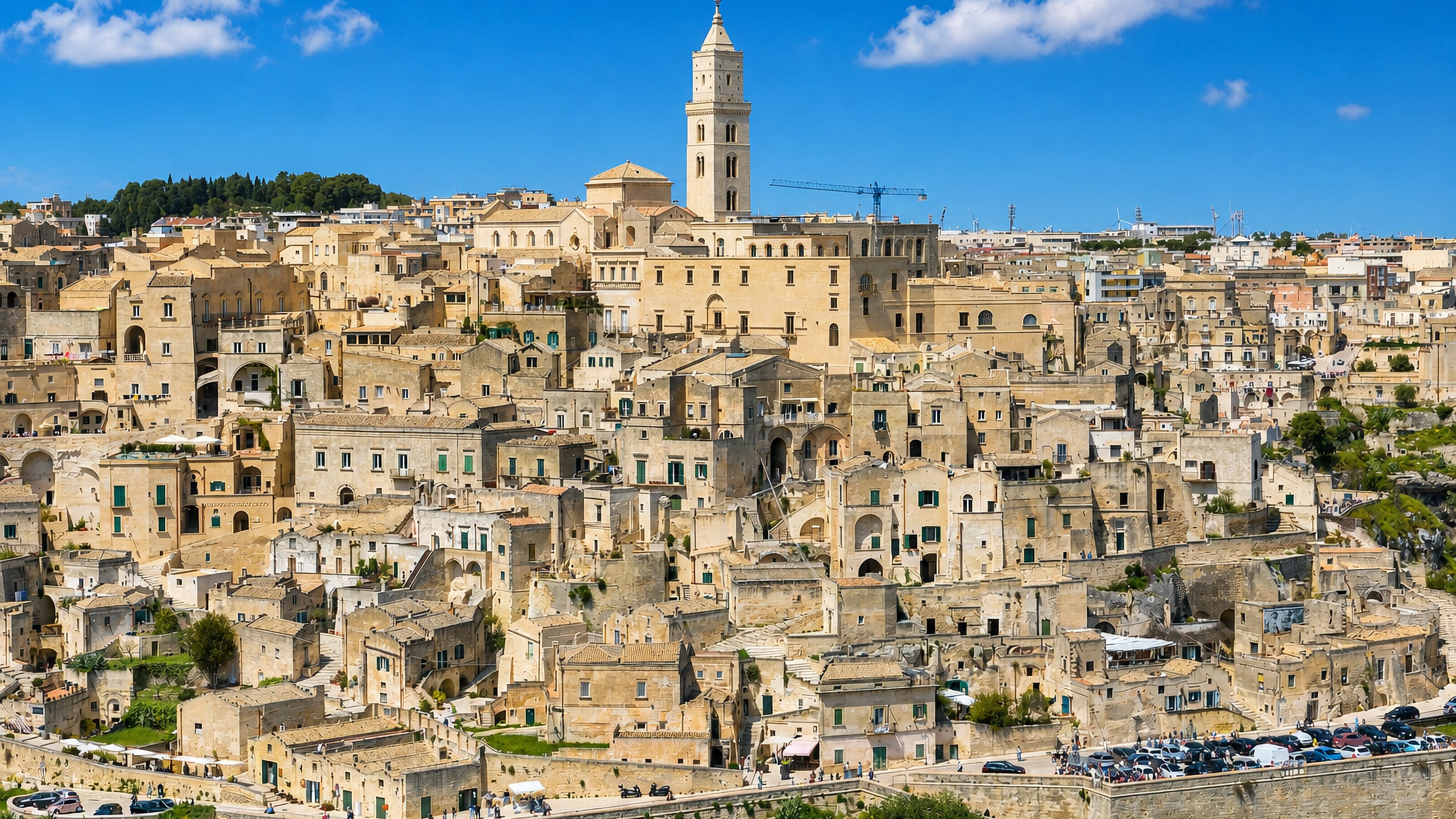
Matera is the capital of the Province of Matera in Basilicata, its oldest quarters cut into two cliffsides and known together as the Sassi.
Hotel links are affiliate links: booking through them may earn us a commission, at no extra cost to you. It never affects how places are ranked. How this works


Where to stay in Matera
One neighbourhood here has its own guide — here's what it is best for.

 MateraItaly
Sassi di Matera
Two cave quarters of Matera, in Basilicata, cut into rock and lived in since the Paleolithic period. Matera Cathedral stands among them.Where to stay →Hotel links are affiliate links: booking through them may earn us a commission, at no extra cost to you. It never affects how places are ranked. How this works
Find hotels in Matera
Direct booking searches for these neighbourhoods.
The Sassi
Vaulted cut rooms with Casa Grotta and the cave churches in Matera along the same stairways.Find hotels in The Sassishort evenings between the churchesAround Matera Cathedral
Matera Cathedral, Chiesa di San Domenico, and Chiesa del Purgatorio all fall inside a few minutes on foot.Find hotels in Around Matera Cathedralarriving by car with luggagePast Castello Tramontano
Level streets beyond Castello Tramontano, trading the stairways of the Sassi for parking and space.Find hotels in Past Castello TramontanoHotel links are affiliate links: booking through them may earn us a commission, at no extra cost to you. It never affects how places are ranked. How this works
Things to do in Matera
Ranked by global recognition; descriptions from Wikidata (CC0).
Museums & Galleries
2- National Museum of Matera Heritage
- National Museum of Medieval and Modern Art of Basilicata Heritage
Churches & Religious Sites
3- Chiesa di San Giovanni Battista Heritage
- Santa Lucia alla Fontana Heritage
- Ex ospedale di San Rocco Heritage
Castles & Historic Sites
3- The Sassi and the Park of the Rupestrian Churches of Matera UNESCO
- Castello Tramontano Heritage
- Sassi di Matera
Nature & Outdoors
1- Casa Grotta
worth knowingacross 4 categories in Matera
About Matera
The Sassi di Matera carry the name.
What is Matera known for?
Two cliffside zones of houses, cisterns, and churches cut straight into the rock make up the oldest part of the city, and they are grouped with the surrounding rock churches under one long title, The Sassi and the Park of the Rupestrian Churches of Matera. Cave churches in Matera are the other signature. Casa Grotta shows how a single cut room held a household, while the Museo-laboratorio della Civiltà Contadina keeps the tools that worked the land around it.
What are the main landmarks in Matera?
Start with the Sassi di Matera. The two zones read as one continuous surface of stone from any distance, and only close up do the doorways, stairs, and cistern mouths resolve into separate houses. Matera Cathedral and Castello Tramontano are the two masonry landmarks.
Cave churches in Matera run through both zones and the ground beyond them. Casa Grotta is the quickest way in.
What is the history of Matera?
Occupation here has never stopped. Prehistory is the starting point for Matera, and the record runs unbroken from those first shelters through every later layer the city built on top of them. The earliest of it is subtractive rather than added: rooms, cisterns, and stairs cut down into the rock of the two Sassi zones rather than raised on it.
Cave churches in Matera followed the same method. Casa Grotta preserves one cut dwelling. The masonry city stands beside and above that work.
Matera Cathedral anchors the churches raised in stone, and Chiesa di San Giovanni Battista, Chiesa di San Domenico, Chiesa del Purgatorio, and Santa Lucia alla Fontana belong to the same later phase of building. Castello Tramontano stands with them. Ex ospedale di San Rocco survives from the city's institutional past, while the National Museum of Matera and the National Museum of Medieval and Modern Art of Basilicata keep the objects that document all of it.
Sacred art has the Museo diocesano di Matera; country tools have the Museo-laboratorio della Civiltà Contadina. La Casa di Ortega and the Museo della Scultura Contemporanea carry the record into modern work. The Museo storico "Generale Ignazio Pisciotta" completes the set.
Where is Matera?
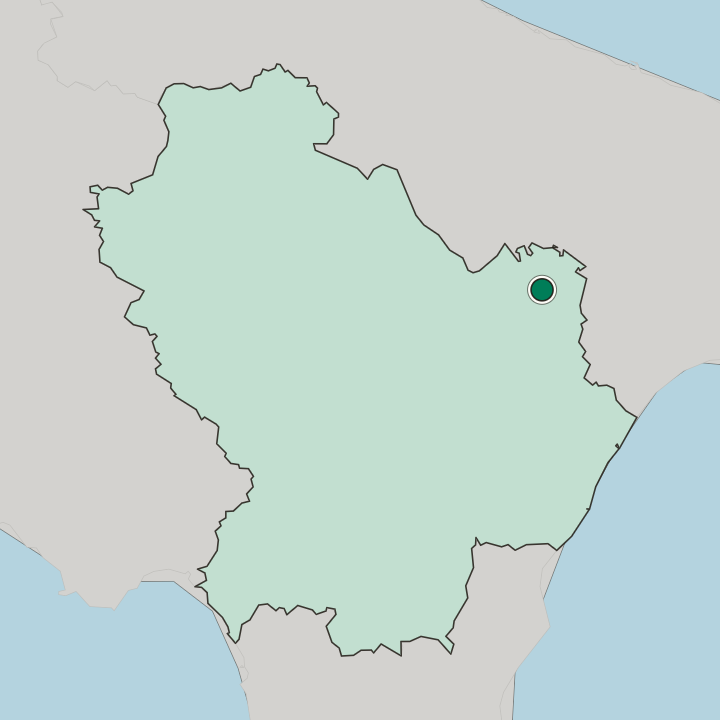
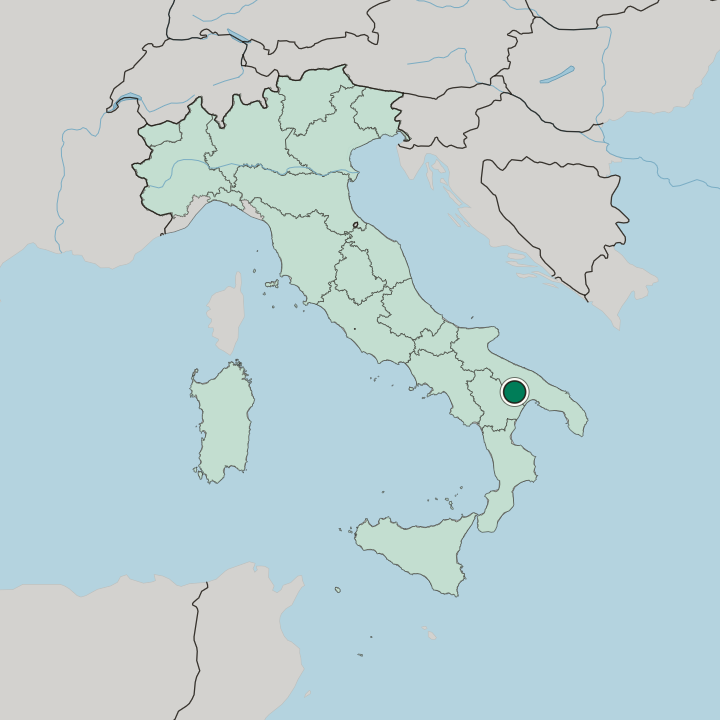
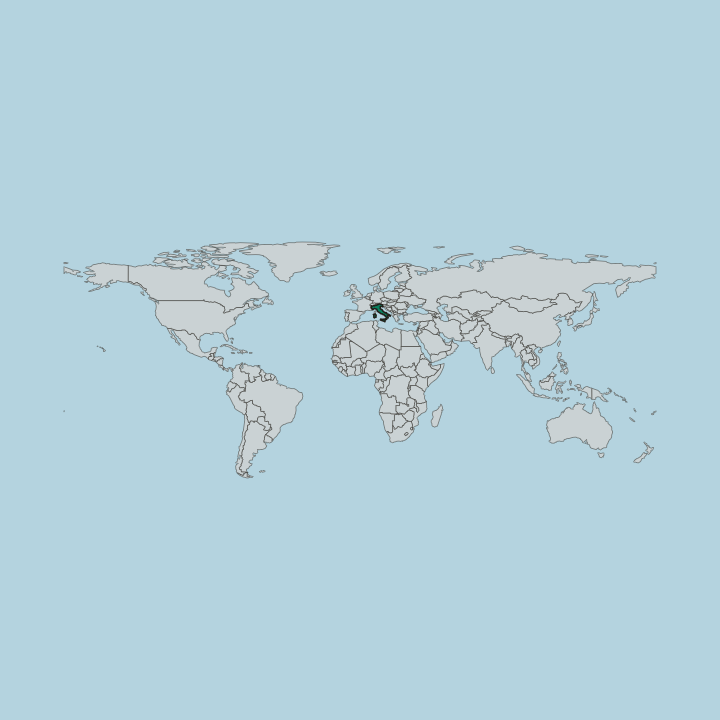
Rock does the shaping here. The old core of Matera occupies two cliffside zones cut into stone, the pair known collectively as the Sassi, with the later streets of the city standing above and behind them. Basilicata spreads around it.
The municipal territory reaches across roughly 392 square kilometres, and the Province of Matera takes both its name and its administrative centre from the city.
What is the climate of Matera?
Temperate is the short answer. Summers over the cliffside Sassi run hot and bright, and the lanes of Matera hold that heat into the evening because so much of the fabric around them is bare stone rather than shade. Rooms cut into the rock even out those extremes, which is part of why people lived in them for so long.
Rain favours the colder months.
How do you get to Matera?
Matera serves as the administrative centre of the Province of Matera, which puts the provincial roads of Basilicata on a course toward the city rather than past it. Arrivals land on the newer streets. From there the Sassi are entered on foot, down stairways and lanes that were cut long before cars.
Distances inside them are short and the going is steep.
Common questions
What is the best area to stay in Matera?
The Sassi: waking up in a room cut into the rock. Around Matera Cathedral: short evenings between the churches. Past Castello Tramontano: arriving by car with luggage.
Good for
Another city in Basilicata
Updated October 2026