Italy · Basilicata
Where to Stay in Potenza, Basilicata
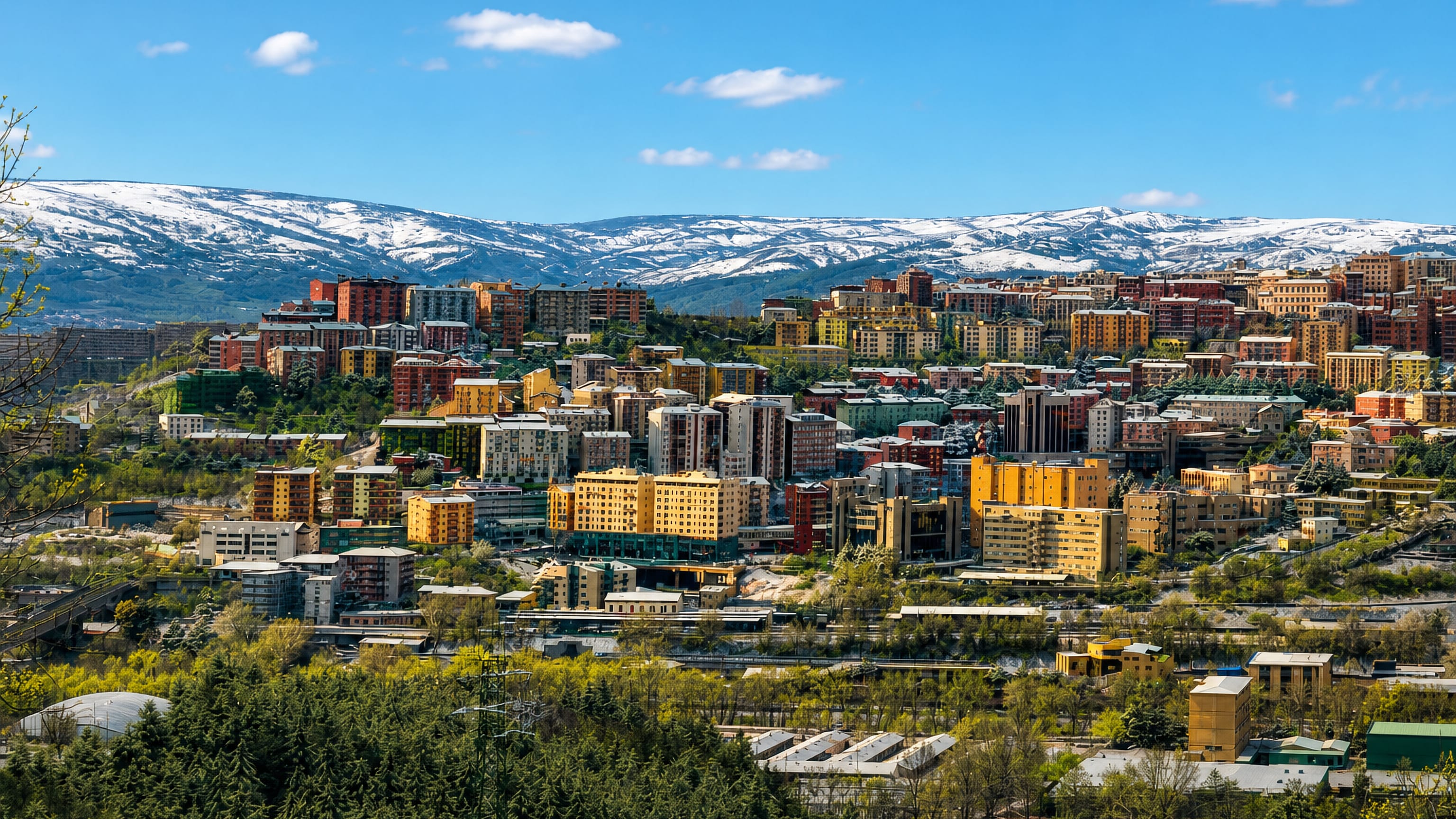
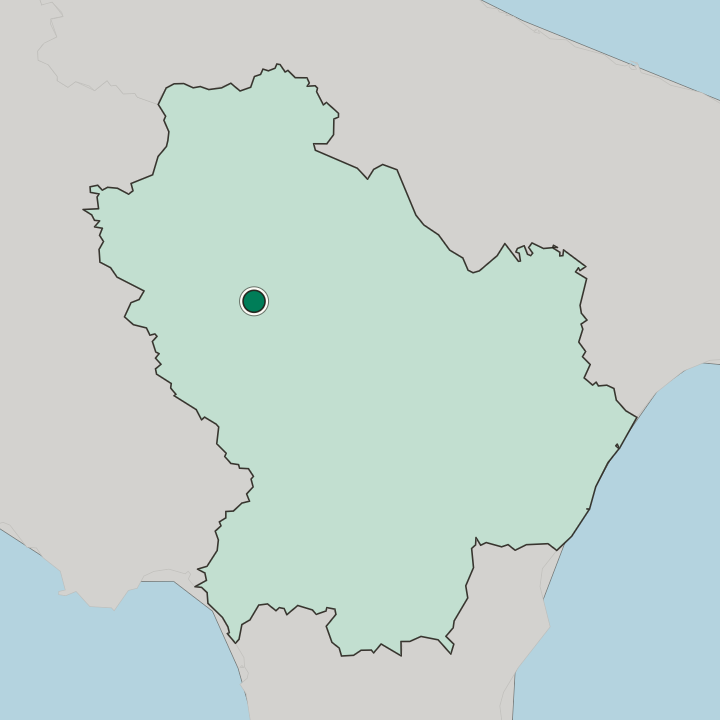
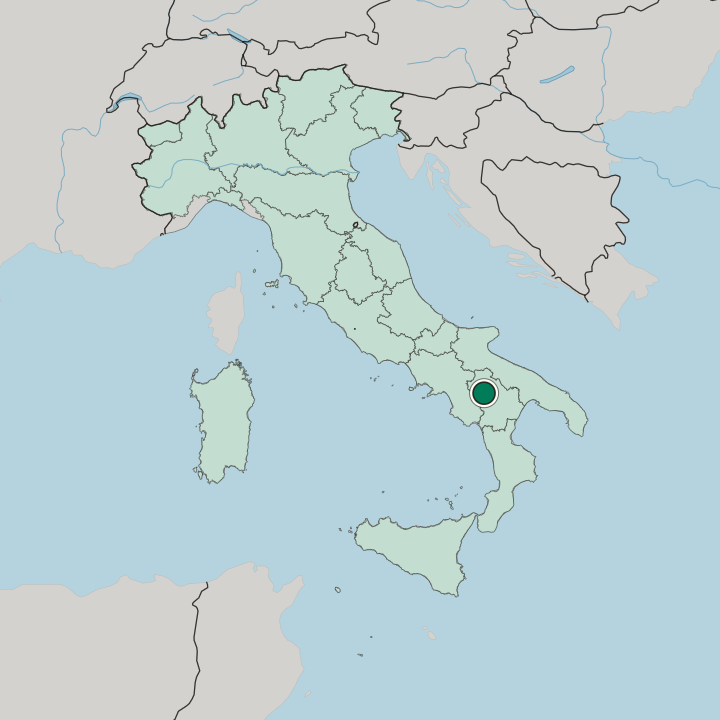
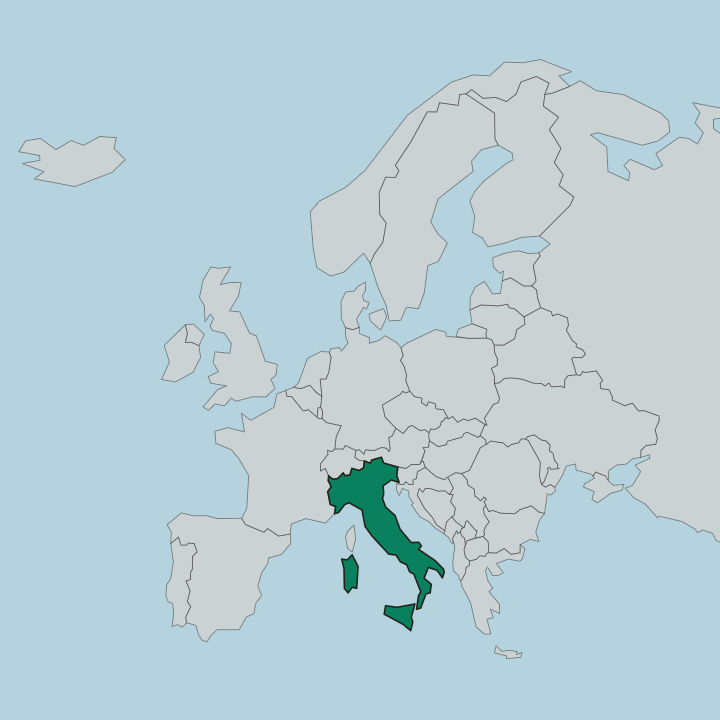
Potenza, capital of Basilicata, is the highest regional capital in Italy, above the valley of the Basento in the Apennine Mountains of Lucania.
Hotel links are affiliate links: booking through them may earn us a commission, at no extra cost to you. It never affects how places are ranked. How this works


Where to stay in Potenza
Where the beds are, and what that means for the visit.
Height decides the day here. The upper streets carry the older city, with the Cathedral of San Gerardo and Torre Guevara among the things a guest can reach without a car, and the climb between levels is what that convenience costs. The gap between them is vertical.
Lower ground toward the Basento suits anyone arriving late with luggage, or leaving early for Salerno. Chiesa e convento di Santa Maria del Sepolcro adds another stop within the same walk. Museums argue for staying central.
The Museo archeologico nazionale della Basilicata, the Pinacoteca provinciale di Potenza, and the Diocesan Museum of Potenza each take an unhurried hour, and churches such as Chiesa e convento di San Francesco and Chiesa di San Michele Arcangelo fill whatever is left of the afternoon. Villa romana di Malvaccaro asks for a short trip out. Rooms also exist beyond the comune boundary, in Pignola, Tito, Avigliano, and the other villages that ring Potenza, where nights are quieter and the Apennine Mountains start at the door.
Winter closes in hard at this height, so a room you can heat matters more than a view over the Basento. Bring shoes for the gradient.
Find hotels in Potenza
Direct booking searches for these neighbourhoods.
The upper town
Old streets that hold the Cathedral of San Gerardo and Torre Guevara within one walk, gradient included.Find hotels in The upper townlate arrivals driving up from SalernoToward the Basento
Lower ground along the Basento, where parking is simpler than on the climb to Torre Guevara.Find hotels in Toward the Basentoquiet nights in the Lucanian villagesThe comuni around Potenza
Pignola, Tito, Avigliano, and Picerno ring the comune boundary and open straight onto Apennine ridges.Find hotels in The comuni around PotenzaHotel links are affiliate links: booking through them may earn us a commission, at no extra cost to you. It never affects how places are ranked. How this works
Things to do in Potenza
Ranked by global recognition; descriptions from Wikidata (CC0).
Museums & Galleries
7- Museo archeologico nazionale della Basilicata Heritage
- Villa romana di Malvaccaro Heritage
- Museo provinciale di Potenza Heritage
- Pinacoteca provinciale di Potenza Heritage
- Diocesan Museum of Potenza Heritage
Show 2 more →
- Covo degli Arditi Heritage
- Exhibition Gallery of the National Library of Potenza Heritage
Churches & Religious Sites
8- Chiesa della Santissima Trinità Heritage
- Cathedral of San Gerardo Heritage
- Chiesa e convento di Santa Maria del Sepolcro Heritage
- Chiesa di San Michele Arcangelo Heritage
- Chiesa e convento di San Francesco Heritage
Show 3 more →
- Chiesa di San Rocco Heritage
- Chiesa di Santa Lucia Heritage
- Cappella del beato Bonaventura Heritage
Castles & Historic Sites
1- Malvaccaro Roman villa
Landmarks & Notable Places
1- Torre Guevara Heritage
worth knowingacross 4 categories in Potenza
About Potenza
Altitude is the first fact.
What is Potenza known for?
No other regional capital in Italy sits as high, and the city looks out from the Apennine Mountains of Lucania over the valley the Basento cuts below it. Basilicata is governed from here, and the province of Potenza carries the city's name. The Museo archeologico nazionale della Basilicata holds the region's excavated record.
Lucania is the older name for all of it.
What are the main landmarks in Potenza?
A few names carry most visits. Cathedral of San Gerardo is the seat of the diocese, and the Diocesan Museum of Potenza, the Museo provinciale di Potenza, and the Pinacoteca provinciale di Potenza hold what the churches and the province collected. Torre Guevara is the one tower.
Villa romana di Malvaccaro carries the Roman layer, catalogued in some records as the Malvaccaro Roman villa. Monastero di San Luca and Chiesa e convento di San Francesco add the monastic side.
What is the history of Potenza?
Rome left the first legible mark. Villa romana di Malvaccaro, catalogued in some records as the Malvaccaro Roman villa, is the surviving evidence of that period inside the modern comune, and the Museo archeologico nazionale della Basilicata gathers what the wider region has yielded since. Lucania is the older name for this country.
The name persists alongside Basilicata. Provincial and regional roles came much later, and both are still exercised from the city, which is why the province of Potenza and Basilicata share one administrative centre. Churches record the centuries between.
Cathedral of San Gerardo heads a long list, and Chiesa di San Michele Arcangelo, Chiesa di San Rocco, Chiesa della Santissima Trinità, and Chiesa di Maria Santissima Annunziata di Loreto each mark a phase of building in the upper town. Monastic houses did the same work: Chiesa e convento di San Francesco, Chiesa e convento di Santa Maria del Sepolcro, and Monastero di San Luca. Torre Guevara belongs to the defended past.
Later memory has its own keepers, from Covo degli Arditi to the Exhibition Gallery of the National Library of Potenza, while Cappella del beato Bonaventura and Chiesa di Sant'Antonio la Macchia keep smaller devotions in their own names. Chiesa di Santa Lucia closes the count.
Where is Potenza?
The Basento does the carving. Potenza overlooks the valley of that river from the Apennine Mountains of Lucania, standing east of Salerno and higher than any other regional capital in Italy. Nine comuni share its boundary: Anzi, Avigliano, Brindisi Montagna, Picerno, Pietragalla, Pignola, Ruoti, Tito, and Vaglio Basilicata.
The territory covers about 175 square kilometres.
What is the climate of Potenza?
Altitude runs this climate. The Apennine Mountains of Lucania give Potenza a colder version of each season than the Basento valley below, with snow a real possibility rather than a curiosity. Summers stay dry and clear.
Temperate is the band on paper, but a mountain setting shifts every average downward, and evenings turn cool even after the hottest afternoons.
How do you get to Potenza?
Roads arrive through the neighbours. Potenza stands east of Salerno in the Apennine Mountains of Lucania, and every approach crosses one of the comuni that bound it, Picerno, Tito, Avigliano, Pignola, or another of the nine. The Basento valley is the low ground.
Everything else means climbing, because the city keeps its height above the river and the last stretch of any journey gains it back.
Common questions
What is the best area to stay in Potenza?
The upper town: reaching the Cathedral of San Gerardo on foot. Toward the Basento: late arrivals driving up from Salerno. The comuni around Potenza: quiet nights in the Lucanian villages.
Good for
Another city in Basilicata
Updated October 2026