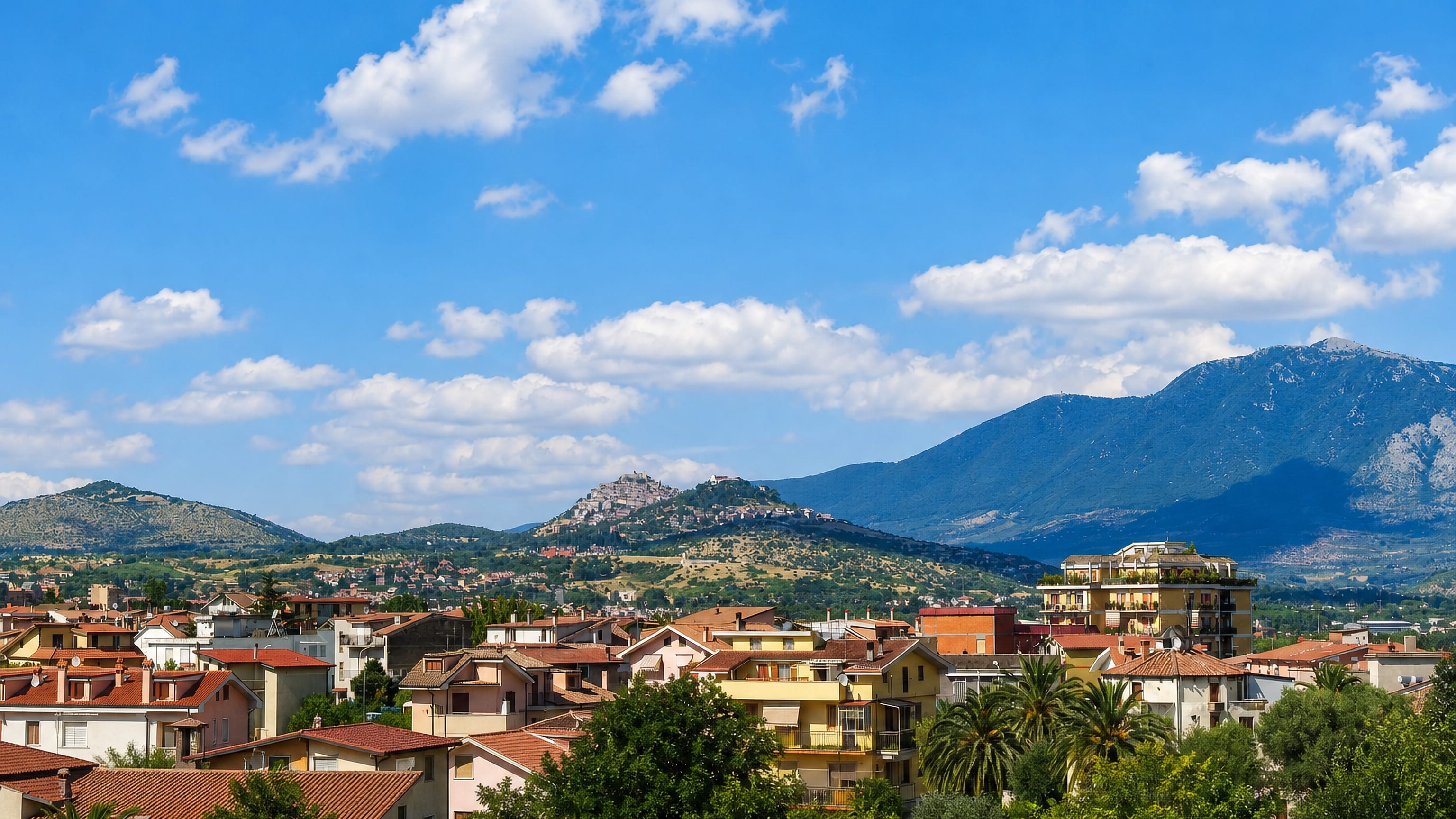
Italy · Lazio
Where to Stay in Guidonia Montecelio, Lazio
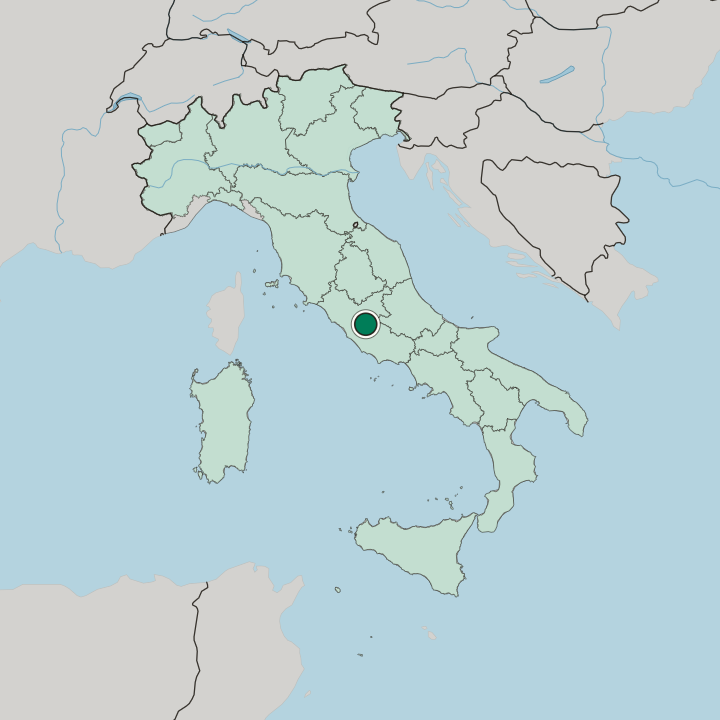
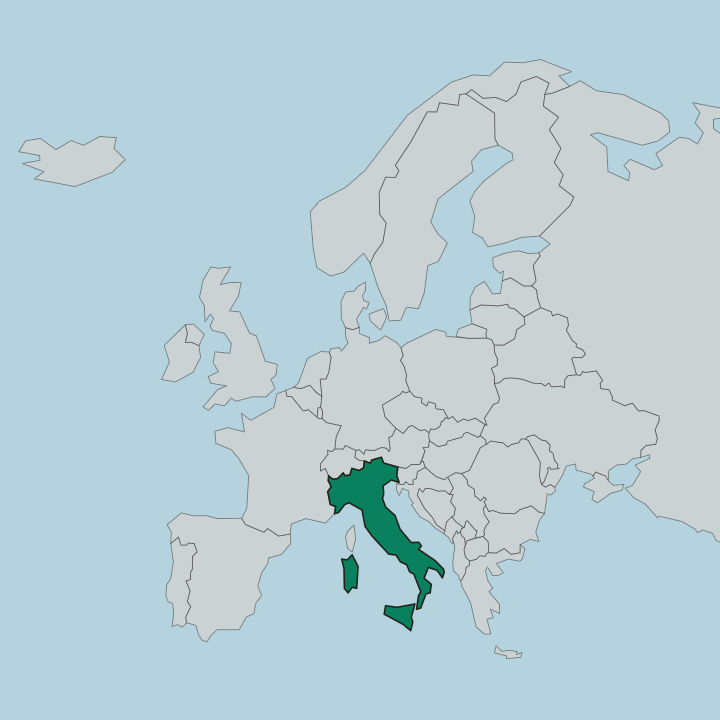
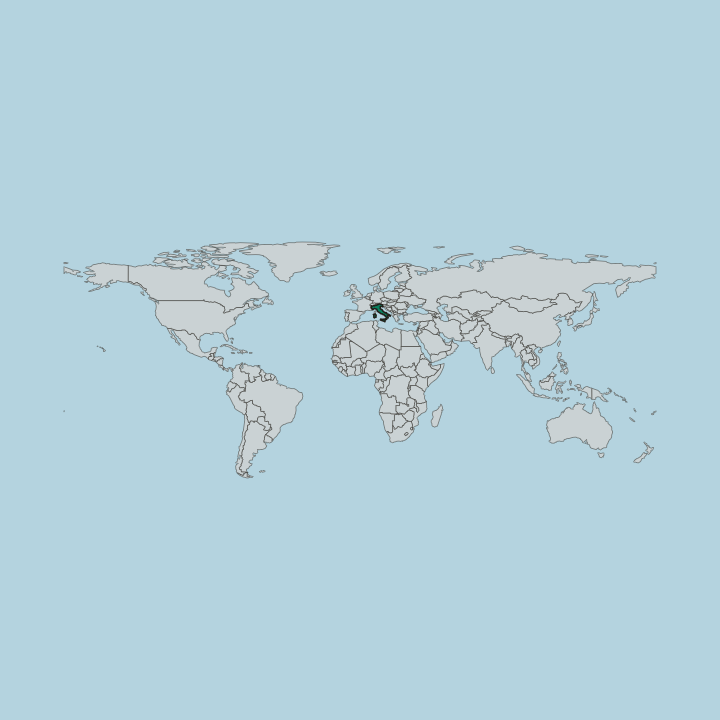
Guidonia Montecelio, commonly called Guidonia, dates from 1937 and lies inside the Metropolitan City of Rome Capital in central Italy.
Hotel links are affiliate links: booking through them may earn us a commission, at no extra cost to you. It never affects how places are ranked. How this works


Where to stay in Guidonia Montecelio
How the choice of base plays out on the ground.
A double name means a divided town. Guidonia carries the newer half, the part laid out after the comune was created in 1937, and its regular streets hold the shops, the parishes of Santa Maria di Loreto and chiesa di San Filippo Neri, and most of the rooms that exist at all. Beds are practical rather than plentiful.
You want this half if a base within reach of Rome matters more to you than the character of the building you sleep in. The Montecelio half answers to the other end of the name and keeps a quieter feel, with chiesa di Sant'Antonino and chiesa di San Lorenzo among its churches and the antiquarium of Don Celestino Piccolini holding the finds that the surrounding ground has given up over the years. Few lodgings sit up there.
Out toward the Albulae Aquae and Aquapiper the traffic is seasonal, rising with the warm months and falling away again, so a room in that direction depends heavily on when the visit falls. Nothing here is a resort. Guidonia Montecelio works as a place to sleep while the Metropolitan City of Rome Capital supplies the reason for the trip, and most visitors treat it exactly that way.
Find hotels in Guidonia Montecelio
Direct booking searches for these neighbourhoods.
Central Guidonia
Santa Maria di Loreto and chiesa di San Filippo Neri sit inside the 1937 street planFind hotels in Central GuidoniaThe other end of the comune's double nameThe Montecelio half
chiesa di Sant'Antonino and the antiquarium of Don Celestino Piccolini belong to this side. Few places to stay nearby — book ahead.Find hotels in The Montecelio halfWarm-month trips built around Aquapiper and the watersToward the Albulae Aquae
Traffic on the Albulae Aquae side rises and falls with the season. Rooms are few around here — worth securing early.Find hotels in Toward the Albulae AquaeHotel links are affiliate links: booking through them may earn us a commission, at no extra cost to you. It never affects how places are ranked. How this works
Things to do in Guidonia Montecelio
Ranked by global recognition; descriptions from Wikidata (CC0).
Museums & Galleries
1- antiquarim comunale "Don Celestino Piccolini" Heritage
Churches & Religious Sites
3- San Michele Arcangelo Heritage
- chiesa di San Lorenzo Heritage
- chiesa di Sant'Antonino Heritage
Castles & Historic Sites
1- Albulae Aquae
worth knowingacross 3 categories in Guidonia Montecelio
About Guidonia Montecelio
Water gives the town its oldest name.
What is Guidonia Montecelio known for?
The Albulae Aquae carry a Latin title into a comune otherwise created in 1937, and Aquapiper adds a modern draw to the same stretch of Lazio country outside Rome. Parish churches supply the rest. Santa Maria di Loreto, San Michele Arcangelo, chiesa di San Lorenzo and chiesa di Sant'Antonino stand among the streets, while the antiquarium named for Don Celestino Piccolini keeps what the local ground has produced.
What are the main landmarks in Guidonia Montecelio?
Six churches and a spring name make the list. San Michele Arcangelo, Santa Maria di Loreto, chiesa del Sacro Cuore di Gesù, chiesa di San Filippo Neri, chiesa di Sant'Antonino and chiesa di San Lorenzo divide the parish work between them, which for a comune of this age is a substantial inheritance. The Albulae Aquae name the water.
Aquapiper works the same element for entertainment, and the antiquarium of Don Celestino Piccolini gathers the archaeological material into one municipal room.
What is the history of Guidonia Montecelio?
The comune is younger than its ground. Guidonia Montecelio was constituted in 1937, joining two names into one administrative body, and the newer of them gave the town the form of a planned twentieth-century foundation rather than a settlement grown slowly around a market. Latin came first, though.
The Albulae Aquae carry a name from the ancient language into the present municipal territory, which is the clearest sign that the waters here were known and used long before the modern comune existed. Church building marks the intervening centuries and the recent ones alike. Chiesa di Sant'Antonino, chiesa di San Lorenzo and San Michele Arcangelo belong to the parish network that served the population before and after the union of the two names, while Santa Maria di Loreto, chiesa del Sacro Cuore di Gesù and chiesa di San Filippo Neri answered the growth that followed it.
The antiquarium keeps the physical record. Named for Don Celestino Piccolini, it holds the finds recovered from the surrounding fields and gives the comune the one collection where its longer past can actually be seen. Rome then took over the story.
Guidonia Montecelio now forms part of the Metropolitan City of Rome Capital, an arrangement that ties its daily traffic, its housing and its labour market to the capital rather than to the smaller centres of Lazio around it. Aquapiper belongs to that later phase. Built for visitors from the metropolitan area rather than for the town itself, it shows how completely the pull of central Italy's largest city has reshaped what a place like this is for.
Where is Guidonia Montecelio?
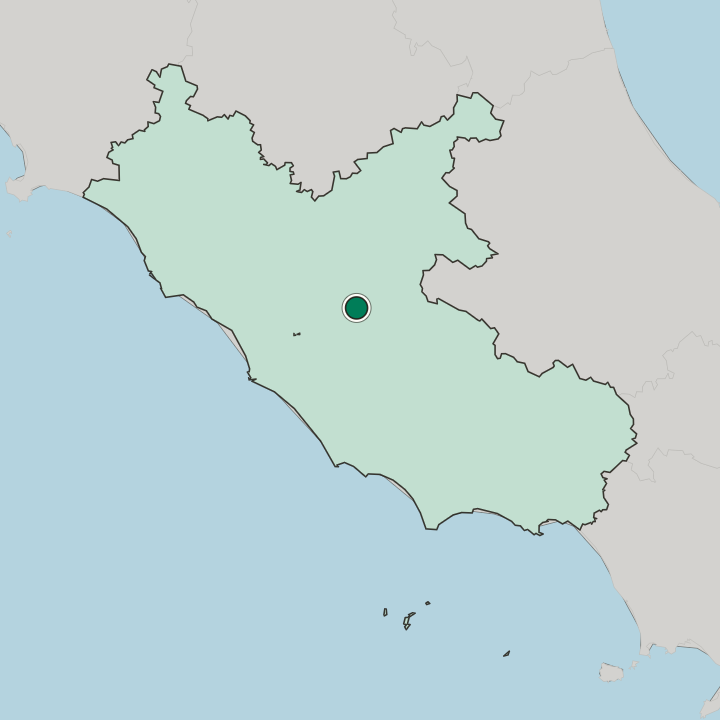
The municipality covers about seventy-nine square kilometres of Lazio country inside the Metropolitan City of Rome Capital, enough ground to hold both the built-up streets of Guidonia and the open land that separates them from Montecelio. Fields fill the gaps. The Albulae Aquae mark the watered part of that territory, and beyond the last houses the countryside of central Italy runs on toward the smaller comuni that share this stretch of the metropolitan area.
What is the climate of Guidonia Montecelio?
Hot dry summers and mild wet winters follow the ordinary rhythm of central Italy, and Guidonia Montecelio, sitting in the temperate band well inland of any moderating coast, feels both ends of that pattern more plainly than the shoreline towns do. Rain concentrates outside summer. Aquapiper fills when the heat arrives.
The open fields between the two halves of the comune cool quickly once the sun drops, which makes evenings easier than the afternoons suggest.
How do you get to Guidonia Montecelio?
Rome supplies the traffic. Roads out of the capital cross the metropolitan area to reach Guidonia Montecelio, and the same routes carry the daily commute back the other way, which makes arrival straightforward at almost any hour but the busiest. Signs point to Guidonia rather than the full name.
Once in town the parish of San Michele Arcangelo and the Albulae Aquae serve as the fixed points for anyone finding their way around.
Common questions
What is the best area to stay in Guidonia Montecelio?
Central Guidonia: Walking days among the town's parish churches. The Montecelio half: The other end of the comune's double name. Toward the Albulae Aquae: Warm-month trips built around Aquapiper and the waters.
Good for
More cities in Lazio
Updated October 2026