Italy · Lazio
Where to Stay in Latina, Lazio
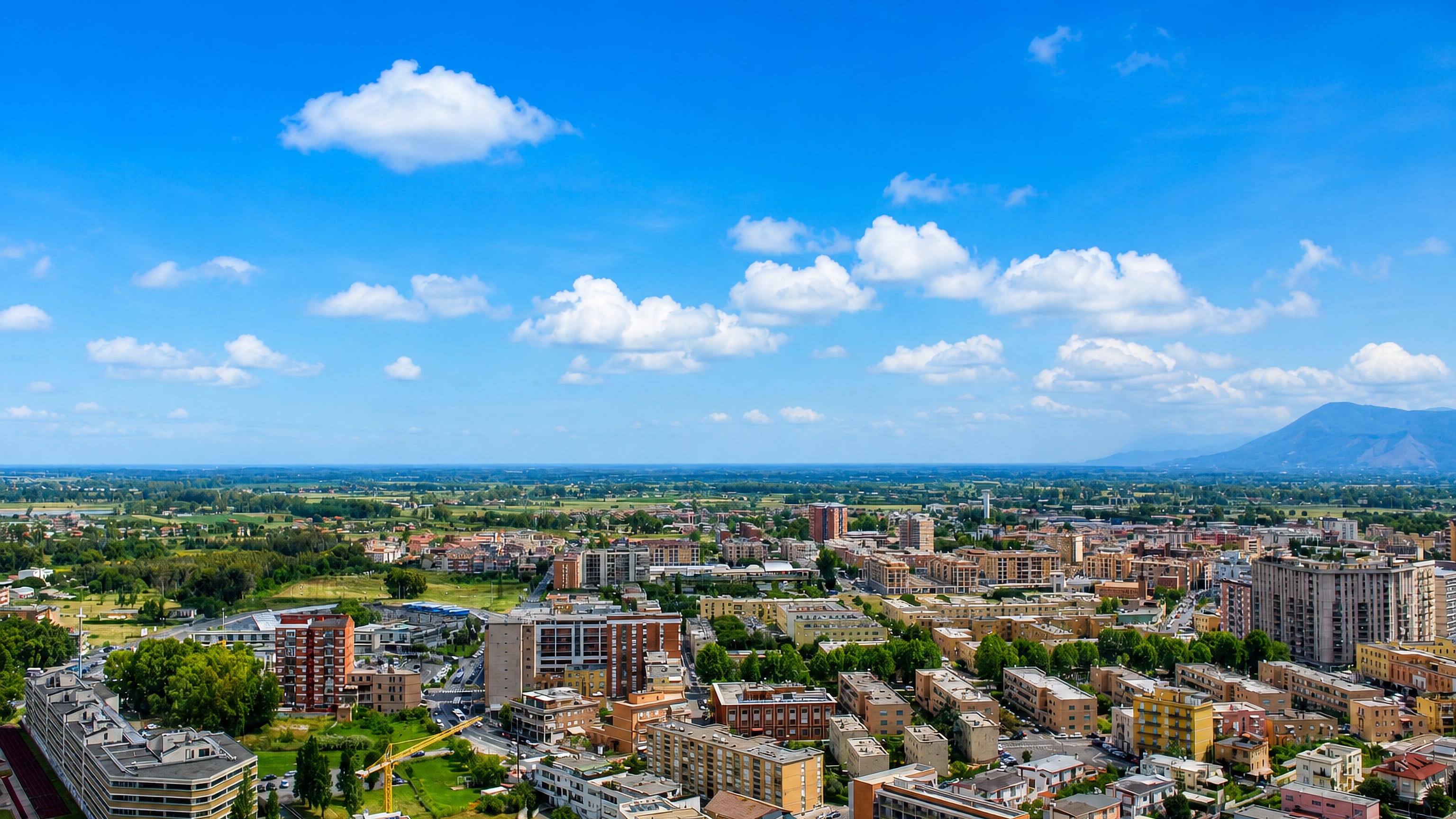
Latina is the capital of its province and, after Rome, the largest city in Lazio, laid out from 1932 on the plain of central Italy.
Hotel links are affiliate links: booking through them may earn us a commission, at no extra cost to you. It never affects how places are ranked. How this works


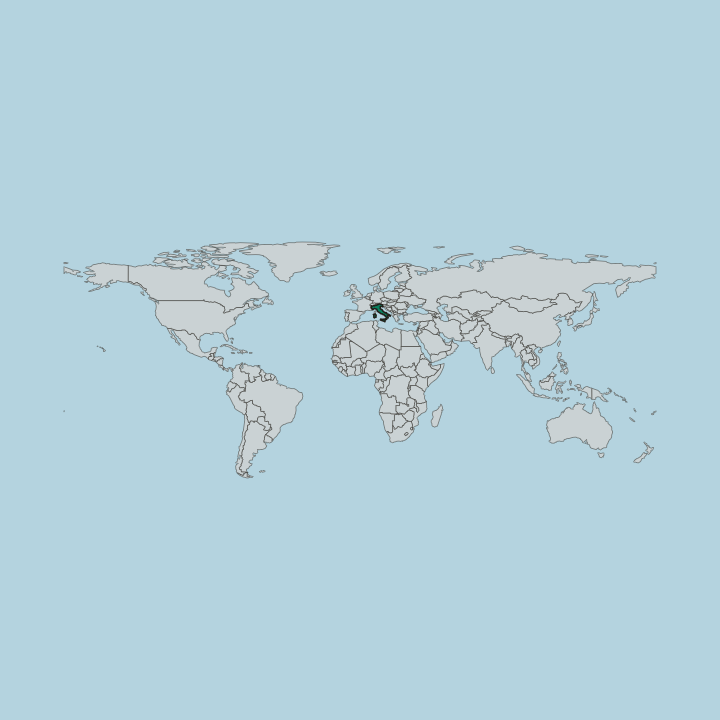
Where to stay in Latina
Where visitors usually base themselves, and why.
Latina spreads wider than it looks. The city was drawn up from 1932 with a formal centre and a great deal of territory around it, so the practical decision is whether to sleep inside the planned core or somewhere out in the comune, and the two experiences have very little in common. Latina Cathedral marks the middle.
Rooms within a few streets of it put the Museo civico Duilio Cambellotti and the Galleria Civica d'Arte Moderna e Contemporanea di Latina inside an easy walk, along with the shops and the evening life such a centre gathers. Out past that core the municipality keeps going for a long way. Lodgings there are scattered, aimed at drivers rather than walkers, and they suit anyone using the provincial capital as a base for the wider country the Museo della Terra Pontina describes.
You want the centre if you have no car. Church quarters offer a middle course, since the parishes of San Francesco d'Assisi, Santa Domitilla and the chiesa dei Santi Pietro e Paolo sit in residential streets that stay within reach of the middle without paying its noise, and beds there tend to be quieter without being remote.
Find hotels in Latina
Direct booking searches for these neighbourhoods.
The cathedral core
The 1932 plan set the cathedral among the streets that hold most of the bedsFind hotels in The cathedral coreQuieter residential blocks near San Francesco d'Assisi and Santa DomitillaThe parish streets
The chiesa dei Santi Pietro e Paolo sits among housing still close to the centreFind hotels in The parish streetsDrivers touring the country the Museo della Terra Pontina describesThe wider comune
Lodgings scatter across one of the largest municipal territories in Lazio. Few places to stay nearby — book ahead.Find hotels in The wider comuneHotel links are affiliate links: booking through them may earn us a commission, at no extra cost to you. It never affects how places are ranked. How this works
Things to do in Latina
Ranked by global recognition; descriptions from Wikidata (CC0).
Museums & Galleries
1- Galleria Civica d'Arte Moderna e Contemporanea di Latina Heritage
Churches & Religious Sites
3- Latina Cathedral
- San Francesco d'Assisi
- Santa Domitilla
worth knowingacross 2 categories in Latina
About Latina
What is Latina known for?
Latina's interest sits mostly in its museums. The Museo della Terra Pontina explains the land the city was built on, the Museo civico Duilio Cambellotti carries the civic collections, and the Galleria Civica d'Arte Moderna e Contemporanea di Latina handles everything made since. Latina Cathedral gives the centre its focus.
Two smaller collections, the Maurizio Violo Museum of Mineral Art and Deposits and the Museo Mario Valeriani, fill out a cultural list that is unusually long for a city of this age.
What are the main landmarks in Latina?
Latina Cathedral heads a short but varied list. San Francesco d'Assisi, Santa Domitilla and the chiesa dei Santi Pietro e Paolo serve the parishes, all of them belonging to a city whose entire built fabric postdates its foundation. The collections are the real attraction.
Museo civico Duilio Cambellotti, the Museo della Terra Pontina, the Galleria Civica d'Arte Moderna e Contemporanea di Latina, the Museo Mario Valeriani and the Maurizio Violo Museum of Mineral Art and Deposits divide the city's exhibits between them.
What is the history of Latina?
A province needed a capital, and one was built. Latina dates from 1932, which makes it younger than most Italian cities by many centuries and explains why its streets carry no medieval quarter, no ancient wall and no accumulated tangle of earlier plans. The design came whole.
What arrived instead was a complete civic programme, laid out with a centre, a cathedral site and room to grow into the surrounding country of Lazio. Growth then exceeded what the founders had drawn. The city rose to become the largest in the region after Rome itself, taking the administration of its province with it and drawing in the trade, the offices and the services that a provincial capital of that weight requires.
Latina Cathedral took the religious lead. San Francesco d'Assisi, Santa Domitilla and the chiesa dei Santi Pietro e Paolo followed as the parishes multiplied across new residential districts, each of them modern buildings for a modern population. The museums came later, and they carry the memory.
Museo della Terra Pontina keeps the record of the land itself and of the work that made it habitable, the Museo civico Duilio Cambellotti holds the civic collections under the name it carries, and the Galleria Civica d'Arte Moderna e Contemporanea di Latina collects the art of the century that produced the city. Private enthusiasms added the rest. The Museo Mario Valeriani and the Maurizio Violo Museum of Mineral Art and Deposits show how quickly a young city accumulates institutions once it has the population to sustain them.
Where is Latina?
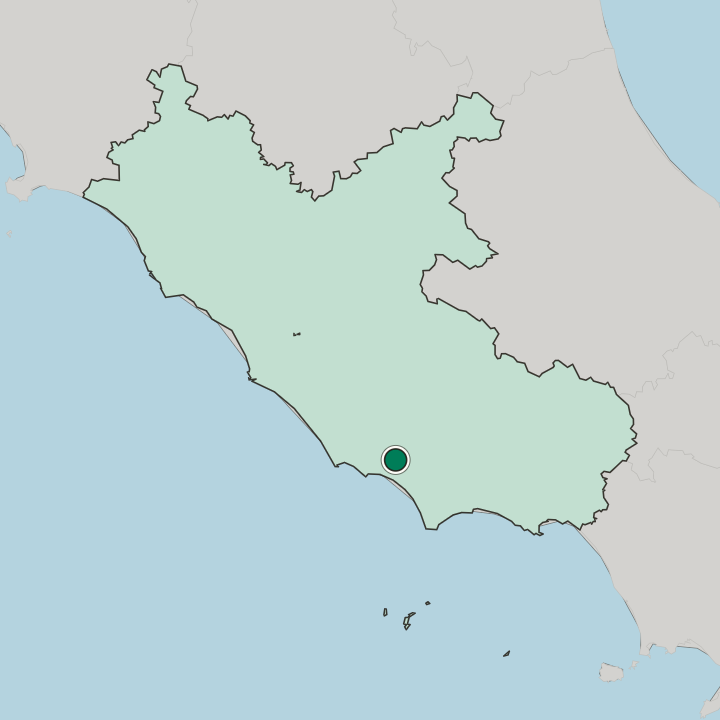
Flat ground defines the setting. Latina occupies a wide plain in Lazio, its municipality covering some two hundred and seventy square kilometres, which leaves the planned centre as a compact island of streets inside a great deal of open country. Fields run to the horizon.
The Museo della Terra Pontina takes its name from that land, and the coastal lowland of central Italy continues well past the municipal boundary.
What is the climate of Latina?
The Terra Pontina country runs hot and humid through the summer months, and Latina, without hills to break the air, takes the full weight of it before the rains of autumn bring the temperature down again. Cold months pass gently on the plain. Damp mornings hang over the fields well past sunrise in the colder half of the year, clearing slowly as the light strengthens.
The temperate band keeps extremes rare.
How do you get to Latina?
Most arrivals come down from Rome, the road corridor between the two carrying commuters, officials and freight into a provincial capital that depends on the connection daily. The journey is short. Within the city the planned layout does the rest, since straight streets around Latina Cathedral make finding an address simpler here than in the older centres of Italy.
Common questions
What is the best area to stay in Latina?
The cathedral core: Walkable nights beside Latina Cathedral. The parish streets: Quieter residential blocks near San Francesco d'Assisi and Santa Domitilla. The wider comune: Drivers touring the country the Museo della Terra Pontina describes.
Good for
More cities in Lazio
Updated October 2026