Italy · Lazio
Where to Stay in Rome, Lazio
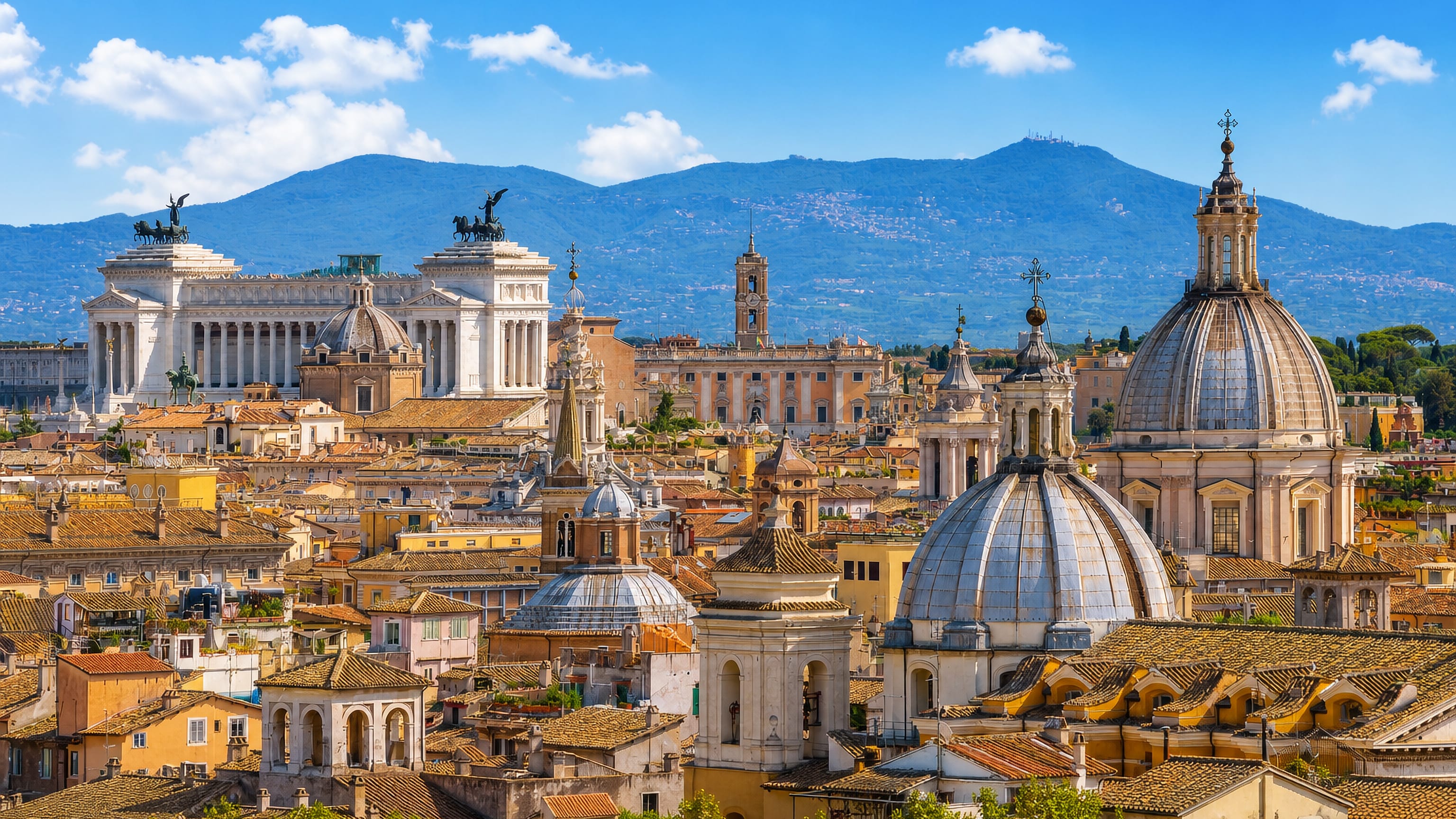
Rome is the capital of Italy, on the river Tiber across the seven hills, where ancient Rome grew around the Colosseum and the Roman Forum.
Hotel links are affiliate links: booking through them may earn us a commission, at no extra cost to you. It never affects how places are ranked. How this works


Where to stay in Rome
The right area depends on your trip — here's what each neighbourhood is best for.

 RomeItaly
Sant'Angelo
Sant'Angelo is the eleventh rione of Rome, a compact quarter around the Theatre of Marcellus, the Porticus Octaviae and Sant'Angelo in Pescheria.Where to stay →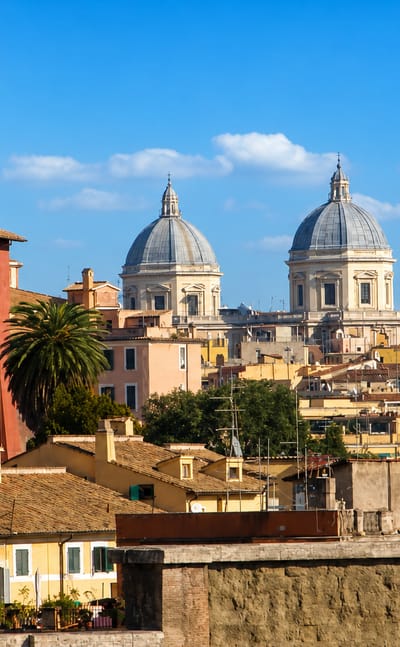 RomeItaly
Monti
Monti is Rome's first and largest rione, a central district wrapping the Colosseum, the Roman Forum and the Imperial fora.Where to stay →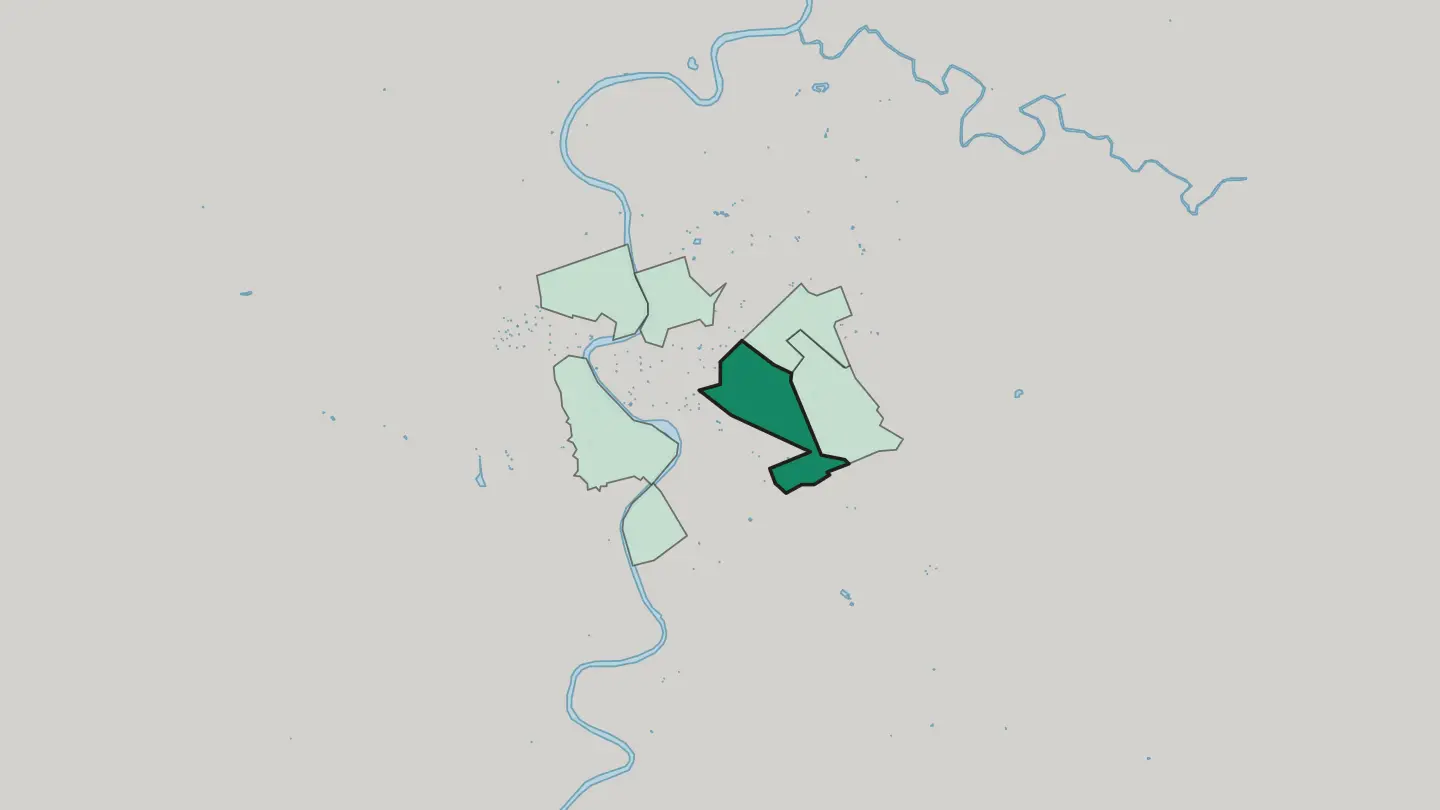
 RomeItaly
Pigna
Pigna is the ninth rione of Rome, named for the colossal bronze pine cone that became the quarter's symbol and stood in its fountain.Where to stay → RomeItaly
Campitelli
Rome's tenth rione, Campitelli covers the Roman Forum, the Palatine Hill and the ground the Colosseum stands on.Where to stay → RomeItaly
Sant'Eustachio
Sant'Eustachio takes its name from a church and forms Rome's eighth rione, holding the Ara Pacis, the Temple of Hadrian and Sant'Ignazio Church.Where to stay → RomeItaly
Ripa
Santa Prisca, Santi Bonifacio e Alessio and Santa Maria del Priorato all stand in Ripa, the twelfth rione of Rome.Where to stay → RomeItaly
Regola
Regola is the seventh rione of Rome, its name drawn from Arenula, the soft sand the Tiber left along the left bank after each flood.Where to stay → RomeItaly
Parione
Parione is the sixth rione of Rome, its name worn down from Parietone, the nickname given to a huge ancient wall that once stood here.Where to stay → RomeItaly
Colonna
The Column of Marcus Aurelius gives Colonna its name, and the third rione of Rome runs outward from Piazza Colonna around it.Where to stay → RomeItaly
Trevi
Trevi is the second rione of Rome, its name traced to the Latin trivium and the three streets that once met at Piazza dei Crociferi.Where to stay →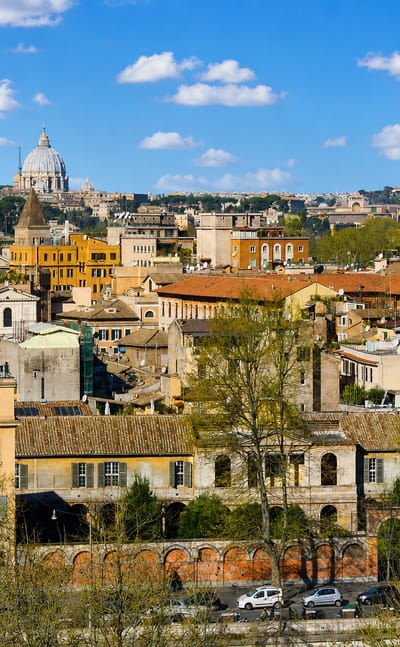 RomeItaly
Trastevere
Trastevere is the thirteenth rione of Rome, on the west bank of the Tiber, its name drawn from the Latin trans Tiberim.Where to stay →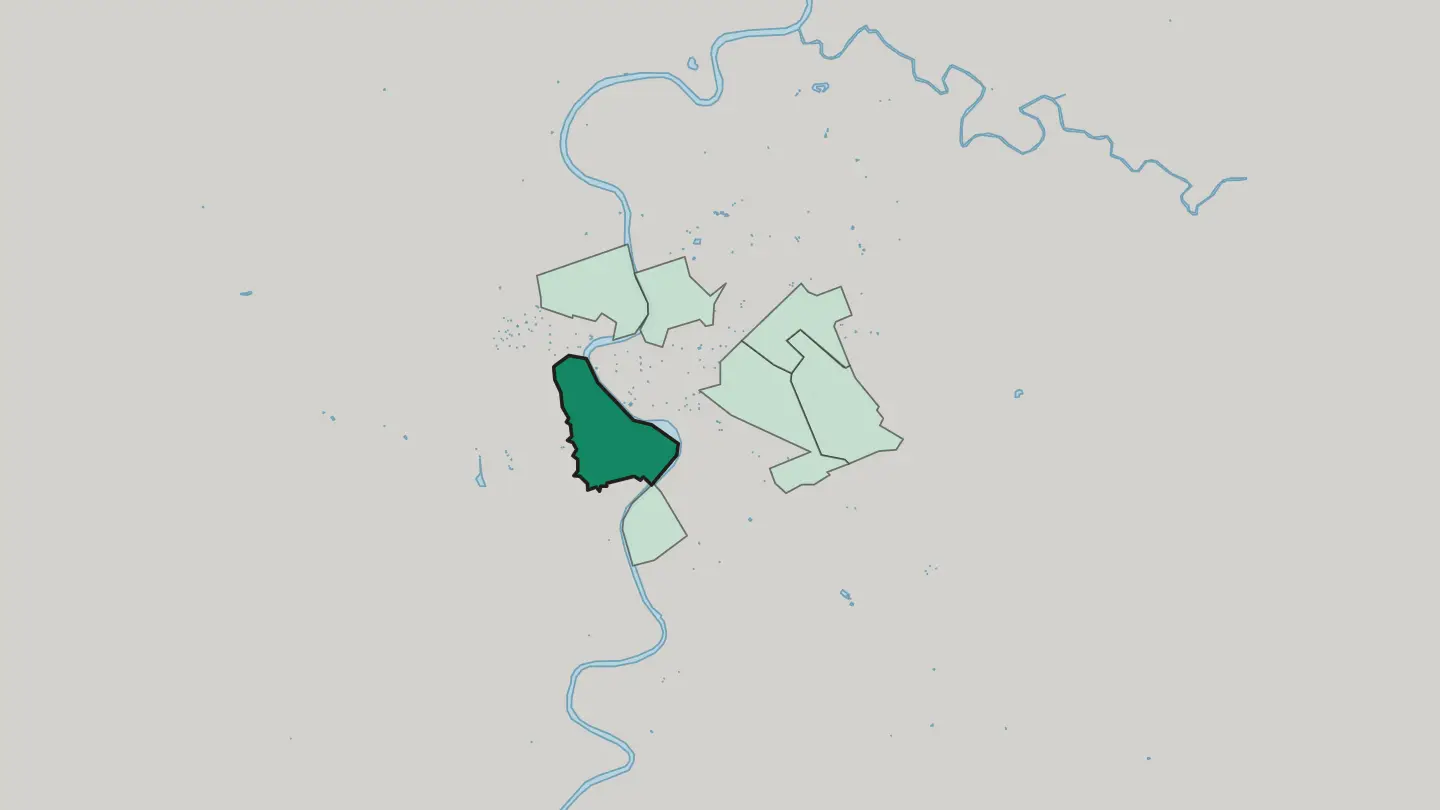
 RomeItaly
San Saba
San Saba is a rione of Rome named for the Basilica of San Saba, a quiet slice of Municipio I edged by the Aurelian Walls.Where to stay →All neighbourhoods (31)
 RomeItaly
Celio
Marked out in 1921, Celio is the nineteenth rione of Rome, wrapped around the Caelian Hill and reaching Porta San Giovanni.Where to stay → RomeItaly
Ponte
Ponte is the fifth rione of Rome, named for Ponte Sant'Angelo, a bridge that later passed to neighbouring Borgo but still fills its arms.Where to stay → RomeItaly
Ludovisi
Ludovisi, the sixteenth rione of Rome, was carved out in 1921 and holds Sant'Isidoro a Capo le Case and the Christuskirche.Where to stay →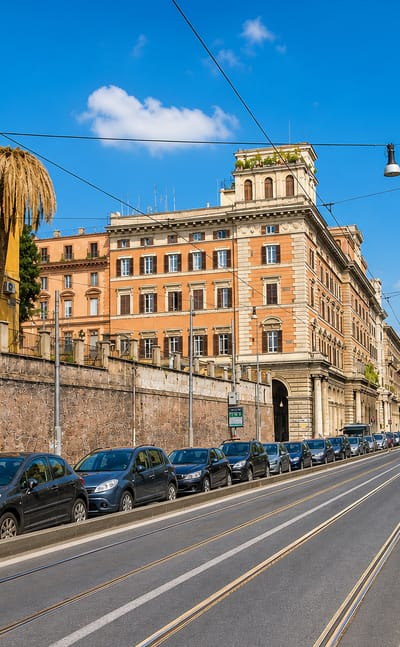 RomeItaly
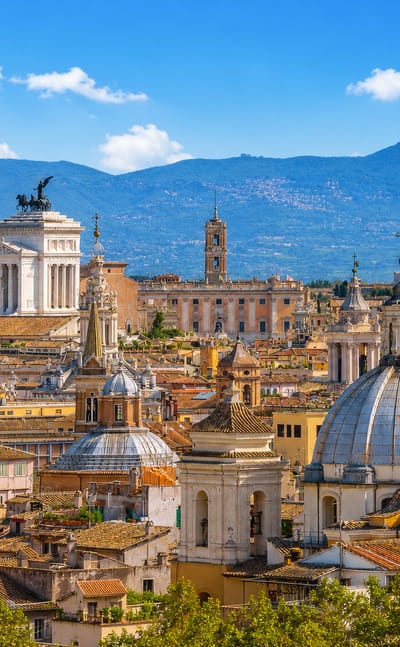
Esquilino
Esquilino is a rione of Rome on the Esquiline Hill, holding the Domus Aurea, the Baths of Trajan and the basilica of San Pietro in Vincoli.Where to stay →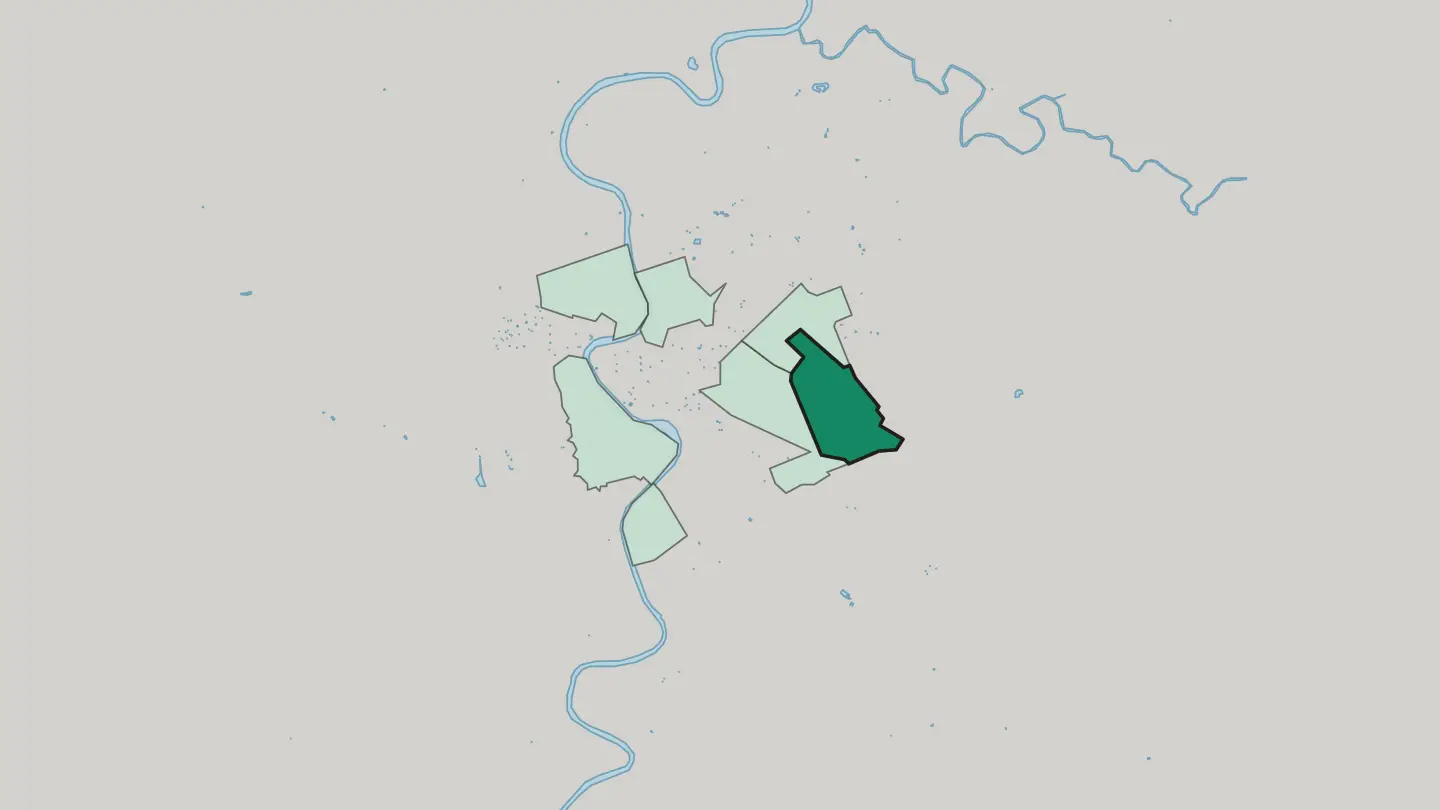
 RomeItaly
Sallustiano
Sallustiano is the seventeenth rione of Rome, inside Municipio I, named for the ancient Gardens of Sallust that stood on this ground.Where to stay →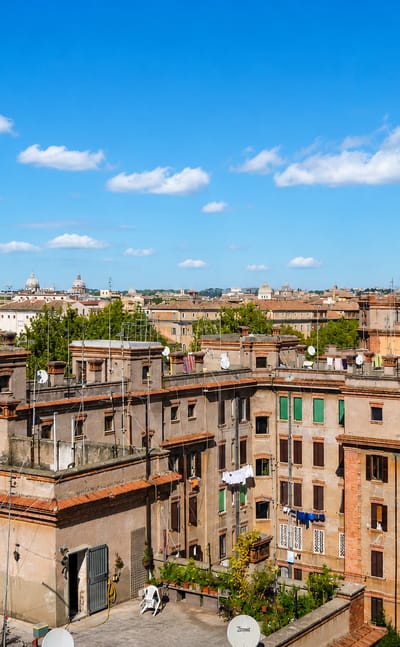 RomeItaly
Testaccio
Testaccio is the twentieth rione of Rome, a former river-port quarter named for Monte Testaccio, a mound built from broken Roman amphorae.Where to stay →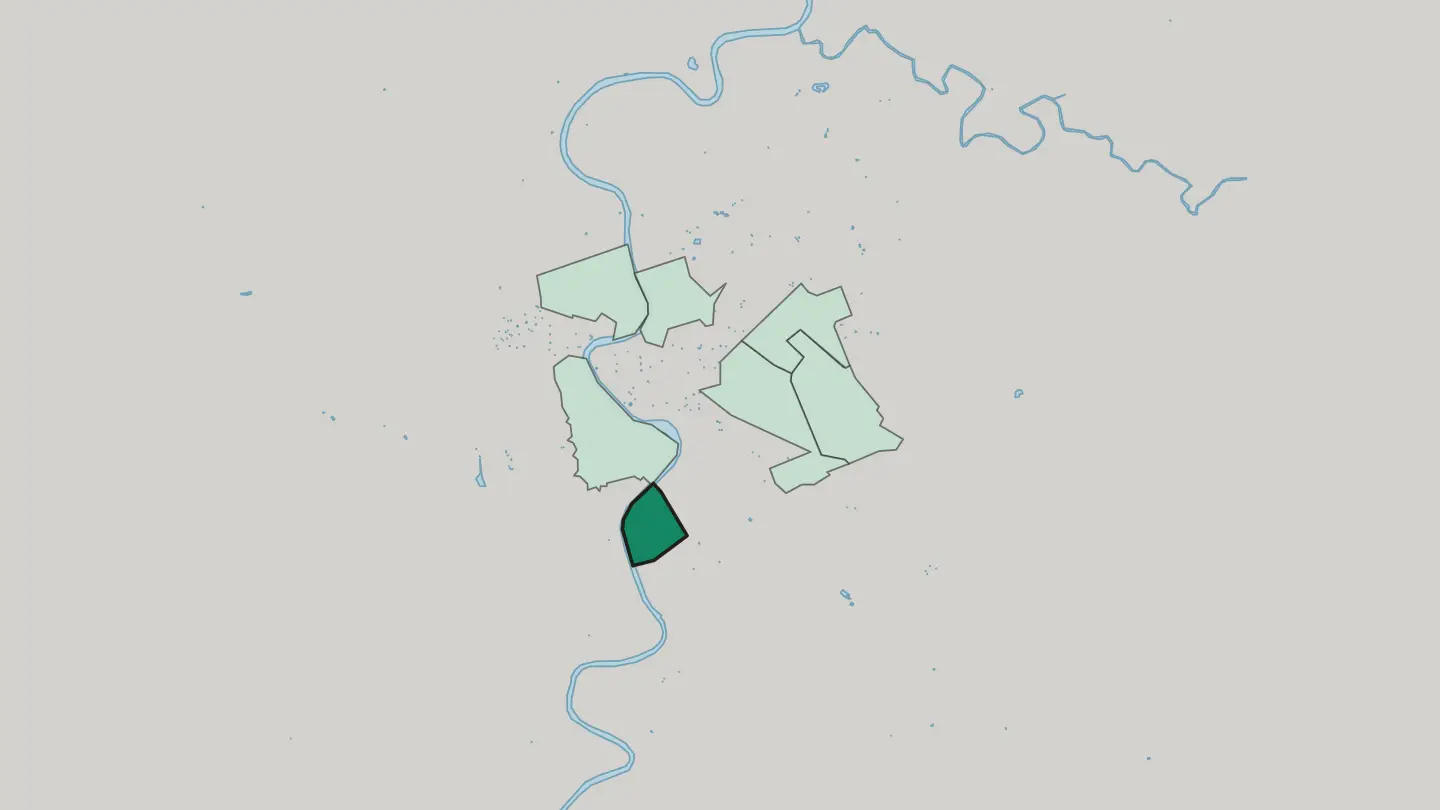 RomeItaly
Campo Marzio
Campo Marzio is the fourth rione of Rome, flat ground in a bend of the Tiber north of the Quirinal and the Capitoline.Where to stay →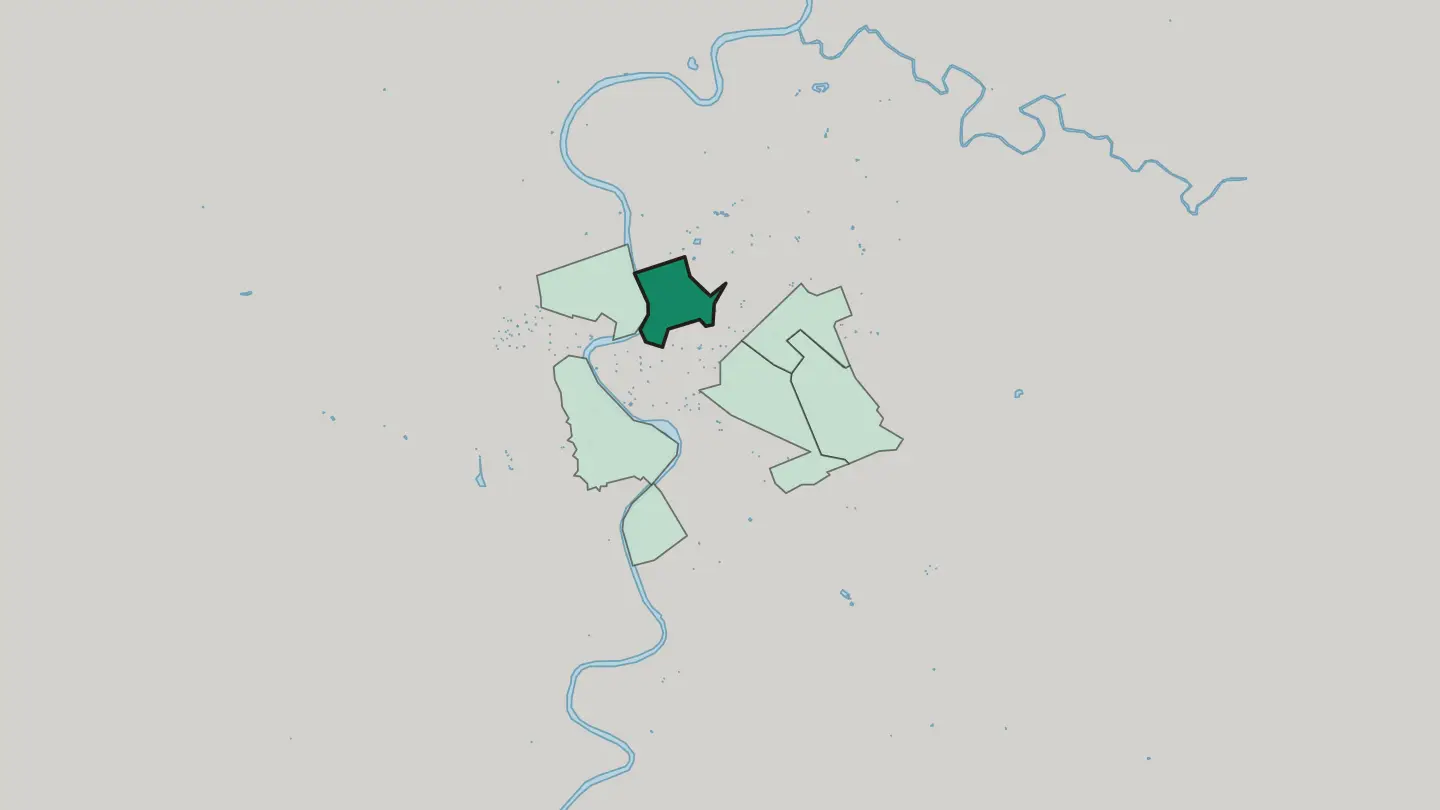
 RomeItaly
Borgo
Borgo is the fourteenth rione of Rome, a compact quarter of churches, hospital buildings and small museums within Municipio I.Where to stay →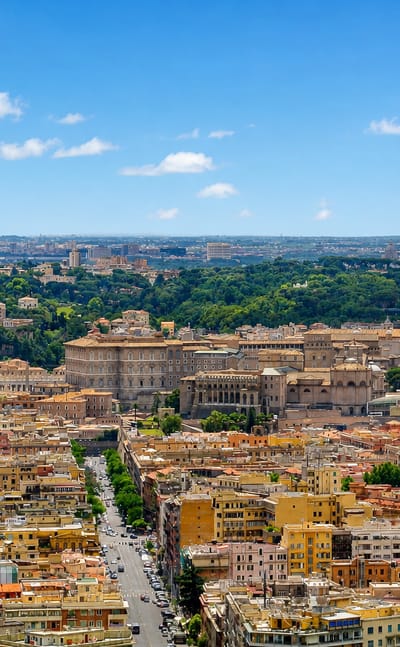 RomeItaly
Prati
Prati is the 22nd rione of Rome, a planned quarter facing the historic centre across the river, beside Castel Sant'Angelo.Where to stay →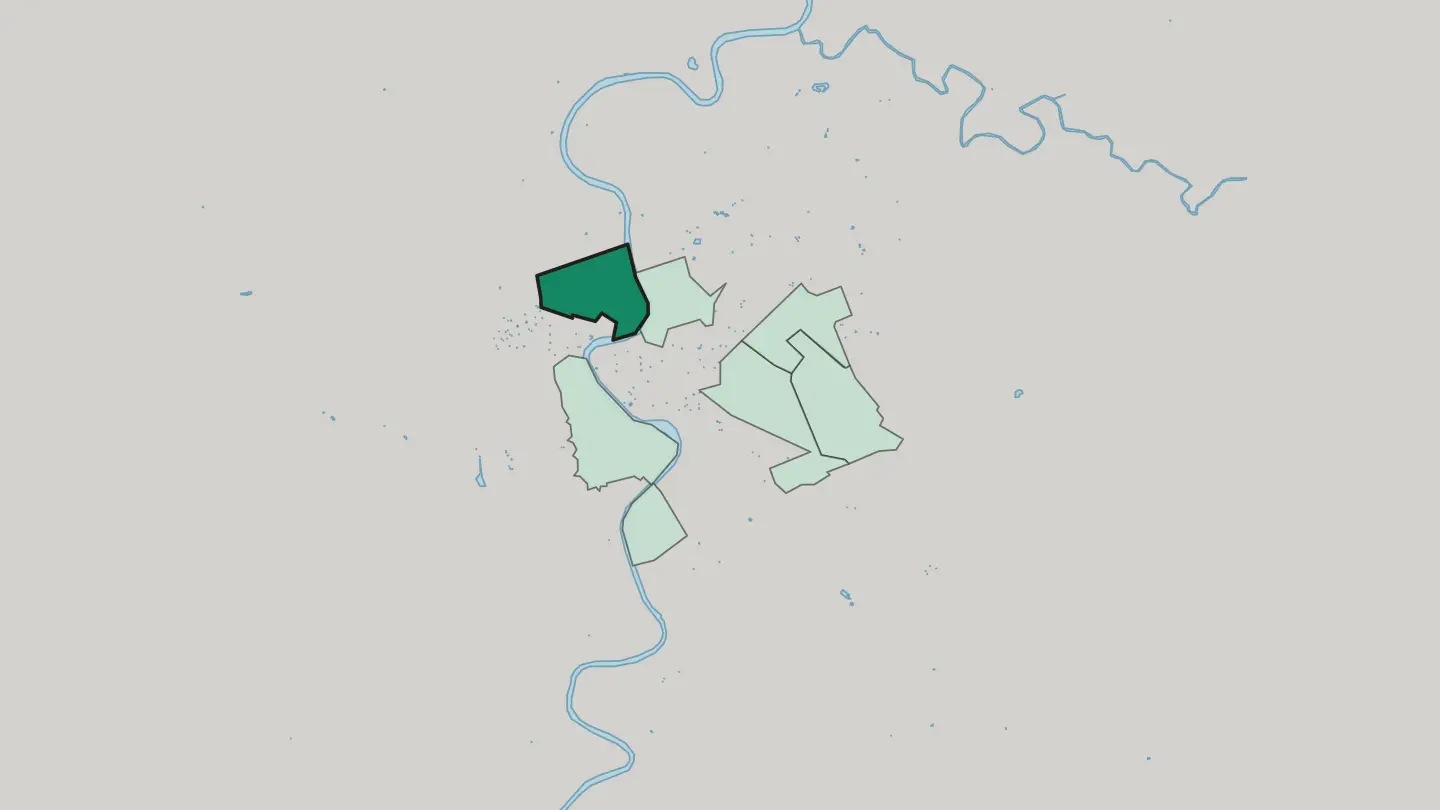
 RomeItaly
Castro Pretorio
Castro Pretorio is a rione of central Rome built around the Castra Praetoria, the Praetorian Guard's barracks, beside the Baths of Diocletian.Where to stay →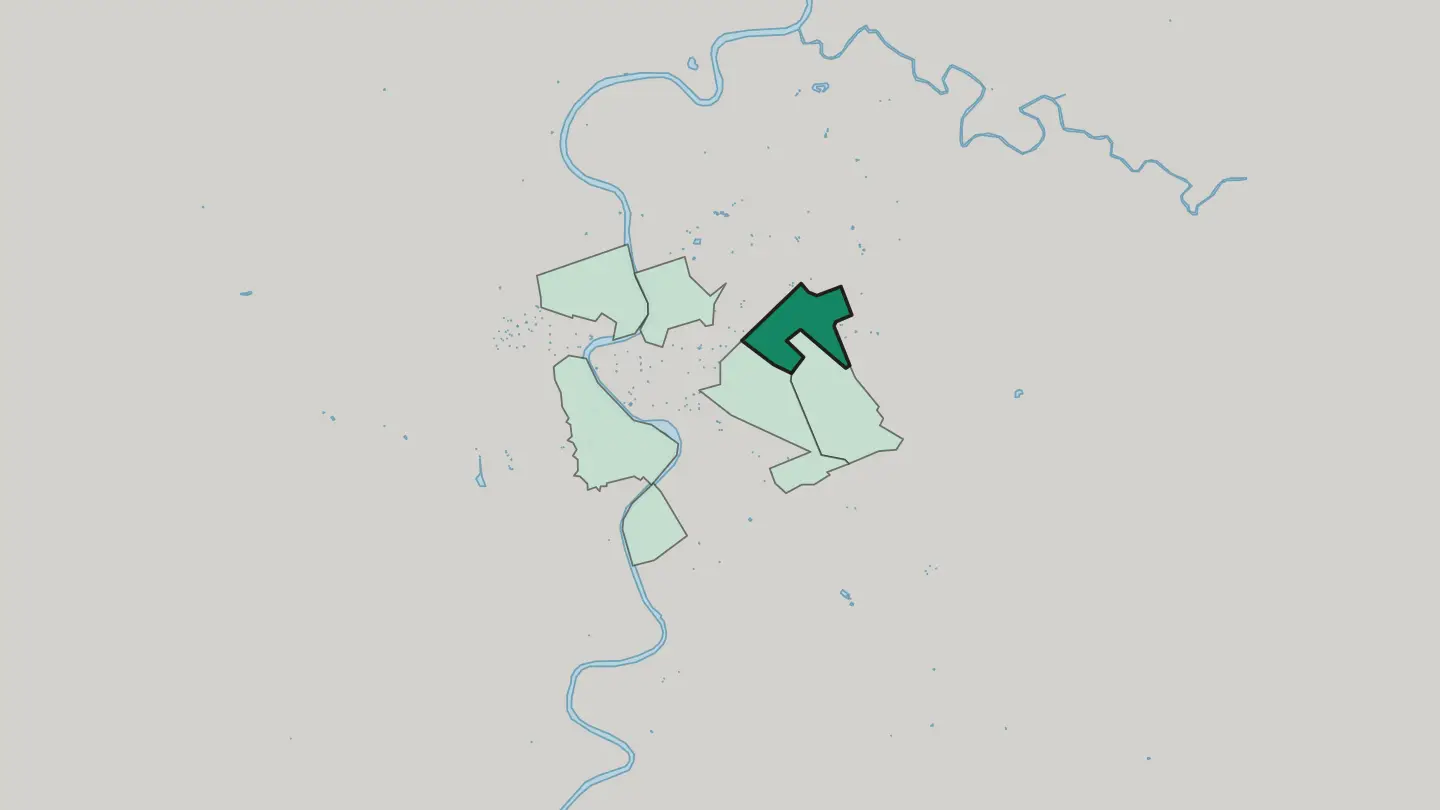 RomeItaly
Della Vittoria
Della Vittoria, entered on the register under the official name Milvio, is a quarter of Rome whose churches carry the name of Monte Mario.Where to stay → RomeItaly
Garbatella
Garbatella lies in the Ostiense quarter of Rome, an urban zone of Municipio VIII holding Centrale Montemartini and two ancient catacombs.Where to stay →RomeItalyCasal Bertone
Casal Bertone is a compact residential quarter of eastern Rome, edged by Roman tombs, catacombs and the church of Santa Maria Consolatrice.Where to stay →RomeItalyTor di Quinto
The Museum Venanzo Crocetti and two churches under the name of Sant'Andrea sit inside Tor di Quinto, a district of Rome drawn in 1954.Where to stay →RomeItalyGianicolense
Gianicolense is a quarter of Rome dating from 1932, its short landmark roll led by San Bruno and the Church of Santa Chiara at Villa York.Where to stay →RomeItalyTor Sapienza
Tor Sapienza is a district of Rome dating from 1961, with the Museo Birra Peroni and the San Cirillo Alessandrino church among its named sites.Where to stay →RomeItalyInfernetto
Infernetto is a suburban zone of Rome, part of the city's Municipio X administration in the Lazio region of Italy.Where to stay → RomeItaly
Casal Palocco
Casal Palocco is a district of Rome, in Italy, founded in 1961 on the coastal Roman Litoral.Where to stay →RomeItalyLido di Ostia
Sand runs the whole length of Lido di Ostia, the seaside district of Rome on the Tyrrhenian Sea, where the Pontile carries walkers out over the water.Where to stay →Hotel links are affiliate links: booking through them may earn us a commission, at no extra cost to you. It never affects how places are ranked. How this works
Find hotels in Rome
Direct booking searches for these neighbourhoods.
The historic centre
Piazza Navona, the Pantheon and the squares of the old city sit within one walkable web of lanes near the river Tiber.Find hotels in The historic centreTravellers who want the Colosseum and the Roman Forum at the doorstepAround the Colosseum
The Colosseum, the Roman Forum and the Palatine Hill form the archaeological core, with the Capitoline Museums on the hill above.Find hotels in Around the ColosseumShoppers basing between the Spanish Steps and the Trevi FountainNear the Spanish Steps
The Spanish Steps and Piazza di Spagna anchor the shopping streets, a short walk from the Trevi Fountain.Find hotels in Near the Spanish StepsEarly risers heading first to Vatican City and Castel Sant'AngeloThe Vatican area
Castel Sant'Angelo and Vatican City stand across the river Tiber from the old city, with quiet morning streets.Find hotels in The Vatican areaQuiet stays near the Circus Maximus and the Baths of CaracallaBy the Circus Maximus
The Circus Maximus and the Baths of Caracalla open green ground inside the Aurelian Walls, south of the busy centre.Find hotels in By the Circus MaximusFamilies wanting the Galleria Borghese and its park nearbyAround the Galleria Borghese
The Galleria Borghese and its park edge give a green buffer above the centre, away from the heaviest foot traffic.Find hotels in Around the Galleria BorgheseHotel links are affiliate links: booking through them may earn us a commission, at no extra cost to you. It never affects how places are ranked. How this works
Things to do in Rome
Ranked by global recognition; descriptions from Wikidata (CC0).
Museums & Galleries
8- Castel Sant'Angelo Heritage castle and museum
- Baths of Caracalla Heritage public baths
- Galleria Borghese Heritage
- Capitoline Museums Heritage municipal museum of the city of Rome
- Galleria Doria Pamphilj Heritage
Show 3 more →
- Palazzo Colonna Heritage
- Galleria Spada Heritage
- Accademia di San Luca Heritage
Churches & Religious Sites
8- Pantheon Heritage ancient Roman temple
- Sant'Ignazio Church Heritage
- Church of the Gesù Heritage
- San Pietro in Vincoli Heritage
- Saint Charles at the Four Fountains Heritage
Show 3 more →
- Sant'Agnese in Agone Heritage
- San Luigi dei Francesi Heritage
- Santa Maria della Vittoria Heritage
Castles & Historic Sites
8- Colosseum Heritage ancient Roman amphitheatre, a landmark of Rome
- Roman Forum Heritage Ancient Roman center of the city, a landmark of Rome
- Arch of Constantine Heritage triumphal arch
- Domus Aurea Heritage domus, palace of Roman emperor Nero, "Golden house"
- Pyramid of Cestius Heritage Ancient pyramid in Rome, Italy, near the Porta San Paolo and the Protestant Cemetery
Show 3 more →
- Aurelian Walls Heritage historic line of walls built around the city of Rome
- Basilica of Maxentius Heritage ancient building in the Roman Forum
- Baths of Diocletian Heritage ancient Roman bath, a landmark of Rome
worth knowingacross 3 categories in Rome
About Rome
Ancient Rome began here.
What is Rome known for?
The Colosseum and the Roman Forum draw visitors to the heart of the old city, while the Pantheon stands a short walk north among the squares of the historic centre. Baroque fountains crown its piazzas, none more famous than the Trevi Fountain. Vatican City sits within the city boundaries.
Lazio frames it on every side.
What are the main landmarks in Rome?
Monuments stand on almost every street. The Colosseum, the Roman Forum and the Palatine Hill mark the ancient core, while the Pantheon, the Trevi Fountain and Piazza Navona gather crowds across the historic centre. Trajan's Column and the Arch of Constantine record imperial victories near the forum.
The Spanish Steps climb to the north.
What is the history of Rome?
Settlement began on the seven hills above the river Tiber. As the centre of the Roman Empire, the city raised the monuments that still define it, from the Colosseum and the Roman Forum to the triumphal arches set along the route of imperial victories. Emperors left their mark everywhere.
Hadrian built the river mausoleum that became Castel Sant'Angelo, Caracalla gave the southern city its public baths, and Trajan's Column recorded a campaign in carved stone. The Pantheon kept its dome through every age, and the Mausoleum of Augustus was raised for the emperor Augustus. The Arch of Titus rose in the first century AD.
Later, the Aurelian Walls drew a stone line around the city, and the emperors gave way to the popes who made Rome the centre of the Catholic Church. Vatican City holds that role. Centuries on, the city joined a united Italy, and the Altare della Patria rose in honour of Victor Emmanuel II above the forums of the ancient core.
The old centre is inscribed as a UNESCO World Heritage Site. Layer still rests on layer.
Where is Rome?
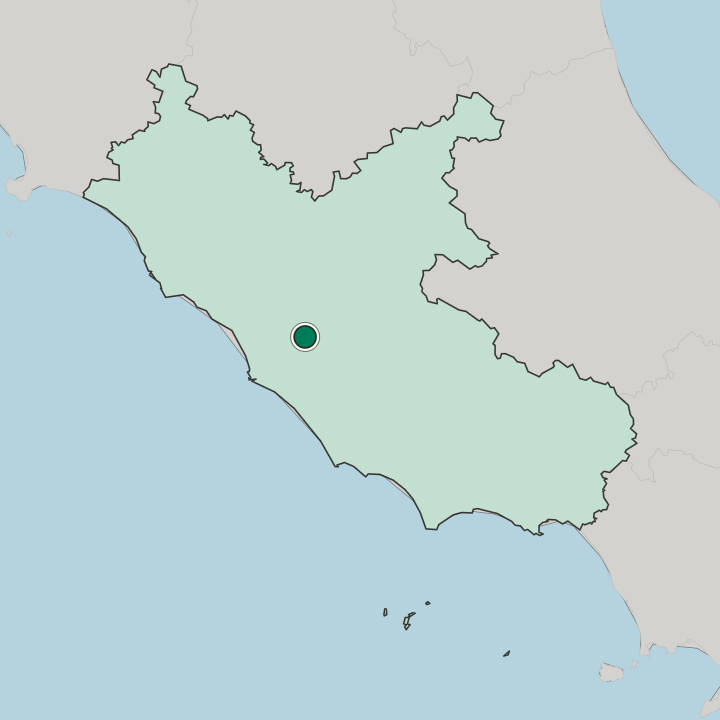
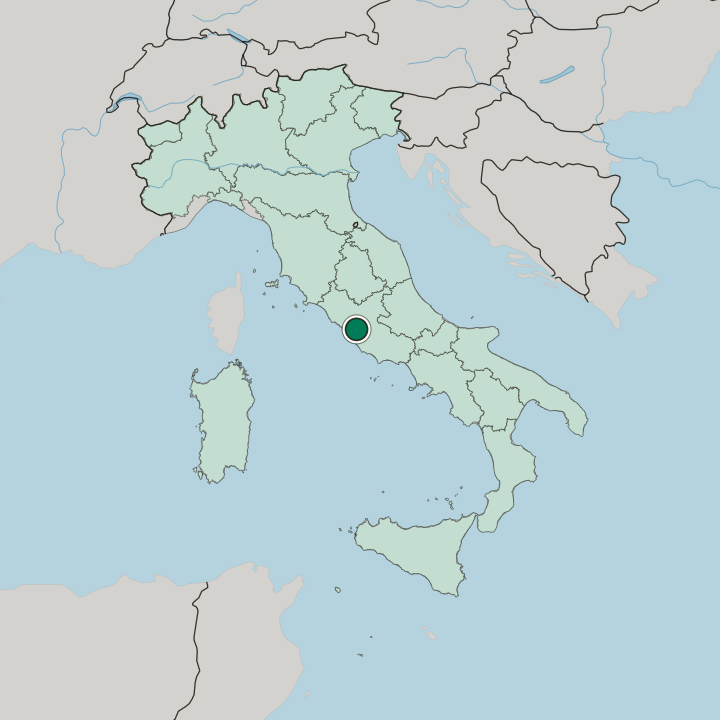
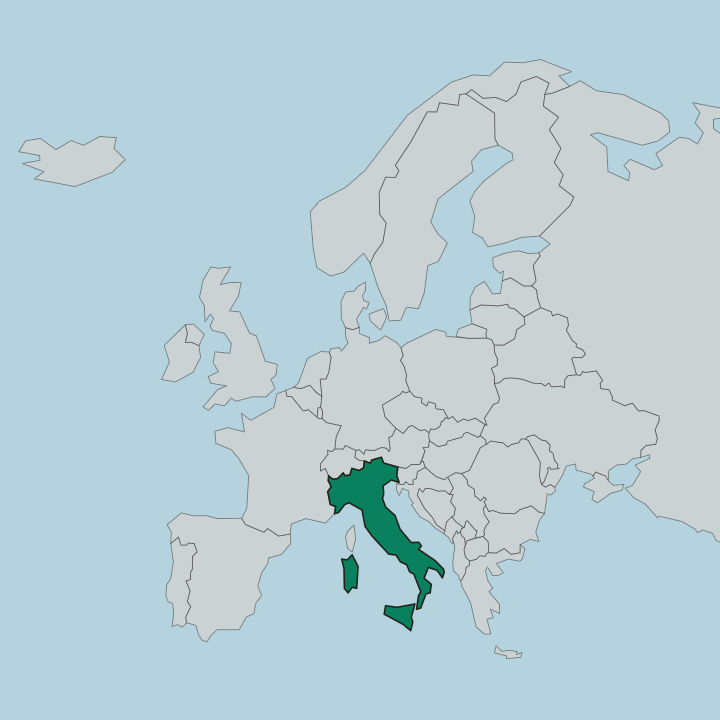
Rome stands in central Italy. The river Tiber winds through the city within the Lazio region, cutting between the old centre and the higher ground that gives Rome its name as the city of the seven hills. The Palatine Hill stands at their centre.
Vatican City lies on the west bank, a sovereign enclave within the surrounding streets. Hills rise on every side.
What is the climate of Rome?
The weather over Rome's seven hills is temperate. Summers over the Tiber valley run long and dry, while winters stay mild and wetter, with rain falling more often over the seven hills than snow ever does. Spring and autumn bring the gentlest weather.
Snow is rare. The central Italian setting keeps the cold of the north at a distance.
How do you get to Rome?
Rome is the hub of Italy. As the capital, the city draws the main roads and rail lines of the country toward its centre, so most journeys across the Italian Peninsula pass through or near Rome at some point. Lazio spreads around the city on every side.
Long-distance trains reach the central stations from across Italy and beyond. The Tiber threads the centre.
Common questions
What is the best area to stay in Rome?
The historic centre: First-time visitors who want the Pantheon and Piazza Navona on foot. Around the Colosseum: Travellers who want the Colosseum and the Roman Forum at the doorstep. Near the Spanish Steps: Shoppers basing between the Spanish Steps and the Trevi Fountain. The Vatican area: Early risers heading first to Vatican City and Castel Sant'Angelo. By the Circus Maximus: Quiet stays near the Circus Maximus and the Baths of Caracalla. Around the Galleria Borghese: Families wanting the Galleria Borghese and its park nearby.
Good for
More cities in Lazio
Updated October 2026