Italy · Liguria
Where to Stay in Savona, Liguria
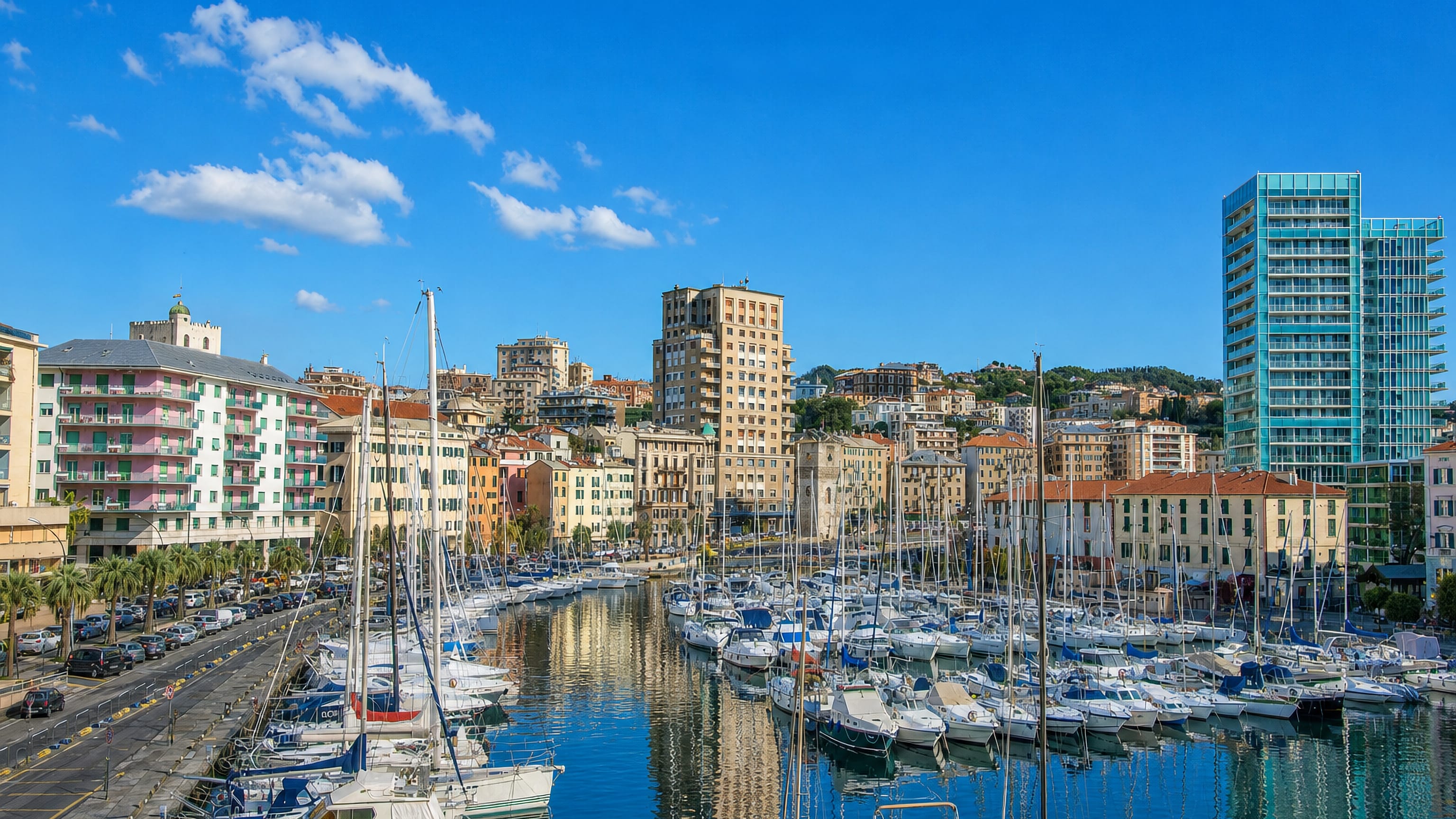
Savona is a Ligurian seaport and provincial capital, with a cathedral, its own Sistine chapel and the Torre Leon Pancaldo on the waterfront.
Hotel links are affiliate links: booking through them may earn us a commission, at no extra cost to you. It never affects how places are ranked. How this works


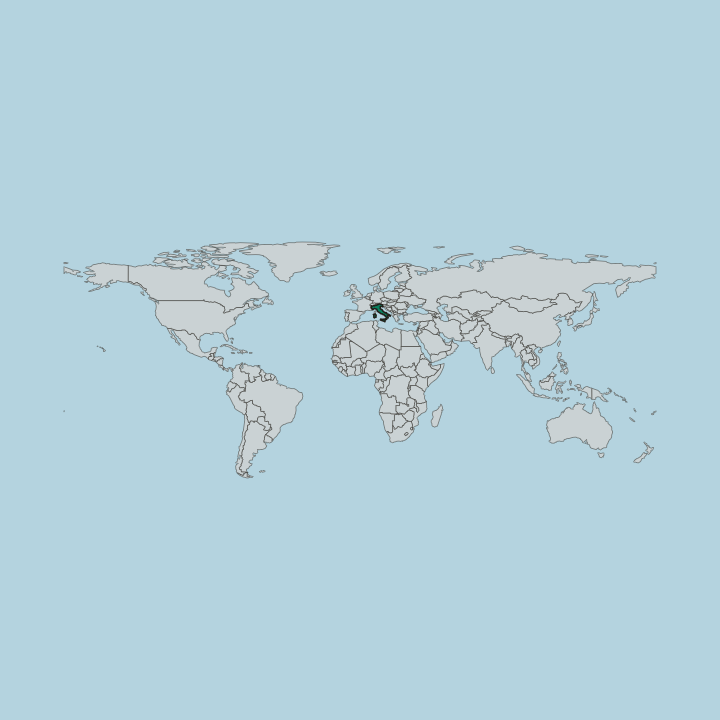
Where to stay in Savona
The practical side of choosing where to sleep.
The old lanes behind Savona Cathedral hold the rooms with character, small places in tall buildings where the stairs are steep and the walls are thick, and the Sistine chapel and the Museo d'arte di Palazzo Gavotti both sit a couple of minutes away. Noise is the trade-off. Weekend evenings fill the same streets that make the location worth having, so light sleepers should ask for something off the front.
Torre Leon Pancaldo is close enough to reach before the light goes. The waterfront is the alternative, with rooms looking onto the harbour and the sea air coming in after dark. Some prefer the quiet.
Streets out towards Villa Faraggiana give up the harbour noise in exchange for gardens and easier parking, at the cost of a bus ride back to Savona Cathedral each morning. Savona also works as a base for the coast, since trains reach Genoa and La Spezia quickly and the city keeps more ordinary rooms than the resorts along the same shore. Rooms fill fastest in summer, when the crowds of the Italian Riviera spread this far.
Nostra Signora del Monte marks the hill above it all.
Find hotels in Savona
Direct booking searches for these neighbourhoods.
Lanes behind Savona Cathedral
Tall old buildings crowd the lanes behind Savona Cathedral, leaving the Sistine chapel and the Museo d'arte di Palazzo Gavotti a couple of minutes off.Find hotels in Lanes behind Savona CathedralHarbour outlooks beside Torre Leon Pancaldo and the quaysWaterfront by Torre Leon Pancaldo
Rooms on the front look across the working harbour past Torre Leon Pancaldo, busy through the day and open to the sea air at night.Find hotels in Waterfront by Torre Leon PancaldoQuiet nights and parking out towards Villa FaraggianaVilla Faraggiana streets
Residential streets running to Villa Faraggiana swap harbour noise for gardens and kerb space, a bus ride from Savona Cathedral. Few places to stay nearby — book ahead.Find hotels in Villa Faraggiana streetsHotel links are affiliate links: booking through them may earn us a commission, at no extra cost to you. It never affects how places are ranked. How this works
Things to do in Savona
Ranked by global recognition; descriptions from Wikidata (CC0).
Museums & Galleries
3- Villa Faraggiana Heritage
- Archaeological Museum of Savona Heritage
- Museo d'arte di Palazzo Gavotti
Churches & Religious Sites
8- Savona Cathedral Heritage
- Sistine chapel Heritage
- San Giovanni Battista in San Domenico Heritage
- Sant'Andrea Heritage
- San Dalmazio Heritage
Show 3 more →
- Stella Maris Heritage
- Nostra Signora della Concordia Heritage
- San Pietro Heritage
Castles & Historic Sites
1- Alba Docilia Heritage
Landmarks & Notable Places
1- Torre Leon Pancaldo Heritage
worth knowingacross 4 categories in Savona
About Savona
A seaport before anything else.
What is Savona known for?
Savona is the main city of the western section of the Italian Riviera, and the harbour still sets the pace of the streets running back from the water, which keeps it a working town rather than a resort. Museo d'arte di Palazzo Gavotti holds the paintings. Savona Cathedral and the Sistine chapel bring in the visitors who came for older work, and Torre Leon Pancaldo marks the old port for everyone else.
What are the main landmarks in Savona?
Savona Cathedral is the anchor. Its Sistine chapel is the piece that surprises most first-time visitors, and the Museo d'arte di Palazzo Gavotti carries the painting collection a few streets away from it. Torre Leon Pancaldo stands at the water.
Villa Faraggiana and its grounds make the excursion worth planning, while the Archaeological Museum of Savona covers the long stretch of time before any of these existed.
What is the history of Savona?
The name Alba Docilia belongs to the oldest layer of this coast, and the Archaeological Museum of Savona keeps what has been recovered from those centuries. Then came the harbour town. Parish churches multiplied as the settlement spread along the shore and up the slopes behind it, which is why San Pietro, Sant'Ambrogio, Sant'Andrea and San Dalmazio all serve ground within a short distance of one another.
Santi Lorenzo, Biagio e Donato carries three dedications at once. Church building peaked with Savona Cathedral and the Sistine chapel, the two works that still draw most visitors up from the port. Torre Leon Pancaldo stands for the seafaring centuries.
Wealth from that trade left Villa Faraggiana and the palace now holding the Museo d'arte di Palazzo Gavotti, both of them built by families who had made their money on the water and wanted it visible on land. Savona became the capital of the Province of Savona, which fixed its standing on a coast where Genoa and La Spezia are the larger names. Later parishes such as Stella Maris, Maria Ausiliatrice and Sacro Cuore trace the growth of the modern town outward from that core.
Nostra Signora del Monte watches from above.
Where is Savona?
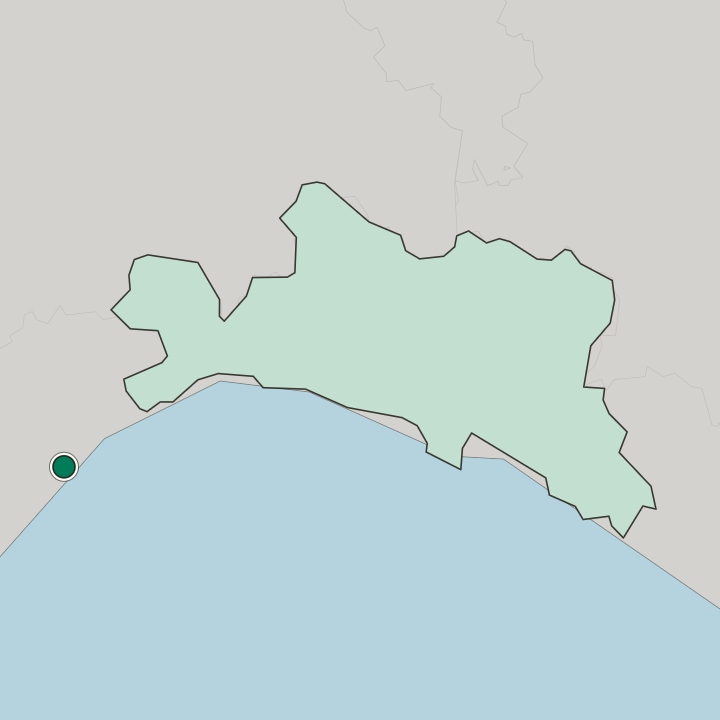
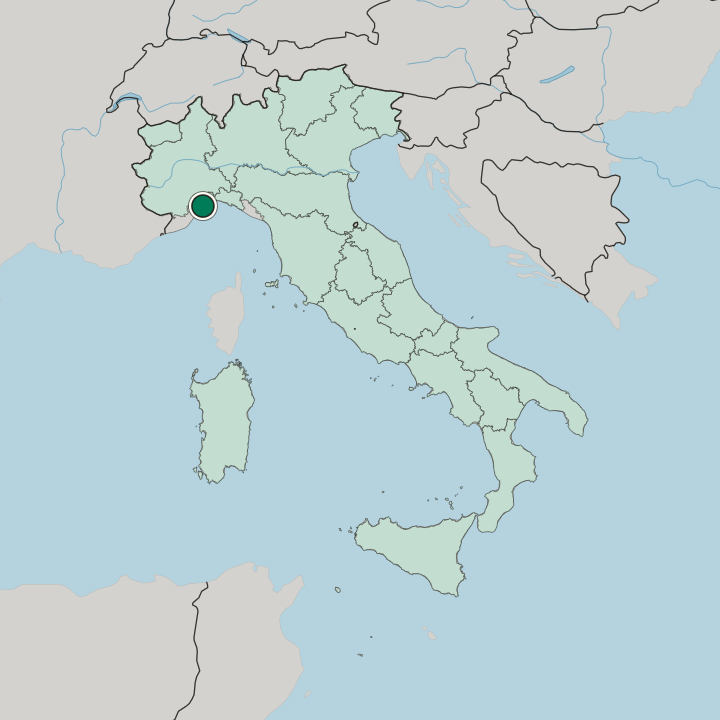
Savona faces the Ligurian Sea across sixty-five square kilometres of shore and hillside, third in size among the cities of Liguria after Genoa and La Spezia, with the coast road, the railway and the port squeezed into the same narrow strip. There is little room to spare. Nostra Signora del Monte occupies higher ground behind the built-up streets, and the slopes rise quickly enough that a short walk inland changes the outlook entirely.
What is the climate of Savona?
The Ligurian Sea keeps winters gentle along this shore, and the hills at Savona's back hold off the colder air that reaches the interior, which is why the grounds of Villa Faraggiana stay green while inland gardens are under frost. Rain falls hardest in autumn. Summers are hot but steady, cooled by the sea breeze that comes in most afternoons and by the shade of the older streets.
Snow is rare.
How do you get to Savona?
The coast line runs straight through. Trains along the Ligurian shore connect Savona with Genoa in one direction and La Spezia in the other, which makes the city easy to reach without a car and easy to leave again on a whim. Neither journey takes long.
Drivers take the coast road or the motorway behind the hills, and both funnel into a centre where the streets near Savona Cathedral were never meant to carry traffic.
Common questions
What is the best area to stay in Savona?
Lanes behind Savona Cathedral: First stays wanting Savona Cathedral and the Sistine chapel two minutes from the door. Waterfront by Torre Leon Pancaldo: Harbour outlooks beside Torre Leon Pancaldo and the quays. Villa Faraggiana streets: Quiet nights and parking out towards Villa Faraggiana.
Good for
More cities in Liguria
Updated October 2026