Italy · Liguria
Where to Stay in Genoa, Liguria
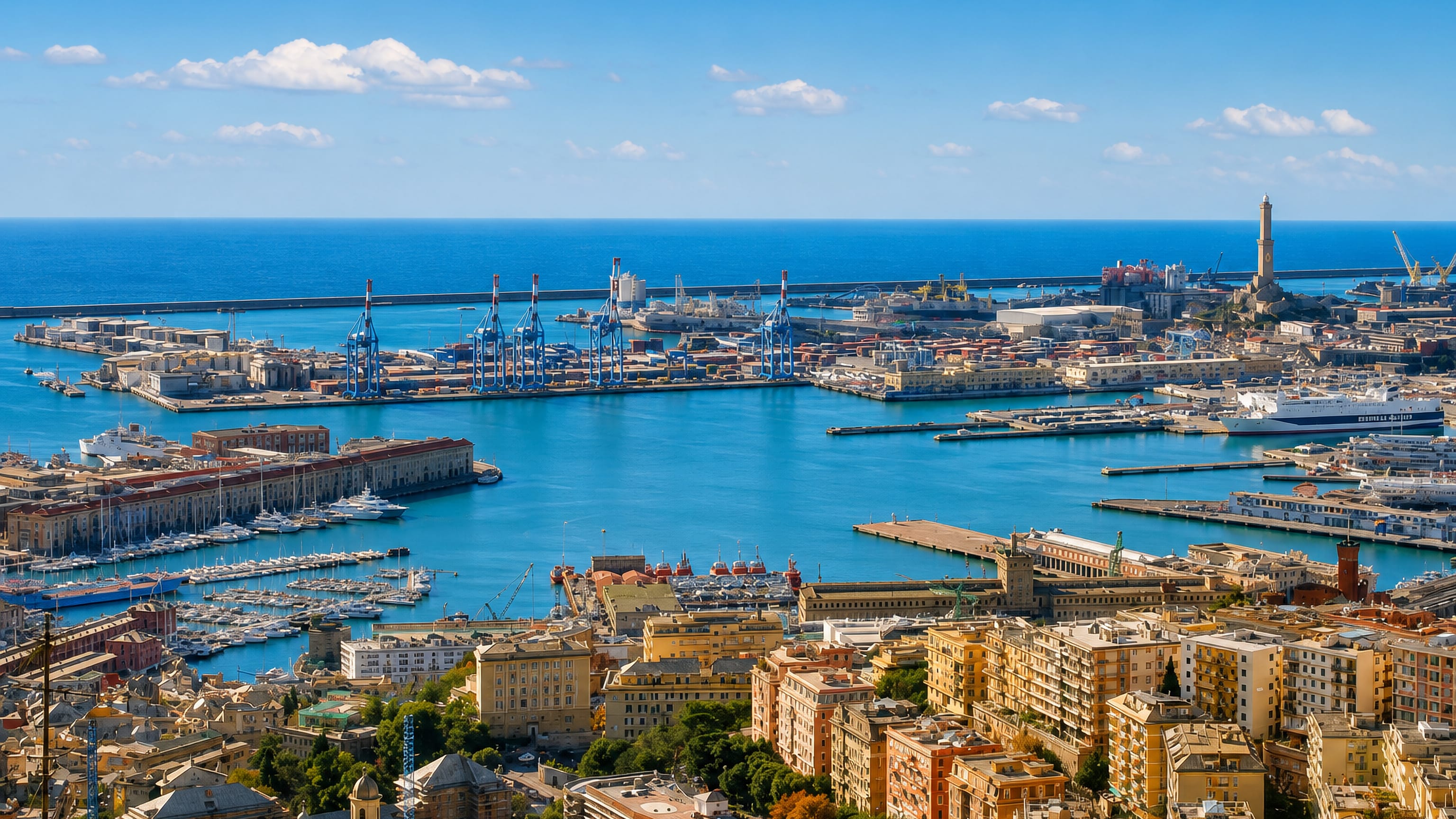
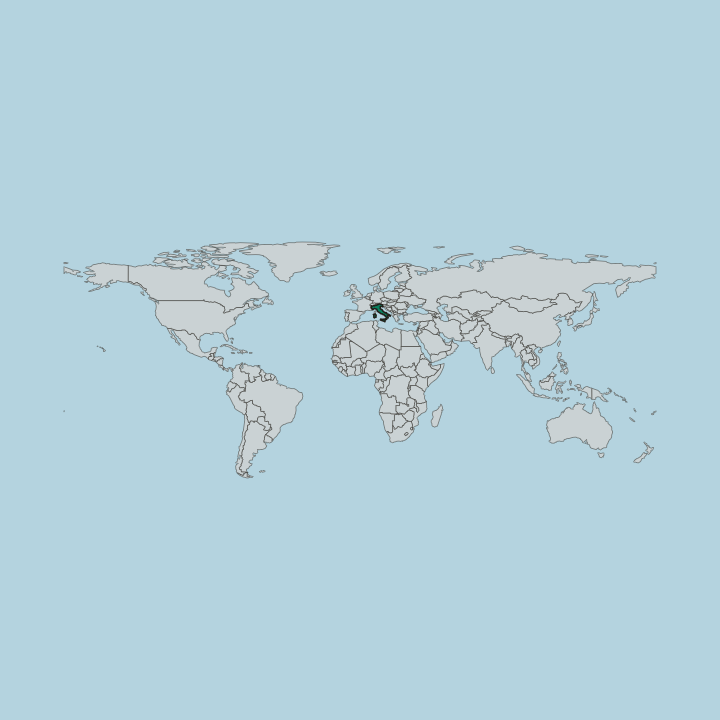
Genoa stacks its alleys above the Ligurian Sea, capital of Liguria and an old maritime republic, known for the Porto Antico and Via Garibaldi.
Hotel links are affiliate links: booking through them may earn us a commission, at no extra cost to you. It never affects how places are ranked. How this works


Where to stay in Genoa
The right area depends on your trip — here's what each neighbourhood is best for.

 GenoaItaly
San Fruttuoso
San Fruttuoso is a quarter of Genoa built around the San Martino Polyclinic Hospital and a run of Università di Genova teaching museums.Where to stay → GenoaItaly
Marassi
Marassi is a district of Genoa where Mackenzie Castle stands among parish churches such as Santa Margherita Church and Santi Pietro e Paolo.Where to stay → GenoaItaly
Quezzi
Quezzi is a hill quarter of Genoa in the valley of the rio Fereggiano, known before the year 1000 and often confused with Forte Quezzi across the hill.Where to stay → GenoaItaly
Staglieno
Staglieno is the Genoa quartiere of the Staglieno Cemetery Pantheon, with the Museo dell'Acqua e del Gas listed alongside it.Where to stay →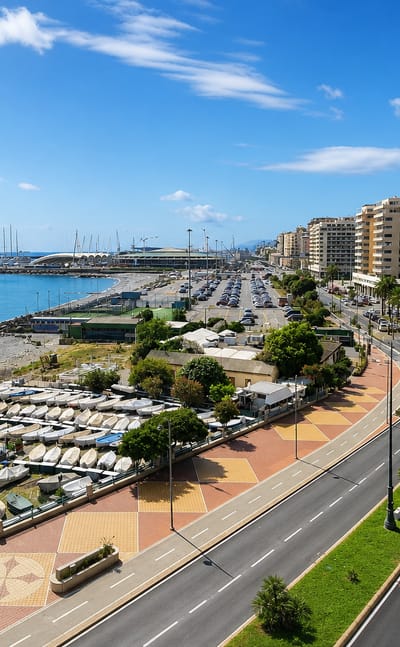 GenoaItaly
Foce
Foce holds four parish churches and the Monumento al fante, sharing Genoa's VIII Municipio with the former comune of Albaro.Where to stay → GenoaItaly
Castelletto
Castelletto is the hill quarter of Genoa, ground that lay outside the city until the New Walls were built in the 17th century.Where to stay → GenoaItaly
Albaro
Albaro is an affluent residential quarter of Genoa, three kilometres east of the centre and an independent comune until 1873.Where to stay → GenoaItaly
Carignano
Carignano is a residential quarter in the centre of Genoa, administered within Municipio I Centro Est rather than run as a visitor district.Where to stay → GenoaItaly
Oregina
Oregina is a district of Genoa whose landmark register is headed by Albertis Castle and the Museo nazionale dell'emigrazione italiana.Where to stay → GenoaItaly
Boccadasse
Boccadasse is an old mariners' village of Genoa, held inside the borders of Albaro and open to the sea along its southern side.Where to stay → GenoaItaly
Vernazzola
Vernazzola is a quarter of Genoa, with Türcke Castle and the Basilica of the Santissima Annunziata in Sturla among its landmarks.Where to stay → GenoaItaly
Lagaccio
Lagaccio is a quartiere of Genoa whose short register of addresses is headed by Villa del Principe, in the Italian city that surrounds it.Where to stay →All neighbourhoods (41)
 GenoaItaly
Borgoratti
One church, the chiesa della Risurrezione di Nostro Signore Gesù Cristo, is the whole of Borgoratti's landmark record inside Genoa.Where to stay → GenoaItaly
Apparizione
Just over three square kilometres of Genoa carry the name Apparizione, and two churches are all the record files on that ground.Where to stay →GenoaItalyNasche
Le Nasche is a quartiere of Genoa in Municipio IX Levante, along the upper Sturla between Borgoratti, San Desiderio and Bavari, Nasche in Ligurian.Where to stay → GenoaItaly
San Teodoro
San Teodoro is a Genoa neighbourhood wedged between Sampierdarena, Rivarolo, Lagaccio and Prè, facing the passenger port below it.Where to stay → GenoaItaly
Granarolo
Granarolo is a hillside quarter of Genoa above the Lagaccio, beside the parco del Peralto, reached by the Principe to Granarolo rack railway.Where to stay → GenoaItaly
Priaruggia
Priaruggia carries seven filed entries, from Santa Maria della Castagna to the Museattivo Claudio Costa, a full list by Genoa district standards.Where to stay →GenoaItalySant'Eusebio
Sant'Eusebio is a quarter of Genoa in the Val Bisagno, named for its parish church of Eusebius of Vercelli, once a frazione of the old commune of Bavari.Where to stay → GenoaItaly
San Desiderio
San Desiderio is a residential quarter of Genoa at the head of the Sturla valley, its parish church dating from the thirteenth century.Where to stay →GenoaItalyBegato
Three entries stand under Begato in Genoa's file: Santo Stefano in Geminiano, Santa Caterina di Begato, and that church's own oratory.Where to stay → GenoaItaly
San Pier d'Arena
San Pier d'Arena, also written Sampierdarena, is the port and industrial quarter of Genoa, joined with San Teodoro in the Centro Ovest municipio.Where to stay → GenoaItaly
Molassana
Molassana is a quarter of Genoa in the middle Val Bisagno, an independent commune until 1926, when it and eighteen others joined the Grande Genova.Where to stay →GenoaItalyCertosa
Certosa is a Genoa district whose file holds a single title, the chiesa del Santissimo Nome di Gesù, and little else besides.Where to stay → GenoaItaly
Rivarolo Ligure
A quarter on the north side of Genoa, Rivarolo Ligure belongs to the Valpolcevera municipality and keeps a museum of country life.Where to stay → GenoaItaly
Fontanegli
Three dedications mark Fontanegli, a quarter of Genoa whose parish church honours San Pietro Apostolo.Where to stay → GenoaItaly
Coronata
A district of Genoa, Coronata is recorded around one monument: the Nostra Signora Incoronata Sanctuary, which echoes the district's own name.Where to stay → GenoaItaly
Fegino
Fegino is a quarter of Genoa that holds the Abbazia di San Nicolò del Boschetto within its bounds.Where to stay → GenoaItaly
Cornigliano Ligure
Cornigliano Ligure carries the name of the municipality that ran its own affairs until 1926, when it became a western quarter of Genoa.Where to stay → GenoaItaly
Murta
Murta is a village inside the city of Genoa, its record running from the Castello di Bolzaneto to the Museo della Montagna.Where to stay → GenoaItaly
Borzoli
Borzoli is a quartiere of Genoa west of the city centre, listing Santo Stefano in Borzoli Church and the PalaFigoi among its addresses.Where to stay → GenoaItaly
Sant'Ilario
Four art collections put Sant'Ilario on the map of Genoa, among them the Wolfsoniana and the Galleria d'arte moderna of Genoa.Where to stay → GenoaItaly
Sestri Ponente
Sestri Ponente is an industrial suburb of Genoa, part of the Medio Ponente municipio, with the Basilica di Nostra Signora Assunta among its churches.Where to stay → GenoaItaly
Multedo
Multedo is a quartier of western Genoa, in Municipio VII Ponente, set between Sestri Ponente and Pegli. Mortiou is its Ligurian name.Where to stay →GenoaItalyGranara
Granara is a quarter of Genoa where the Museo Contadino della Val Varenna e Archivio Storico keeps the valley's farming record.Where to stay → GenoaItaly
Pegli
Pegli is a neighbourhood in the west of Genoa that gave up its independence in 1926, merging into the city with eighteen other municipalities.Where to stay →GenoaItalyChiesino
Chiesino is one of the small quarters of Genoa, gathered around the parish church of Santa Maria Assunta e San Nicola.Where to stay →GenoaItalySan Carlo
San Carlo, filed in fuller form as San Carlo di Cese, is a Genoa district recorded around the chiesa di San Carlo di Cese and nothing more.Where to stay →GenoaItalyPalmaro
A quarter of Genoa, Palmaro is known through three church dedications, among them Nostra Signora degli Angeli.Where to stay → GenoaItaly
Crevari
Crevari is a quarter of Genoa whose four recorded churches include San Eugenio di Crevari and Santa Limbania.Where to stay → GenoaItaly
Vesima
Vesima reaches the record with one dedication and no more: San Pietro, in the Italian city of Genoa.Where to stay →Hotel links are affiliate links: booking through them may earn us a commission, at no extra cost to you. It never affects how places are ranked. How this works
Find hotels in Genoa
Direct booking searches for these neighbourhoods.
Centro Storico
The dense medieval quarter above the old harbour, with the Sottoripa arcades on one edge and Piazza De Ferrari on the otherFind hotels in Centro StoricoFrescoed palace rooms and a terrace over the harbourVia Garibaldi and Castelletto
The Strada Nuova of Palazzo Rosso and Palazzo Bianco, with the Art Nouveau lift climbing to the Castelletto belvedereFind hotels in Via Garibaldi and CastellettoA swim off the rocks before the galleries openBoccadasse and Albaro
The eastern shore, where a fishing cove of coloured houses sits below the Albaro villasFind hotels in Boccadasse and AlbaroGardens and a cliff walk at the far end of the cityNervi
The eastern seafront where the park runs down to a promenade cut into the rockFind hotels in NerviHotel links are affiliate links: booking through them may earn us a commission, at no extra cost to you. It never affects how places are ranked. How this works
Things to do in Genoa
Ranked by global recognition; descriptions from Wikidata (CC0).
Museums & Galleries
8- House of Cristoforo Colombo Heritage
- Villa del Principe Heritage
- Villa Durazzo Pallavicini Heritage
- Edoardo Chiossone Museum of Oriental Art Heritage
- Museo civico di archeologia ligure Heritage
Show 3 more →
- Wolfsoniana Heritage
- Galleria d'arte moderna of Genoa Heritage
- Frugone Collection Heritage
Churches & Religious Sites
8- Basilica della Santissima Annunziata del Vastato Heritage
- Santa Maria Assunta Heritage
- Chiesa di Santa Maria di Castello Heritage
- Chiesa del Gesù e dei Santi Ambrogio e Andrea Heritage
- San Siro Heritage
Show 3 more →
- San Matteo Heritage
- San Donato Heritage
- Commenda di San Giovanni di Pré Heritage
Castles & Historic Sites
8- Palazzo Rosso UNESCO
- Palazzo Bianco UNESCO
- Palazzo Gerolamo Grimaldi UNESCO
- Palazzo Carrega-Cataldi UNESCO
- Royal Palace of Genoa Heritage
Show 3 more →
- Albertis Castle Heritage
- Monument to Mille Heritage
- Monument to Christopher Columbus Heritage
Stadiums & Sports
2- Centro sportivo Pio XII - Gianluca Signorini
- PalaFigoi
Landmarks & Notable Places
3- Torre Specola Heritage
- Tower of Doria di Pegli Heritage
- Abbazia di San Nicolò del Boschetto
worth knowingacross 5 categories in Genoa
About Genoa
What is Genoa known for?
Genoa was a maritime republic that ran trade from the Black Sea to Gibraltar. The money came home as stone: the Palazzi dei Rolli along Via Garibaldi were private houses so grand that the state made their owners lodge visiting princes, and three of them, Palazzo Rosso, Palazzo Bianco and the Royal Palace of Genoa, are galleries. Columbus was born in the old town.
Pesto comes from these hills, focaccia from these ovens, and the Lighthouse of Genoa has marked the harbour mouth since the Middle Ages.
What are the main landmarks in Genoa?
Genoa hides its landmarks in the alleys. Genoa Cathedral wears black and white stripes and still keeps the naval shell that fell through its roof without exploding, Porta Soprana stands where the medieval wall crossed the ridge, and the House of Cristoforo Colombo leans against it. The Lighthouse of Genoa marks the port.
Renzo Piano rebuilt the Porto Antico around the Aquarium of Genoa and The Biosphere, and the Galata Museo del Mare keeps a full-size galley in its hall.
What is the history of Genoa?
Genoa was a Ligurian harbour before Rome called it Genua. The city made itself out of the sea. Its ships carried the first crusade east and came back with trading rights, and by the twelfth century the Compagna Communis governed a republic whose colonies reached Caffa on the Black Sea and Chios in the Aegean.
Pisa fell at Meloria in 1284. Venice stayed the enemy for three hundred years. Andrea Doria wrote a new constitution in 1528, tied the republic to Spain and turned Genoa into the banker of an empire, lending the silver of the Indies back to the kings who shipped it.
The bankers built the Palazzi dei Rolli and put their names on a public list, so that any visiting prince was lodged in a private palace by lot. A French fleet burned the city in 1684. Austria took it in the next century and lost it to a stone thrown by a boy named Balilla, and Napoleon ended the republic before Piemonte absorbed Liguria in 1815.
Steel and shipyards filled Sampierdarena, Mazzini and Columbus were claimed as sons, and Renzo Piano turned the derelict quays back toward the city for the Columbus year.
Where is Genoa?
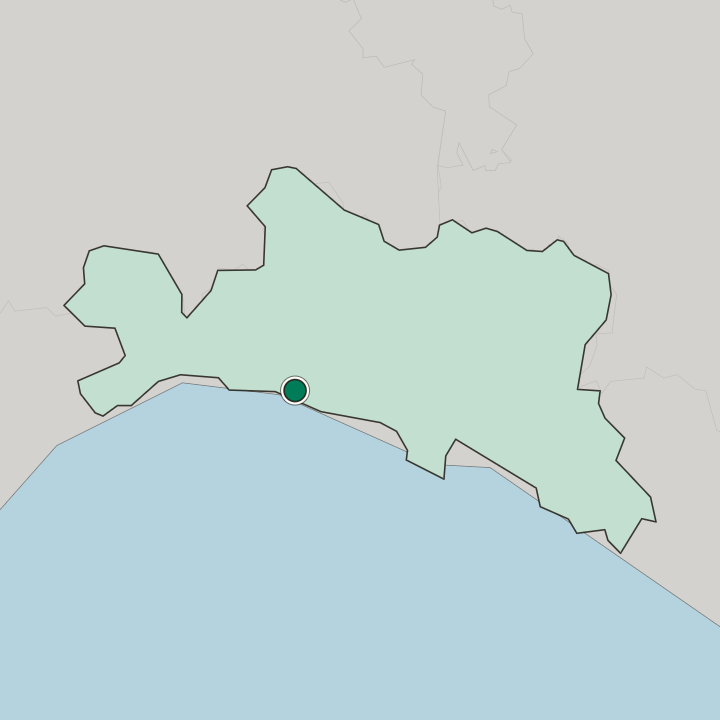
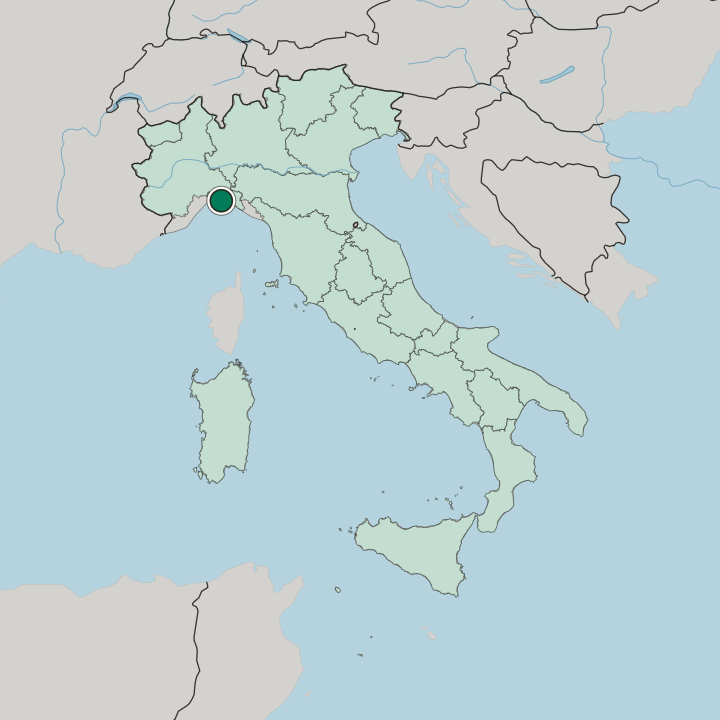
Genoa is squeezed between the Ligurian Sea and the Apennines in north-western Italy. The city has no plain. It runs for kilometres along the shore in a thin strip of quays, tunnels and terraces, climbing wherever the slope allows and stopping where the ridge does.
Two torrents come down to the sea through it, the Polcevera on the west and the Bisagno on the east, and the seventeenth-century Mura Nuove climb the hills behind to Forte Sperone. Portofino lies down the coast.
What is the climate of Genoa?
Genoa is a wet city for the Mediterranean. The Apennines stand close behind the coast, and the moist air coming up off the Ligurian Sea is forced straight up them, which turns an autumn storm into a downpour and has sent the Bisagno over its banks more than once. Summers are warm and bright.
Winter rarely freezes on the shore, though the tramontana comes over the ridge cold and dry, and the libeccio pushes swell into the harbour mouth from the south-west. Palms grow along the front.
How do you get to Genoa?
Genoa has two stations, one at each end of the old town. Genova Piazza Principe sits by the port and Genova Brignole by the eastern quarters, and both take the line from Milan through the Giovi pass and the Riviera trains toward Ventimiglia and La Spezia. Ferries sail for Sardinia and Sicily.
Cristoforo Colombo airport stands on reclaimed ground west of the centre at Sestri Ponente, and the A7, A10 and A12 autostrade arrive on viaducts high above the roofs. Driving here is not a pleasure.
Common questions
What is the best area to stay in Genoa?
Centro Storico: Walking the caruggi between Genoa Cathedral and the Porto Antico. Via Garibaldi and Castelletto: Frescoed palace rooms and a terrace over the harbour. Boccadasse and Albaro: A swim off the rocks before the galleries open. Nervi: Gardens and a cliff walk at the far end of the city.
Good for
More cities in Liguria
Updated October 2026