Italy
Liguria, Italy — Towns & Travel Guide
Liguria is Italy's crescent of coast between the Ligurian Sea and the Apennines, with Genoa at its centre.
Hotel links are affiliate links: booking through them may earn us a commission, at no extra cost to you. It never affects how places are ranked. How this works


Towns & cities in Liguria
Pick a town or city — each links to where to stay.

 Italy
Italy
Genoa
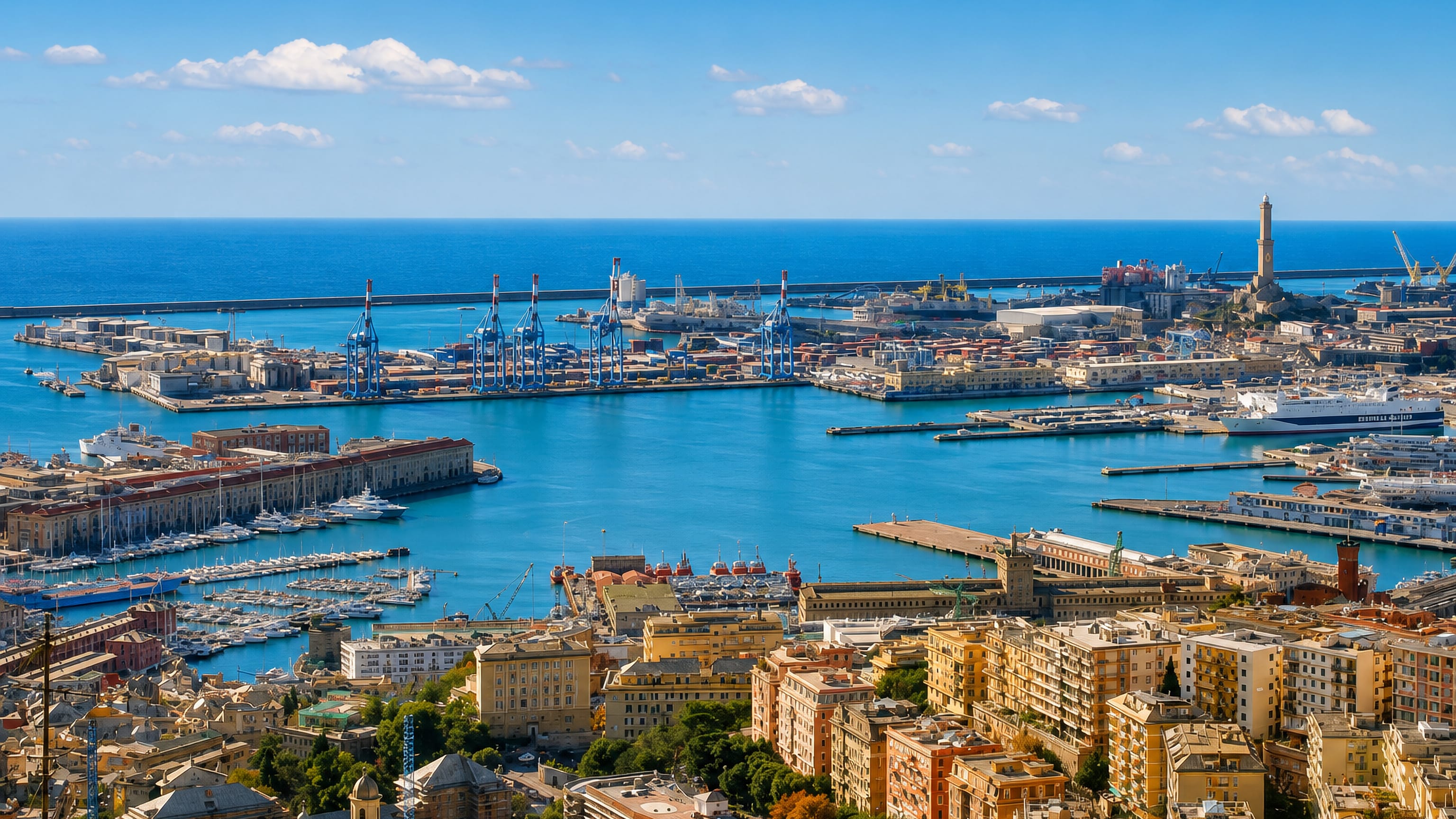
Genoa stacks its alleys above the Ligurian Sea, capital of Liguria and an old maritime republic, known for the Porto Antico and Via Garibaldi.Where to stay →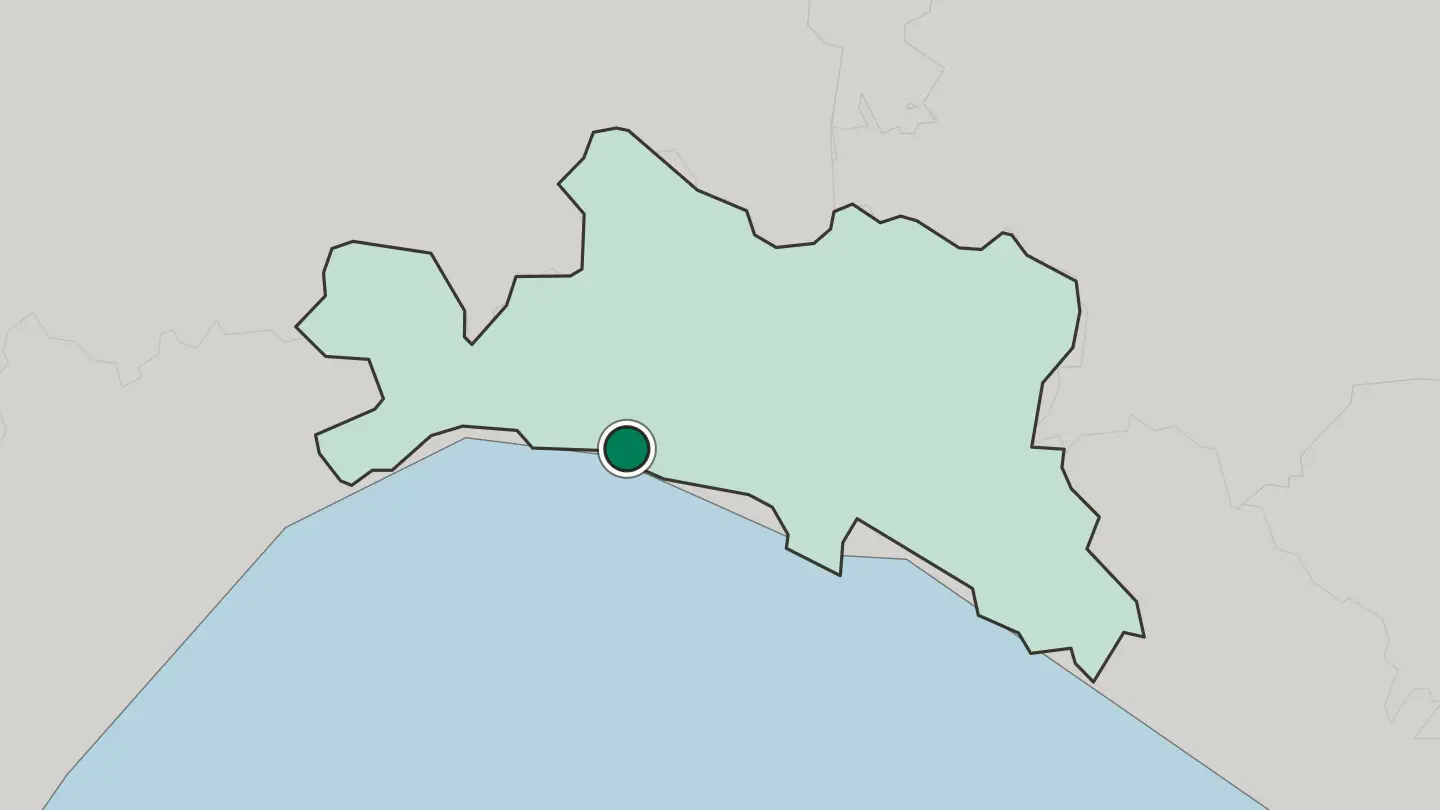
 Italy
Italy
La Spezia
La Spezia is a naval harbour city in Liguria, holding the Amedeo Lia Civic Museum, Castello San Giorgio and a technical naval collection.Where to stay →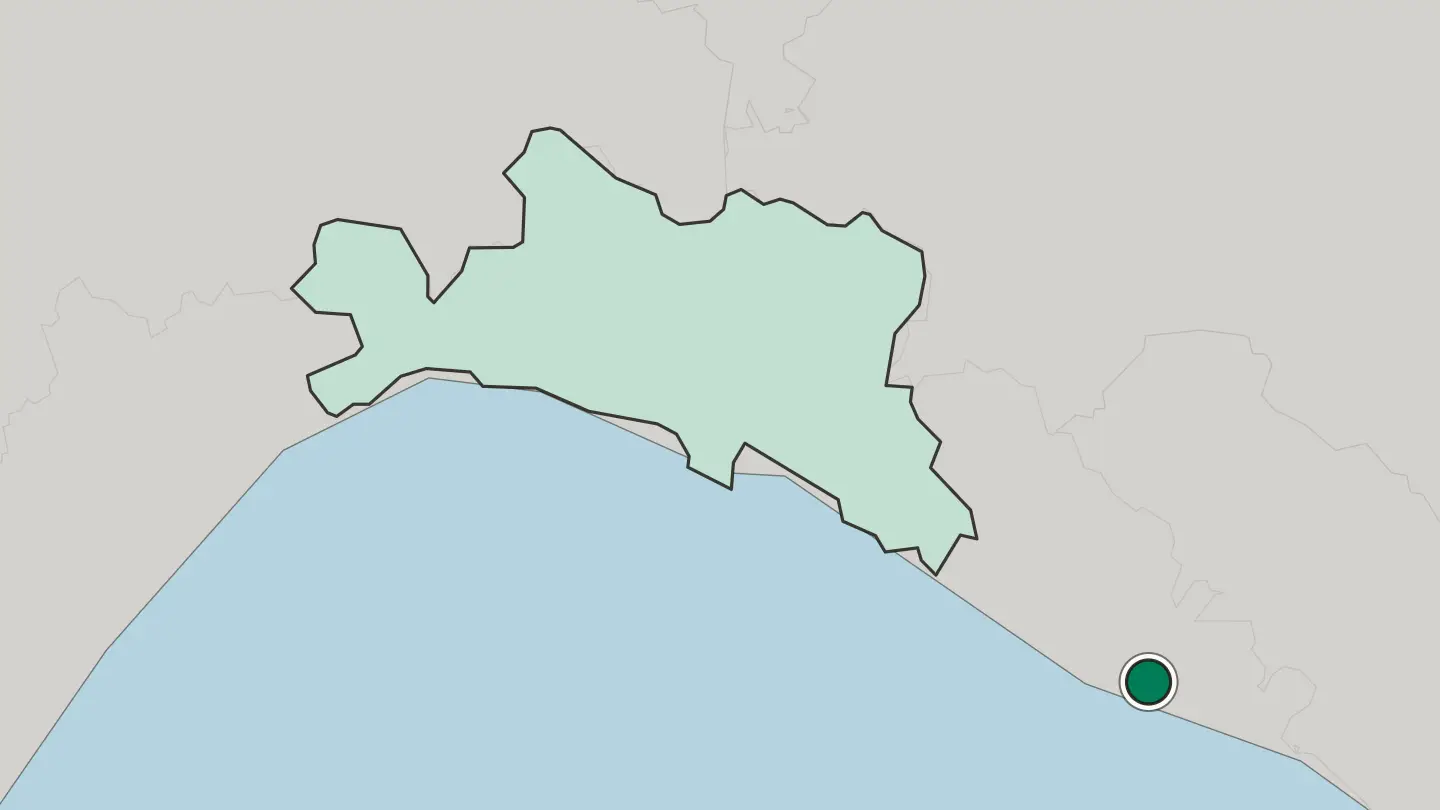
 Italy
Italy
Savona
Savona is a Ligurian seaport and provincial capital, with a cathedral, its own Sistine chapel and the Torre Leon Pancaldo on the waterfront.Where to stay →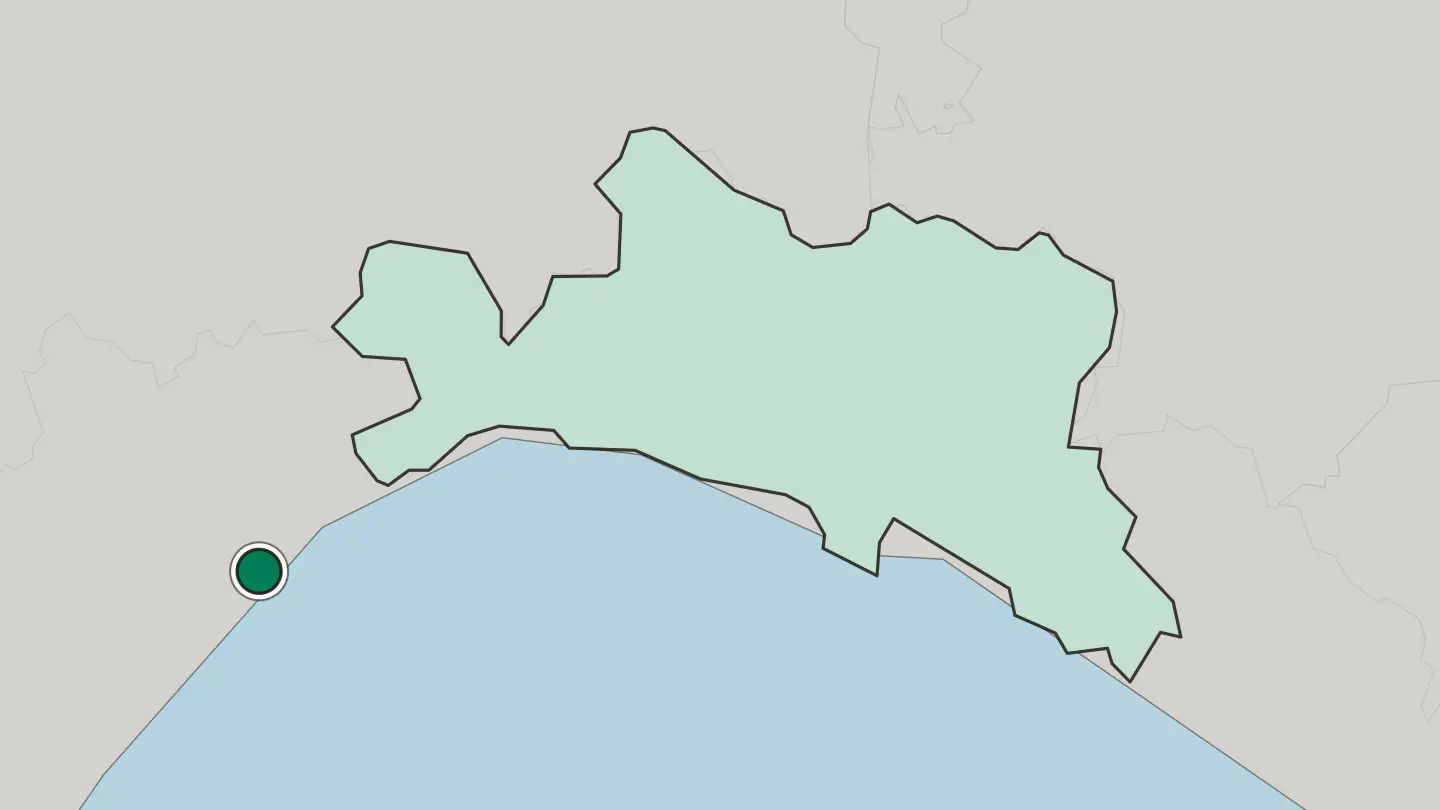
Hotel links are affiliate links: booking through them may earn us a commission, at no extra cost to you. It never affects how places are ranked. How this works
About Liguria
Liguria is the Italian Riviera.
What is Liguria known for?
The region is a thin arc of coast pinned between the Ligurian Sea and the mountains, and Genoa sits at its middle, splitting the shore into the Riviera di Ponente running west toward France and the Riviera di Levante running east toward Tuscany. The Cinque Terre and Portofino draw the crowds. Pesto was invented here, ground from Genoese basil.
Where is Liguria?
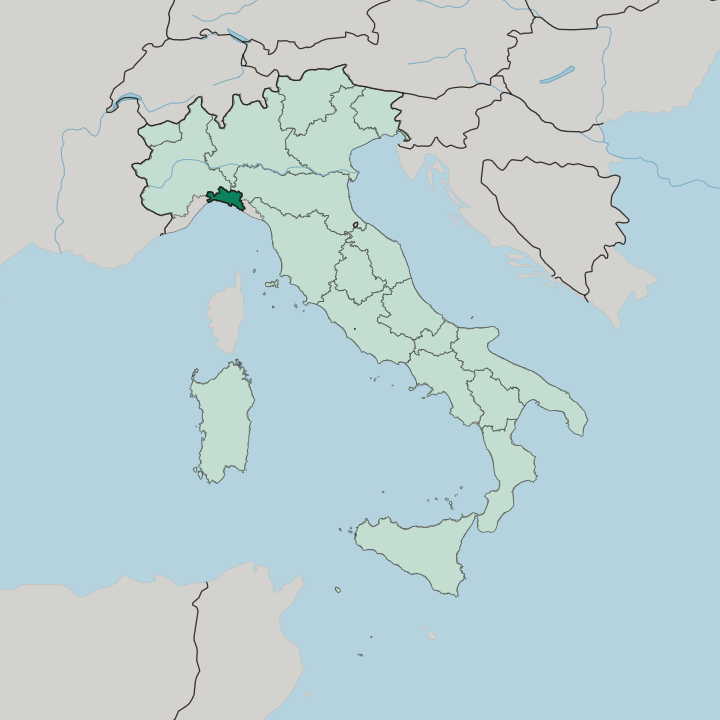
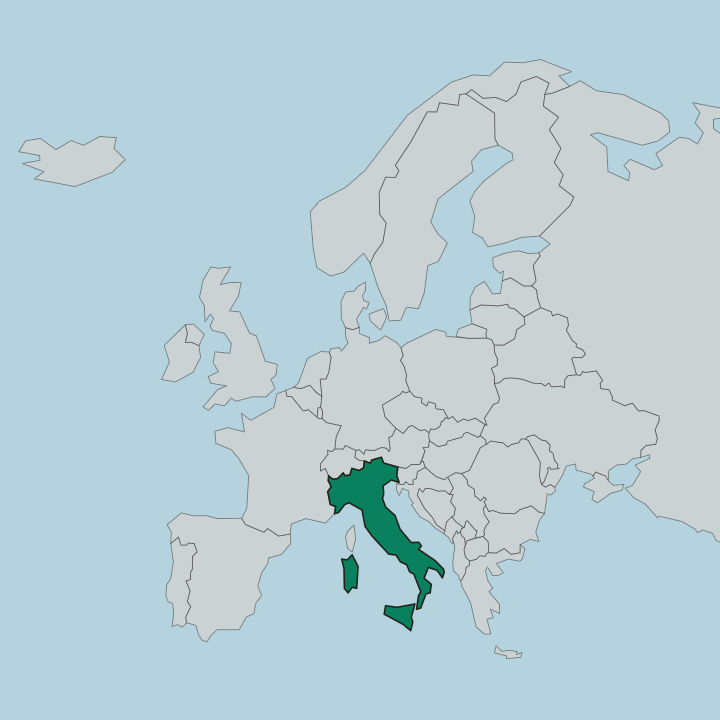
Liguria curves along the Ligurian Sea in the north-west corner of Italy, a long thin band of land that never lets you forget the mountains at its back. The coast bends from the French border in the west to the edge of Tuscany in the east, roughly following the old bounds of the Republic of Genoa. It is narrow.
At its slimmest the sea and the ridgeline are barely a few miles apart, because the Ligurian Apennines and the tail of the Alps press right down to the water. Genoa stands at the hinge of that arc, and the city divides the shore into two named halves. West of Genoa runs the Riviera di Ponente, the coast of the setting sun, reaching toward France.
East of it runs the Riviera di Levante, the coast of the rising sun, running down past Portofino and the Cinque Terre toward Tuscany. Piedmont lies over the mountains to the north, and Emilia-Romagna and Tuscany share the eastern border. Behind the beaches the land climbs fast into terraced hillsides and hill villages, and the highest ground rises to Monte Saccarello in the far west. Rivers here are short and steep, tumbling straight off the ridge to the sea rather than winding across any plain.
That squeeze between mountain and water shapes everything about the place.
What is Liguria like?
Ligurian culture grew up facing the sea, not the land behind it. Genoa was for centuries the head of a maritime republic that traded and fought across the Mediterranean, and that seafaring past still marks the region's food, its dialect, and the tall painted houses stacked above its harbours. The kitchen is the clearest signature.
Pesto alla genovese, pounded from Genoese basil with pine nuts and garlic and hard cheese under a slick of olive oil, was born in Genoa and carries the region's name around the world. Focaccia and farinata belong to the same table. The coast is dense with fishing villages whose houses are painted in ochre, pink, and deep red, a habit the Cinque Terre and Portofino have made famous.
Inland the mood shifts. Terraced vineyards and olive groves climb the slopes, and stone hill villages like Triora sit far above the tourist crush of the shore. Ligurian, the local dialect, is still spoken along that coast and differs sharply from standard Italian.
Life leans outdoors. It plays out on harbour fronts and in the narrow lanes called caruggi that thread the old quarters of every port town, and it always circles back to the water and the trade the water once carried.
What is the history of Liguria?
Genoa's story is Liguria's story. From around the year 1005 the city built the Republic of Genoa, one of the great maritime powers of medieval Europe, and by the fifteenth century it ruled almost this whole strip of coast. That republic lasted until 1797, when Napoleon's campaign swept it away and replaced it with the short-lived Ligurian Republic.
The Congress of Vienna then handed Liguria to the Kingdom of Sardinia in 1815. The modern region took its present form in 1970.
What is the climate of Liguria?
Liguria is warm. The Apennines wall off the cold northern air, so the coast keeps a mild Mediterranean climate with gentle winters and hot dry summers along the Ligurian Sea. Rain is the twist.
Where the mountains crowd close to the shore around Genoa and La Spezia they wring heavy downpours out of sea storms, and those two cities can be far wetter than the sun-baked western Riviera near Sanremo, where the sheltered flower coast stays dry and warm through the year.
How do you get to Liguria?
Most travellers fly into Genoa's Cristoforo Colombo Airport, the region's own gateway right on the edge of the port city. Others come by rail. A single coastal railway runs the length of Liguria and stitches the Riviera towns together, from Ventimiglia on the French border all the way down to the Tuscan edge, and that line is the only sensible way to reach the roadless villages of the Cinque Terre.
Bigger airports at Milan and Nice feed the region too. The autostrada burrows through the mountains behind the coast.
Common questions
What is the best area to stay in Liguria?
Genoa: a first base with trains to the whole coast. Levanto and La Spezia: reaching the Cinque Terre by train. Portofino and Santa Margherita Ligure: the eastern Riviera and its harbours. Sanremo: the western Riviera near France.
Good for
More regions in Italy
Updated September 2026