Italy · Marche
Where to Stay in Ancona, Marche
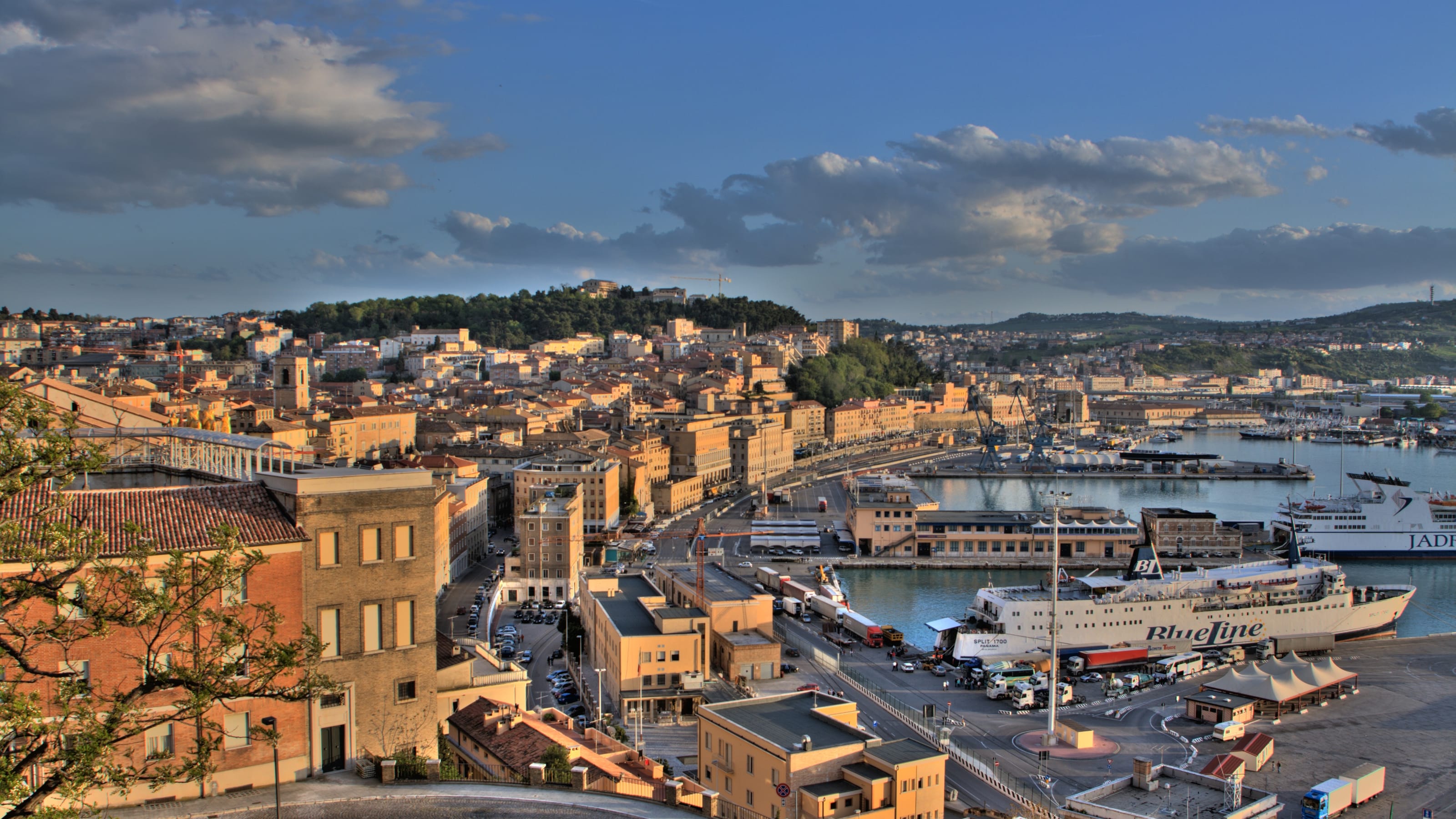
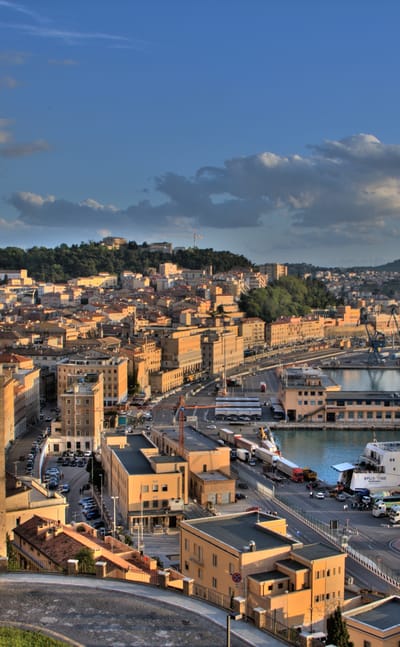
Ancona is a port city on Italy's Adriatic coast, where San Ciriaco crowns a headland high above the harbour.
Hotel links are affiliate links: booking through them may earn us a commission, at no extra cost to you. It never affects how places are ranked. How this works


Where to stay in Ancona
One neighbourhood here has its own guide — here's what it is best for.
 AnconaItaly
Le Grazie di Ancona
Le Grazie is a quartiere of Ancona in Italy, the residential district named after the church of Santa Maria delle Grazie.Where to stay →Hotel links are affiliate links: booking through them may earn us a commission, at no extra cost to you. It never affects how places are ranked. How this works
Find hotels in Ancona
Direct booking searches for these neighbourhoods.
The historic centre
stone lanes climbing past Santa Maria della Piazza to San CiriacoFind hotels in The historic centreferry mornings and sea airThe port and waterfront
quays beside the Adriatic where the ferries sailFind hotels in The port and waterfrontantiquity and calmer nightsThe museum quarter
quiet streets between the Anfiteatro romano and the archaeological museumFind hotels in The museum quarterHotel links are affiliate links: booking through them may earn us a commission, at no extra cost to you. It never affects how places are ranked. How this works
Things to do in Ancona
Ranked by global recognition; descriptions from Wikidata (CC0).
Museums & Galleries
5- National Archaeological Museum of the Marches Heritage National archaeological museum
- Museo Tattile Statale Omero Heritage
- Pinacoteca civica "Francesco Podesti" Heritage Italian museum
- Diocesan Museum of Ancona "Mons. Cesare Recanatini" Heritage
- Ancona city museum Heritage
Churches & Religious Sites
8- cathedral Basilica of St. Cyriacus Heritage
- Santa Maria della Piazza Heritage
- Chiesa del Gesù Heritage
- Sant'Agostino Heritage
- Santi Pellegrino e Teresa Heritage
Show 3 more →
- Santa Maria delle Grazie Heritage
- Santa Croce Heritage
- Santa Maria di Loreto Heritage
Castles & Historic Sites
2- Roman Amphitheatre of Ancona Heritage
- Monumento alla Resistenza Heritage
worth knowingacross 3 categories in Ancona
About Ancona
Ancona is known for its port.
What is Ancona known for?
The harbour has carried trade across the Adriatic since antiquity, and the Romanesque cathedral of San Ciriaco crowns the headland above it, looking out over the water from the city's highest ground. Beneath the old town lie classical remains, among them the Anfiteatro romano and the Greek Tempio di Afrodite. The Museo Archeologico Nazionale delle Marche gathers the finds of the wider region.
Churches and galleries fill the centre.
What are the main landmarks in Ancona?
The cathedral of San Ciriaco stands highest, a Romanesque church on the headland above the harbour. Below it the Romanesque Santa Maria della Piazza shows its carved front, while San Francesco alle Scale and San Domenico rise among the streets of the old town. Antiquity surfaces too.
The Anfiteatro romano lies cut into the slope, and the Greek Tempio di Afrodite survives in fragments. Two collections gather what remains indoors, among them the Museo Archeologico Nazionale delle Marche and the Pinacoteca civica Francesco Podesti.
What is the history of Ancona?
Ancona began as a Greek settlement on the Adriatic. The Tempio di Afrodite, raised to a Greek goddess, marks those early origins, when Greek sailors made the curving harbour a trading post on the eastern edge of Italy. Rome took the port next.
Under the empire it grew into a busy Adriatic harbour, and the Anfiteatro romano cut into the hillside dates from that age, when the port served the legions and the fleets crossing the sea. The sea kept it alive. Through the early Middle Ages the port traded on, and in the eleventh and twelfth centuries its merchants raised the great Romanesque churches that still crown the town, among them the cathedral of San Ciriaco and Santa Maria della Piazza.
For a long stretch the city governed itself as a maritime commune, looking outward across the Adriatic rather than inland. Power later passed to the Papal States, which folded the port and the surrounding Marche into their territory and rebuilt its defences. Trade, faith, and conquest each left their mark.
The museums of the old town, the Museo Archeologico Nazionale delle Marche chief among them, now hold the layered record of that long maritime past.
Where is Ancona?
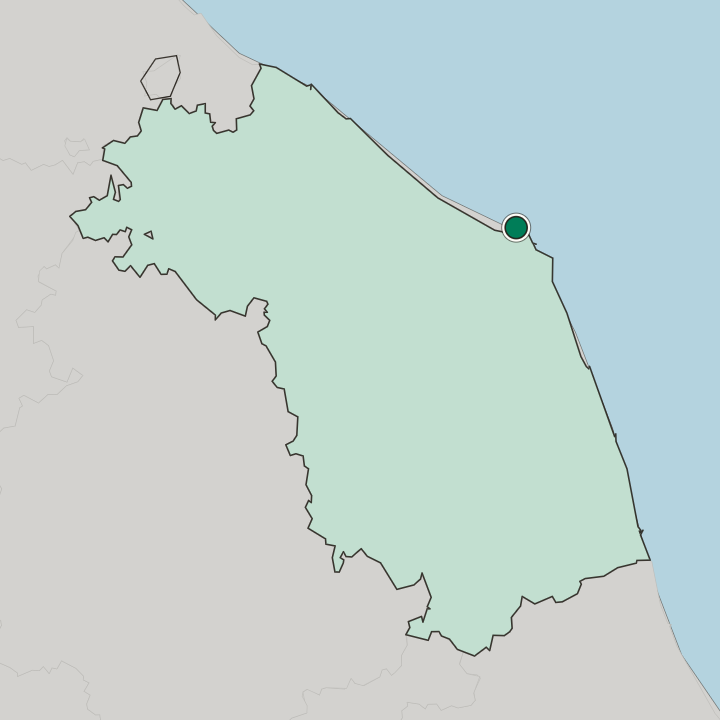
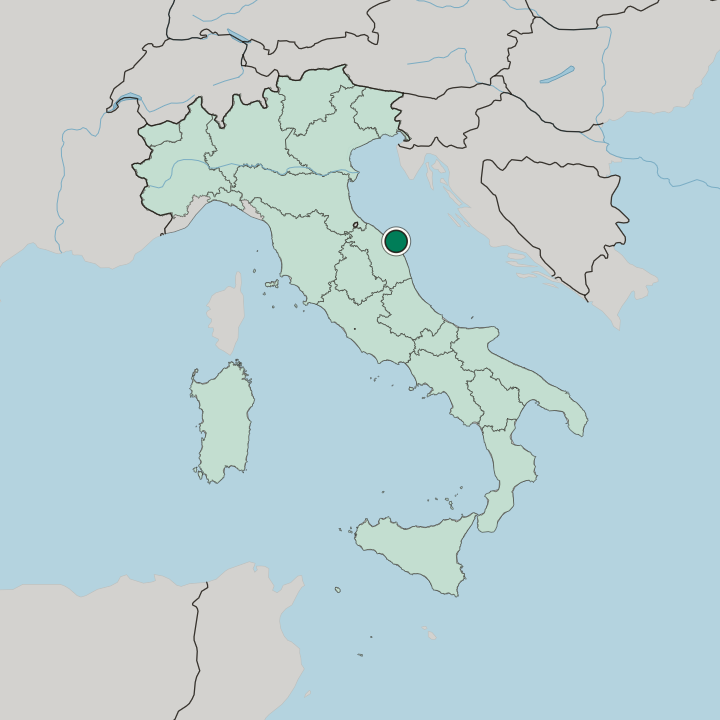
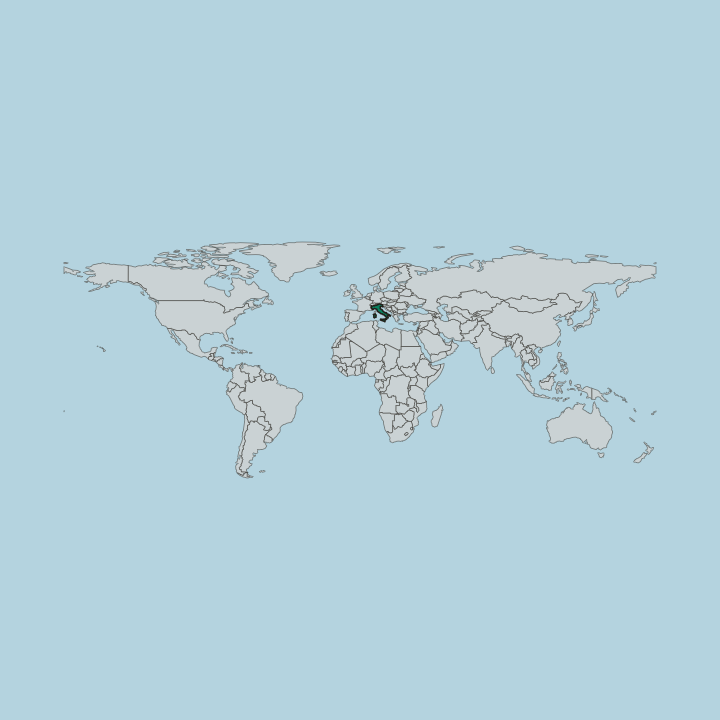
Ancona sits on the eastern coast of central Italy, the principal port of the Marche on the Adriatic. The old town climbs a headland of low hills, and the cathedral of San Ciriaco stands at the top, above a harbour that curves below the slope. Hills roll inland behind the city toward the rest of the region.
The coast runs north and south from the port in long stretches of shore. The sea sets the bounds.
What is the climate of Ancona?
The climate is mild and Mediterranean, shaped by the Adriatic at the city's foot. Summers turn warm and dry, cooled along the front by sea breezes off the water. Winters stay gentle but damp, with rain spread across the cooler months and cold spells when north-easterly winds push down the Adriatic.
Spring and autumn run long and temperate on this coast. The hills behind the town take the sharper weather. Snow is rare by the sea.
How do you get to Ancona?
Ancona is reached most often by sea and rail. The port sends ferries out across the Adriatic, one of the busier crossings on the eastern coast, and the harbour station sits beside the quays. Trains follow the main coastal line through the Marche, running north and south along the seaboard.
The motorway runs parallel along the coast. A regional airport lies a short way west, near the shore. Boats still set the rhythm here.
Common questions
What is the best area to stay in Ancona?
The historic centre: the medieval core on foot. The port and waterfront: ferry mornings and sea air. The museum quarter: antiquity and calmer nights.
Good for
More cities in Marche
Updated September 2026