Italy · Marche
Where to Stay in Pesaro, Marche
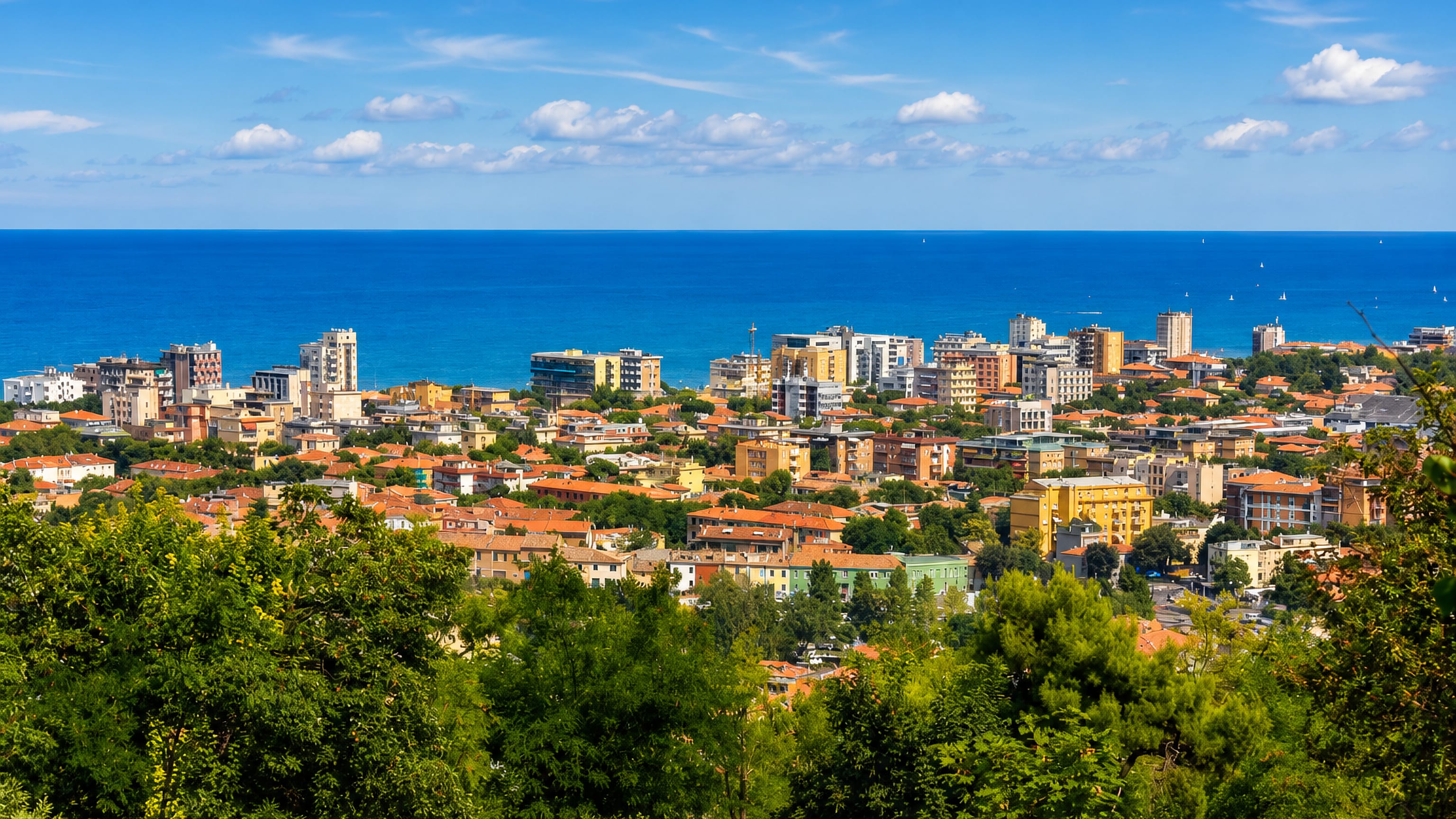
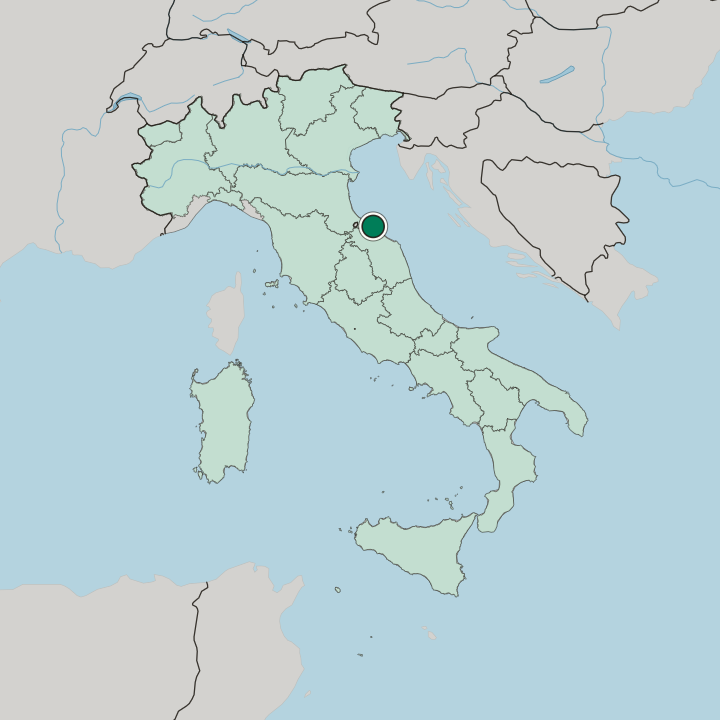
Pesaro is the Adriatic seat of the province of Pesaro and Urbino in Marche, holding Casa Rossini and the Villa Imperiale among its buildings.
Hotel links are affiliate links: booking through them may earn us a commission, at no extra cost to you. It never affects how places are ranked. How this works


Where to stay in Pesaro
The practical side of choosing where to sleep.
Three choices, and the walk between them is short. Rooms in the streets around Pesaro Cathedral put Palazzo Mosca, Casa Rossini and the Biblioteca Oliveriana within a few minutes of the door, which suits anyone whose days will be spent among the collections rather than on the sand. That side stays busy after dark.
You want it if the Rossini national museum and the Centro arti visive Pescheria are the reason you came to Marche at all. The Adriatic front is the second option. Beds there face open water and the church of Madonna Del Porto behind the harbour, trading the museum quarter's convenience for a shoreline that empties out of season and fills again when the beach weather returns.
The walk in takes minutes. Outside the built-up streets, where the Villa Imperiale of Pesaro stands in its own ground, the countryside of the province begins and lodgings spread thin between the coast and Urbino inland. A car makes that side workable; without one it is awkward.
Pesaro keeps enough of a centre that most visitors settle for the first option, and the seafront serves as an overflow in the busy months rather than a separate resort with its own life.
Find hotels in Pesaro
Direct booking searches for these neighbourhoods.
The cathedral quarter
Pesaro Cathedral and the Biblioteca Oliveriana sit inside the same short walkFind hotels in The cathedral quarterOpen water and the harbour church of Madonna Del PortoThe Adriatic front
The shoreline rooms empty out of season and refill for the beach monthsFind hotels in The Adriatic frontDrivers heading inland toward UrbinoThe Villa Imperiale side
Lodgings thin out beyond the built-up streets where the Villa Imperiale stands. Lodging is scarce in this area; reserve in advance.Find hotels in The Villa Imperiale sideHotel links are affiliate links: booking through them may earn us a commission, at no extra cost to you. It never affects how places are ranked. How this works
Things to do in Pesaro
Ranked by global recognition; descriptions from Wikidata (CC0).
Museums & Galleries
4- Civic Museum of Palazzo Mosca Heritage
- Rossini national museum Heritage
- Museo archeologico oliveriano Heritage
- Diocesan Museum of Pesaro Heritage
Churches & Religious Sites
8- Pesaro Cathedral Heritage
- Sant'Agostino, Pesaro Heritage
- Santa Maria delle Grazie, Pesaro Heritage
- San Giovanni Battista Heritage
- Municipal Chapel of Sant'Ubaldo Heritage
Show 3 more →
- Santissima Annunziata, Pesaro Heritage
- San Giacomo Heritage
- Madonna Del Porto Heritage
Castles & Historic Sites
3- Palazzo Mosca Heritage
- Lucus Pisaurensis
- Domus via dell'Abbondanza
Stadiums & Sports
1- Auditorium Scavolini
worth knowingacross 4 categories in Pesaro
About Pesaro
One name runs through everything.
What is Pesaro known for?
Casa Rossini, the Rossini national museum and the Statue of Gioachino Rossini stand within a few streets of one another, and the Auditorium Scavolini carries that musical inheritance into a hall built for performance rather than display. Palazzo Mosca houses the civic museum. Contemporary work hangs in the Centro arti visive Pescheria, the old fish market, while the Villa Imperiale of Pesaro represents the grandest end of the local building tradition.
What are the main landmarks in Pesaro?
Pesaro Cathedral anchors the old streets, with Sant'Agostino, Santa Maria delle Grazie, Santissima Annunziata and Chiesa della Maddalena scattered around it and the Municipal Chapel of Sant'Ubaldo smaller again. Palazzo Mosca holds the civic collections. Nearby stand the Biblioteca Oliveriana and the Museo archeologico oliveriano, which keep the books and the excavated material together, while the Diocesan Museum of Pesaro takes the church side.
Casa Rossini draws the most visitors. The Museo Officine Benelli records a different trade entirely.
What is the history of Pesaro?
Latin left the first traces. The Lucus Pisaurensis carries the Roman name of the settlement in its own, and the Domus via dell'Abbondanza preserves a house of that period under the modern streets, with the finds from both gathered into the Museo archeologico oliveriano. Excavation continues to supply it.
What the ground yields sits alongside the manuscripts of the Biblioteca Oliveriana, the two collections having grown from the same antiquarian impulse and kept the Oliveriano name between them. Church building shaped the centuries that followed. Pesaro Cathedral took the seat of the diocese whose objects the Diocesan Museum of Pesaro now displays, and San Giovanni Battista, San Giacomo, Sant'Agostino, Santa Maria delle Grazie and Santissima Annunziata filled out a compact core of parishes.
Confraternities built smaller rooms of their own. The Oratory of the Nome di Dio and the Municipal Chapel of Sant'Ubaldo belong to that layer, while Madonna Del Porto served the harbour end of the city rather than the streets behind it. Ducal patronage produced the Villa Imperiale of Pesaro and, in the town itself, Palazzo Mosca, which later became the civic museum.
The modern city added its own names. Casa Rossini, the Rossini national museum and the Statue of Gioachino Rossini turned one family's house into a permanent attraction, the Monumento a Terenzio Mamiani Della Rovere marked the nineteenth-century politics of the province, and the Museo Officine Benelli recorded the industrial workshops that gave working Pesaro its later reputation. Culture kept expanding.
The Centro arti visive Pescheria took over the old fish market for exhibitions and the Auditorium Scavolini gave the city a concert hall, both of them additions to a centre that had already spent centuries collecting things.
Where is Pesaro?
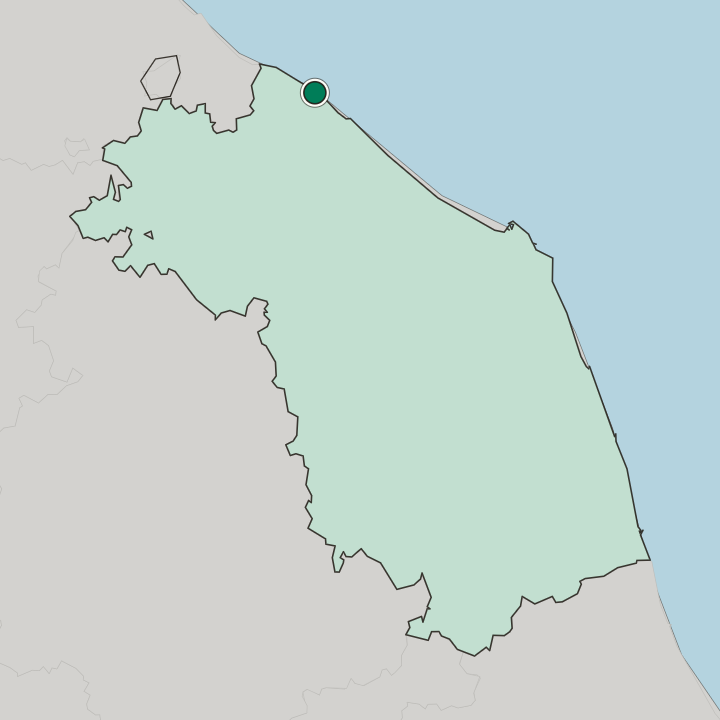
The Adriatic edges the city. Pesaro occupies the flat ground behind its shoreline, the built-up streets set back from the water and the harbour marked by Madonna Del Porto at the seaward end of the city. Country begins immediately beyond.
The province it administers reaches well inland to Urbino, so the municipality holds both a working coast and the first of the farmland that carries on toward the interior of Marche.
What is the climate of Pesaro?
Water off the Adriatic does the moderating, holding Pesaro inside the temperate band with summers warm enough for the beach season and winters that rarely bite the way the inland province around Urbino can. Spring comes early to the shore. Autumn carries the heavier rain, and the difference between a coastal morning and an inland one grows sharpest in the months either side of summer.
Fog favours the fields, not the front.
How do you get to Pesaro?
Approaches follow the shore. The coastal corridor along the Adriatic carries most traffic into Pesaro from either direction, and the inland roads climb away from the city toward Urbino and the hill towns of the province it shares its name with. Arrivals reach the centre quickly.
Pesaro Cathedral, Palazzo Mosca and Casa Rossini all stand close enough together that the city can be worked on foot once the car or the train has been left behind.
Common questions
What is the best area to stay in Pesaro?
The cathedral quarter: Days spent between Palazzo Mosca and Casa Rossini. The Adriatic front: Open water and the harbour church of Madonna Del Porto. The Villa Imperiale side: Drivers heading inland toward Urbino.
Good for
More cities in Marche
Updated October 2026