Italy · Molise
Where to Stay in Campobasso, Molise
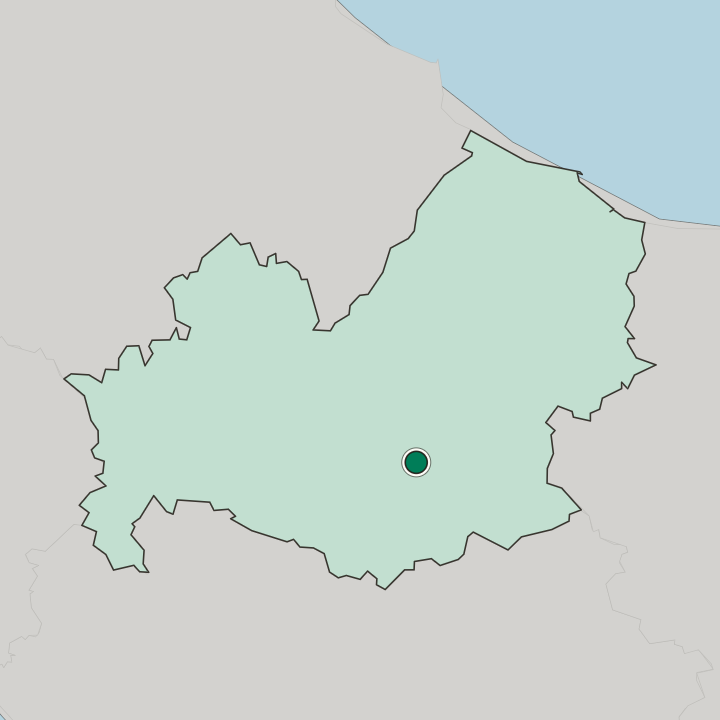
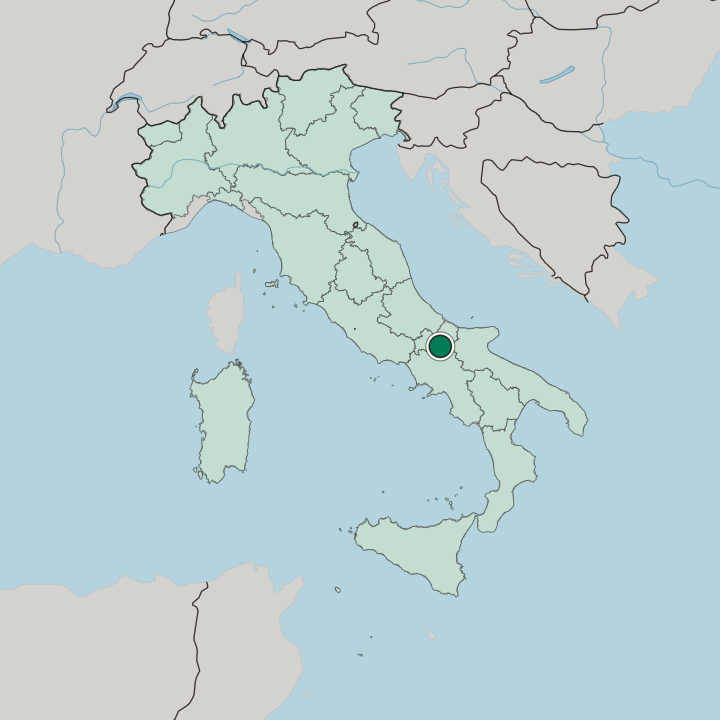
Campobasso is the capital of Molise, a city in the high basin of the Biferno, ringed by the Sannio and Matese mountains of southern Italy.
Hotel links are affiliate links: booking through them may earn us a commission, at no extra cost to you. It never affects how places are ranked. How this works


Where to stay in Campobasso
The practical side of choosing where to sleep.
The choice here is narrow. The built ground of Campobasso is compact enough that a room in one part of it is a short walk from any other, which removes most of the guesswork that picking a district usually involves. Lodging in the basin runs thin.
What exists sits inside a walk of itself, and that is the practical point. The city suits you if the trip is about Molise itself rather than about a list of sights, because the list is not what gave this place its standing. The mountains change the answer.
A visit built on the Sannio or the Matese gains something from sleeping on the side of the ring it means to walk, since the roads up gain height slowly and the day runs longer than the distance suggests. Most visitors keep the city anyway. Campobasso holds the rooms, the province of Campobasso is administered from it, and either range is close enough that the mountains work as day trips rather than as a second base.
The Biferno decides the rest. Downstream the country opens, and away from the water the going slows.
Find hotels in Campobasso
Direct booking searches for these neighbourhoods.
The basin floor, around the seats of Molise
the flat of the high basin carries the working part of Campobasso, and the short list of rooms in Molise's capital sits inside it. Lodging is scarce in this area; reserve in advance.Find hotels in The basin floor, around the seats of Molisea trip whose days are spent on the Matese rather than in the capitalThe Matese side of the ring
sleeping on the Matese flank of the basin cuts the climb out of each morning, which is worth more than walkable streets when the massif is the point. Rooms are few around here — worth securing early.Find hotels in The Matese side of the ringa driving loop through Molise that treats Campobasso as one stop rather than a baseThe Sannio flank and the Biferno valley below
the Sannio slopes and the valley the Biferno cuts below them string out the small settlements a loop can be built on, at the cost of everything the capital keeps in one place. Lodging is scarce in this area; reserve in advance.Find hotels in The Sannio flank and the Biferno valley belowHotel links are affiliate links: booking through them may earn us a commission, at no extra cost to you. It never affects how places are ranked. How this works
About Campobasso
Administration comes first.
What is Campobasso known for?
Campobasso holds two seats at the same time, the region of Molise and the province of Campobasso, which is an unusual concentration of official business for a city of this size. The Biferno comes second. The river gives the country around the city whatever coherence it has.
Mountains close the list. The Sannio stands on one flank and the Matese on the other.
What are the main landmarks in Campobasso?
Castello Monforte crowns the city, built in 1450 over older ruins. Below the castle, the church of St. George, probably the oldest in Campobasso, was built around the year 1000 over the ruins of a pagan temple. The Sannio rises on one side and the Matese on the other, and that ring of high country is the feature a visitor sees first and last.
Two ranges, one river. The province of Campobasso spreads out from the same basin, so the view from the edge of the built ground is also the shape of the territory the city administers.
What is the history of Campobasso?
Campobasso's origins are disputed. By the most widely held view, the Lombards founded it before the 8th century as a fortified camp on the castle hill, under the name Campus vassorum, the seat of the vassals of the Duke of Spoleto. From 1330 to 1745 the Monforte-Gambatesa family ruled it, and in 1763 the citizens left the old town for the plain below.
The administrative record is firmer than the origin story. Campobasso is a comune, the ordinary unit of Italian local government, and it carries two further titles on top of that: the province of Campobasso is named for the city and run from it, and the region of Molise is governed from the same basin. Italian is the working language of both.
A regional capital of modest size ends up holding a share of offices, archives and official business out of all proportion to its own footprint, and in Molise that concentration is the plainest thing about the place. The mountains kept it that way. Roads across the Sannio and the Matese have never been quick, and a capital that is hard to reach stays a capital of its own territory rather than a suburb of anywhere larger.
Where is Campobasso?
The basin is the whole of it. Campobasso sits in the high basin of the Biferno, with the Sannio closing one side and the Matese the other, so the city looks out at rising ground in most directions rather than at open country. Two ranges do the framing.
Molise wraps around the basin, and the province of Campobasso is run from inside it, which means the territory and its capital share the same piece of southern Italy rather than sitting a long way apart.
What is the climate of Campobasso?
Height is the governing fact. The basin the Biferno drains sits well up, and the Sannio and the Matese close it on both flanks, so the air over Campobasso behaves like mountain air rather than like the air of the lowlands elsewhere in southern Italy. Winter belongs to the mountains.
The same ring softens the summer, holding the night air down while the lower ground of Molise keeps its heat.
How do you get to Campobasso?
Every approach climbs. The basin sits above the country around it, so a road in from any direction gains height before it reaches Campobasso, and the easiest of them follows the Biferno up from the lower valley instead of crossing a range. The river is the corridor.
Coming across the Sannio or over the Matese means a slower drive on mountain roads, a reasonable trade if the high ground is the point of the trip and a poor one if it is not. Molise is small enough that neither way takes a whole day.
Common questions
What is the best area to stay in Campobasso?
The basin floor, around the seats of Molise: one base inside the Biferno basin with the regional and provincial offices on foot. The Matese side of the ring: a trip whose days are spent on the Matese rather than in the capital. The Sannio flank and the Biferno valley below: a driving loop through Molise that treats Campobasso as one stop rather than a base.
Good for
Updated October 2026