Italy · Regione Autonoma Valle d'Aosta
Where to Stay in Aosta, Regione Autonoma Valle d'Aosta
Capital of the bilingual Aosta Valley, Aosta sits where the Buthier joins the Dora Baltea under the Alps.
Hotel links are affiliate links: booking through them may earn us a commission, at no extra cost to you. It never affects how places are ranked. How this works


Where to stay in Aosta
Where visitors usually base themselves, and why.
Two quarters take most of the beds: the Roman streets and the ground around the Collegiate church of Saint Ursus. Rooms in the first put the Roman Theatre of Aosta, the Cryptoporticus, Aosta Cathedral and the Museo Archeologico Regionale within a few minutes on foot, which suits anyone who came for the excavated town rather than for the mountains behind it. Nothing in that quarter needs a bus.
The valley floor is flat and the built ground gives out at about 21 square kilometres, so a night in the middle buys minutes saved rather than any change of scene. East of the centre the town thins toward the Arène de la Croix-Noire and the Patinoire d'Aoste, and rooms out that way favour drivers pointed at the Mont Blanc Tunnel or the Great St Bernard Tunnel. Parking comes easier past the towers.
Bramafam Tower, the Bailiff's Tower and Tour Fromage mark where the old core gives out, and a bed beyond them still leaves Aosta Cathedral inside a walk. Turin lies 110 km south-south-east down the Dora Baltea, far enough that the town works as a base for the passes rather than as a halt on the way there.
Find hotels in Aosta
Direct booking searches for these neighbourhoods.
The Roman streets
The excavated core of Aosta, where the Roman Theatre of Aosta and the Cryptoporticus stand within a few streets of Aosta Cathedral and the Museo Archeologico Regionale.Find hotels in The Roman streetsvisitors pairing the Collegiate church of Saint Ursus with the Aosta Cathedral Treasure MuseumAround the Collegiate church of Saint Ursus
The quarter beyond Aosta Cathedral held by the Collegiate church of Saint Ursus, edged by Tour Fromage and the Bailiff's Tower.Find hotels in Around the Collegiate church of Saint Ursusdrivers aiming at the Mont Blanc Tunnel or the Great St Bernard TunnelThe Croix-Noire edge
The outer ground by the Arène de la Croix-Noire and the Patinoire d'Aoste, where parking comes easier than in the lanes under Bramafam Tower. Rooms are few around here — worth securing early.Find hotels in The Croix-Noire edgeHotel links are affiliate links: booking through them may earn us a commission, at no extra cost to you. It never affects how places are ranked. How this works
Things to do in Aosta
Ranked by global recognition; descriptions from Wikidata (CC0).
Museums & Galleries
7- Roman Theatre of Aosta Heritage
- Cryptoporticus Heritage
- MegaMuseo Heritage
- Roman Villa Consolata Heritage
- Museo Archeologico Regionale Heritage
Show 2 more →
- funerary area outside the Decuman Gate of Aosta Heritage
- Aosta Cathedral Treasure Museum Heritage
Churches & Religious Sites
3- Aosta Cathedral
- Collegiate church of Saint Ursus
- Saint Stephen's Church
Castles & Historic Sites
3- Bramafam Tower Heritage
- Passerin d'Entrèves Castle Heritage
- Tour de Ville Castle Heritage
Stadiums & Sports
2- Arène de la Croix-Noire
- Patinoire d'Aoste
Landmarks & Notable Places
5- Leper's Tower Heritage
- Bailiff's Tower Heritage
- Tour Fromage Heritage
- La Plantaz Tower Heritage
- Tourneuve Heritage
worth knowingacross 5 categories in Aosta
About Aosta
The Roman layer runs loudest.
What is Aosta known for?
The Roman Theatre of Aosta, the Cryptoporticus and the funerary ground outside the Decuman Gate of Aosta all stand inside a built area of about 21 square kilometres, and the Museo Archeologico Regionale gathers what the digging gave up. Two churches answer them. Aosta Cathedral and the Collegiate church of Saint Ursus carry the names the valley uses for itself, and the Aosta Cathedral Treasure Museum stands with the first of the two.
What are the main landmarks in Aosta?
Towers outnumber everything else. Bramafam Tower, the Leper's Tower, the Bailiff's Tower, Tour Fromage, Tour du Pailleron and La Plantaz Tower stand around the old core, and Tourneuve and the Tour de Ville Castle belong to the same count. The castles sit further out.
Montfleury Castle, Jocteau Castle, Charvensod Castle and Passerin d'Entrèves Castle hold ground above the valley floor, while Saint Stephen's Church and the Sainte-Croix chapel keep the quieter religious end of the list. MegaMuseo holds the indoor end.
What is the history of Aosta?
The oldest names on the map are Roman ones. A theatre, a cryptoporticus, a villa and a burial ground outside the gate the record still calls the Decuman Gate of Aosta put the town on the routes that cross the Alps by the Great St Bernard Pass and the Little St Bernard Pass. The Roman Villa Consolata is one of them.
What came out of those sites sits in the Museo Archeologico Regionale, so the place reads less as a town with a museum quarter than as one long excavation with streets laid over it. Then the towers. Bramafam Tower, the Leper's Tower, the Bailiff's Tower, Tour Fromage, Tour du Pailleron, La Plantaz Tower and Tourneuve belong to the later layer, and the castles carry it out of the centre: Montfleury Castle, Jocteau Castle, Charvensod Castle and Passerin d'Entrèves Castle.
The churches run in parallel. Aosta Cathedral and the Collegiate church of Saint Ursus anchor that end, with Saint Stephen's Church and the Sainte-Croix chapel beside them, and the Aosta Cathedral Treasure Museum keeps what the cathedral accumulated. No founding year is set down for the place.
Where is Aosta?
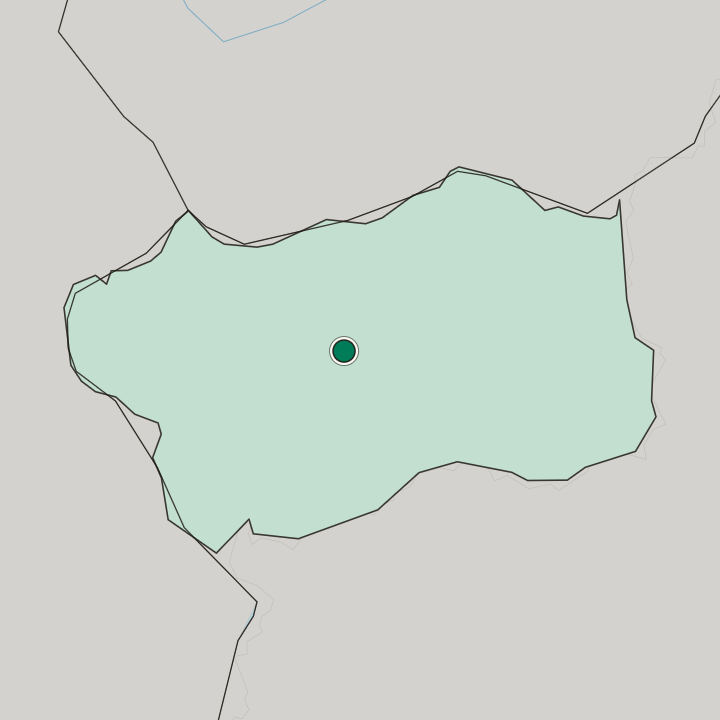
The valley is small and the town fills its floor. The Buthier comes down off the slopes to join the Dora Baltea here, and the built ground gives out at about 21 square kilometres before the mountainsides take over and the houses start climbing them. Two pass routes converge above.
The ways over the Great St Bernard Pass and the Little St Bernard Pass come together on this floor, which is why a town of this size sits at this particular bend inside the Alps.
What is the climate of Aosta?
The mountains do the sorting. Aosta sits on a valley floor with Alpine slopes rising on both sides, and that wall of ground settles what reaches the streets long before any regional average does. Height explains the tunnels.
The Mont Blanc Tunnel and the Great St Bernard Tunnel take the traffic that the roads over the Great St Bernard Pass and the Little St Bernard Pass cannot hold once winter has the high ground. The floor itself lies well below either pass.
How do you get to Aosta?
Two tunnels and two passes serve one valley road. The Italian entrances of the Mont Blanc Tunnel and the Great St Bernard Tunnel both lie near Aosta, so a crossing under the Alps starts within a short drive of the centre. Turin is 110 km off.
The road down the Dora Baltea runs south-south-east toward it, while the older ways over the Great St Bernard Pass and the Little St Bernard Pass still come back to the same floor.
Common questions
What is the best area to stay in Aosta?
The Roman streets: travellers who want the Roman Theatre of Aosta and the Cryptoporticus at the door. Around the Collegiate church of Saint Ursus: visitors pairing the Collegiate church of Saint Ursus with the Aosta Cathedral Treasure Museum. The Croix-Noire edge: drivers aiming at the Mont Blanc Tunnel or the Great St Bernard Tunnel.
Good for
Updated October 2026