Italy · Sardegna
Where to Stay in Cagliari, Sardegna
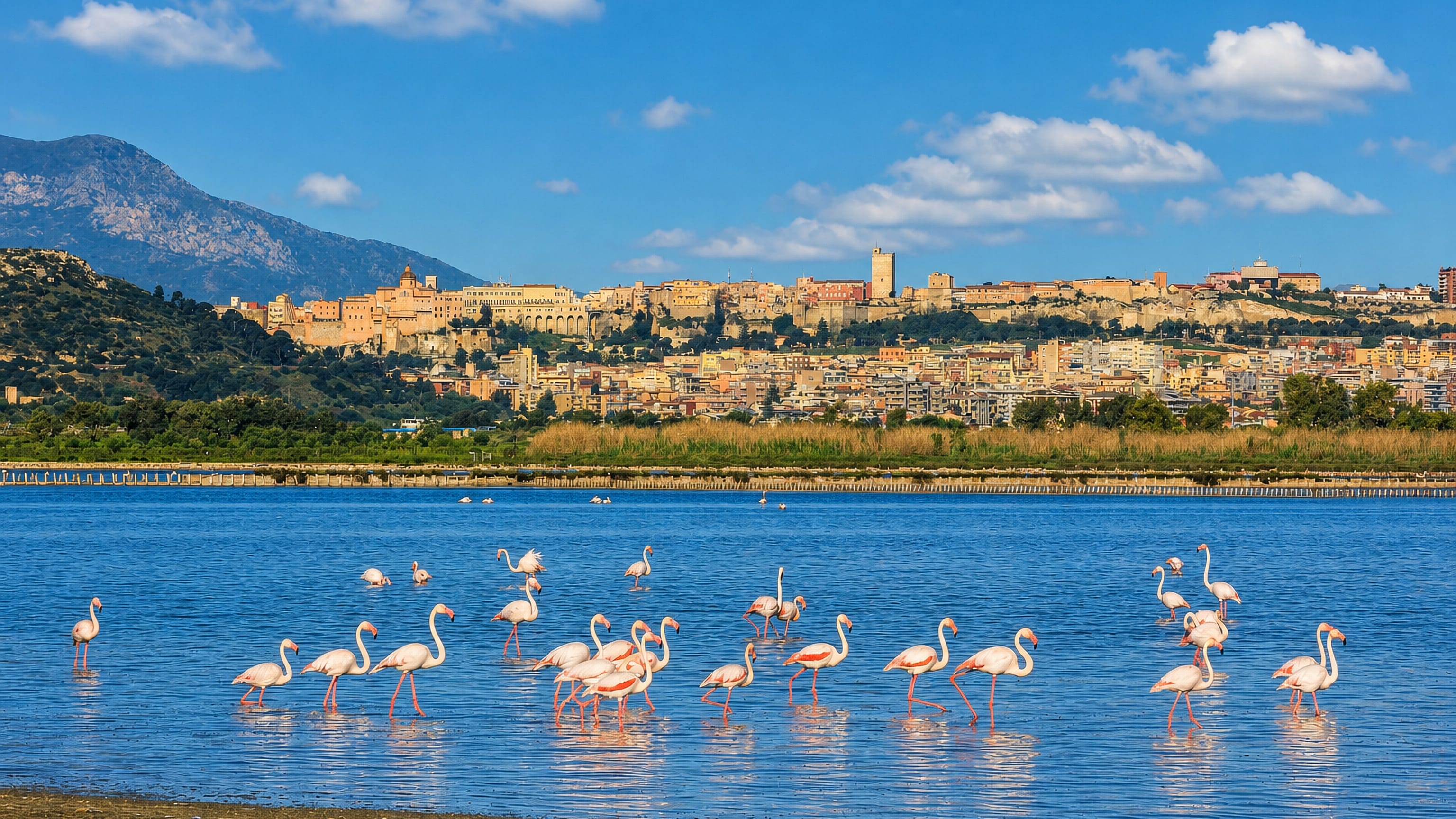
Capital of Sardinia, Cagliari keeps Cagliari Cathedral, the torre dell'Elefante and a Roman amphitheatre inside one walkable core.
Hotel links are affiliate links: booking through them may earn us a commission, at no extra cost to you. It never affects how places are ranked. How this works


Where to stay in Cagliari
How the choice of base plays out on the ground.
The tower quarter comes first. Rooms taken near the Torre di San Pancrazio and the torre dell'Elefante leave Cagliari Cathedral, Santa Croce and the Cittadella dei musei within a short walk, and the National Archaeological Museum of Cagliari belongs to that same complex of collections rather than to some outlying campus. This is the dense half of the city.
Sant'Antonio and Santo Sepolcro fill in the streets behind it, so an evening walk turns up something without any planning at all. Bonaria is the second pole. The Basilica of Our Lady of Bonaria pulls its own traffic, beds on that side reach the Roman Amphitheatre of Cagliari and the Basilica of San Saturnino without a crossing of the whole city, and the choice suits you when a quiet street counts for more than a window facing the towers.
San Lucifero and Sant'Efisio sit between the two. Neither pole is far from the other, and a stay in the middle ground reaches both on foot in a way that neither end quite manages by itself. The outer city works differently.
Cagliari runs to 85 square kilometres, and rooms out toward the Castle of San Michele trade the short walk for space, with San Michele, San Giacomo, Santa Caterina, San Francesco di Paola and the chiesa di Nostra Signora del Carmine marking that wider ground. Santa Igia lies out this way too. Anyone taking a car should weigh the outer streets seriously, since the tower quarter was laid out long before cars and shows it in every measurement.
Find hotels in Cagliari
Direct booking searches for these neighbourhoods.
The tower quarter
The Torre di San Pancrazio and the torre dell'Elefante bracket these streetsFind hotels in The tower quarterQuieter nights still in reach of the Roman Amphitheatre of CagliariBonaria
The Basilica of Our Lady of Bonaria gives this side its own centre of gravityFind hotels in BonariaSpace and easy driving away from the tower streetsOut toward the Castle of San Michele
The Castle of San Michele marks the outer end of the municipal ground. Few places to stay nearby — book ahead.Find hotels in Out toward the Castle of San MicheleHotel links are affiliate links: booking through them may earn us a commission, at no extra cost to you. It never affects how places are ranked. How this works
Things to do in Cagliari
Ranked by global recognition; descriptions from Wikidata (CC0).
Museums & Galleries
3- National Archaeological Museum of Cagliari Heritage
- Grotta della vipera Heritage
- Sardinian Art Collection "Luigi Piloni"
Churches & Religious Sites
8- Basilica of San Saturnino Heritage
- San Michele Heritage
- Sant'Efisio Heritage
- San Lucifero (Cagliari) Heritage
- Santa Croce Heritage
Show 3 more →
- Santo Sepolcro Heritage
- San Giacomo Heritage
- Santa Caterina Heritage
Castles & Historic Sites
2- Castle of San Michele Heritage
- Santa Igia
Landmarks & Notable Places
3- torre dell'Elefante Heritage
- Torre di San Pancrazio Heritage
- Torre della Quarta Regia Heritage
worth knowingacross 4 categories in Cagliari
About Cagliari
Towers name the place.
What is Cagliari known for?
The Torre di San Pancrazio and the torre dell'Elefante stand over the old approaches, the Roman Amphitheatre of Cagliari survives from the ancient city, and the National Archaeological Museum of Cagliari holds the excavated record of both. Churches supply the counterweight, among them Cagliari Cathedral, the Basilica of San Saturnino, the Basilica of Our Lady of Bonaria and Sant'Efisio. The Cittadella dei musei gathers the collections.
What are the main landmarks in Cagliari?
Five towers survive: the Torre di San Pancrazio, the torre dell'Elefante, the Torre dell'Aquila, the Torre dello Sperone and the Torre della Quarta Regia. Antiquity is the second strand, carried by the Roman Amphitheatre of Cagliari and the Grotta della vipera, with the National Archaeological Museum of Cagliari and the Cittadella dei musei doing the work of explaining what the ground gave up. The church list runs long.
Cagliari Cathedral, the Basilica of San Saturnino, the Basilica of Our Lady of Bonaria, Sant'Efisio and Santa Caterina head it, and the Castle of San Michele closes the set.
What is the history of Cagliari?
The ancient city left stone behind. The Roman Amphitheatre of Cagliari and the Grotta della vipera come down from it, and the National Archaeological Museum of Cagliari, housed with the rest of the Cittadella dei musei, is where the excavated evidence is kept and read rather than left in the ground. Santa Igia carries an older name than either.
It stands for a phase of the same city that the present street plan no longer shows. Defence shaped what came next. The Torre di San Pancrazio, the torre dell'Elefante, the Torre dell'Aquila, the Torre dello Sperone and the Torre della Quarta Regia are the surviving towers of that effort, and the Castle of San Michele holds a separate position clear of them.
Churches multiplied in parallel. Cagliari Cathedral took the senior role while the Basilica of San Saturnino kept a following of its own, and San Lucifero, Santa Croce, Santo Sepolcro, San Giacomo, San Francesco di Paola, Sant'Antonio and the chiesa di Nostra Signora del Carmine spread the parish network across the built-up ground. The Basilica of Our Lady of Bonaria and Sant'Efisio became destinations in their own right.
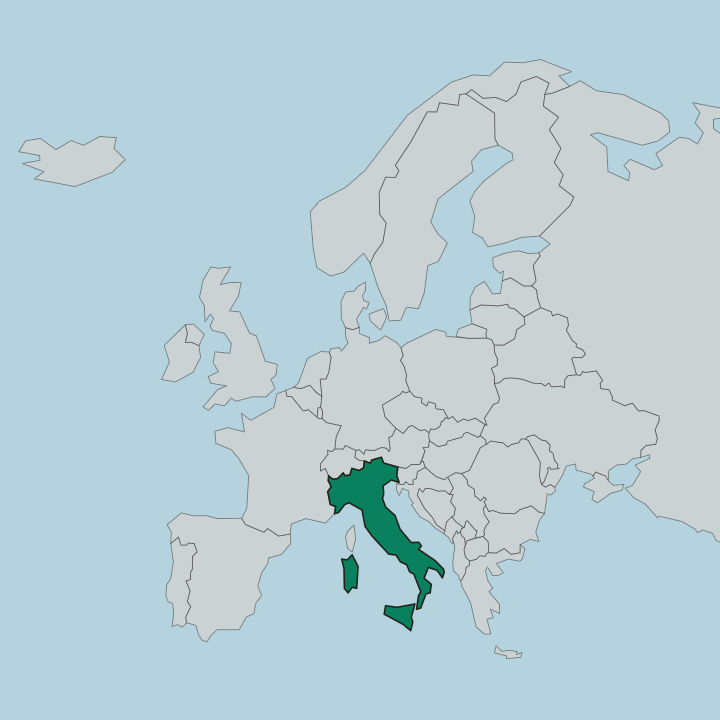
Government is the closing layer. Cagliari serves as capital and largest city of Sardinia, an autonomous region of Italy, and that standing accounts for the institutions the city holds rather than shares with anywhere else on the island.
Where is Cagliari?
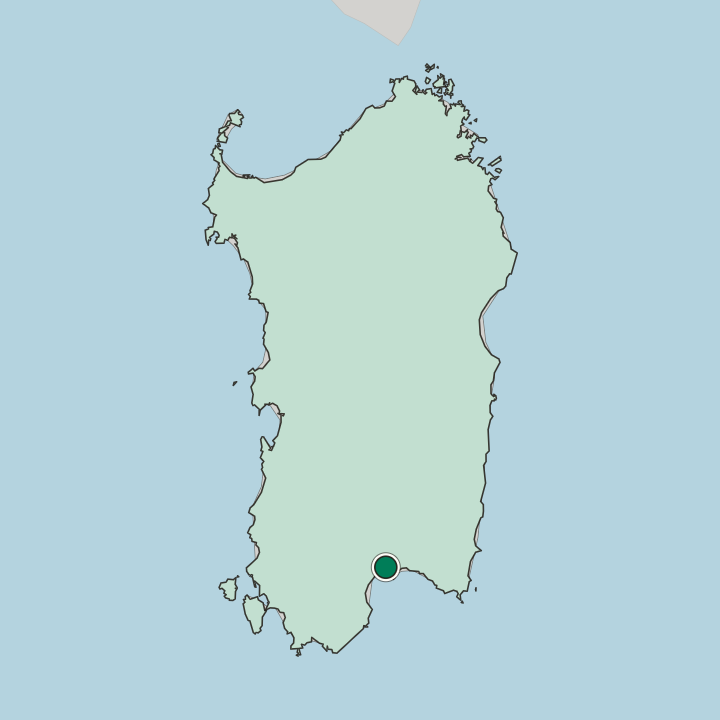
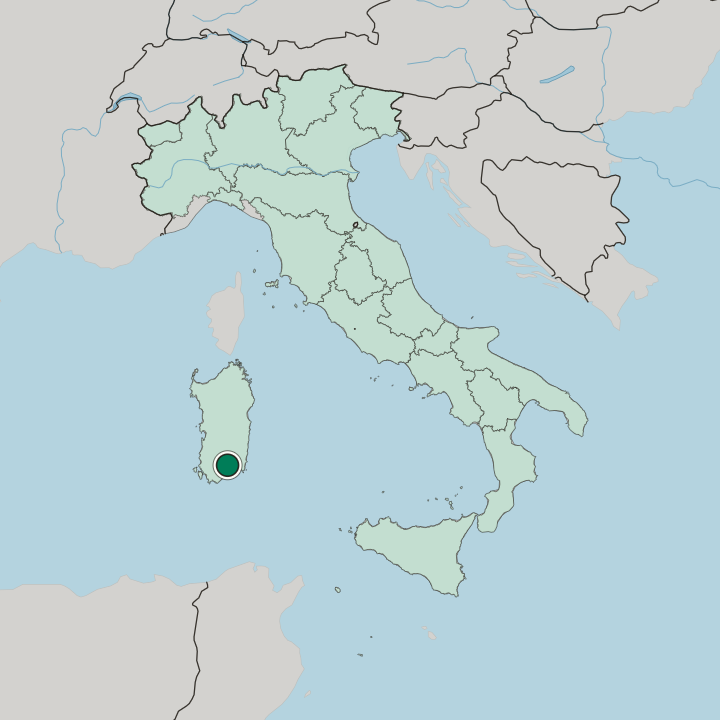
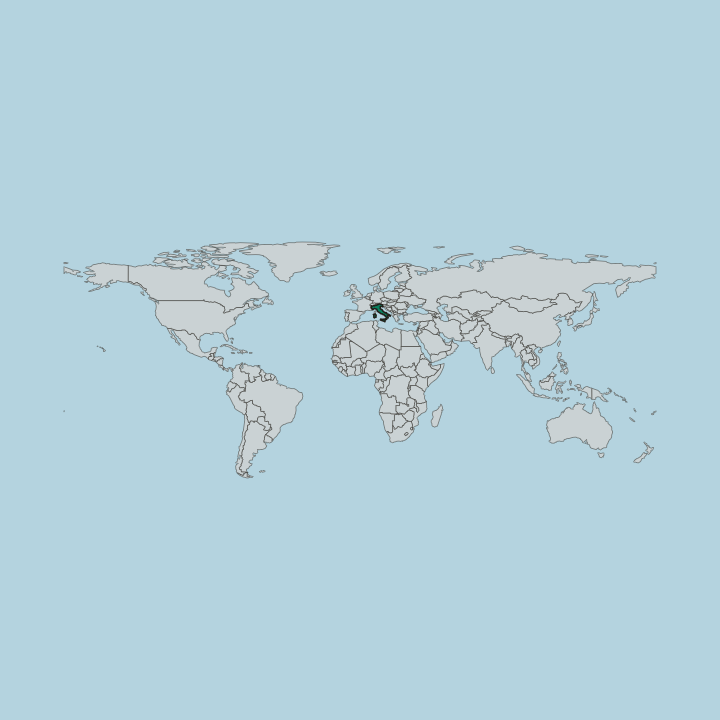
The municipal ground runs to 85 square kilometres. Cagliari holds that territory on Sardinia, an island in the temperate band of the northern hemisphere, and it spreads wide enough that the Castle of San Michele and the Torre di San Pancrazio belong to quite different parts of the same city. Sea encloses the island.
Everything arriving overland does so from within Sardinia itself, which is why the Cittadella dei musei and Santa Igia read as points on one enclosed map.
What is the climate of Cagliari?
The sea around Sardinia sets the terms, holding Cagliari's cold months well short of severe and slowing both the arrival and the departure of summer heat, so the warm stretch here runs long rather than sharp. Cold spells pass quickly here. A walk from Cagliari Cathedral down to the Basilica of Our Lady of Bonaria works in almost any month of the year.
How do you get to Cagliari?
Every approach crosses water. Cagliari stands on Sardinia, so getting here means a sea or air crossing rather than a drive from the mainland, and the island's own roads carry whatever distance is left once that crossing has landed. On foot, the old centre is small.
Cagliari Cathedral, the Torre di San Pancrazio and the Cittadella dei musei sit minutes apart, and the Roman Amphitheatre of Cagliari is not much further.
Common questions
What is the best area to stay in Cagliari?
The tower quarter: First stays taking in Cagliari Cathedral and the Cittadella dei musei. Bonaria: Quieter nights still in reach of the Roman Amphitheatre of Cagliari. Out toward the Castle of San Michele: Space and easy driving away from the tower streets.
Good for
More cities in Sardegna
Updated October 2026