Italy
Sardegna, Italy — Towns & Travel Guide
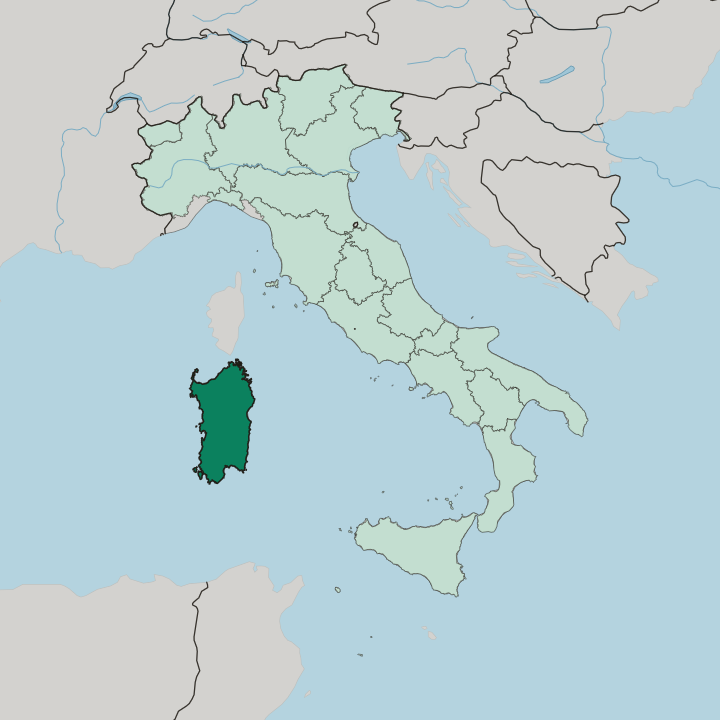
Sardegna is the second-largest island in the Mediterranean, an autonomous region of Italy west of the mainland.
Hotel links are affiliate links: booking through them may earn us a commission, at no extra cost to you. It never affects how places are ranked. How this works


Towns & cities in Sardegna
Pick a town or city — each links to where to stay.

 Italy
Italy
Cagliari
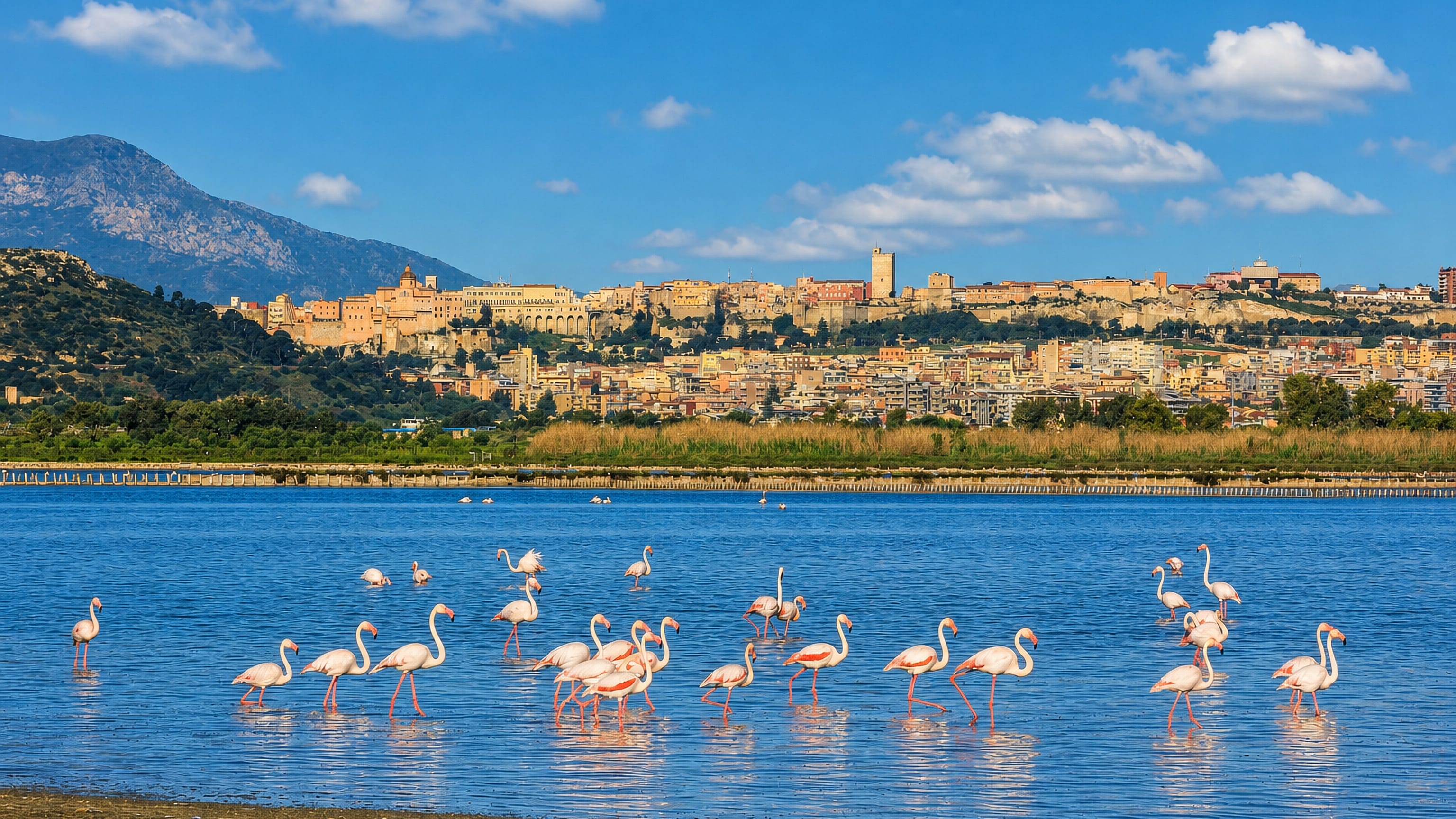
Capital of Sardinia, Cagliari keeps Cagliari Cathedral, the torre dell'Elefante and a Roman amphitheatre inside one walkable core.Where to stay →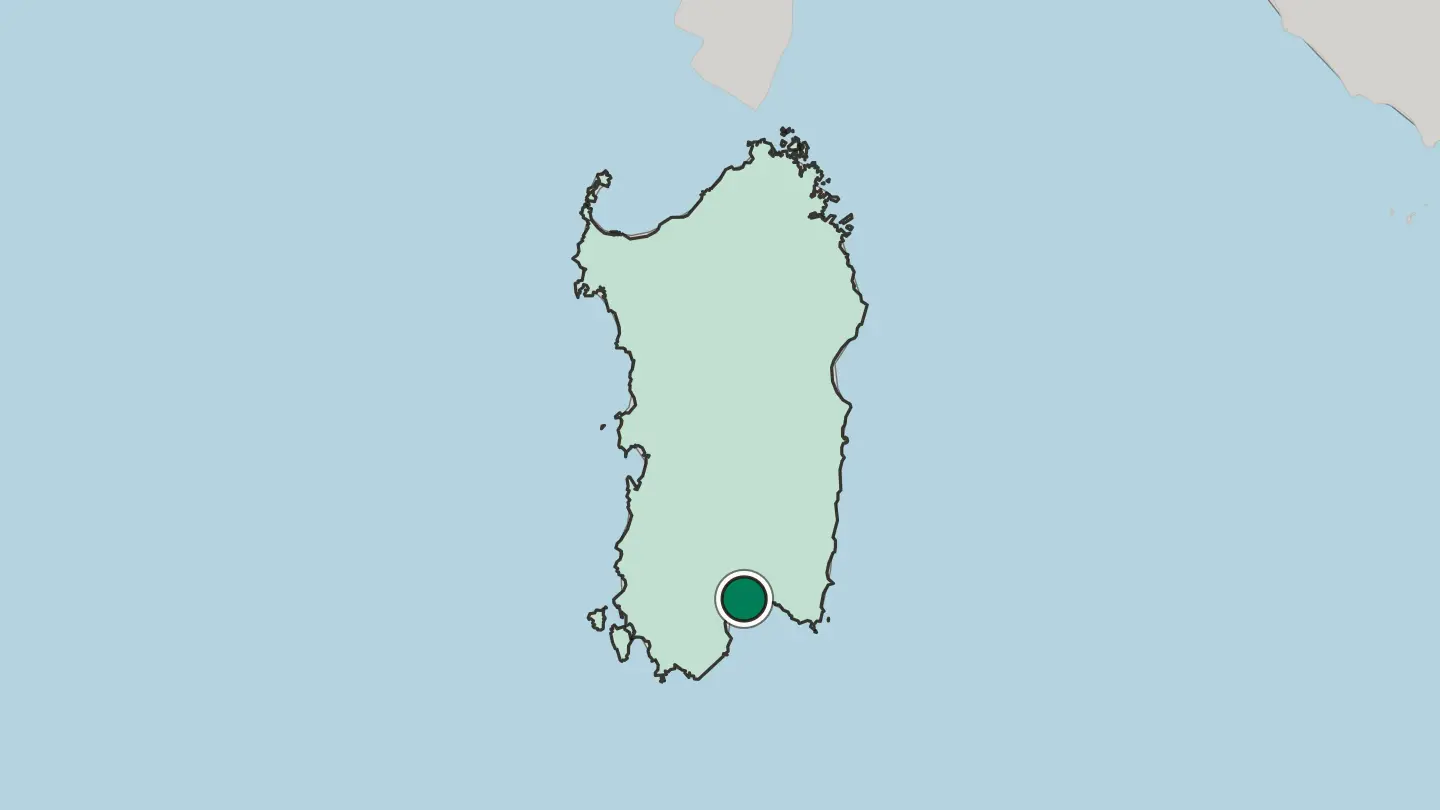
 Italy
Italy
Sassari
Sassari, second city of Sardinia, gathers the Cathedral of Sassari, the Sanna National Museum and a long run of art collections.Where to stay →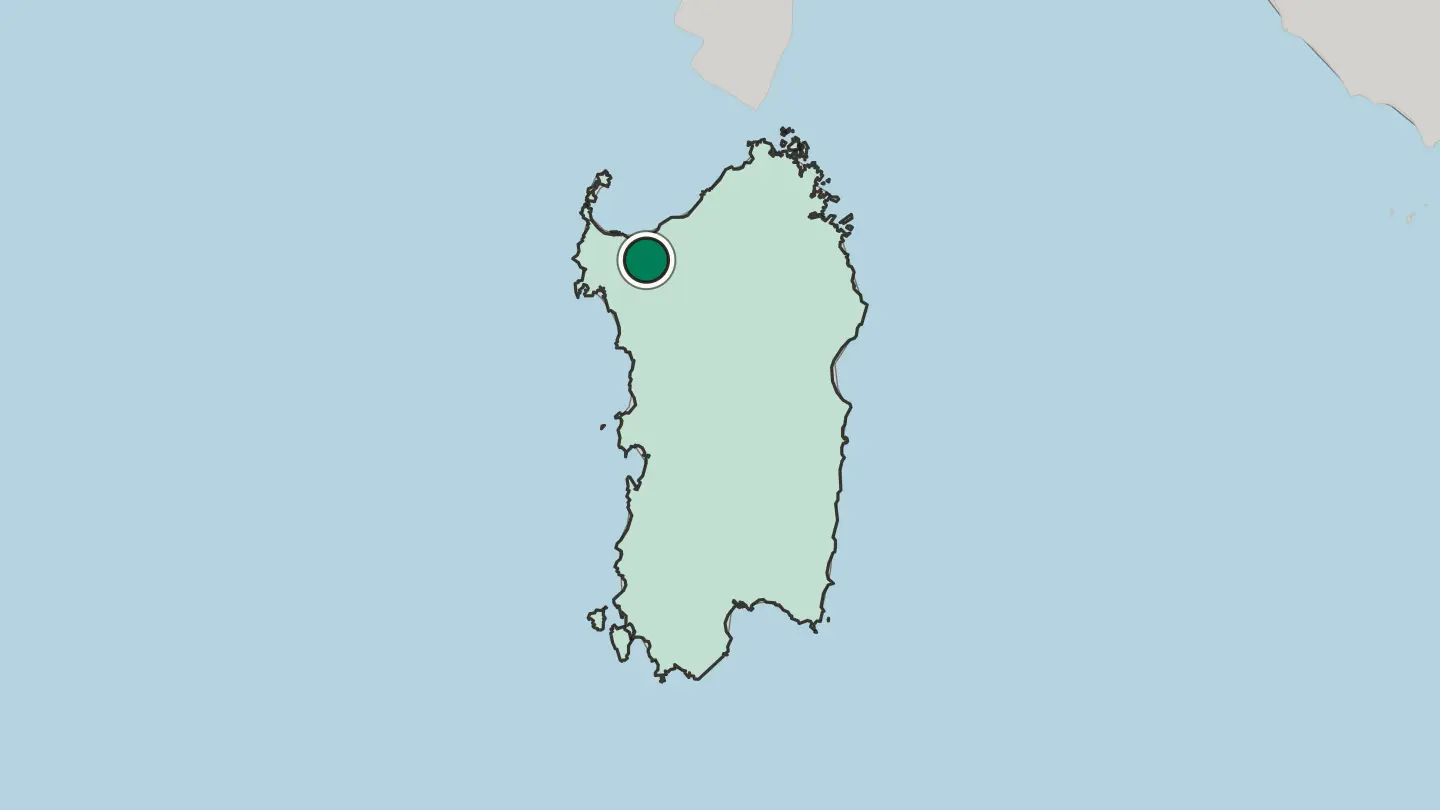
 Italy
Italy
Olbia
Olbia is the major city of Gallura, co-capital of its province, with the Museo archeologico di Olbia holding the Roman record.Where to stay →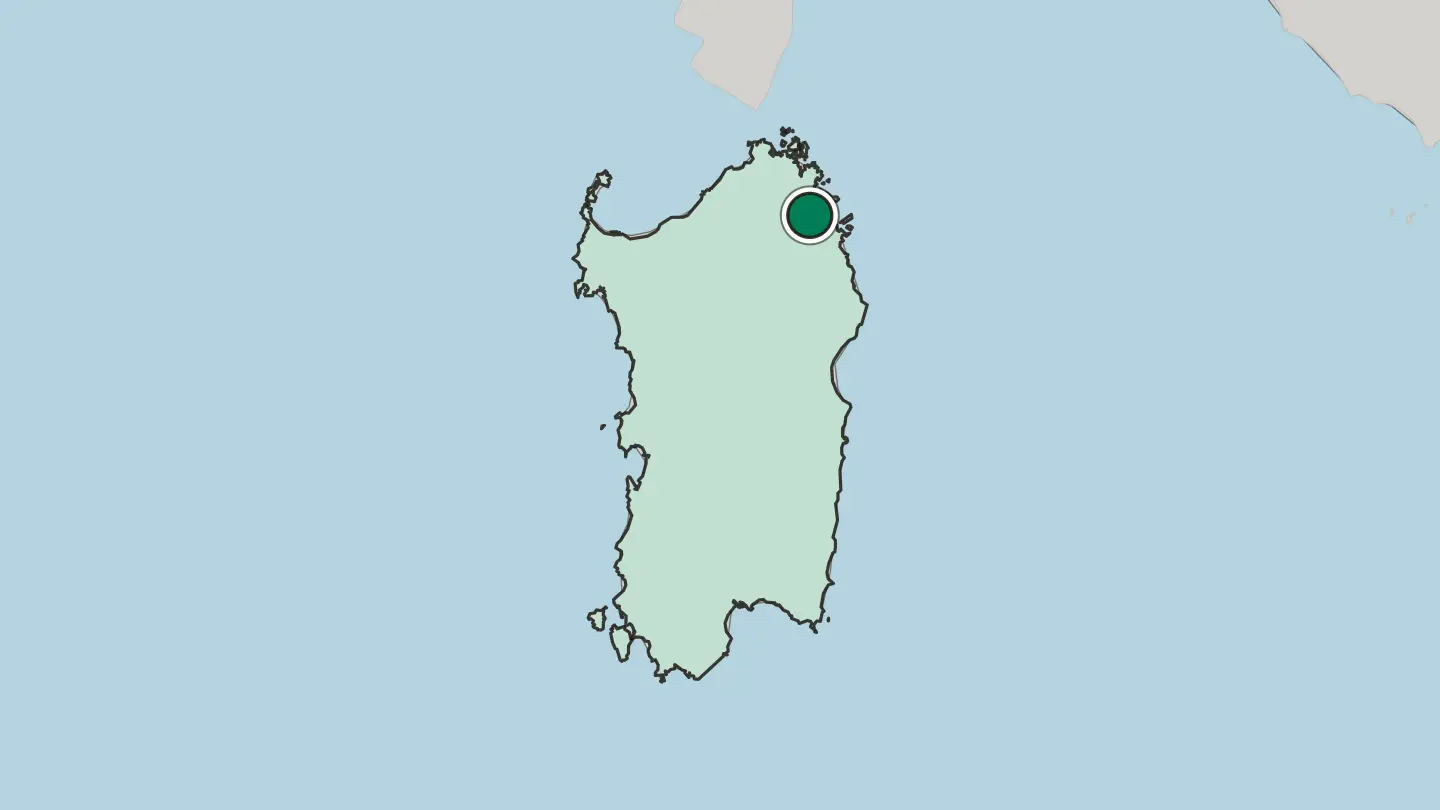
Hotel links are affiliate links: booking through them may earn us a commission, at no extra cost to you. It never affects how places are ranked. How this works
About Sardegna
Sardegna trades on its coast.
What is Sardegna known for?
Some 1,850 kilometres of shoreline ring the island, from the granite coves of the Costa Smeralda in the north-east to the long strands below Cagliari in the south. Inland the land climbs into the Gennargentu, a bare massif where Punta La Marmora tops out above every other summit on the island. The interior is older and quieter than the resorts.
It holds thousands of nuraghi, the drystone towers left by the Nuragic civilization that built here in the Bronze Age.
Where is Sardegna?
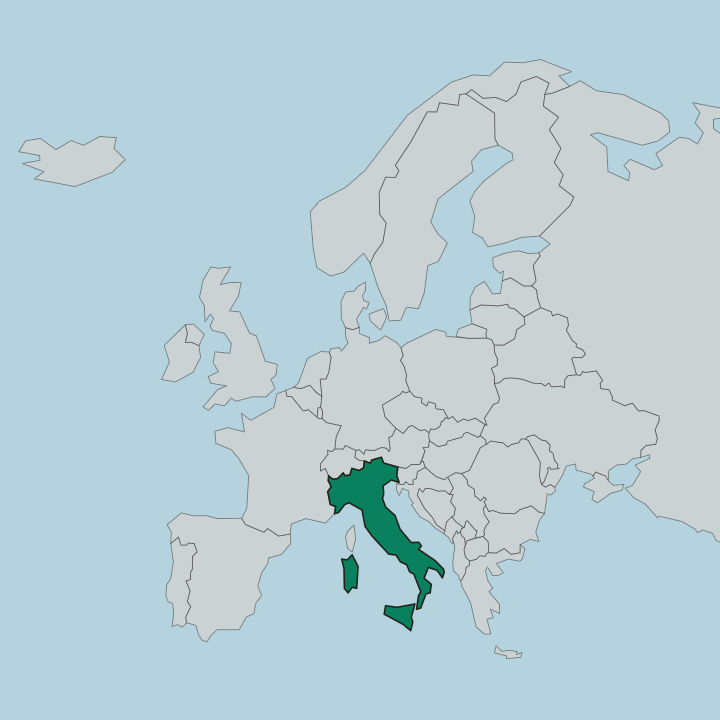
Sardegna lies out on its own. The island sits west of the Italian Peninsula, across the Tyrrhenian Sea, with only a narrow strait separating its northern tip from the French island of Corsica. It is the second-largest island in the Mediterranean, after Sicily alone.
Water is on every side. The open Mediterranean washes the western and southern shores, while the Tyrrhenian arm of the same sea fills the gap between Sardegna and the Italian mainland to the east. Corsica lies just north, close enough to see across the strait on a clear day, and Tunisia sits away to the south beyond open water.
The island is high in its middle. The Gennargentu massif rises through the centre and east, and Punta La Marmora crowns it as the highest ground on the island. From those peaks the land falls away toward the coasts on every side.
Cagliari holds the south on a wide gulf, Sassari the north-west, and Olbia the north-east where the Costa Smeralda begins. The coastline itself runs long and broken, some 1,850 kilometres of granite headlands, deep coves and open beaches. Nowhere on Sardegna sits far from the sea.
What is Sardegna like?
Sardegna keeps its own tongue. Sardinian is a Romance language of its own, indigenous to the island and closer to Latin than to standard Italian, and it is still heard in the interior villages alongside Italian. That separateness runs deep.
The island held its Nuragic culture for a thousand years while Phoenician traders worked the coasts, and even after Rome took the island in 238 BC the old ways lingered in the highlands. Layers of rulers followed. Corners of the island still carry each of them in stone and speech.
Alghero is the clearest case. The town speaks a form of Catalan and wears Aragonese street names, left when the crown of Aragon settled it in the Middle Ages. Elsewhere the Nuragic past is the constant.
Thousands of nuraghi stand across the countryside, and the best-preserved of them, Su Nuraxi di Barumini, carries a UNESCO listing as the finest surviving work of that Bronze Age civilization. Festivals, shepherding and a distinct island cuisine round out a culture that has never quite folded into the mainland's.
What is the history of Sardegna?
The island's first great chapter was homegrown. The Nuragic civilization rose here in the Bronze Age, around 1800 BC, and raised the drystone towers that still name it and dot the countryside in their thousands to this day. Phoenicians came for the coasts.
Carthage followed, until Rome annexed the island in 238 BC and held it for centuries. Waves of medieval rulers arrived after, the crown of Aragon among them, and their mark survives most plainly in the Catalan streets of Alghero. Sardegna joined a unified Italy in the nineteenth century.
It later won the statutory autonomy it holds among the country's regions.
What is the climate of Sardegna?
Sardegna runs on a Mediterranean rhythm. Summers are hot and effectively dry along the coasts, while the rain falls between autumn and early spring rather than in the warm months. The maestrale, the north-westerly wind off the sea, blows hardest from autumn through spring and shapes the exposed western capes and the sailing conditions off the Costa Smeralda.
Height changes the picture. The Gennargentu catches far more rain than the lowlands, and its highest ground can hold snow while the beaches below stay mild.
How do you get to Sardegna?
Most travellers fly to Sardegna. Three airports carry the traffic: Cagliari in the south, the busiest, Olbia serving the Costa Smeralda in the north-east, and Alghero in the north-west. Ferries are the other way across.
Boats run from the Italian mainland and beyond into Cagliari, Olbia and the northern port of Porto Torres, carrying cars as well as foot passengers over the Tyrrhenian Sea. Once ashore, roads link the coasts to Sassari and the Gennargentu interior, though the mountain routes are slow going.
Common questions
What is the best area to stay in Sardegna?
Cagliari: arriving in the south. Olbia and the Costa Smeralda: the north-eastern coast. Alghero: the Catalan north-west. The Gennargentu interior: the mountain interior.
Good for
More regions in Italy
Updated September 2026