Italy · Sardegna
Where to Stay in Olbia, Sardegna
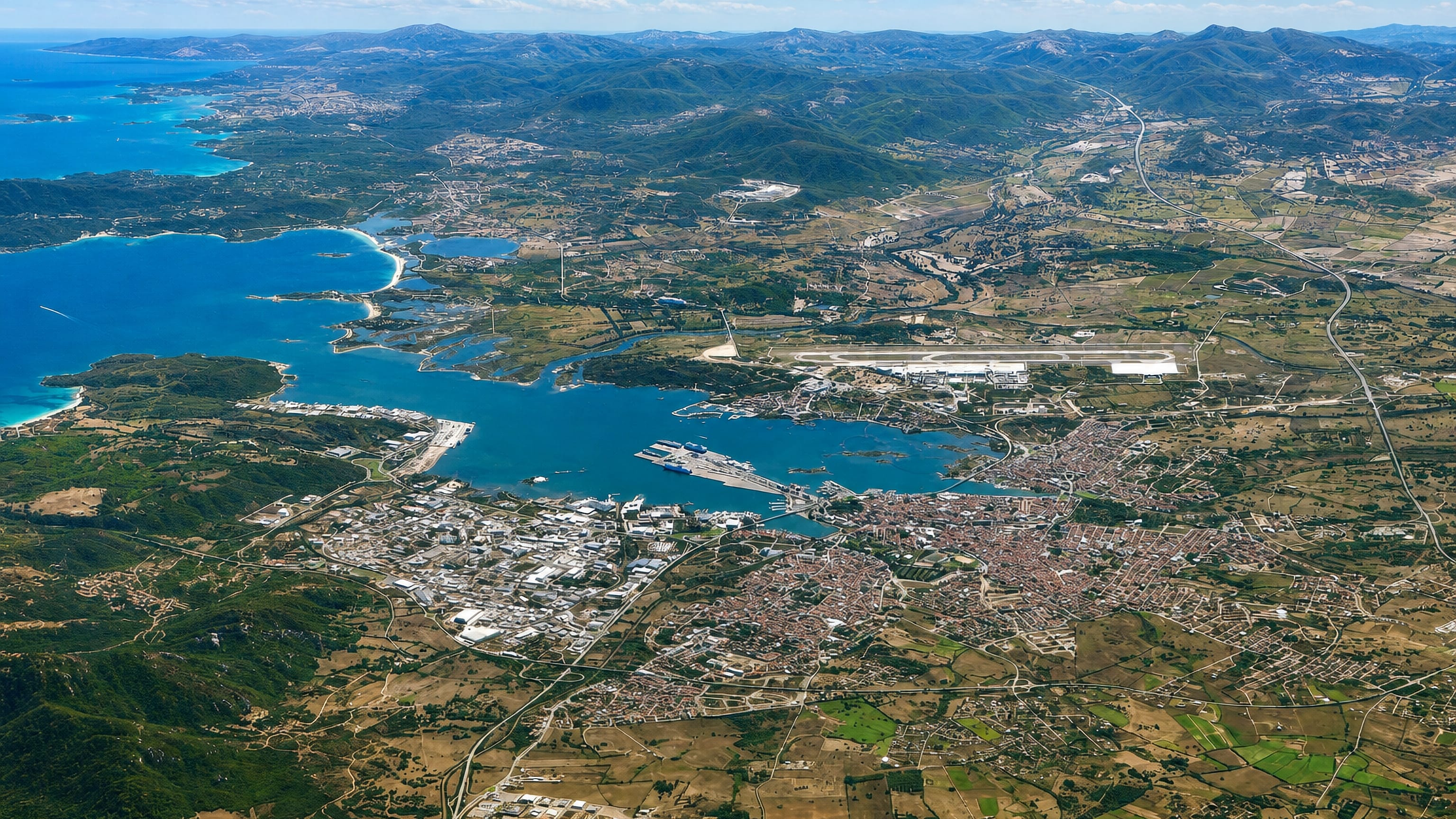
Olbia is the major city of Gallura, co-capital of its province, with the Museo archeologico di Olbia holding the Roman record.
Hotel links are affiliate links: booking through them may earn us a commission, at no extra cost to you. It never affects how places are ranked. How this works


Where to stay in Olbia
Where visitors usually base themselves, and why.
San Paolo marks the centre. A room near it leaves the Museo archeologico di Olbia and the chiesa della Sacra Famiglia inside an easy walk, which is most of what the city itself asks of a visitor working with a single day. The core stays small.
Olbia's municipal territory runs to 383 square kilometres, so the gap between a central bed and an outlying one gets measured in kilometres rather than in streets, and that measurement decides more here than the choice of street ever will. Gallura is the other calculation. Rooms taken out toward the Fattoria romana di S'Imbalconadu sit well clear of the built-up part, and that ground suits you when a car is already part of the trip and the Roman countryside, rather than the city, is the reason for coming.
The chiesa di Nostra Signora de La Salette anchors a quarter of its own. Between the two, the ordinary residential streets fill the distance without much to distinguish one from the next. One oddity is worth planning around.
Olbia holds the role of provincial capital jointly with Tempio Pausania, so the official business of this part of Sardinia is divided between two towns rather than concentrated in one, and a stay pitched at the region rather than at the city is the more useful way to think about it. Book on the strength of the drive, not the address.
Find hotels in Olbia
Direct booking searches for these neighbourhoods.
Around San Paolo
San Paolo and the chiesa della Sacra Famiglia stand within the same few streetsFind hotels in Around San PaoloDrivers whose trip is built on Roman GalluraOut by S'Imbalconadu
The Fattoria romana di S'Imbalconadu lies well clear of the built-up streets. Beds are limited here, so book early.Find hotels in Out by S'ImbalconaduQuieter rooms a walk short of the archaeological collectionThe La Salette quarter
The chiesa di Nostra Signora de La Salette anchors this part of Olbia. Few places to stay nearby — book ahead.Find hotels in The La Salette quarterHotel links are affiliate links: booking through them may earn us a commission, at no extra cost to you. It never affects how places are ranked. How this works
Things to do in Olbia
Ranked by global recognition; descriptions from Wikidata (CC0).
Museums & Galleries
1- Museo archeologico di Olbia
Churches & Religious Sites
3- San Paolo
- chiesa della Sacra Famiglia
- chiesa di Nostra Signora de La Salette
Castles & Historic Sites
2- Fattoria romana di S'Imbalconadu
- Olbia (2) (Samian Ware Discovery Site)
worth knowingacross 3 categories in Olbia
About Olbia
Archaeology carries it.
What is Olbia known for?
The Museo archeologico di Olbia holds the finds, the Fattoria romana di S'Imbalconadu preserves a Roman farm out beyond the built-up ground, and a recorded Samian Ware discovery site puts imported pottery into the same centuries. San Paolo heads the church list. The chiesa di Nostra Signora de La Salette and the chiesa della Sacra Famiglia complete a set that stays deliberately short.
What are the main landmarks in Olbia?
Olbia's register runs to six names. San Paolo, the chiesa di Nostra Signora de La Salette and the chiesa della Sacra Famiglia account for the churches, while the Fattoria romana di S'Imbalconadu and a documented Samian Ware discovery site carry the Roman layer that the Museo archeologico di Olbia exists to interpret. The list is short by design.
What Olbia holds sits in excavation and display more than in standing monuments, and Gallura around it supplies the rest of the interest.
What is the history of Olbia?
Rome is in the ground here. The Fattoria romana di S'Imbalconadu preserves a working farm from that period, a Samian Ware discovery site records the imported pottery that reached this corner of Gallura, and the Museo archeologico di Olbia is where both classes of evidence are kept, catalogued and shown. Finds outweigh ruins.
What stands above ground is slighter than what excavation has produced, which is the ordinary shape of the record for a place that never stopped being lived in. The later town is read through its churches. San Paolo serves as the principal church of the present city, while the chiesa di Nostra Signora de La Salette and the chiesa della Sacra Famiglia belong to parishes that appeared as the built-up area widened across a municipal territory of 383 square kilometres.
Administration is the modern chapter. Olbia carries the role of provincial capital jointly with Tempio Pausania, an arrangement that keeps the historical region of Gallura, rather than any one town, at the centre of how this part of Sardinia is organised within Italy.
Where is Olbia?
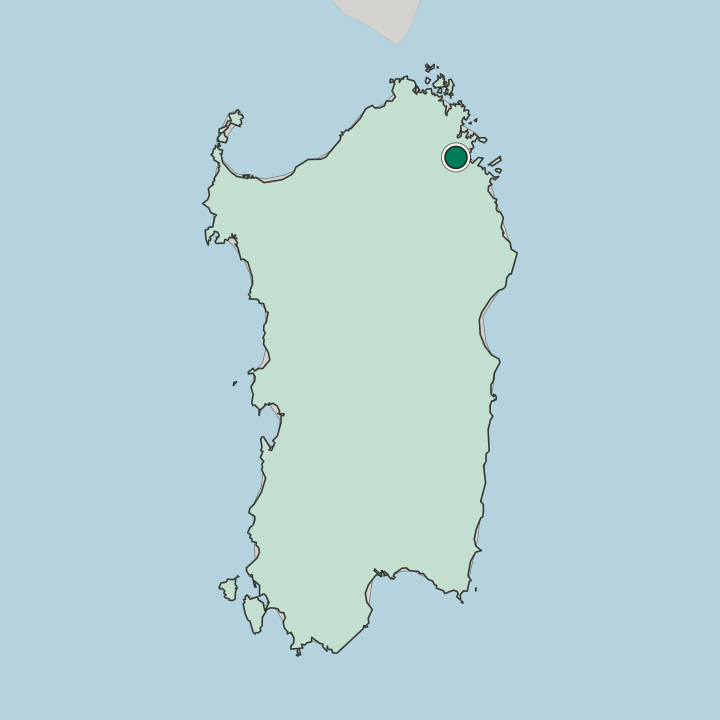
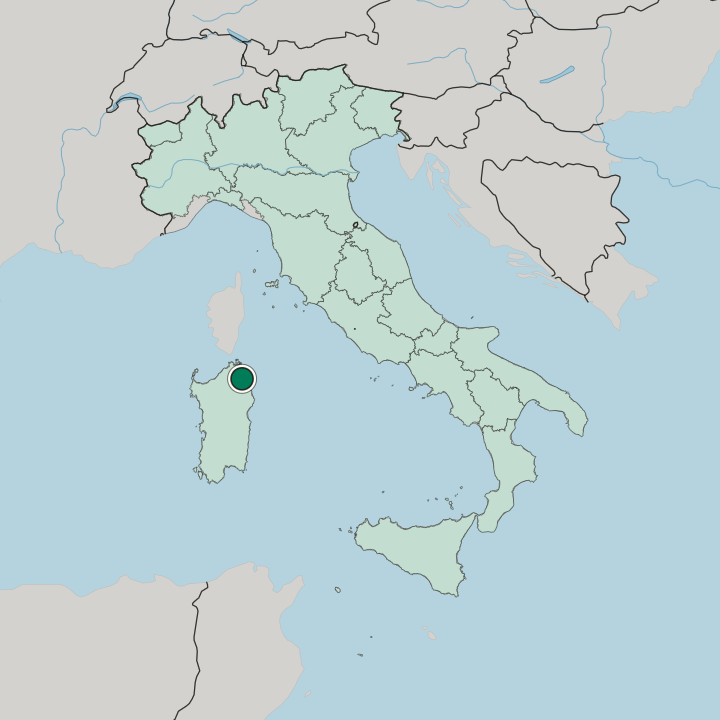
Municipal ground comes to 383 square kilometres. Olbia spreads that territory across the historical region of Gallura in the temperate band of the northern hemisphere, and the boundary is wide enough that the Fattoria romana di S'Imbalconadu and San Paolo answer to one administration while sharing almost nothing else. Sardinia contains the lot.
Tempio Pausania shares the provincial role from its own ground further inland.
What is the climate of Olbia?
Warmth lingers in Gallura. Olbia lies on Sardinia in the temperate band of the northern hemisphere, and the water around the island keeps the cold months mild while holding the warm ones open well past the height of summer. Hard extremes are rare.
The walk out to the Fattoria romana di S'Imbalconadu suits the shoulder months better than the middle of the year.
How do you get to Olbia?
Sardinia has to be reached first. Olbia stands on the island, so an arrival means water or air before any road at all, and from wherever that crossing lands the historical region of Gallura is covered by road for whatever distance remains. Everything central sits within a few streets.
San Paolo and the Museo archeologico di Olbia sit close together, while the Fattoria romana di S'Imbalconadu needs transport of its own.
Common questions
What is the best area to stay in Olbia?
Around San Paolo: Short stays walking to the Museo archeologico di Olbia. Out by S'Imbalconadu: Drivers whose trip is built on Roman Gallura. The La Salette quarter: Quieter rooms a walk short of the archaeological collection.
Good for
More cities in Sardegna
Updated October 2026