Jordan · Muḩāfaz̧at Mādabā
Where to Stay in Mādabā, Muḩāfaz̧at Mādabā
Madaba is a town of central Jordan, the City of Mosaics, famed for an ancient mosaic map of the Holy Land and for nearby Mount Nebo.
Hotel links are affiliate links: booking through them may earn us a commission, at no extra cost to you. It never affects how places are ranked. How this works


Where to stay in Mādabā
How the choice of base plays out on the ground.
Where you stay in Madaba turns on the old town or the churches. The streets around the centre keep the mosaics, the churches, and the market within a walk, and staying downtown suits anyone here for the town. The old churches hold the mosaics.
Market stalls fill the lanes. Out toward Mount Nebo and the plateau, the town gives way to wheat fields, ruins, and the edge of the rift. A room by the mountain trades the streets for the view over the Dead Sea, the memorial of Moses, and the quiet of the plateau.
The land falls to the valley. Stay downtown for the mosaics, or by the mountain for the view. The town lies a short way back.
Find hotels in Mādabā
Direct booking searches for these neighbourhoods.
The old town
Around the centre downtownFind hotels in The old townStays wanting the views and the memorialMount Nebo
Out toward the plateau edgeFind hotels in Mount NeboHotel links are affiliate links: booking through them may earn us a commission, at no extra cost to you. It never affects how places are ranked. How this works
Things to do in Mādabā
Ranked by global recognition; descriptions from Wikidata (CC0).
Churches & Religious Sites
3- St. George Church
- Basilica of the Memorial of Moses (Mount Nebo)
- Church of the Apostles
Castles & Historic Sites
1- Archaeological Park of Madaba
worth knowingacross 2 categories in Mādabā
About Mādabā
Madaba is the mosaic town of Jordan.
What is Mādabā known for?
On the high plateau south of the capital, it was a Christian town of the Byzantine age, and it keeps the famous mosaic map of the Holy Land laid in a church floor, the many other old mosaics of its churches and houses, the memorial of Moses on Mount Nebo nearby, and a rare mix of Christian and Muslim life. The bare plateau runs around. The Dead Sea lies to the west.
What are the main landmarks in Mādabā?
The mosaic map is the treasure of Madaba. The great sixth-century map of the Holy Land, laid in coloured stone in the floor of the church of Saint George, shows old Jerusalem and its lands, the oldest map of its kind on earth, drawing pilgrims to the town. A mountain rises to the west.
Mount Nebo looks over the Dead Sea, where Moses is said to have seen the Promised Land, while the mosaic churches, the archaeological park, and the old plateau mark the country around Madaba.
What is the history of Mādabā?
Madaba is an old town of the Bible and Byzantium. A town stood here in the days of the Old Testament, and it flourished under the Byzantines as a Christian city of churches, whose floors were laid with wonderful mosaics. The mapmakers worked in stone.
In one church they set a great map of the Holy Land in coloured mosaic, showing Jerusalem and the lands around, the oldest such map that survives. The town fell and rose again. After earthquakes and the long centuries the old city was abandoned and its mosaics lay buried, until Christian families settled the ruins in the nineteenth century and uncovered the ancient floors.
The mosaics came to light. As the settlers built their houses and churches, they found mosaic after mosaic under the ground, and Madaba became known across the world for its mosaic art, a town of Christians and Muslims on the plateau. The old map still holds the floor.
Madaba keeps its mosaics and its churches above the Dead Sea.
Where is Mādabā?
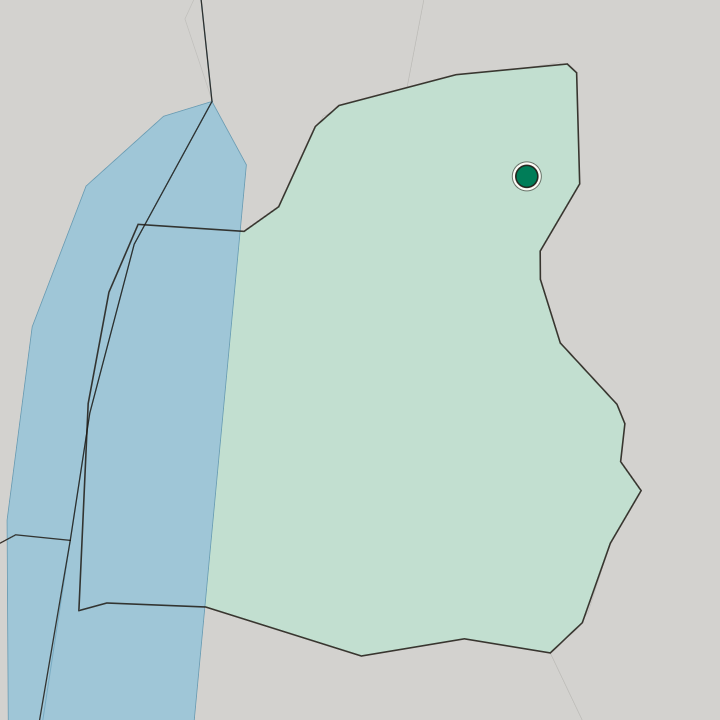
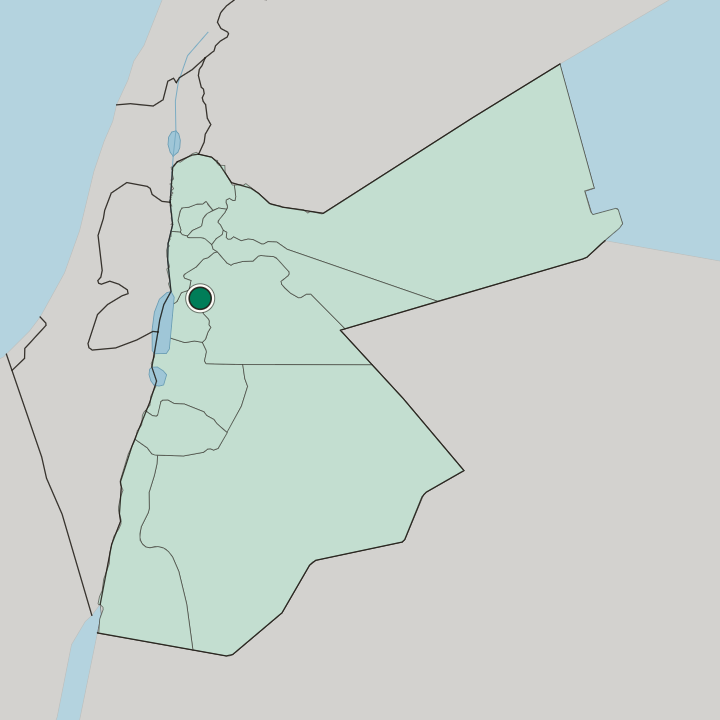
Madaba lies in central Jordan, on a high plateau east of the Dead Sea. The town sits on the rolling tableland of the Madaba plain, a country of wheat fields and bare hills above the great rift, with Mount Nebo dropping away to the deep valley of the Dead Sea to the west. Wheat fields spread around.
The land falls to the rift.
What is the climate of Mādabā?
Madaba has a dry Mediterranean highland climate. Warm dry summers and cool wet winters cross the plateau, with hot sunny days in summer and some frost and rain in winter. The summer sun bakes the plain.
Winter brings a little rain.
How do you get to Mādabā?
Madaba lies south of Amman, on the plateau above the Dead Sea. Roads and buses run to it from Amman across the tableland, and the old King's Highway passes through. Lanes ring the mosaic churches.
Amman lies north up the road.
Common questions
What is the best area to stay in Mādabā?
The old town: Visitors here for the mosaics and churches. Mount Nebo: Stays wanting the views and the memorial.
Good for
Updated September 2026