Japan · Aomori-ken
Where to Stay in Goshogawara, Aomori-ken
Goshogawara is a city in Aomori Prefecture, Japan, formed in 1954, holding the Tachineputa Museum, the Osamu Dazai Memorial Museum and Tosaminato.
Hotel links are affiliate links: booking through them may earn us a commission, at no extra cost to you. It never affects how places are ranked. How this works


Where to stay in Goshogawara
The practical side of choosing where to sleep.
Goshogawara covers a great deal of ground. Roughly 404 square kilometres have sat inside the city limits since 1954, which means a room near the Tachineputa Museum and a room out toward the Sannobō Site are not interchangeable in any practical sense. The museums make the obvious base.
Rooms taken near the Tachineputa Museum put the Osamu Dazai Memorial Museum within the same short trip, and the two together make the shortest itinerary the city offers. Distances here are municipal rather than walkable once the museums are behind and the older ground begins. Trains change the calculation.
Ashino-Kōen Station is the named stop on the city's own list, so anyone arriving by rail rather than road will want the walk from that platform checked before booking, given how much ground Aomori Prefecture allows a single municipality to cover. Archaeology pulls the other way. Tosaminato, the Sannobō Site and the Goshogawara Sue Pottery Kiln Site are spread across the municipality rather than gathered in one quarter, and a visit built around them takes transport that a museum visit does not.
If the older ground around Tosaminato is why you came, pick the room for the sites and treat the two museums as the side trip.
Find hotels in Goshogawara
Direct booking searches for these neighbourhoods.
The Tachineputa Museum streets
The museum end of Goshogawara, where the city's two named collections stand close enough to take in togetherFind hotels in The Tachineputa Museum streetsArrivals letting Ashino-Kōen Station rather than the museum addresses set the dayThe Ashino-Kōen Station side
The rail-served part of Goshogawara, worth checking when the train timetable decides how the visit is builtFind hotels in The Ashino-Kōen Station sideTrips made for Tosaminato, the Sannobō Site and the Sue kiln remainsThe Tosaminato ground
The older half of Goshogawara's 404 square kilometres, holding the archaeological names rather than the two museumsFind hotels in The Tosaminato groundHotel links are affiliate links: booking through them may earn us a commission, at no extra cost to you. It never affects how places are ranked. How this works
About Goshogawara
Two museums carry the name.
What is Goshogawara known for?
The Tachineputa Museum and the Osamu Dazai Memorial Museum are the two collections the city keeps, and the second of them takes its title from Osamu Dazai. Older ground lies under it. Tosaminato, the Sannobō Site and the Goshogawara Sue Pottery Kiln Site are the earlier names on this same ground, the last of them marking where Sue pottery was fired long before the municipality of 1954 existed.
Ashino-Kōen Station serves the same city.
What are the main landmarks in Goshogawara?
Six names carry the city. The Tachineputa Museum and the Osamu Dazai Memorial Museum are the two collections, Ashino-Kōen Station is the named rail stop, and Tosaminato, the Sannobō Site and the Goshogawara Sue Pottery Kiln Site fill out the older half of the list. Sue pottery names the kiln ground.
That site and the Sannobō Site put archaeological record inside a municipality that only took its modern shape in 1954, while Tosaminato adds a third early name to the same ground.
What is the history of Goshogawara?
The ground here was worked early. The Goshogawara Sue Pottery Kiln Site records the firing of Sue ware on this ground, and the Sannobō Site sits in the same municipality as a second marker of occupation well before any modern administration existed. Sue ware gives the kiln its designation, and the site name carries that craft forward into the modern list of things Goshogawara is recorded as holding.
Tosaminato belongs to that earlier layer as well, a named place inside present-day Goshogawara whose story runs back past the city that contains it. Three sites, one municipality. Goshogawara itself is recent.
The city was founded in 1954, drawing roughly 404 square kilometres of Aomori Prefecture into a single administration and putting the kiln ground, Tosaminato and the Sannobō Site under one name. Rail and museums came with the modern city. Ashino-Kōen Station serves it, the Tachineputa Museum and the Osamu Dazai Memorial Museum present it, and the second of those keeps the name of Osamu Dazai attached to Goshogawara.
The prefecture is the frame Japan gives the city, and every one of the six named sites in Goshogawara answers to that same layer of administration rather than to any older one. Aomori-ken holds the whole of it.
Where is Goshogawara?
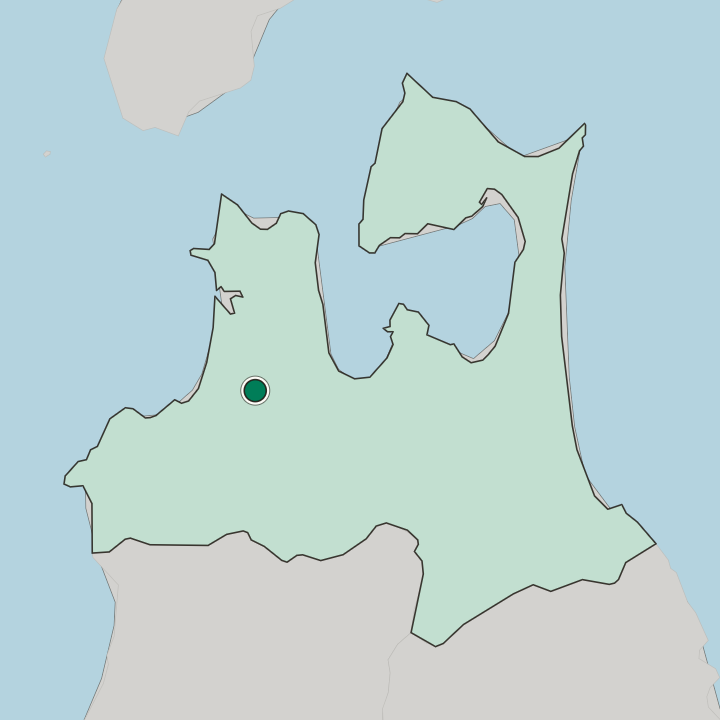
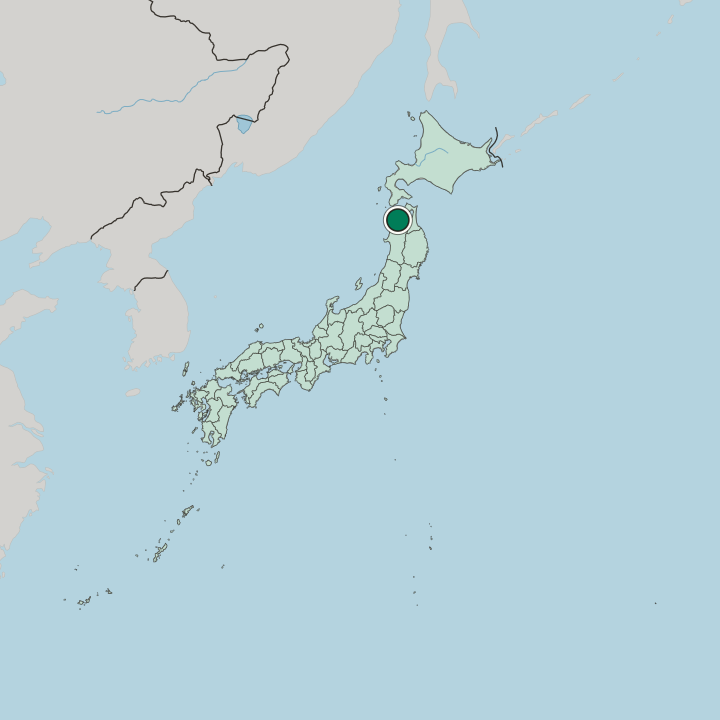
Aomori Prefecture holds Goshogawara. The city spreads across roughly 404 square kilometres, enough ground for Tosaminato, the Sannobō Site and the Goshogawara Sue Pottery Kiln Site to sit inside a single set of municipal boundaries. Two museums sit in the town.
Ashino-Kōen Station, the Osamu Dazai Memorial Museum and the Tachineputa Museum are all Goshogawara addresses, but the width of the municipality puts real ground between the early sites and the modern collections.
What is the climate of Goshogawara?
The temperate band governs Goshogawara. This city lies inside the northern hemisphere, and it runs a four-season year in which warm months arrive in the middle of the calendar while cold ones bracket it at either end. Aomori Prefecture shares that rhythm.
Roughly 404 square kilometres of Goshogawara carry the same seasons, so the ground around Ashino-Kōen Station turns with the year at the same time as the streets by the Tachineputa Museum.
How do you get to Goshogawara?
Ashino-Kōen Station is the rail name here. It is the one station Goshogawara's own record of named places carries, which makes it the reference point for anyone arriving without a car in this part of Aomori Prefecture. Road covers the rest.
Roughly 404 square kilometres separate the far corners of the municipality, so reaching Tosaminato, the Sannobō Site or the Goshogawara Sue Pottery Kiln Site from a room near the Tachineputa Museum is a drive rather than a walk.
Common questions
What is the best area to stay in Goshogawara?
The Tachineputa Museum streets: Short stays that pair the Tachineputa Museum with the Osamu Dazai Memorial Museum on foot. The Ashino-Kōen Station side: Arrivals letting Ashino-Kōen Station rather than the museum addresses set the day. The Tosaminato ground: Trips made for Tosaminato, the Sannobō Site and the Sue kiln remains.
Good for
More cities in Aomori-ken
Updated September 2026