Japan · Aomori-ken
Where to Stay in Aomori, Aomori-ken
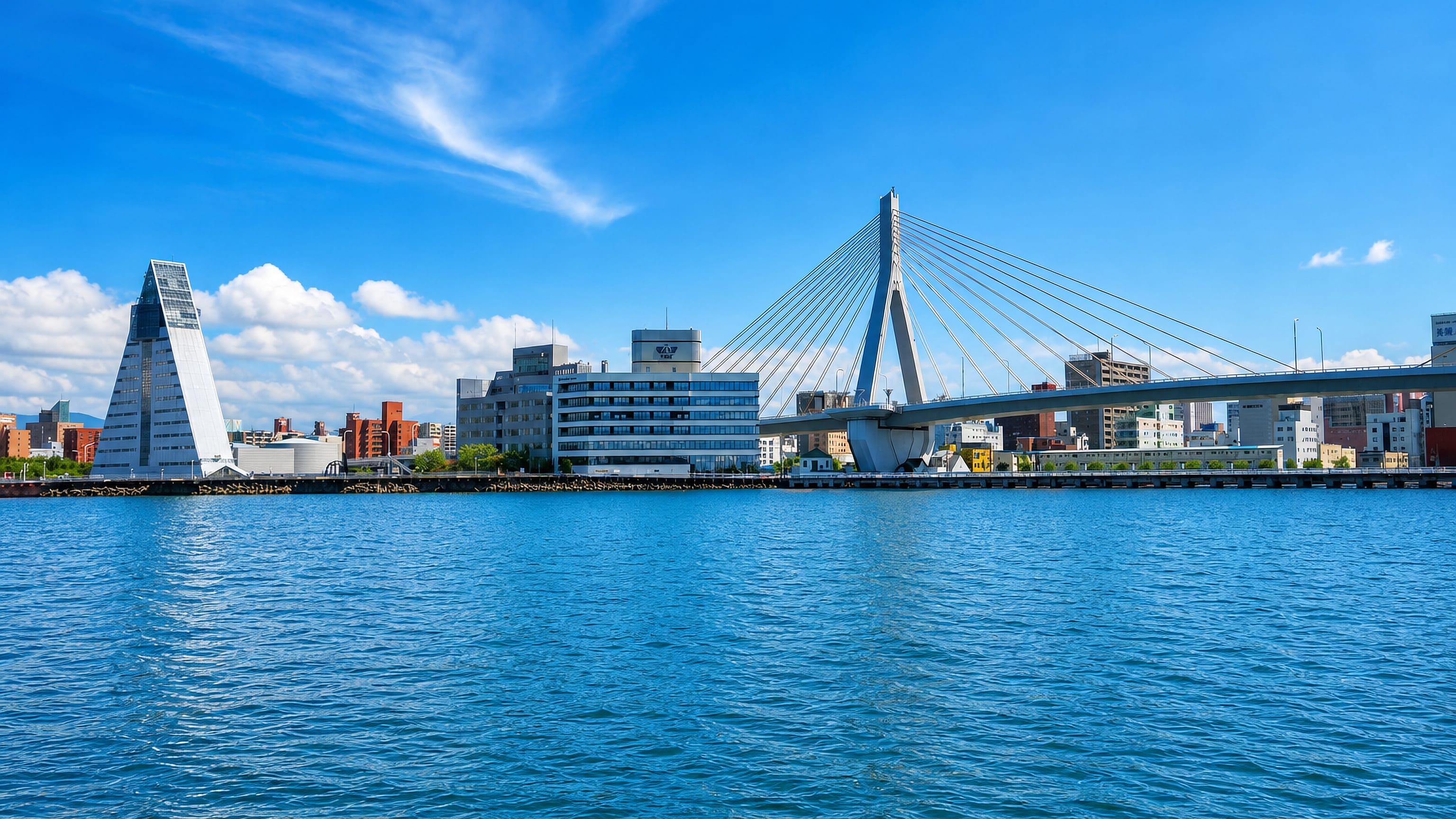
Aomori is a city of far-north Honshu in Japan, a snowy port on its bay, famous for the lantern floats of the Nebuta festival and northern apple orchards.
Hotel links are affiliate links: booking through them may earn us a commission, at no extra cost to you. It never affects how places are ranked. How this works


Where to stay in Aomori
How the choice of base plays out on the ground.
Where you stay in Aomori turns on the port or the country. The streets around the bay keep the Nebuta hall, the market, and the seafront within a walk, and staying downtown suits anyone here for the festival. The cold bay lies below.
Snow piles deep in winter. Out toward the orchards and the mountains, the town gives way to the apple country, the Jomon site, and the road to the Hakkoda peaks. A room out of town trades the port for the apple orchards, the wooded hills, and the snowy Hakkoda slopes.
The mountains rise white to the south. Stay downtown for the festival, or out for the orchards. The bay and the mountains hold the city between them.
Find hotels in Aomori
Direct booking searches for these neighbourhoods.
The port and downtown
Around the bayFind hotels in The port and downtownStays wanting the apple country and HakkodaThe orchards and hills
Out toward the Hakkoda hills and apple orchardsFind hotels in The orchards and hillsHotel links are affiliate links: booking through them may earn us a commission, at no extra cost to you. It never affects how places are ranked. How this works
About Aomori
Aomori is the apple and festival city of the far north.
What is Aomori known for?
On its bay at the top of Honshu in Japan, it grew as a port and the seat of the northern country, and it keeps the giant lantern floats of the Nebuta festival, the apple orchards that make it Japan's apple capital, the Hakkoda mountains rising to the south, and the ancient Jomon village unearthed at its edge. Deep snow buries the winter town. The cold bay opens to the north.
What are the main landmarks in Aomori?
The Nebuta floats are the pride of Aomori. The giant paper lanterns shaped like fierce warriors, kept in the Wa Rasse hall by the port, blaze through the streets each August, the emblem of the city, downtown. A Jomon village lies at the edge.
The ancient pit dwellings of Sannai-Maruyama stand reconstructed nearby, while the apple country, the Hakkoda mountains, and the wide bay mark the country around Aomori.
What is the history of Aomori?
Aomori is old and young at once. On this bay, thousands of years ago, a great Jomon people built a village of pit dwellings and traded across the sea, and their mounds still lie at the city's edge. The port came far later.
In the Edo age the lords opened a harbour on the bay as the shipping point for the rice and timber of the north, and the town of Aomori grew by the water. The north made its own festival. Each summer the people built great paper lanterns shaped like warriors and gods, and paraded them blazing through the streets in the Nebuta, one of the wildest festivals of Japan.
The orchards clothed the hills. Its cool north proved perfect for apples, and Aomori became the orchard of the land, its fruit sent all over Japan, while it grew as the capital of the northern country, keeping its festival, its apples, and its bay. The lanterns still blaze each August.
Aomori keeps its snowy port at the top of Honshu.
Where is Aomori?
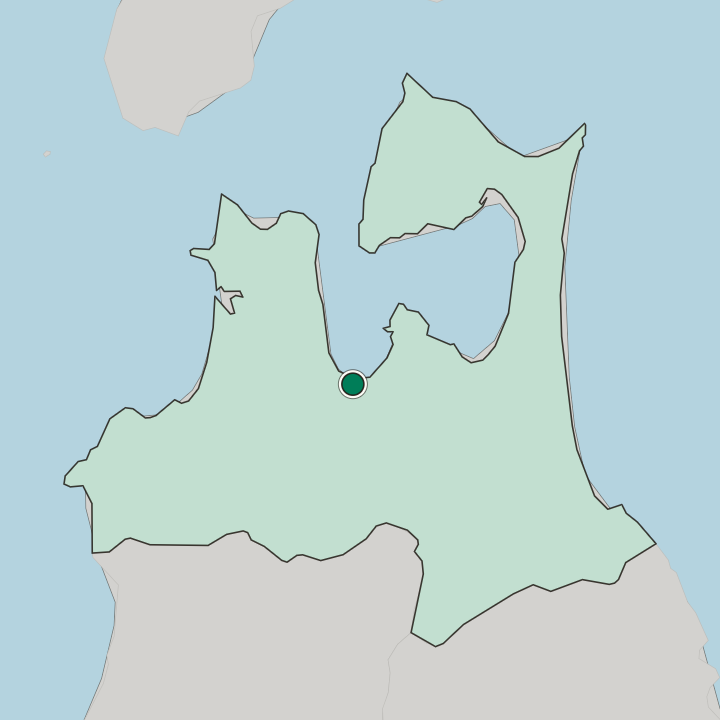
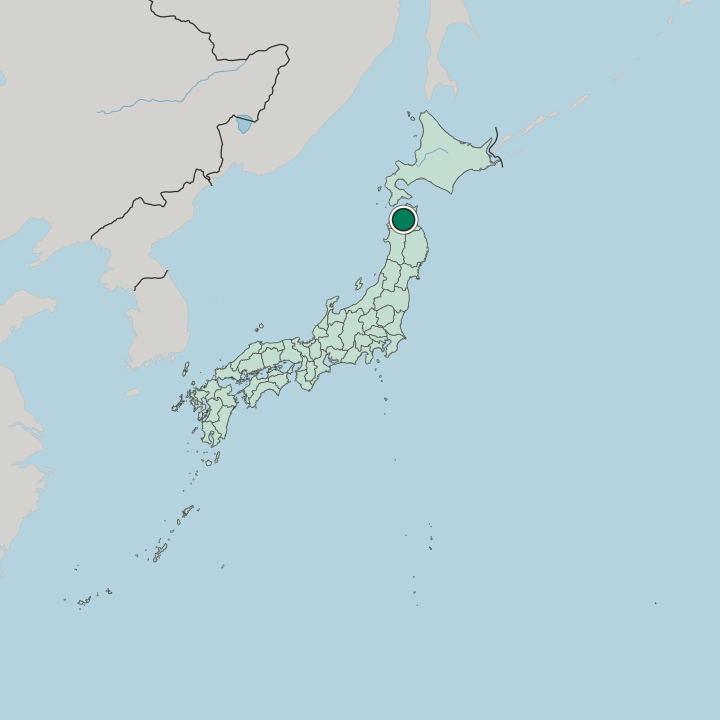
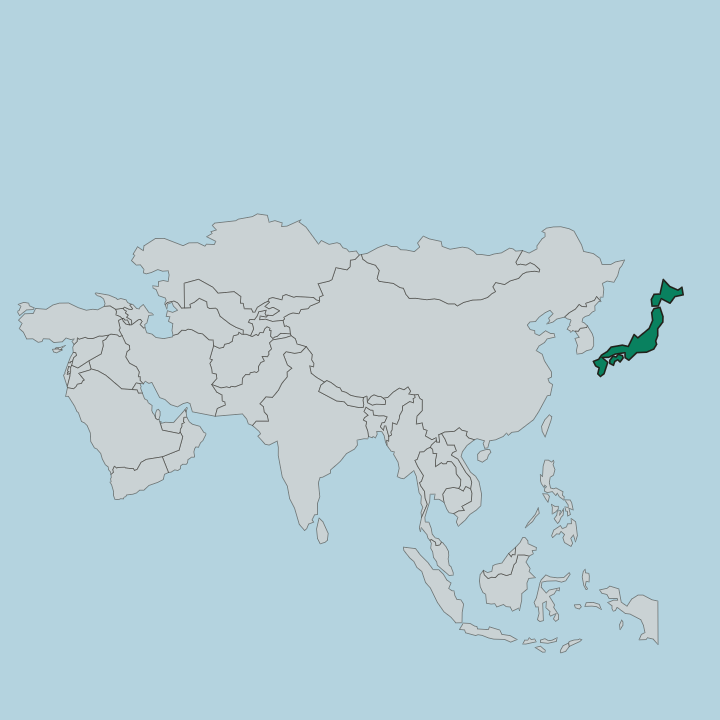
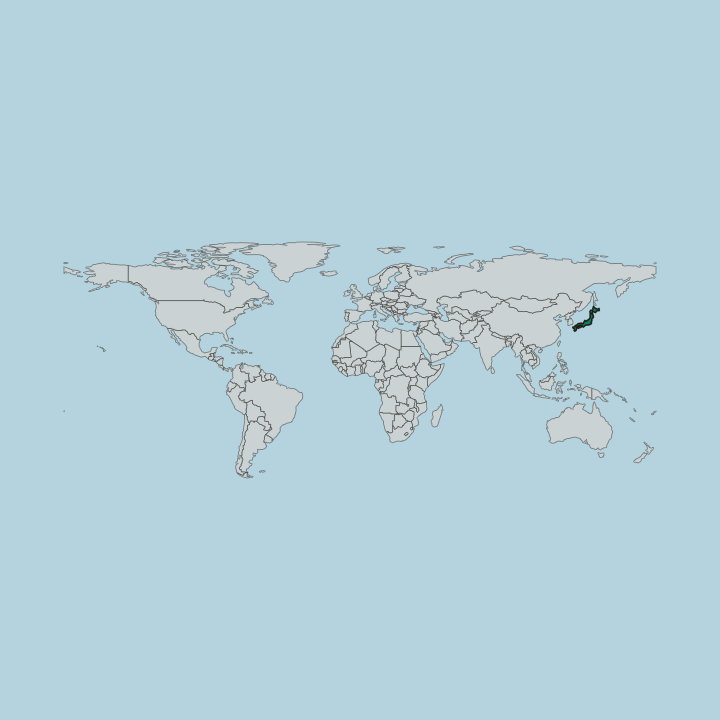
Aomori lies at the top of Honshu, on Aomori Bay at the north end of Japan's main island. The city sits on a coastal plain between the bay and the Hakkoda mountains, in a land of apple orchards and forest, with the great bay to the north and the peaks rising white to the south. The cold bay laps the port.
Snowy mountains wall the south.
What is the climate of Aomori?
Aomori has a cold, snowy northern climate. Mild green summers and long snowbound winters cross the bay, with heavy snow that buries the city as deep as anywhere on earth. The winter piles the snow high.
Summer turns green and cool.
How do you get to Aomori?
Aomori lies at the north tip of Honshu, on the rail and road to Hokkaido. Bullet trains run to it up the island from Tokyo, and the line dives under the strait to Hokkaido beyond. Ferries cross the strait.
Tokyo lies far to the south.
Common questions
What is the best area to stay in Aomori?
The port and downtown: Visitors here for the Nebuta festival. The orchards and hills: Stays wanting the apple country and Hakkoda.
Good for
More cities in Aomori-ken
Updated September 2026