Japan · Fukui
Where to Stay in Sabae, Fukui
In Fukui Prefecture, Japan, Sabae gathers Megane Museum, the Sabae Manabe Museum and the Kabutoyama Kofun burial mound into one small city.
Hotel links are affiliate links: booking through them may earn us a commission, at no extra cost to you. It never affects how places are ranked. How this works


Where to stay in Sabae
Where the beds are, and what that means for the visit.
The choice in Sabae is really between Megane Museum and the Sabae Manabe Museum on one hand, and Kabutoyama Kofun and Nishiyama Zoo on the other. Both fit a single stay. Eighty-five square kilometres of Fukui Prefecture does not put much distance between any two of them, and a visitor booking anywhere inside Sabae can reach the whole list across two unhurried days.
The Ameya Gofukuten adds a third option, since a building kept together with its Higashigura and Nishigura kura makes a different sort of afternoon from either a zoo or a museum. Families lean one way. Nishiyama Zoo is the one entry on the list that a child will remember, and a stay planned around it looks nothing like a stay planned around the Ito Hakusui Haiku Memorial Museum.
That is the real split. If you are here for the poetry or for the Sabae Manabe Museum, a quiet room and an unhurried schedule serve better than proximity to any single address, because none of the list takes long to work through. Kabutoyama Kofun rewards an early start.
Sabae has held city status since 1955, and what a visitor books into is an ordinary Fukui Prefecture town with an unusually specific set of reasons to be there. Choose by subject.
Find hotels in Sabae
Direct booking searches for these neighbourhoods.
The Megane Museum quarter
The museum concentration of Sabae, where Megane Museum and the Sabae Manabe Museum pair without a second journey.Find hotels in The Megane Museum quarterNishiyama Zoo with children in towThe Nishiyama Zoo side
The family end of the Sabae list, where Nishiyama Zoo fills a morning that no museum in the city will. Beds are limited here, so book early.Find hotels in The Nishiyama Zoo sideThe Ameya Gofukuten with its Higashigura and Nishigura kuraBy the Ameya Gofukuten
The Ameya Gofukuten and its two kura, for anyone who came for a building kept whole rather than a collection put behind glass. Beds are limited here, so book early.Find hotels in By the Ameya GofukutenHotel links are affiliate links: booking through them may earn us a commission, at no extra cost to you. It never affects how places are ranked. How this works
About Sabae
What is Sabae known for?
The museums are the draw, and they are oddly varied for a city of this size: Megane Museum, the Sabae Manabe Museum and the Ito Hakusui Haiku Memorial Museum cover three unconnected subjects. Older Sabae shows elsewhere. Kabutoyama Kofun is a mound, and the Ameya Gofukuten, with its Higashigura and Nishigura kura beside it, is a building rather than a collection.
Nishiyama Zoo handles the children.
What are the main landmarks in Sabae?
Megane Museum carries the Japanese word for spectacles in its name. The Sabae Manabe Museum and the Ito Hakusui Haiku Memorial Museum are the other two indoor entries, and between them they cover most of what Sabae chooses to display. Outside, the list changes character.
Kabutoyama Kofun is a burial mound, Nishiyama Zoo is a zoo, and the Ameya Gofukuten stands with its Higashigura and Nishigura kura as a group of buildings rather than a single address. The variety is the surprise.
What is the history of Sabae?
Three layers show. Kabutoyama Kofun is a burial mound, which puts human presence on this ground in Fukui Prefecture long before anything else on the list, and nothing later in Sabae's record reaches back anywhere near as far. Commerce is the second layer.
The Ameya Gofukuten survives with its Higashigura and Nishigura kura intact, and a kura is a storehouse, which means the property records trade rather than administration or worship. The third layer is municipal. Sabae took city status in 1955.
The date marks the point at which a Fukui Prefecture town became a Fukui Prefecture city, and three museums between them hold what the city has chosen to keep indoors: the Sabae Manabe Museum, the Ito Hakusui Haiku Memorial Museum and Megane Museum. Poetry is one of them. Ito Hakusui is remembered by name in a memorial museum, which is a specific kind of civic decision and one that a visitor can read directly off the list of what Sabae keeps.
Nishiyama Zoo belongs to none of it. It answers a different question entirely, the one about what to do with an afternoon, and it is the only entry on Sabae's list that has nothing to say about the past.
Where is Sabae?
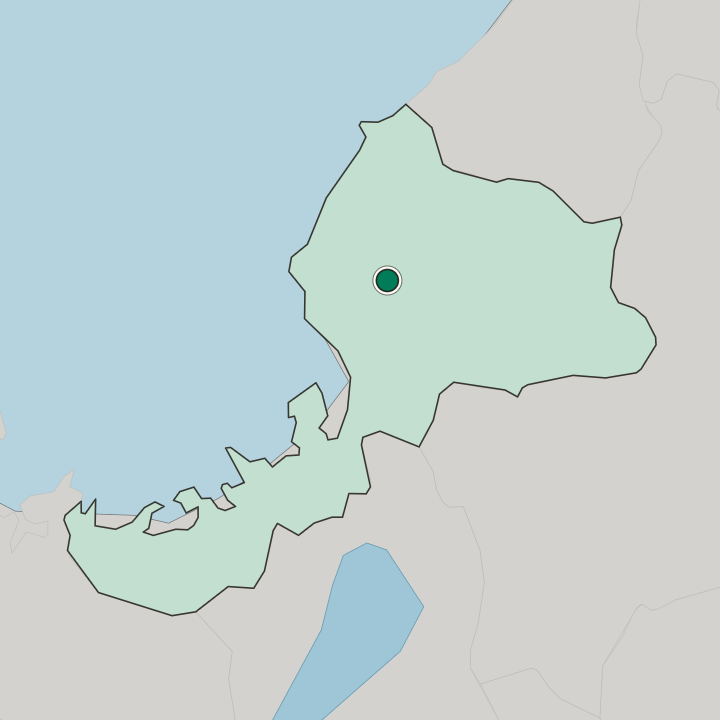
Sabae covers roughly eighty-five square kilometres of Fukui Prefecture. That is a middling size for a city in Japan, enough ground to hold Nishiyama Zoo, Kabutoyama Kofun and a built centre without any of them crowding the others. Temperate weather covers this part of Japan.
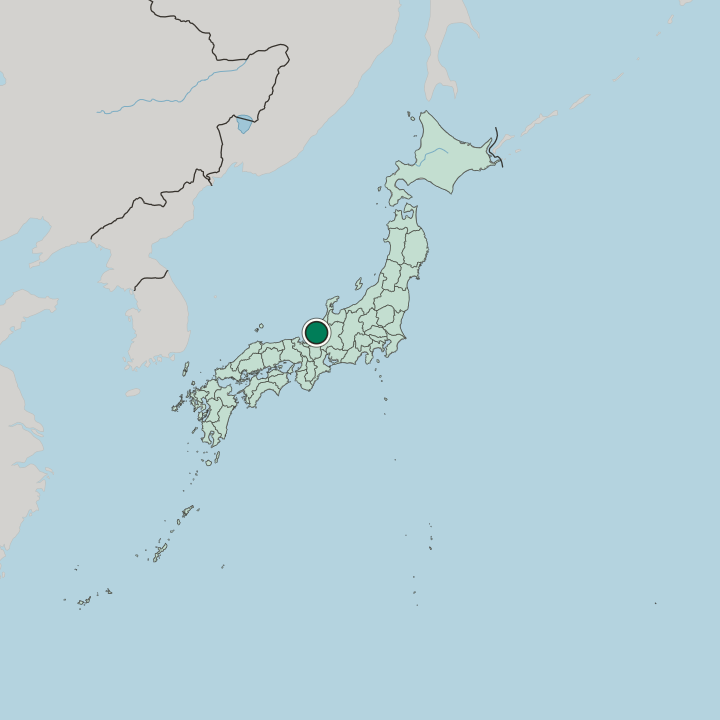
Fukui is the parent name, and Sabae sits inside that prefecture rather than standing alone. Nowhere in Sabae feels cut off.
What is the climate of Sabae?
Sabae sits in the temperate band, which gives the year four clearly separated seasons. That matters most at Nishiyama Zoo and at Kabutoyama Kofun, since both are walked rather than toured indoors, and a wet or a cold day rearranges the whole plan around them. The museums are weatherproof.
Megane Museum, the Sabae Manabe Museum and the Ito Hakusui Haiku Memorial Museum absorb whatever the Fukui Prefecture sky sends, which is why a wet day here costs a visitor very little. Spring and autumn are best.
How do you get to Sabae?
Fukui Prefecture is the frame for any approach. Sabae is one of its cities, and the practical point for a visitor is that once inside the boundary the whole list is close: Megane Museum, the Sabae Manabe Museum, the Ito Hakusui Haiku Memorial Museum, the Ameya Gofukuten and Kabutoyama Kofun. Eighty-five square kilometres is not far.
Nishiyama Zoo is the one stop that can absorb a whole half-day on its own, and anything else on the list fits around it without a second journey. Two days cover everything.
Common questions
What is the best area to stay in Sabae?
The Megane Museum quarter: Megane Museum and the Sabae Manabe Museum in one day. The Nishiyama Zoo side: Nishiyama Zoo with children in tow. By the Ameya Gofukuten: The Ameya Gofukuten with its Higashigura and Nishigura kura.
Good for
More cities in Fukui
Updated September 2026