Japan
Fukui, Japan — Towns & Travel Guide
Fukui is a prefecture on Honshū's Sea of Japan coast, Japan's Hokuriku snow country, known for Zen, dinosaurs, and Echizen crab.
Hotel links are affiliate links: booking through them may earn us a commission, at no extra cost to you. It never affects how places are ranked. How this works


Towns & cities in Fukui
Pick a town or city — each links to where to stay.

 Japan
Japan
Fukui-shi
Fukui is the capital of Fukui Prefecture, rebuilt from war and earthquake and known as Phoenix City. Ichijōdani stands outside town.Where to stay →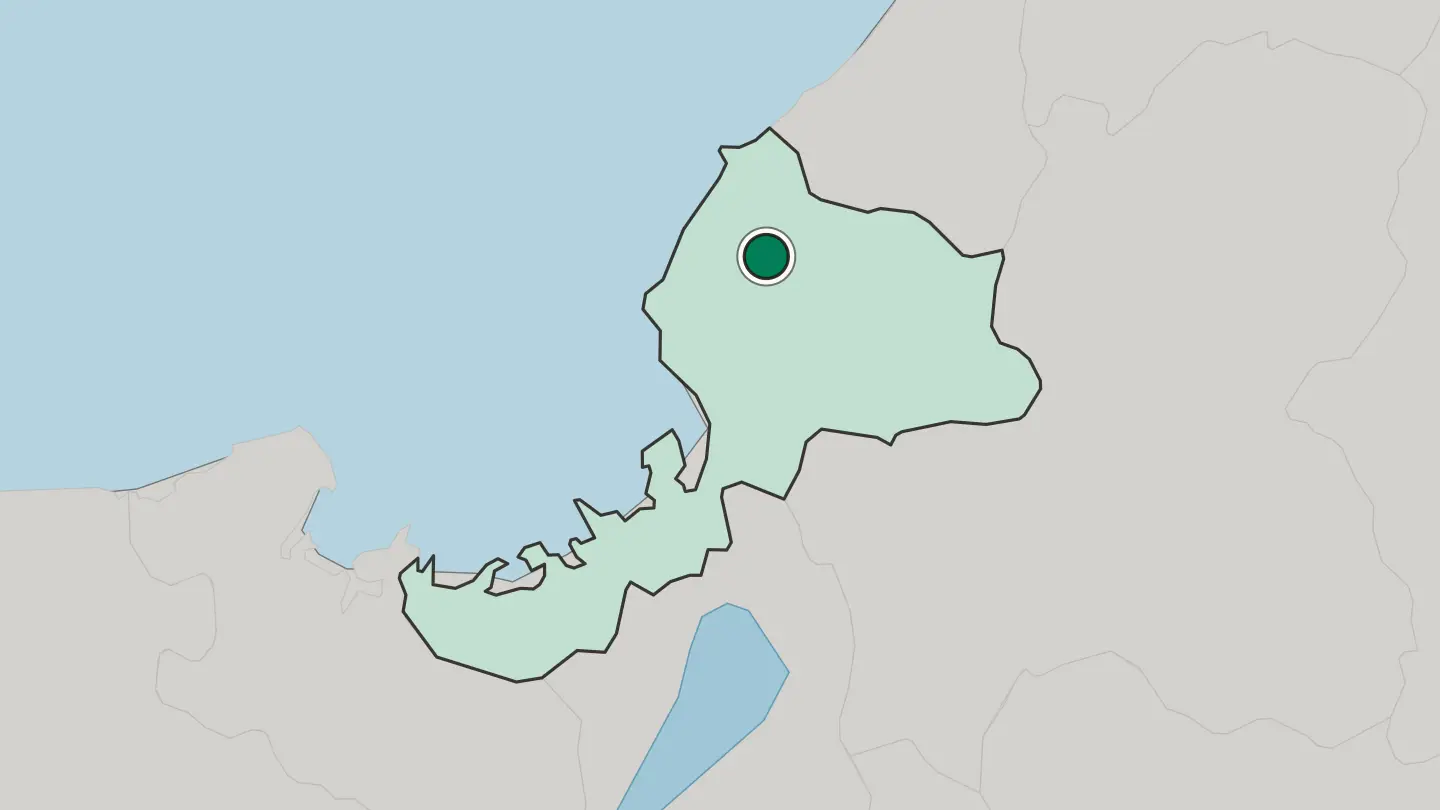
 Japan
Japan
Tsuruga
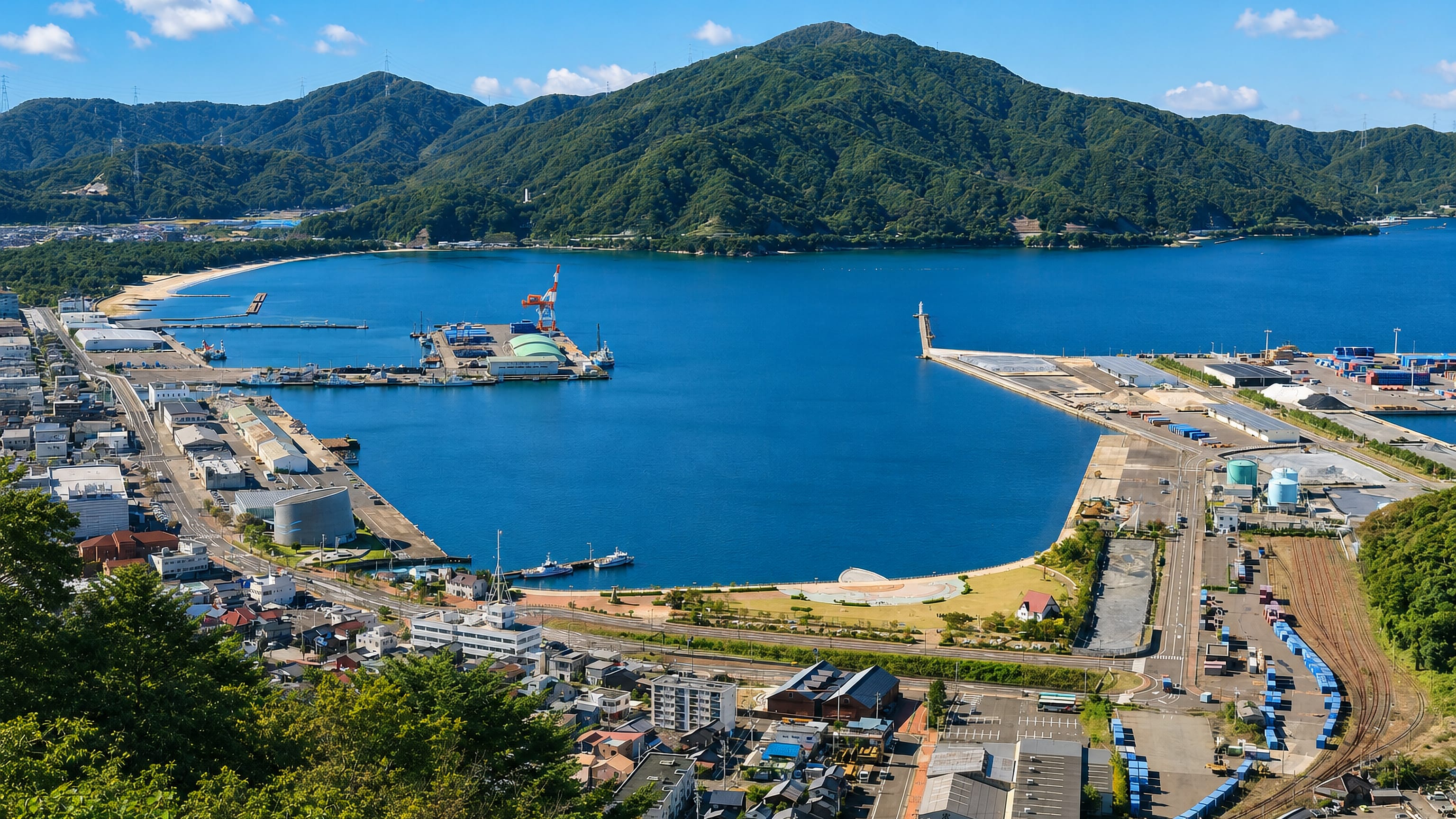
Tsuruga is a port city of Fukui Prefecture, where the Former Tsuruga Port Station Building still stands. Museums hold the rest.Where to stay →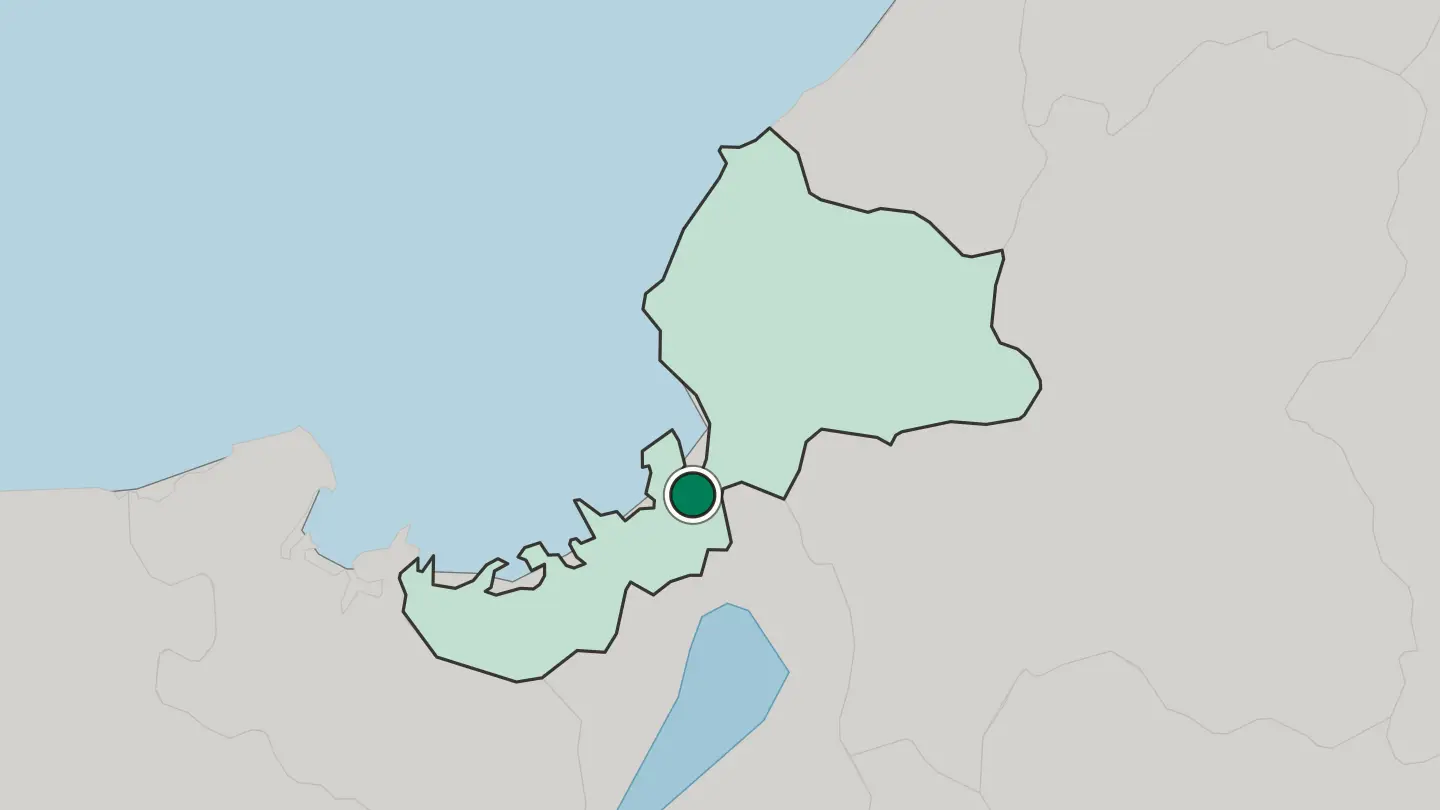 Japan
Japan
Sabae
In Fukui Prefecture, Japan, Sabae gathers Megane Museum, the Sabae Manabe Museum and the Kabutoyama Kofun burial mound into one small city.Where to stay →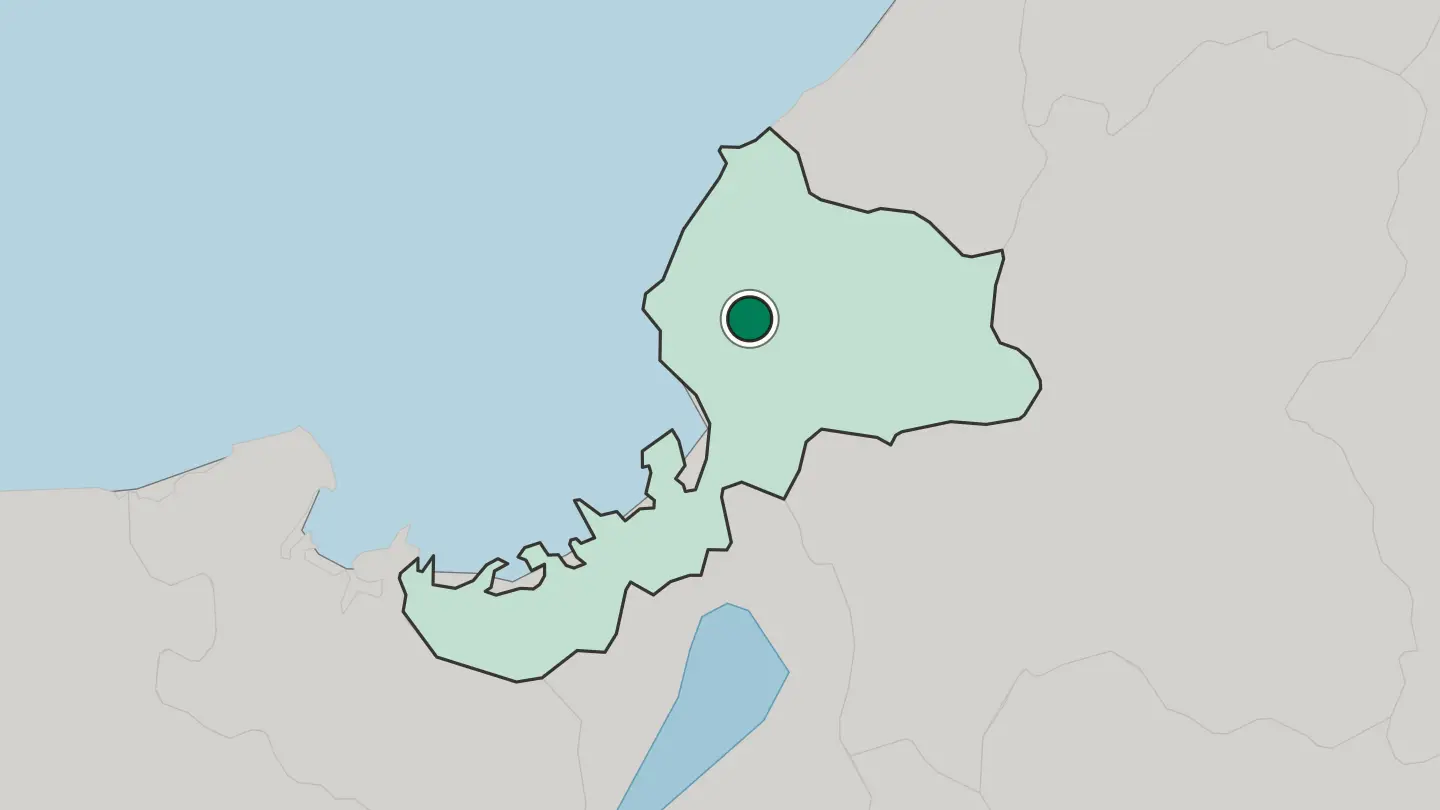
Hotel links are affiliate links: booking through them may earn us a commission, at no extra cost to you. It never affects how places are ranked. How this works
About Fukui
Fukui packs a lot in.
What is Fukui known for?
Eiheiji, the mountain head temple of Sōtō Zen, draws pilgrims into its cedar-shaded halls. Off the coast north of Fukui, the cliffs of Tōjinbō drop straight into the Sea of Japan in columns of pyroxene andesite. Katsuyama is dinosaur country, where the Kitadani quarry has yielded Fukuiraptor and Fukuisaurus and the Fukui Prefectural Dinosaur Museum shows the finds.
Sabae makes most of the country's eyeglass frames. And each winter, snow crab landed along the Echizen coast reaches the table as prized Echizen crab.
Where is Fukui?
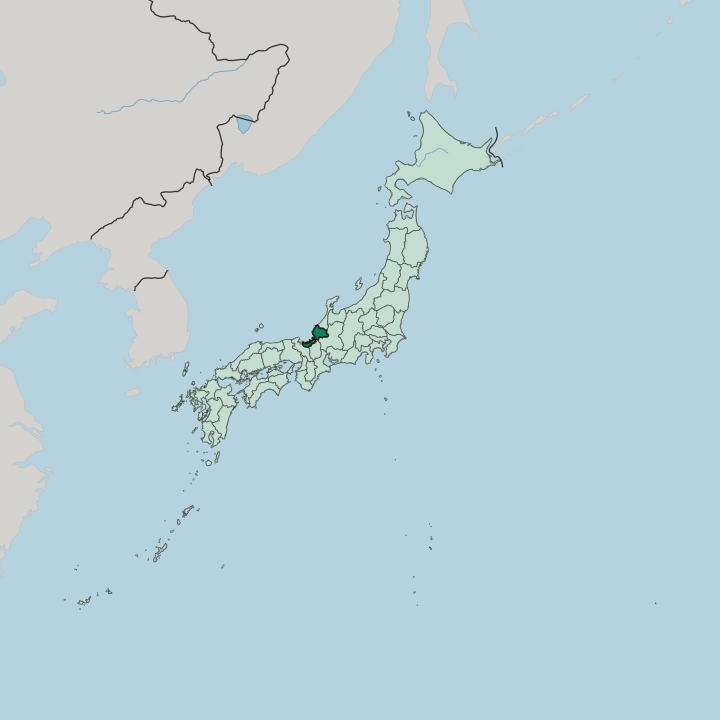
Fukui lies on the Sea of Japan side of central Honshū, in the region called Hokuriku. It belongs to Japan's larger Chūbu region. Four prefectures ring it. Ishikawa sits to the north, Gifu to the east, Shiga to the south, and Kyoto to the southwest.
The mountainous spine of Honshū walls it off from the Pacific side and traps the winter weather that rolls in off the sea. Fukui divides in two. The northern half, historically Echizen, spreads across the broad Fukui Plain, where the Kuzuryū River gathers the mountain snowmelt and carries it out to the coast.
This is where the capital sits, along with most of the towns and farmland. The southern half is Wakasa, a thin strip of coast pinched between the ridges and the water. Its shoreline bends into the deep inlets and headlands of Wakasa Bay.
North of the capital the cliffs of Tōjinbō break the coast in columns of rock. Mountains are never far. They shadow both halves and keep Fukui turned firmly toward the sea.
Locals still split the prefecture into Reihoku in the north and Reinan in the south.
What is Fukui like?
Zen sits at the centre of Fukui's identity. In the year 1244 the monk Dōgen founded Eiheiji in the cedar hills east of the capital, and it remains a head temple of the Sōtō school, still training monks under its mossed roofs. Fukui's craft traditions reach down just as far as its Zen roots.
The Echizen district holds a cluster of old trades within a few valleys: handmade washi paper, forged Echizen knives, lacquered boxes, and the reddish stoneware of Echizen ware. Sabae bends this instinct toward industry and turns out most of the eyeglass frames made in the country. Food marks the seasons here.
Winter belongs to Echizen crab, the local snow crab hauled from the cold waters offshore. Down in Obama, artisans still lacquer Wakasa-nuri chopsticks and inlay them with shell. The prefecture wears its fossils with pride.
Dinosaur skeletons greet travellers at the train station, and several species dug from the Katsuyama beds carry the Fukui name. Japanese is the language of daily life, spoken in a soft northern accent. Old and working at once, the culture leans on craft more than spectacle.
What is the history of Fukui?
Two old provinces made Fukui. Echizen filled the north, Wakasa the south. During the wars of the sixteenth century the Asakura clan ruled Echizen from Ichijōdani, a valley castle town that Oda Nobunaga burned to the ground in 1573.
Under the Tokugawa peace a branch of the Matsudaira ran the Fukui Domain, and the capital grew around its castle. Maruoka Castle holds a small tower long reputed as Japan's oldest keep, though tree-ring and isotope dating in 2019 showed its main pillars were felled after 1626, marking the surviving structure as an early-Edo rebuild rather than the 1576 original. The prefecture took its present shape in 1881.
What is the climate of Fukui?
Fukui sits on the snow side of Japan. Cold air sweeps off Siberia each winter, soaks up moisture over the Sea of Japan, and unloads it as deep snow when it hits the mountains behind the coast. The inland basins around Ōno and Katsuyama bury under some of the heaviest falls in the country.
The Wakasa coast stays a touch milder, warmed by the water. Summer flips it hot and humid.
How do you get to Fukui?
Most visitors reach Fukui by rail. The Hokuriku Shinkansen reached Fukui and Tsuruga in 2024, running straight through from Tokyo and stopping at Awara-Onsen and Echizen-Takefu along the way. From Kyoto and Osaka the trip means riding the Thunderbird limited express up to Tsuruga and changing to the bullet train there.
The nearest airport lies at Komatsu in Ishikawa. Local lines fan out from Fukui station to the coast, the hot springs, and the dinosaur country inland.
Common questions
What is the best area to stay in Fukui?
Fukui: a first base in the prefecture. Awara Onsen: a hot-spring night near the Tōjinbō cliffs. Tsuruga: arriving by train from the Kansai side. Obama and the Wakasa coast: seafood along the southern Wakasa shore.
Good for
More regions in Japan
Updated October 2026