Japan · Fukui
Where to Stay in Fukui-shi, Fukui
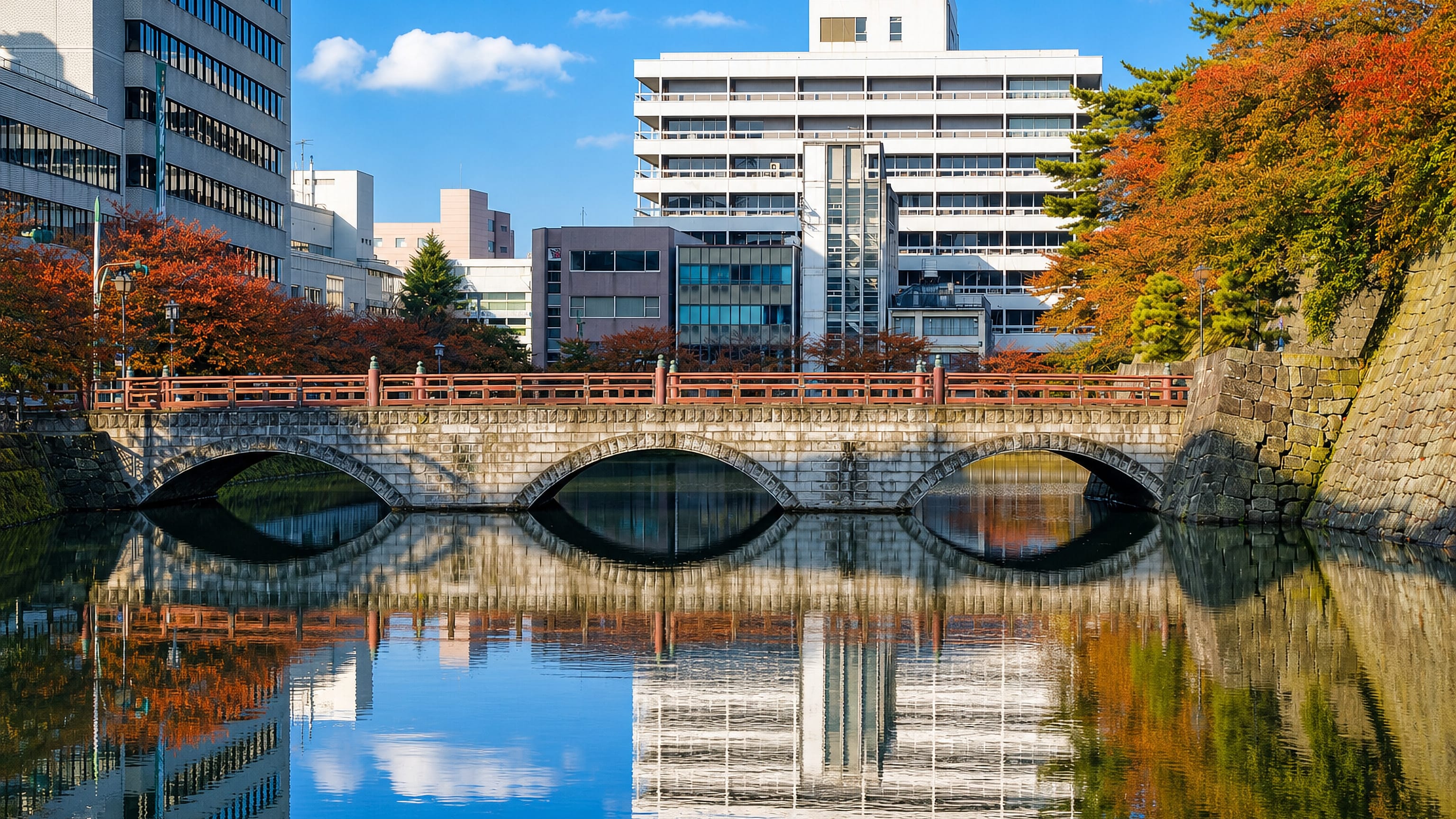
Fukui is the capital of Fukui Prefecture, rebuilt from war and earthquake and known as Phoenix City. Ichijōdani stands outside town.
Hotel links are affiliate links: booking through them may earn us a commission, at no extra cost to you. It never affects how places are ranked. How this works


Where to stay in Fukui-shi
Where visitors usually base themselves, and why.
Most of Fukui is not the city. The built-up part is a small central area, and beyond it the municipality runs to rural plains, mountain ground and suburban sprawl along the Route 8 bypass, which makes the choice of base a real one. Stay central if the trip is short.
The Fukui City History Museum, the Fukui Fine Arts Museum and the Fukui Prefectural Museum of Cultural History all stand within the middle, and an evening there needs no car at all. That covers most trips. The Fukui Children's Museum and the Fukui City Museum of Natural History are the fallback for a wet day with children.
Ichijōdani changes the calculation. The Ichijōdani Asakura Family Historic Ruins sit out beyond the built-up ground, and a room towards that side of Fukui buys an early arrival ahead of the day's visitors and a clear run back for Osagoe Minkaen in the afternoon. Drivers have another option.
The lodging strung along the Route 8 bypass trades atmosphere for parking and for a quick exit onto the road, which suits anyone treating Fukui as one stop in a longer circuit. Book central for a first visit.
Find hotels in Fukui-shi
Direct booking searches for these neighbourhoods.
Central Fukui
The Fukui Fine Arts Museum and most of the city's beds fall inside the small central area, which is the part of Phoenix City that walks easily.Find hotels in Central FukuiDrivers breaking a journey along Route 8The Route 8 bypass strip
Roadside lodging follows the suburban sprawl here, and it puts the Fukui City Museum of Natural History and the run out to Ichijōdani on the same side of the city.Find hotels in The Route 8 bypass stripEarly arrivals at the Ichijōdani Asakura Family Historic RuinsTowards Ichijōdani
Beds are thin in the valley itself, but a room on that side of Fukui buys the ruins before the coaches and Osagoe Minkaen on the way back. Lodging is scarce in this area; reserve in advance.Find hotels in Towards IchijōdaniHotel links are affiliate links: booking through them may earn us a commission, at no extra cost to you. It never affects how places are ranked. How this works
About Fukui-shi
Ruins and museums, in that order.
What is Fukui-shi known for?
The Ichijōdani Asakura Family Historic Ruins, counted among the most important cultural heritage sites in Japan, are the reason a good many travellers make the trip into Fukui Prefecture at all. Fukui itself collects. The Fukui Prefectural Museum of Cultural History, the Fukui Fine Arts Museum and the Fukui City History Museum sit within the one city, and Osagoe Minkaen adds folk houses to that list.
Phoenix City is the nickname it carries.
What are the main landmarks in Fukui-shi?
Ichijōdani comes first. The Ichijōdani Asakura Family Historic Ruins carry the name of the family that held them, and they are counted among the most important cultural heritage sites in Japan rather than as a local curiosity. Fukui's museums take it from there.
The Fukui City Art Museum, the Fukui Museum of Literature and the Fukui City Atagozaka Tea Ceremony Museum cover three quite different appetites, while Osagoe Minkaen and the Fukui City Waterworks Memorial Hall handle the everyday past.
What is the history of Fukui-shi?
Ichijōdani holds the older story. The Ichijōdani Asakura Family Historic Ruins are what remains of a seat held by one family, and the standing of the site among the cultural heritage of Japan rests on how much of that older order can still be read on the ground. The modern city is younger.
Municipal status dates from 1889, and the city that took it stood on the plain rather than in the valley, which had long since stopped being a place of business. Then came the destruction. Fukui was devastated during World War II and struck again by the earthquake of 1948, a sequence that left very little of the old fabric standing and forced a rebuilding from close to nothing.
The nickname followed. Phoenix City is what the rebuilt place took for itself, and the name has stuck to a centre whose streets and public buildings nearly all postdate that second disaster. The Fukui City History Museum sets out the sequence, and the Fukui City Waterworks Memorial Hall records the less dramatic work of putting the services back.
Where is Fukui-shi?
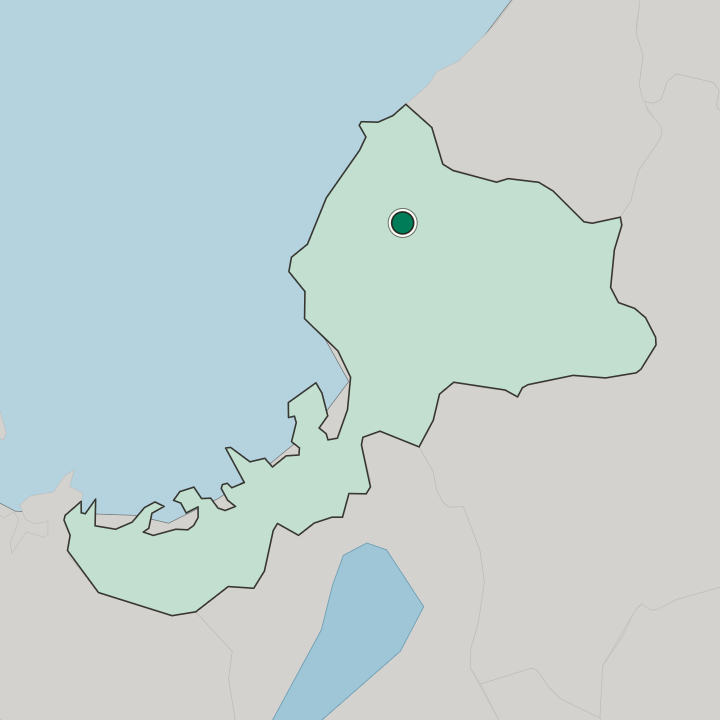
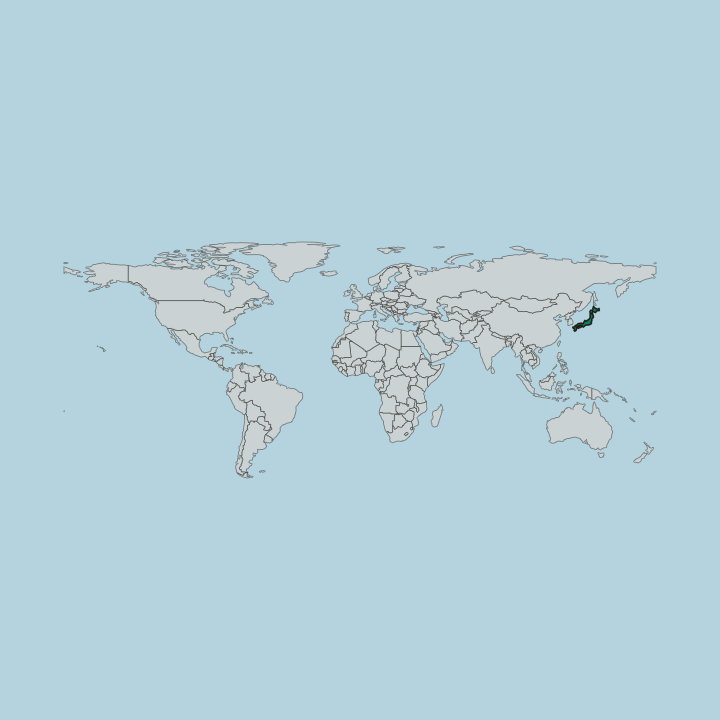
Fukui covers far more than its centre. The city limits take in rural plains, mountainous ground and the suburban sprawl that has followed the Route 8 bypass, so the built-up core accounts for a small share of the whole. Ichijōdani lies in that outer country.
The valley sits away from the plain where the centre stands, and what survives there was never touched by the destruction that reached the city twice over.
What is the climate of Fukui-shi?
Fukui works through four marked seasons. The city lies in the temperate band, and the mountainous ground inside its own limits carries a harder winter than the plain where the centre and its museums stand. The plain warms first.
Spring and autumn are the useful halves of the year for Ichijōdani, since the ruins are an outdoor site and a cold or wet day spent there is a long one.
How do you get to Fukui-shi?
Route 8 does much of the work. The bypass carries traffic through Fukui and has drawn the suburban strip along with it, which is why arriving by road is straightforward and arriving without a car leaves the visitor on the city's own network. Fukui is the prefectural capital.
That status brings the connections a capital gets, though the run out to the Ichijōdani Asakura Family Historic Ruins is a separate journey from the centre and wants its own half-day.
Common questions
What is the best area to stay in Fukui-shi?
Central Fukui: Stays pairing the Fukui City History Museum with an evening in town. The Route 8 bypass strip: Drivers breaking a journey along Route 8. Towards Ichijōdani: Early arrivals at the Ichijōdani Asakura Family Historic Ruins.
Good for
More cities in Fukui
Updated September 2026